
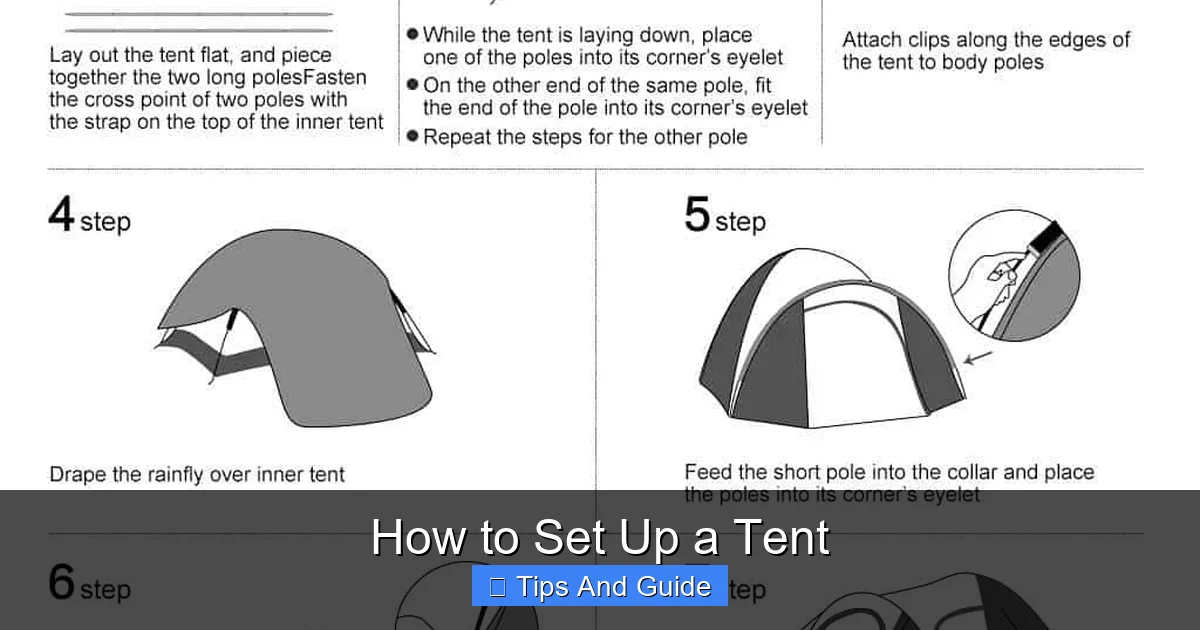
Setting up a tent can seem daunting, but with this guide, you’ll be an expert in no time! We cover everything from choosing the perfect campsite to pitching your shelter efficiently and packing it away. Follow our step-by-step instructions for a smooth and enjoyable camping adventure. This guide ensures you can confidently set up your tent, no matter your experience level.
## How to Set Up a Tent
Camping is an amazing way to connect with nature, unwind, and create lasting memories. A crucial part of any camping trip is successfully setting up your tent. While it might seem like a puzzle at first, setting up a tent is a straightforward process once you know the steps. This guide will walk you through everything you need to know, from choosing the ideal spot to packing your tent away neatly. Whether you’re a seasoned camper or embarking on your very first outdoor adventure, you’ll learn how to pitch your shelter with confidence and ease. Let’s get started on making your campsite a cozy home away from home.
### Step 1: Choose Your Campsite Wisely
The foundation of a great camping experience starts with selecting the right location for your tent. A well-chosen campsite can mean the difference between a peaceful night’s sleep and a restless one.
#### Assess the Ground
Look for a flat, level surface. This will prevent you from rolling out of your sleeping bag and ensure your tent doesn’t pool water if it rains. Avoid areas with rocks, roots, or debris that could puncture your tent floor or make sleeping uncomfortable.
#### Consider Drainage
Ensure the ground is well-drained. You don’t want your tent to become a small, unpleasant swimming pool during a downpour. Look for areas that are not in natural depressions or low-lying spots where water tends to collect.
#### Check for Hazards
Always survey your surroundings for potential dangers. Stay clear of dead trees or branches (known as “widowmakers”) that could fall. Also, avoid setting up too close to rivers or lakes, as flash floods can occur, and you want to be mindful of wildlife trails.
#### Think About Wind and Sun
Consider the prevailing wind direction. If possible, position your tent’s entrance away from the wind to prevent drafts. Also, think about the sun’s path. If you’re camping in a hot climate, setting up your tent where it will get morning shade can make a big difference in keeping it cooler. For those seeking shade specifically, exploring options for the best pop-up tent for shade might be beneficial for future trips.
### Step 2: Unpack and Organize Your Tent
Before you even think about pitching, take a moment to unpack everything and lay it out. This will help you identify all the components and ensure you have everything you need.
#### Lay Out All Components
Carefully remove your tent, poles, stakes, and rainfly from their bags. Spread them out so you can see everything clearly. This is the perfect time to check for any damage that might have occurred during transport.
#### Identify Each Part
Familiarize yourself with the different parts:
* Tent Body: This is the main part of the tent where you’ll sleep.
* Poles: These are usually made of fiberglass or aluminum and provide the tent’s structure. They are often color-coded or have markings to help with assembly.
* Stakes: These are used to anchor your tent to the ground.
* Rainfly: This is the waterproof outer layer that protects you from rain and wind.
* Footprint or Ground Tarp (Optional): Some tents come with or recommend a separate ground tarp to protect the tent floor from abrasion and moisture.
#### Check for Damage
Give everything a quick inspection. Look for tears in the fabric, bent or cracked poles, or missing stakes. It’s much better to discover a problem now than when you’re miles from civilization and need shelter.
### Step 3: Assemble the Tent Poles
Most modern tents use flexible poles that easily snap together. This is usually the most straightforward part of setting up your tent.
#### Connect the Poles
Tent poles are typically shock-corded, meaning they are connected by an elastic cord running through them. Simply align the sections and push them together. They should click or seat firmly.
#### Note Color Coding or Markings
Many tents use color-coding on the poles and the tent sleeves or clips to indicate where each pole goes. For example, red poles might go in red sleeves. Pay attention to these guides; they make assembly significantly faster and easier.
### Step 4: Pitch the Tent Body
Now it’s time to connect the poles to the tent body and start forming the structure.
#### Lay Out the Tent Body
Spread the tent body out on your chosen campsite. Orient it so the door is facing the direction you prefer.
#### Insert Poles into Sleeves or Attach Clips
This step varies slightly depending on your tent’s design:
* Sleeved Tents: Carefully slide the assembled poles through the designated fabric sleeves on the tent body. Go slowly to avoid snagging or tearing the fabric.
* Clipped Tents: If your tent has clips instead of sleeves, lay the poles across the tent and then attach the clips to the poles. This is often faster than sleeves.
#### Bend and Secure the Poles
Once the poles are in place, you’ll need to bend them to create the tent’s dome or frame shape. Most tents have grommets (small holes) or plastic pockets at the corners where the ends of the poles fit. Gently bend each pole and insert its end into the corresponding grommet or pocket. You might need a little pressure. Ensure all poles are securely seated.
#### Stake Down the Tent (Initial Anchoring)
Before you fully tension everything, it’s a good idea to anchor the tent corners. This prevents it from shifting as you work.
### Step 5: Stake Down the Tent Securely
Staking is crucial for keeping your tent stable and upright, especially in windy conditions.
#### Angle the Stakes
For maximum holding power, insert your stakes into the ground at a 45-degree angle, pointing away from the tent. This angle helps them grip the soil better.
#### Stake Out All Corners and Guylines
Start by staking down the corners of your tent. Then, extend the guylines (ropes attached to the tent) and stake them out. Guylines provide extra stability and tension, preventing the tent from collapsing in wind. Properly tensioned guylines are essential for a sturdy shelter. If you’re looking for a tent that excels in windy conditions, research the best pop-up tent for wind.
#### Use Extra Stakes if Needed
If your tent came with extra stakes, or if you have them with you, use them to further secure the rainfly or any areas that feel less stable.
### Step 6: Attach the Rainfly
The rainfly is your tent’s primary protection against the elements.
#### Drape the Rainfly
Carefully unfold and drape the rainfly over the tent body. Ensure it’s oriented correctly – there’s usually a specific front and back, often indicated by door openings or logos.
#### Secure the Rainfly
Attach the rainfly to the tent poles, frame, or stake loops using the buckles, Velcro straps, or toggles provided. Make sure the rainfly is pulled taut and evenly distributed over the tent body. This allows for proper ventilation and prevents water from pooling.
#### Adjust for Tension
Check that the rainfly is snug. If it’s loose, water can get in, and it won’t offer the best protection. Adjust the buckles or straps on the rainfly until it’s tight and smooth.
### Step 7: Final Touches and Ventilation
With the main structure up and the rainfly on, your tent is almost ready.
#### Check All Connections
Do a final check of all poles, stakes, and guylines to ensure everything is secure.
#### Open Vents for Airflow
Most tents have vents to help with air circulation. Open these vents, especially in the rainfly, to reduce condensation inside the tent. Proper ventilation is key to a comfortable camping experience.
#### Set Up Inside
Now you can bring in your sleeping bags, mats, and other gear. Organize your space to make it as comfortable as possible.
### Troubleshooting Common Tent Setup Issues
Even with the best intentions, sometimes things don’t go perfectly. Here are a few common problems and how to fix them.
#### Tent Poles Won’t Fit Through Sleeves
* Problem: The poles are getting stuck or twisted in the sleeves.
* Solution: Ensure the poles are fully connected and straight. If you encounter resistance, don’t force it. Try slightly rotating the pole or pulling the sleeve fabric taut around it. Sometimes, re-inserting the pole from the other end can help.
#### Tent Doesn’t Stand Up Straight
* Problem: The tent looks saggy or leans to one side.
* Solution: This usually means the poles aren’t fully seated in the grommets or pockets, or the guylines aren’t properly tensioned. Double-check that all pole ends are firmly in their anchors. Then, adjust the guylines to create even tension around the tent.
#### Rainfly is Sagging or Loose
* Problem: The rainfly isn’t taut, and water could potentially get inside.
* Solution: Adjust the buckles or straps on the rainfly. Make sure it’s pulled evenly across the tent body. If there are Velcro tabs connecting the rainfly to the poles, ensure those are fastened securely.
#### Stakes Won’t Go into Hard Ground
* Problem: You can’t get the stakes into the soil.
* Solution: If the ground is very hard or rocky, try using a rock to gently hammer the stakes in. If you have a mallet or a sturdy piece of wood, that can also work. Sometimes, finding a slightly softer spot nearby is the best solution. If this is a frequent issue, consider investing in stronger, rock-specific tent stakes.
#### Tent is Blowing Away in the Wind
* Problem: The wind is strong, and your tent is unstable or moving.
* Solution: This is where proper staking and guylining are critical. Ensure all stakes are angled correctly and driven deep. Use every guyline point available. If possible, find rocks or heavy objects to place on top of the stakes for extra security. For challenging weather, consider a tent designed for such conditions, like a robust pop-up tent for winter or one specifically engineered for resilience.
### Step 8: Packing Up Your Tent
When your camping trip comes to an end, packing up your tent correctly is just as important as setting it up.
#### Dry Your Tent
This is the most crucial step. If you pack a wet or damp tent, it will likely develop mold and mildew, which can damage the fabric and cause unpleasant odors. If it rains during your trip, try to air out your tent as much as possible before packing. If you can’t dry it completely, spread it out at home as soon as possible.
#### Clean Off Debris
Brush or shake off any dirt, leaves, or other debris from the tent body and rainfly.
#### Fold and Roll
Lay the tent body flat and fold it lengthwise, then roll it up tightly. The goal is to get it as compact as possible. Some people find it helpful to fold it around the poles to achieve a consistent shape.
#### Pack Everything Neatly
Place the rolled tent, poles, stakes, and rainfly back into the original stuff sack. Make sure everything fits snugly.
#### Store Properly
Store your tent in a cool, dry place. Avoid storing it in a damp basement or a hot car trunk for extended periods.
### Conclusion
Setting up a tent might seem like a chore, but it’s an essential skill for any outdoor enthusiast. By following these steps, you’ll be able to pitch your tent efficiently and securely, allowing you to spend more time enjoying the beauty of nature. Remember to choose your campsite wisely, organize your gear, and take your time with each step. With practice, setting up your tent will become second nature, a familiar and satisfying prelude to your camping adventures. So, pack your bags, grab your tent, and head out for your next exploration, confident in your ability to create a comfortable haven wherever you roam. Happy camping!
Key Takeaways
- Choose the Right Campsite: Select a flat, well-drained area away from hazards like dead trees or water sources.
- Lay Out Tent Components: Unpack and identify all parts of your tent before you begin assembly.
- Assemble Poles and Attach Tent: Connect tent poles and thread them through the correct sleeves or clips on the tent body.
- Stake Down the Tent: Secure the tent to the ground using stakes, ensuring it’s taut and stable.
- Attach the Rainfly: Drape and secure the rainfly over the tent for weather protection.
- Organize and Enjoy: Once set up, arrange your gear inside and relax in your new campsite.
- Proper Pack-Up: Ensure your tent is dry before packing to prevent mildew and damage.
