
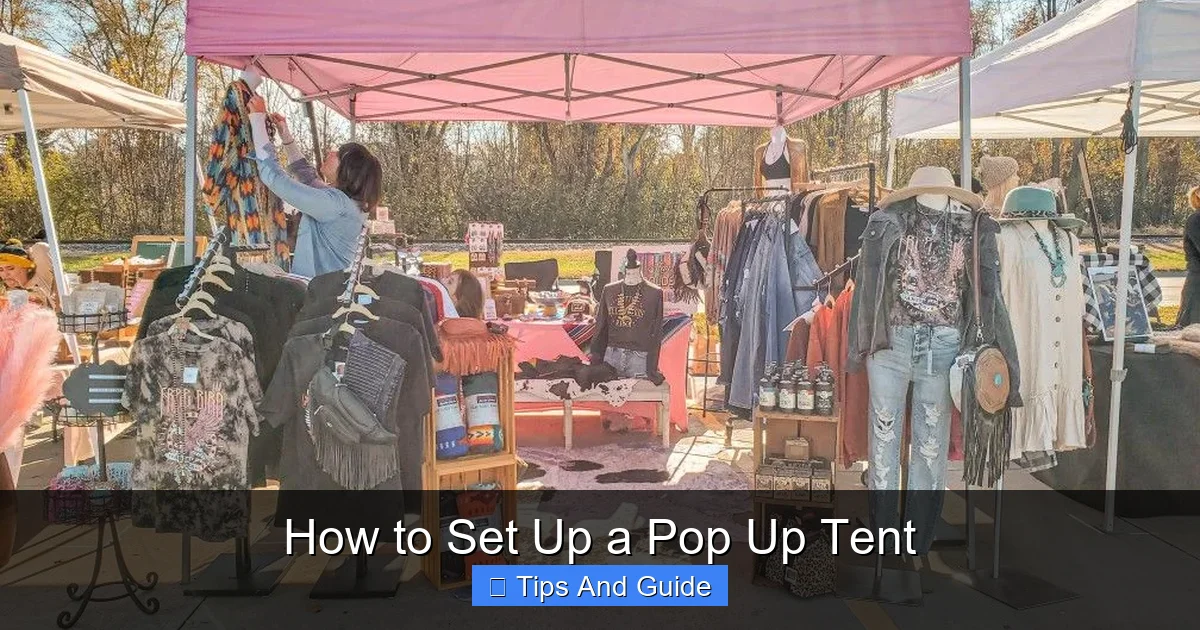
Setting up a pop-up tent is a breeze with the right approach. This guide will walk you through each step, ensuring a quick and easy setup, whether you’re at a campsite or in your backyard. We’ll cover everything from unpacking your tent to securing it firmly, so you can spend less time wrestling with fabric and poles and more time enjoying your outdoor adventure.
# How to Set Up a Pop Up Tent
Welcome to the ultimate guide on setting up a pop-up tent! If you’ve ever felt a pang of dread at the thought of wrestling with tent poles and confusing instructions, you’re in the right place. Pop-up tents are designed for speed and simplicity, making them ideal for everything from spontaneous camping trips to backyard sleepovers. This guide will demystify the process, breaking down each step so you can have your tent ready in minutes, not hours. We’ll cover everything from the moment you pull it from its bag to the final stakes in the ground, ensuring a smooth and stress-free setup every time.
## Step 1: Unpacking and Preparation
The first step to a successful pop-up tent setup is to have everything ready and organized. This makes the actual setup process much smoother.
### Unboxing Your Tent
When you first receive your pop-up tent, it will likely be in a compact carrying bag.
Carefully open the bag. Most pop-up tents come pre-attached with poles, meaning you won’t have to spend time sorting through a jumble of metal rods. Just pull the tent out of its bag. You might be surprised by how compact it is!
### Inspecting Components
Before you start unfolding, take a moment to inspect all the parts.
Lay out the tent, poles (if any are separate), stakes, and guylines. Check for any tears, snags, or missing pieces. This is also a good time to familiarize yourself with the tent’s features, like the doors, windows, and any internal pockets.
### Choosing the Right Location
Where you set up your tent is crucial for comfort and safety.
Look for a flat, level spot. Avoid areas with rocks, roots, or sharp objects that could damage the tent floor. Also, consider your surroundings: avoid setting up directly under dead trees or branches that could fall. If you’re camping, check for signs of potential flooding if it rains. For a pop-up tent used for shade, like at the beach, consider the sun’s path throughout the day.
## Step 2: The “Pop” – Unfolding and Initial Setup
This is where the magic of a pop-up tent truly shines. They are designed to deploy quickly.
### Releasing the Tent
Most pop-up tents are secured with straps or Velcro to keep them compact in the bag.
Once you’ve taken the tent out of its bag, locate these securing straps. Undo them. The tent will likely spring open partially on its own. Some tents might require a gentle shake or a slight pull on the poles to fully unfurl.
### Understanding the Structure
Pop-up tents often have a hub-and-spoke design with flexible poles integrated into the fabric.
As the tent unfolds, you’ll see the poles bend and form the tent’s structure. Don’t be alarmed if it looks a bit chaotic at first. The poles will guide the tent into its shape. Gently pull the fabric to help the poles extend and the tent to stand up.
### Positioning the Tent
Once it has sprung open, you’ll need to position it correctly.
Make sure the doors and windows are facing the direction you prefer. If there’s a specific “front” or “back,” orient it accordingly. For a tent intended for a campsite, ensure the door is accessible and has a good view.
## Step 3: Securing the Tent
A tent that simply pops open isn’t much good if it blows away in the first gust of wind. Securing your pop-up tent is essential for stability.
### Anchoring the Base
The first line of defense against wind is anchoring the tent to the ground.
Your pop-up tent will come with stakes. Look for the loops or grommets around the base of the tent. Insert a stake through each loop and hammer it into the ground at an angle, pointing away from the tent. This provides a secure anchor.
### Using Guylines
Guylines are extra ropes that attach to the tent and extend outwards, providing additional stability.
Locate the guyline attachment points on your tent, usually on the sides or near the top. Tie one end of a guyline to an attachment point. Then, extend the line away from the tent and secure it to the ground with another stake, again at an angle. Use a tensioner or tie a knot to keep the guyline taut. This is especially important for larger pop-up tents or in windy conditions. For those planning extended stays or facing unpredictable weather, researching the best pop-up tent for wind can be a worthwhile endeavor.
### Checking for Stability
After staking and attaching guylines, give your tent a gentle shake.
It should feel firm and stable. If it wobbles excessively, check that your stakes are driven firmly into the ground and that your guylines are taut. Make sure the tent is positioned on a level surface, as an uneven base can compromise stability.
## Step 4: Attaching the Rainfly (If Applicable)
Many pop-up tents come with a rainfly for added protection from the elements.
### Understanding the Rainfly’s Purpose
The rainfly is a separate waterproof layer that goes over the main tent body.
Its primary purpose is to keep rain out and can also offer additional shade. Some pop-up tents have an integrated rainfly, while others have a separate one.
### Attaching the Rainfly
If your tent has a separate rainfly, you’ll need to attach it to the main tent body.
Drape the rainfly over the tent. There are usually clips, buckles, or Velcro tabs that attach the rainfly to the tent poles or the tent body itself. Ensure the rainfly is oriented correctly; there’s often a specific front and back, indicated by door or vent openings. Once attached, ensure the rainfly is pulled taut and doesn’t sag, as this can cause water to pool and potentially leak through.
### Securing the Rainfly
Make sure the rainfly is properly secured to prevent it from flapping in the wind.
Use the loops and grommets on the rainfly to stake it down, often in conjunction with the main tent stakes. This ensures the rainfly stays in place and provides optimal coverage. If you’re looking for a tent that can handle downpours, consider looking at options for the best pop-up tent waterproof models.
## Step 5: Interior Setup and Ventilation
Once the exterior is secure, it’s time to make the inside comfortable and functional.
### Unzipping Doors and Windows
Open up the tent to allow for airflow and easy access.
Unzip the doors and any windows. This helps the tent expand fully and also provides crucial ventilation. Proper airflow is key to preventing condensation build-up inside the tent, especially during humid conditions or if you’re using a best pop-up tent heater inside.
### Setting Up Interior Features
If your tent has any internal features, now is the time to set them up.
Some pop-up tents have gear lofts, pockets, or lantern hooks. Familiarize yourself with these and use them to organize your belongings. If you have a sleeping pad or air mattress, place it inside the tent. For a comfortable sleep, consider a best pop-up tent for family camping that offers more space.
### Managing Ventilation
Ventilation is critical for a comfortable tent experience.
Pop-up tents often have built-in vents or mesh panels. Open these up to allow fresh air to circulate. If it’s raining, you can often keep the windows slightly open while still being protected by the rainfly. Proper ventilation helps keep the air inside fresh and reduces moisture from your breath and body heat.
## Practical Tips for Pop-Up Tent Setup
Here are some extra tips to make your pop-up tent setup even easier.
### Read the Instructions
While pop-up tents are designed to be intuitive, it’s always a good idea to glance at the manufacturer’s instructions. They might have specific tips for your model.
### Practice at Home
Before your first outing, try setting up your pop-up tent in your backyard or living room. This will help you get familiar with the process and identify any potential issues before you’re in a rush at a campsite.
### Teamwork Makes the Dream Work
While many pop-up tents can be set up by one person, having an extra pair of hands can make the process quicker and easier, especially for larger tents.
### Consider the Groundsheet/Footprint
For added protection of your tent floor and extra insulation, consider using a groundsheet or footprint. This is a separate piece of material that goes under your tent. This is particularly useful for longer camping trips or when camping on rough terrain.
### Always Pack Tent Stakes
Even if your tent seems to stand on its own, always use the provided stakes. They are crucial for stability, especially in windy conditions or on uneven ground. For a reliable setup, investigate the best pop-up tent on the market that includes robust staking systems.
## Troubleshooting Common Pop-Up Tent Issues
Even with pop-up tents, occasional issues can arise. Here’s how to tackle them.
### Tent Won’t Fully Pop Open
* Issue: The tent seems stuck or won’t fully extend.
* Solution: Check for any straps or Velcro that might still be attached. Ensure the poles are not tangled or obstructed. Gently pull on the fabric in the direction you want it to expand. Sometimes a slight shake can help the poles find their position.
### Stakes Won’t Go Into the Ground
* Issue: The ground is too hard or rocky to insert the stakes.
* Solution: Try a different spot if possible. If not, use a rock to gently hammer the stakes in, or consider bringing a small mallet or hammer for easier ground penetration. If you’re camping in known hard-packed areas, you might want to invest in heavier-duty stakes.
### Rainfly Doesn’t Fit Properly
* Issue: The rainfly seems loose or misaligned.
* Solution: Double-check that you have the correct side of the rainfly facing outwards (look for door openings). Ensure all clips or ties are securely fastened. Re-stake the rainfly if necessary to ensure it’s taut and provides full coverage.
### Condensation Inside the Tent
* Issue: Water droplets forming on the inside of the tent walls.
* Solution: This is usually due to poor ventilation. Open more vents or windows. Avoid touching the tent walls, as this can transfer moisture. If possible, try to reduce the number of people breathing inside the tent overnight.
## Taking Down Your Pop-Up Tent
Just as setting up is quick, taking down a pop-up tent is also designed for speed.
### Reverse the Process
Think of the setup process in reverse.
Start by removing all stakes and guylines. Take down any interior features. Then, gently push the poles inwards, allowing the tent to collapse. Most pop-up tents will fold down into a circular shape.
### Folding and Packing
The trickiest part for some is folding the tent back into its circular form to fit into the carrying bag.
Gather the collapsed tent and find the central folding points of the poles. Hold the tent with both hands and twist your wrists in opposite directions, bringing the sides together. It will naturally form a smaller circle. Continue folding until it’s small enough to fit into the bag. If you’re struggling, search for videos specific to your tent model – seeing it done can be incredibly helpful!
## Conclusion
Setting up a pop-up tent is an incredibly straightforward process that allows you to quickly create shelter or shade wherever you go. By following these steps – from careful unpacking and location selection to proper staking and ventilation – you can ensure your tent is ready for action in mere minutes. Remember to practice at home, and don’t hesitate to consult your tent’s specific instructions. With a little preparation and these simple guidelines, you’ll be a pop-up tent pro in no time, ready to enjoy your outdoor adventures without the hassle of complicated gear. Whether you’re looking for a best pop-up tent for the beach or a simple shelter for the backyard, the pop-up design offers unparalleled convenience.
Key Takeaways
- Unpack and Identify: Before starting, lay out all tent components to ensure everything is present and undamaged.
- Find a Flat Surface: Choose a level, clear area for setup to ensure stability and prevent damage to the tent floor.
- Follow the “Pop”: Most pop-up tents are designed to spring open with minimal effort once released from their carry bag.
- Secure the Base: Stake down the tent corners and guylines to provide stability against wind and weather.
- Install the Rainfly: Attach the rainfly for added weather protection, ensuring it’s taut and properly aligned.
- Ventilation is Key: Open vents or windows to ensure good airflow and prevent condensation build-up inside.
