
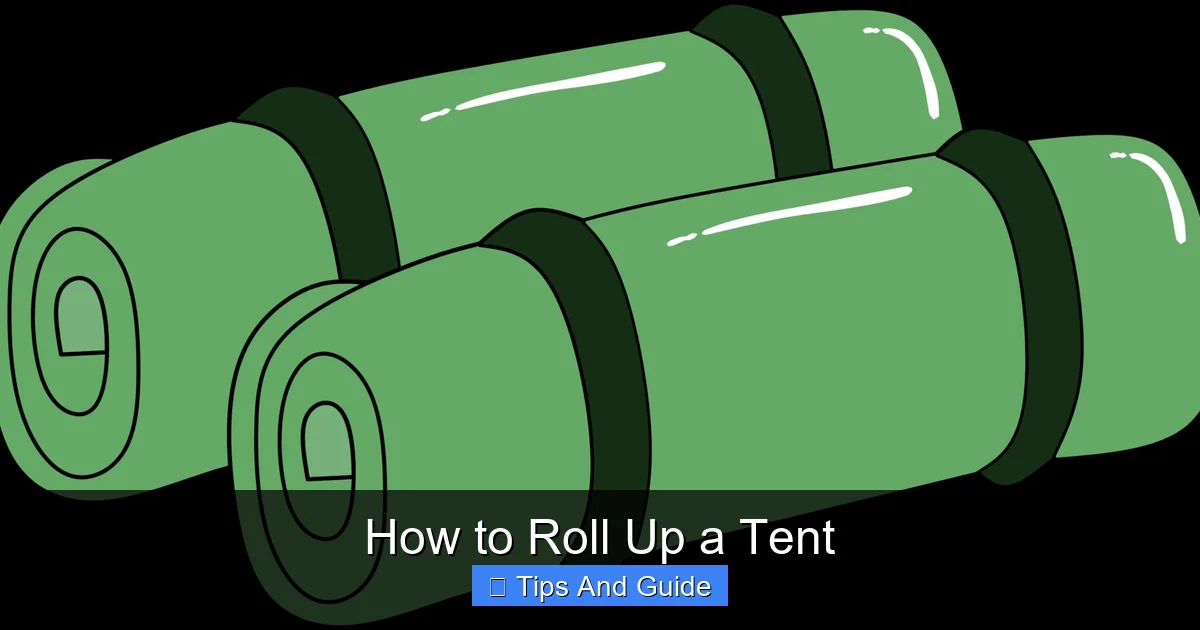
Properly rolling up your tent ensures it stays in good condition and is easy to store. This guide offers clear, step-by-step instructions for efficiently packing your tent, including tips for dealing with different tent types and common issues. By following these steps, you can maximize your tent’s lifespan and make your next camping trip a breeze.
How to Roll Up a Tent
So, you’ve had an amazing time camping, exploring the great outdoors, and making lasting memories. Now comes the less glamorous part: packing up your tent. It might seem like a simple task, but knowing how to roll up a tent properly can make a world of difference. A well-rolled tent is easier to store, fits better in your car, and is less likely to get damaged. Plus, it saves you time and frustration when you’re eager to get home or set up camp again.
This comprehensive guide will walk you through the process of rolling up your tent step-by-step. We’ll cover everything from the essential pre-packing steps to the final roll, offering practical tips and advice to ensure your tent stays in great shape for many adventures to come. Whether you have a basic dome tent or a more complex family tent, these instructions will help you pack it like a pro.
Key Takeaways
- Start with a Clean and Dry Tent: Always ensure your tent is completely dry and free of debris before you begin rolling it up to prevent mold, mildew, and damage.
- Remove All Components: Take out poles, stakes, guy lines, and any accessories to roll each item separately for a more compact and organized pack.
- Air Out the Tent: If possible, spread the tent out to air it out completely for a few hours, especially if it’s been packed away wet.
- Fold Systematically: Follow a consistent folding pattern, usually by length, to create neat, manageable sections for rolling.
- Roll Tightly and Evenly: Apply even pressure as you roll to create a compact cylinder that fits snugly into its stuff sack.
- Secure with the Stuff Sack: Once rolled, use the provided stuff sack or compression straps to keep the tent tightly packed for storage and transport.
The Importance of Proper Tent Packing
Before we dive into the “how,” let’s quickly touch on the “why.” A tent is an investment, and like any investment, you want it to last. Improper packing can lead to:
- Mold and Mildew: Packing a damp tent traps moisture, creating a perfect breeding ground for mold and mildew. This can damage the fabric, cause unpleasant odors, and even compromise the waterproof coatings.
- Fabric Damage: Rough handling, stuffing the tent into its bag without proper folding, or leaving it bunched up can stress the seams, rip the fabric, and degrade the waterproof coatings.
- Reduced Lifespan: Over time, these issues will significantly shorten the life of your tent.
- Difficult Setup: A poorly packed tent can be a crumpled mess, making it harder and more time-consuming to set up on your next trip.
By taking a little extra care when rolling up your tent, you’re protecting your gear and ensuring a smoother camping experience in the future.
Step 1: The Essential Pre-Packing Checks
This is arguably the most crucial step. Don’t just start stuffing your tent into its bag as soon as you take it down. A few minutes of preparation will save you hours of potential trouble later.
1.1. Clean Your Tent
As you take your tent down, give it a quick once-over.
- Remove Debris: Brush off any leaves, twigs, dirt, or grass from the inside and outside of the tent. Pay attention to the floor, as this is where most debris collects.
- Shake it Out: Give the tent a good shake to dislodge any stubborn particles.
- Wipe Down: If there are any muddy spots or food crumbs, use a damp cloth or sponge to wipe them away. Ensure the cloth is only damp, not wet, to avoid reintroducing moisture.
1.2. Dry Your Tent Thoroughly
This cannot be stressed enough. A damp tent is the enemy of good tent storage.
- Air it Out: If weather permits, spread your tent out in the sun for at least a few hours. Open the doors and windows to allow air circulation. A breezy, sunny day is ideal.
- In a Well-Ventilated Area: If you can’t air it out outdoors, set it up in a garage, on a porch, or even in a large room with windows open. The goal is to let any moisture evaporate completely.
- Check Seams and Corners: Pay special attention to the seams, corners, and the bottom of the tent. These areas tend to hold moisture longer. Run your hand along them to feel for dampness.
- Dealing with Unexpected Rain: If it rained and you have to pack up wet, don’t despair. As soon as you get home, or at your earliest convenience, unpack your tent and spread it out to dry completely. Even a day or two can prevent mold.
1.3. Separate Components
Before you roll the tent fabric, it’s best to handle the other parts separately.
- Tent Poles: Most modern tents have shock-corded poles. Simply separate them and gently fold them into their collapsed lengths. Store them in their pole bag.
- Stakes: Collect all your tent stakes. If they are muddy, give them a quick rinse and dry them off before putting them back in their stake bag.
- Guy Lines: Untangle any knots in your guy lines. It’s often easiest to coil them loosely and secure them with a knot or a Velcro strap if your tent came with one.
- Rainfly and Footprint (if applicable): If your tent has a separate rainfly or footprint, fold and roll these items individually according to the same principles you’ll use for the main tent body. This makes them easier to manage and ensures they are also dry.
Step 2: Folding the Tent Body
Once your tent fabric is clean and completely dry, it’s time to start folding. The goal here is to create neat, manageable sections that will eventually form a compact roll.
2.1. Lay the Tent Flat
Spread the main tent body out on a clean, flat surface. Make sure the inside is facing up, or the outside is facing up, depending on what is easiest for you to work with. Some people prefer the inside up to ensure all dirt is folded inwards, while others prefer the outside up for easier visual alignment of seams.
2.2. Fold in Half (Lengthwise)
Bring one long side of the tent over to meet the other long side. This effectively folds the tent in half lengthwise. Smooth out any wrinkles to ensure a neat fold.
2.3. Fold in Half Again (Lengthwise)
Now, fold the tent in half lengthwise once more. You should now have a long, narrow rectangle. The width of this rectangle will depend on the size of your tent and how wide you want the final roll to be. Aim for a width that is slightly narrower than the stuff sack it will go into.
2.4. Straighten and Smooth
Take a moment to ensure the edges are aligned as neatly as possible and smooth out any major creases. This will make the final rolling much easier and more uniform.
Step 3: Rolling the Tent
This is where the “rolling up” part really happens. The key here is to roll tightly and evenly to achieve the most compact shape.
3.1. Start from One End
Choose one of the shorter ends of your long, folded tent rectangle to be your starting point.
3.2. Roll Tightly and Evenly
Begin rolling the tent from this end.
- Apply Firm Pressure: As you roll, apply firm and consistent pressure. You want to push out as much air as possible and create a tight cylinder.
- Keep it Straight: Try to keep the roll as straight and even as possible. If you notice it getting crooked, stop, adjust, and continue.
- Smooth as You Go: Use your hands to smooth out any bulges or loose areas as you roll. This ensures a compact and neat final roll.
- Enlist Help if Needed: For larger tents, having a second person to help guide the roll and maintain even pressure can be very beneficial. One person can start the roll, and the other can follow behind, ensuring it stays tight and straight.
3.3. Continue Rolling Until Complete
Keep rolling until you have a tightly packed cylinder of tent fabric.
Step 4: Stuffing and Securing
Once your tent is rolled, the final steps are to get it into its bag and secure it for storage.
4.1. Place the Rolled Tent into the Stuff Sack
Carefully pick up your tightly rolled tent. It should be firm enough to hold its shape.
- Align with the Opening: Position the rolled tent so that its end aligns with the opening of the stuff sack.
- Gentle Insertion: Gently begin to push the rolled tent into the stuff sack.
- Work it In: You might need to wiggle and push to get it all the way in. If it feels like it’s not going to fit, you may need to unroll it slightly and re-roll it a bit more tightly or adjust your initial folding width.
- Use Your Body Weight (Carefully): Once the end is in, you can use your body weight or knees to press down on the rolled tent as you continue to push it further into the sack. Be careful not to force it, which could damage the fabric.
4.2. Compress and Secure
Most tent stuff sacks have a drawstring or cinch cord at the opening.
- Tighten the Drawstring: Once the tent is inside, pull the drawstring tight to close the opening of the sack. This will compress the tent further.
- Roll and Tuck (for some bags): Some stuff sacks are designed to be rolled down and then secured with a buckle. If yours has this feature, roll the opening down tightly several times before fastening the buckle.
- Compression Straps: If your tent bag has compression straps, tighten these as much as possible. These straps are excellent for reducing the overall volume of the packed tent.
4.3. Pack Away Other Components
Now, pack the separately rolled rainfly, footprint, poles, stakes, and any other accessories into their respective bags. Many tents come with a larger gear bag that can hold all of these smaller component bags together, making for a very organized and tidy package.
Tips for Different Tent Types
While the general principles apply to most tents, some specific types might require slight adjustments.
3.1. Pop-Up Tents
Pop-up tents are designed for instant setup, but their packing can be a bit tricky the first few times.
- Follow Manufacturer Instructions: These tents have specific folding mechanisms. Always refer to the instructions that came with your tent or find a video online.
- The “Twist and Fold” Method: Generally, you’ll need to hold opposite corners of the tent, twist your wrists in opposite directions to create a circular shape, and then fold this circle in half.
- Practice Makes Perfect: Don’t get discouraged if it takes a few tries. Once you get the knack, it becomes quite simple. For a quick guide on setting up and taking down, you might find resources on the best pop-up tent on the market helpful for understanding their unique designs.
3.2. Tunnel Tents and Larger Family Tents
For bigger tents, the folding process might be more involved.
- Wider Folding: You might need to fold them into wider sections before rolling to manage their bulk.
- Team Effort: As mentioned, having an extra pair of hands is highly recommended for these larger tents.
- Consider a Compression Sack: A separate compression sack can be a lifesaver for bulky family tents, helping to reduce their packed size significantly.
Troubleshooting Common Issues
Even with the best intentions, you might run into a few snags.
4.1. Tent Won’t Fit Back in the Bag
This is a common frustration.
- Re-roll Tighter: The most likely culprit is that the tent wasn’t rolled tightly enough. Unroll it and try again, applying more consistent pressure and pushing out more air.
- Check for Trapped Air: Make sure you’ve pushed out all the air pockets as you rolled.
- Folded Too Wide: If you folded the tent too wide in Step 2, it will be too bulky to roll into the bag. Unfold and refold to a narrower width.
- Consider a Replacement Bag: If your tent is in good condition but the bag is worn out or undersized, you might consider purchasing a larger or more robust stuff sack. Many people upgrade to compression sacks for better storage.
4.2. Tent Smells Musty or Damp
This indicates the tent wasn’t fully dried before packing.
- Immediate Drying: Unpack the tent immediately and spread it out to dry completely, ideally outdoors in the sun.
- Washing (with caution): For persistent odors, you might consider washing the tent with a specialized tent cleaner. Always follow the manufacturer’s instructions for washing and ensure it’s dried thoroughly afterward. Some tent cleaners can degrade waterproofing, so choose wisely. A good waterproof pop-up tent can still develop issues if not dried.
- Airing Out Regularly: Store your tent in a well-ventilated area and air it out periodically, especially if you live in a humid climate.
4.3. Tent Fabric Feels Sticky or Peeling
This is usually a sign of a degraded waterproof coating.
- Re-waterproofing: You might be able to revive the tent by cleaning it and applying a new waterproofing treatment. Products like Nikwax or Grangers are specifically designed for this.
- Repair Kits: For minor issues, specialized repair kits might help seal small leaks.
- Consider Replacement: If the coating is extensively degraded, the tent’s waterproof performance will be compromised, and it might be time to consider a new tent.
Conclusion
Mastering the art of rolling up a tent is a simple yet vital skill for any camper. By following these steps—cleaning, drying, folding systematically, and rolling tightly—you’ll not only protect your gear but also ensure that setting up and taking down camp becomes a much more efficient and enjoyable part of your outdoor adventures. Remember, a well-cared-for tent is a reliable companion on countless future trips. So, take that extra moment to pack it right, and enjoy the great outdoors for years to come!
—
Frequently Asked Questions
Why is it important to dry my tent completely before packing it?
Packing a damp tent creates a moist environment inside the bag. This can lead to the growth of mold and mildew, which can damage the tent fabric, cause unpleasant odors, and degrade the waterproof coatings, ultimately shortening the tent’s lifespan.
Visual guide about How to Roll Up a Tent
Image source: liri-tents.com
Visual guide about How to Roll Up a Tent
Image source: thumbs.dreamstime.com
Visual guide about How to Roll Up a Tent
Image source: 08tent.files.wordpress.com
How do I deal with a tent that smells musty?
If your tent smells musty, it’s likely due to being packed away damp. Unpack it immediately and spread it out in a dry, well-ventilated area, preferably outdoors in the sun, until it’s completely dry. For persistent odors, consider using a specialized tent cleaner, but always ensure it’s dried thoroughly afterward.
What should I do if my rolled tent doesn’t fit back into its stuff sack?
This usually means the tent wasn’t rolled tightly enough or was folded too wide. Unroll the tent and try rolling it again, applying more consistent pressure to expel air and keep the roll as compact as possible. Ensure your initial folds create a width suitable for the stuff sack.
Can I wash my tent if it’s dirty?
Yes, you can wash your tent, but with caution. Use only lukewarm water and a mild, specialized tent cleaner. Avoid harsh detergents, bleach, or fabric softeners, as these can damage the fabric and coatings. Always air dry the tent completely afterward.
What’s the best way to store my tent when it’s not in use?
Store your tent in a cool, dry place, away from direct sunlight and extreme temperatures. It’s best to store it loosely in its stuff sack or, even better, in a large breathable bag to allow for air circulation and prevent compression of the fabric and coatings.
How do pop-up tents differ when it comes to packing?
Pop-up tents have a unique folding mechanism involving twisting the frame to create a compact circle, which is then folded. It’s crucial to follow the specific instructions provided with your pop-up tent, as they often require a particular sequence of twists and folds that differs from traditional tents.
