
Dealing with mold on your camping mattress can seem daunting, but it’s manageable with the right approach. This guide provides a comprehensive, step-by-step method for effectively removing mold, ensuring your mattress is clean and ready for your next adventure. Learn the best cleaning solutions, drying techniques, and preventative measures to keep your mattress mold-free and comfortable.
Camping is an incredible way to connect with nature, but a moldy mattress can quickly turn a dream trip into a damp nightmare. That unpleasant musty smell and those unsightly black spots are more than just an aesthetic problem; mold can affect your health and the longevity of your camping gear. Fortunately, removing mold from your camping mattress is a manageable task. This guide will walk you through the entire process, from identifying the mold to preventing its return, so you can enjoy a clean and comfortable sleep under the stars.
We’ll cover everything you need to know to tackle this common camping issue. You’ll learn which cleaning solutions work best, the most effective methods for scrubbing and rinsing, and why proper drying is absolutely essential. By the end of this guide, you’ll be equipped with the knowledge and confidence to restore your camping mattress to its former glory and keep it mold-free for many adventures to come.
Key Takeaways
- Identify the Mold: Recognize the visual signs of mold, such as black, green, or fuzzy spots, and the characteristic musty smell. Early detection is key to preventing spread.
- Gather Your Supplies: Prepare all necessary cleaning agents (like vinegar, mild soap, or specialized mold removers), scrubbing tools, protective gear, and drying equipment before you begin.
- Ventilate the Area: Always work in a well-ventilated space, ideally outdoors, to safely disperse mold spores and cleaning fumes.
- Choose the Right Cleaner: Select a cleaning solution appropriate for your mattress material. White vinegar is a natural and effective mold killer, while a mild soap solution can handle surface grime.
- Thorough Cleaning and Rinsing: Apply the cleaner, gently scrub the affected areas, and rinse thoroughly to remove all mold residue and cleaning solution.
- Proper Drying is Crucial: Ensure the mattress is completely dry to prevent mold from returning. Air drying in sunlight is best, or use fans if necessary.
- Prevention is Key: Implement storage strategies and regular airing-out routines to prevent mold from forming in the first place, especially after humid trips.
Understanding Mold on Camping Mattresses
Before we dive into the removal process, it’s important to understand why mold appears on camping mattresses in the first place. Camping mattresses, especially those used frequently in humid environments or stored improperly, are prime candidates for mold growth. Moisture is the main culprit. This moisture can come from various sources:
- Condensation: During camping trips, especially in cooler weather, your body heat can create condensation inside your tent. If your mattress is in contact with this moisture, mold can start to form. This is particularly true for warmer weather when humidity is high.
- Spills: Accidental spills of drinks, food, or even just damp gear placed on the mattress can introduce moisture.
- Improper Storage: Storing a damp mattress in a closed bag or a humid location, like a basement or garage, creates a perfect breeding ground for mold.
- Environmental Factors: Camping in areas with high humidity, near water bodies, or in damp forests can expose your mattress to more moisture.
Mold thrives in dark, damp, and poorly ventilated conditions. Once it takes hold, it can spread rapidly. Recognizing the signs of mold is the first step in dealing with it effectively.
Identifying Mold on Your Camping Mattress
Visual guide about How to Remove Mold from Camping Mattress
Image source: thecampingnerd.com
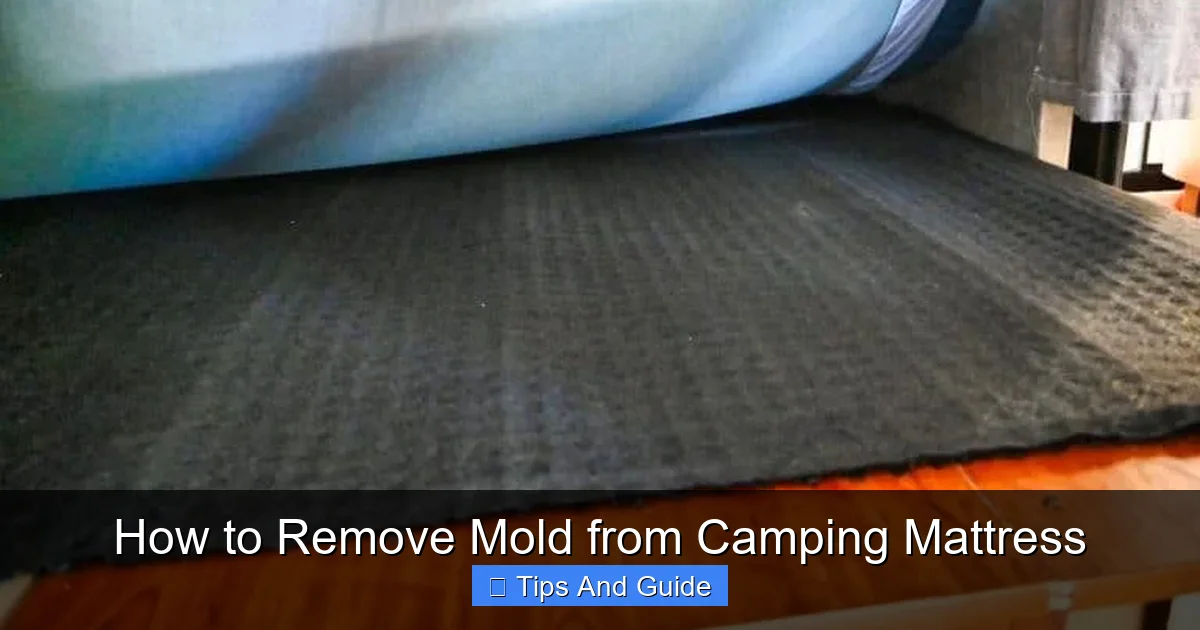
The most obvious sign of mold is its appearance. You might see:
- Fuzzy or Powdery Patches: These can be black, green, blue, white, or even orange.
- Discoloration: Even if it doesn’t look fuzzy, you might notice dark spots or stains on the mattress fabric.
- Musty Odor: This is a classic indicator of mold. If your mattress smells damp and unpleasant, even when it feels dry, mold is likely present.
Don’t ignore these signs. The sooner you address the mold, the easier it will be to remove and the less likely it is to cause permanent damage or health issues.
Step-by-Step Guide to Removing Mold
Visual guide about How to Remove Mold from Camping Mattress
Image source: thecampingnerd.com
Now that you know what you’re looking for, let’s get to the actual cleaning. Safety first! Always wear gloves and a mask to protect yourself from mold spores and cleaning chemicals.
Step 1: Prepare Your Workspace and Gather Supplies
Visual guide about How to Remove Mold from Camping Mattress
Image source: couchpotatocamping.com
Before you start scrubbing, set up your cleaning area. Ideally, this should be outdoors in a well-ventilated spot, like a sunny driveway or patio. If that’s not possible, open all windows and doors in a room to ensure good airflow.
Here’s what you’ll need:
- Protective Gear: Rubber gloves, a face mask (N95 or similar is recommended), and old clothes.
- Cleaning Solutions:
- White Vinegar: A highly effective natural mold killer. Use undiluted.
- Mild Dish Soap: For general cleaning and removing dirt.
- Water: For rinsing.
- Optional: A commercial mold and mildew remover specifically designed for fabric (follow product instructions carefully).
- Scrubbing Tools:
- Soft-bristled brush: For gentle scrubbing without damaging the fabric.
- Old Toothbrush: Useful for getting into crevices.
- Clean cloths or sponges: For applying solutions and wiping.
- Drying Equipment:
- Fans: To speed up the drying process.
- Clean, dry towels: For patting down the mattress.
Having everything ready will make the process smoother and more efficient.
Step 2: Initial Cleaning and Mold Spot Treatment
Start by vacuuming the mattress thoroughly. This will remove any loose dirt, dust, and dead mold spores. Use an upholstery attachment for your vacuum cleaner.
Next, target the visible mold spots.
Treating Stubborn Mold Spots
For tougher mold stains, apply undiluted white vinegar directly to the affected areas. Let it sit for at least 30 minutes to an hour. Vinegar is acidic and works by killing the mold spores.
If you’re using a commercial mold remover, follow the manufacturer’s instructions precisely. Some require immediate rinsing, while others need to sit for a specific period.
Step 3: Scrubbing the Mattress
After the cleaning solution has had time to work, it’s time to scrub.
Using the Right Scrubbing Technique
Dampen your soft-bristled brush with a mixture of equal parts white vinegar and water, or a solution of mild dish soap and water. Gently scrub the moldy areas. Work in small sections, applying even pressure.
Avoid oversaturating the mattress. The goal is to lift the mold without pushing it deeper into the material. For more detailed areas or seams, use an old toothbrush dipped in your cleaning solution.
Remember to work from the outside of the mold patch inwards to prevent spreading it further.
Step 4: Rinsing the Mattress
This is a crucial step to remove both the mold residue and the cleaning solution.
Thorough Rinsing Methods
Using a clean cloth or sponge dampened with plain water, gently wipe down the scrubbed areas. Rinse your cloth or sponge frequently. You want to remove all traces of the cleaning agent.
If your mattress is made of a waterproof material and can tolerate it, you might be able to rinse it with a hose on a low setting. However, be very careful not to soak the inner padding, as this will make drying extremely difficult. For most fabric mattresses, blotting with damp cloths is the safest method.
Make sure you rinse thoroughly. Any leftover soap or vinegar can attract dirt and potentially lead to new mold growth.
Step 5: Drying the Mattress
This is arguably the most important step in preventing mold from returning. A damp mattress is a mold magnet.
Effective Drying Strategies
* Air Dry Outdoors: The best method is to let your mattress air dry completely in direct sunlight. Sunlight is a natural disinfectant and helps kill any remaining mold spores. Prop the mattress up so air can circulate on both sides. This might take a full day or even longer, depending on the weather.
* Use Fans: If you can’t dry it outdoors or if the weather is uncooperative, set up fans to blow air across the mattress surface. This will significantly speed up the drying process. Aim fans at all sides and corners.
* Check for Dampness: Feel the mattress thoroughly, including the seams and any thicker parts. If you find any damp spots, continue drying. Don’t pack it away until you are absolutely certain it is bone dry.
Step 6: Deodorizing (If Necessary)
Even after cleaning, a faint musty odor might linger.
Eliminating Lingering Odors
If the smell persists, you can sprinkle baking soda over the dry mattress. Let it sit for several hours or overnight to absorb odors, then vacuum it up thoroughly. You can also place the mattress in a room with good airflow and an open box of baking soda or activated charcoal nearby.
Step 7: Prevention is Key
Once your mattress is clean and dry, focus on preventing mold from ever coming back.
Preventative Measures for Your Camping Mattress
* Always Dry Thoroughly After Use: Even if you don’t see mold, if your mattress feels even slightly damp after a trip, let it air dry completely before storing it.
* Proper Storage: Store your mattress in a cool, dry, and well-ventilated place. Avoid storing it in plastic bags if possible, as they can trap moisture. If you must use a bag, ensure the mattress is 100% dry and consider adding a desiccant pack. Some people use breathable fabric bags for storage.
* Regular Airing: Take your mattress out periodically, even if you haven’t used it recently, and let it air out for a few hours, especially before the camping season begins.
* Protect Your Mattress: Consider using a waterproof mattress protector. This adds an extra layer of defense against spills and moisture.
* Ventilate Your Tent: During camping trips, ensure your tent is well-ventilated to minimize condensation. Open vents, and if possible, leave a small gap in the tent door or windows during dry nights. If you’re looking for new shelter, consider researching the best pop-up tents for camping, as many offer improved ventilation features.
* Clean Up Spills Immediately: If you spill anything on your mattress, clean it up as soon as possible and ensure the area dries completely.
* Consider Mattress Type: Different types of camping mattresses have varying resistances to mold. Foam mattresses can be harder to dry thoroughly than air mattresses. If you’re in the market for a new one, you might want to look into the best camping mattress for tent options available, keeping breathability and ease of cleaning in mind.
Troubleshooting Common Issues
What if the mold stain doesn’t come out completely?
Mold can sometimes leave permanent stains, especially on lighter-colored fabrics. While the stain might remain, as long as you’ve killed the mold spores and the mattress is clean and dry, it should still be safe to use. Focus on the effectiveness of the cleaning rather than the complete absence of a faint mark.
My mattress still smells musty after cleaning. What can I do?
Ensure it’s completely dry first. If it is, repeat the baking soda treatment or try leaving the mattress outdoors in a breezy, sunny spot for a day. Sometimes, stubborn odors require repeated treatments or a professional fabric cleaner if the mattress is valuable.
Can I use bleach to remove mold?
It’s generally not recommended to use bleach on camping mattresses, especially those made of synthetic fabrics, as it can damage the material and discolor it. Plus, bleach doesn’t kill all types of mold, and its fumes can be harsh. White vinegar is a safer and often more effective alternative for most camping mattress materials.
Conclusion
Dealing with mold on your camping mattress is an unfortunate but common issue for outdoor enthusiasts. By following this comprehensive guide, you can effectively remove mold, neutralize odors, and most importantly, prevent its recurrence. Remember that a clean and healthy mattress is essential for a good night’s sleep and a successful camping trip. Always prioritize thorough drying and proper storage to keep your gear in top condition. With a little effort and the right approach, your camping mattress will be ready for countless more nights under the stars. Don’t let mold dampen your adventures – tackle it head-on!
