
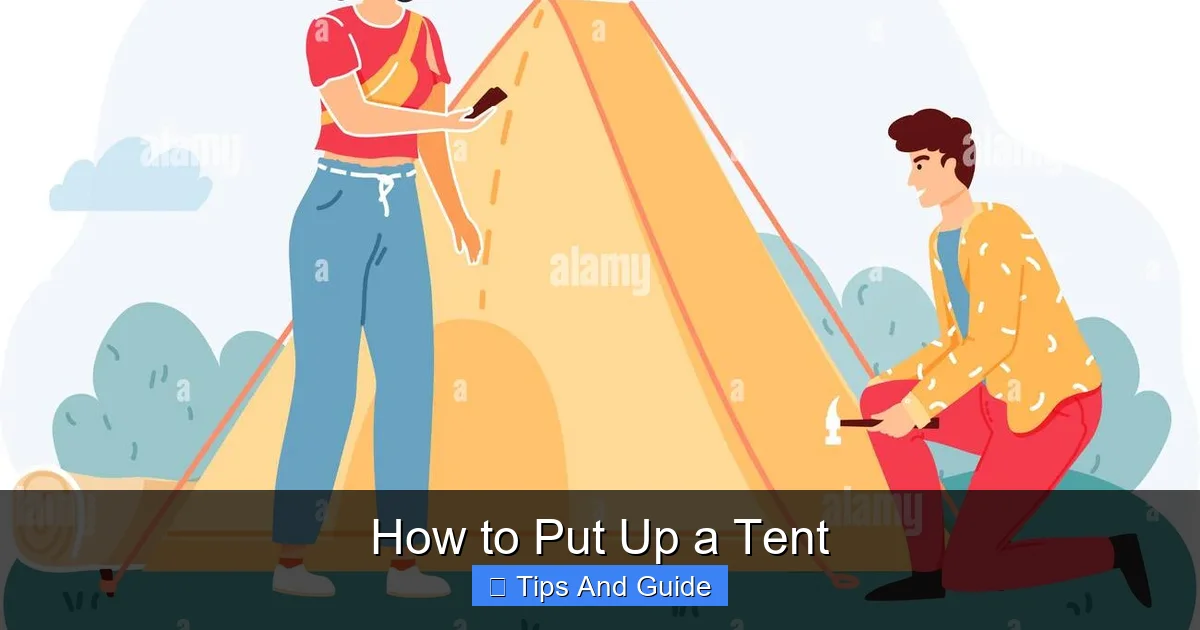
Learn how to put up a tent with our comprehensive guide. We cover everything from choosing the right spot to securing your tent against the elements. Follow our simple, step-by-step instructions and practical tips to ensure a comfortable and secure camping experience. You’ll be an expert in no time!
# How to Put Up a Tent
Welcome, adventurer! The great outdoors beckons, and nothing says “I’m ready for anything” like a sturdy tent pitched just right. Whether you’re a seasoned camper or embarking on your very first trip, knowing how to set up your tent efficiently and securely is a fundamental skill. This guide will walk you through every step, ensuring your temporary home is comfortable, safe, and ready to shelter you from the elements.
We’ll cover everything from selecting the perfect spot to the final securing of your tent. By the end of this guide, you’ll feel confident and prepared to tackle any campsite. Let’s get started on your journey to becoming a tent-pitching pro!
## Before You Start: Preparation is Key
A little planning goes a long way when it comes to setting up your tent. Before you even think about unfolding your tent, take a few moments to prepare.
### Step 1: Unpack and Inventory
Open your tent bag and carefully lay out all the components. This includes:
* The tent body (the main shelter)
* The rainfly (the waterproof outer layer)
* Tent poles (usually aluminum or fiberglass)
* Stakes (for anchoring)
* Guy lines (ropes for extra stability)
* A footprint or ground cloth (optional but recommended)
Make sure you have everything listed in your tent’s instruction manual. If anything is missing or damaged, now is the time to find out.
### Step 2: Read the Instructions
Every tent is a little different. While this guide offers general principles, your specific tent might have unique features or assembly methods. Take a few minutes to read the manufacturer’s instructions. This will save you time and frustration later.
### Step 3: Choose Your Campsite Wisely
This is arguably the most crucial step. A good campsite can make or break your camping experience. Look for:
* Flat Ground: Avoid slopes where you might roll out of your sleeping bag or where water can pool.
* Well-Drained Area: Choose a spot that won’t become a puddle if it rains. Slightly elevated areas are often best.
* Shelter from Wind: Trees or natural windbreaks can offer protection, but avoid setting up directly under dead branches (widowmakers).
* Proximity to Amenities: Consider how close you are to restrooms, water sources, and your car.
* Sun Exposure: In hot weather, some morning shade can be very welcome. In cooler weather, morning sun can help warm your tent.
Clear the area of any sharp rocks, sticks, or pinecones that could puncture your tent floor.
## Setting Up Your Tent: Step-by-Step
Now that you’re prepared, let’s get down to the actual setup.
### Step 1: Lay Down the Footprint (Optional but Recommended)
A footprint or ground cloth is a piece of durable material that goes under your tent. It protects the tent floor from abrasion and punctures and adds an extra layer of waterproofing.
* Spread the footprint out on your chosen spot.
* Make sure it’s positioned so that the edges don’t stick out beyond the tent’s floor. You don’t want rain to run onto the footprint and then under your tent.
### Step 2: Assemble the Tent Body
This is where your tent starts to take shape. Most modern tents use a pole-and-sleeve or pole-and-clip system.
#### H3: Lay Out the Tent
* Unfold the tent body and lay it flat on top of the footprint.
* Identify the door(s) and orient them in the direction you want.
#### H3: Assemble and Insert Poles
* Most tent poles come in sections that snap together. Assemble each pole carefully.
* Many tents have color-coded poles and corresponding sleeves or grommets. Match the colors to make the process easier.
* Gently slide the poles through the designated sleeves on the tent fabric, or connect them to the external clips. Be careful not to snag the fabric.
* If your tent has a “dome” style, you’ll typically have two or more poles that cross over the top.
#### H3: Raise the Tent
* Once the poles are in place, carefully bend them to fit into the grommets or clips at the corners of the tent.
* This will lift the tent walls and create its structure. You might need to enlist a helper for larger tents to hold poles steady as you insert them.
### Step 3: Attach the Rainfly
The rainfly is your tent’s shield against the elements. It’s usually made of waterproof material and drapes over the tent body.
#### H3: Position the Rainfly
* Unfold the rainfly. Identify the front and back – there might be labels or differences in door configurations.
* Drape the rainfly over the tent structure. Align the openings in the rainfly with the tent doors and vents.
#### H3: Secure the Rainfly
* Most rainflies attach to the tent poles or the tent body at the corners.
* Look for buckles, straps, or Velcro tabs. Secure the rainfly to the tent poles or tent corners as per your tent’s design.
* Ensure the rainfly is taut and evenly distributed. This is crucial for proper water runoff and ventilation.
### Step 4: Stake Your Tent
Staking anchors your tent firmly to the ground, preventing it from blowing away in the wind.
#### H3: Drive the Stakes
* Start by staking out the corners of the tent.
* Drive the stakes into the ground at roughly a 45-degree angle, pointing away from the tent. This provides the most secure anchor.
* Use a rock or a mallet to tap them in firmly, but be careful not to bend or break them.
#### H3: Stake Out the Rainfly
* Your rainfly will likely have loops or grommets around its edges.
* Stake these out to keep the rainfly taut and away from the tent body. This creates an air gap that improves ventilation and prevents condensation.
### Step 5: Use Guy Lines for Extra Stability
Guy lines are ropes that attach to loops on the rainfly or tent body and are then staked out away from the tent. They provide crucial stability, especially in windy conditions or heavy rain.
* Identify the guy line loops on your rainfly.
* Attach the guy lines to these loops.
* Extend the guy lines away from the tent at an angle.
* Stake them securely into the ground. Adjust the tension on the guy lines to make them taut. Many guy lines have tensioners to help with this.
Make sure the guy lines are clear of walkways so people don’t trip over them.
### Step 6: Open Vents for Ventilation
Proper ventilation is essential for a comfortable camping experience. It helps prevent condensation from forming inside your tent, which can make you feel damp and cold.
* Most tents have vents built into the rainfly and/or the tent body.
* Open these vents, especially if you’re camping in humid conditions or with multiple people inside.
* Adjust the vents to control airflow without letting in rain.
## Advanced Tips and Tricks
Even with a basic understanding, a few extra tips can elevate your tent-pitching game.
### Tip 1: Practice at Home
The absolute best way to master tent setup is to practice in your backyard before your trip. This allows you to familiarize yourself with your tent without the pressure of setting it up in the dark or bad weather. You’ll also discover any missing parts or issues before you’re miles from civilization.
### Tip 2: Tent Pitching Order
For most tents, the general order is: footprint -> tent body -> poles -> rainfly -> stakes -> guy lines. However, some tents are designed for “fast pitch” where the rainfly can be attached to the poles first, then the tent body is clipped in. Always check your specific tent’s manual.
### Tip 3: Dealing with Wind
Wind can be a tent’s worst enemy. If it’s windy:
* Pitch with the narrow end facing the wind. This presents a smaller profile.
* Use all stakes and guy lines. Don’t skip this step!
* Dig down the stakes. If the ground is soft, try digging a small trench and burying the stake horizontally.
* Use rocks. If stakes won’t hold, place heavy rocks on top of them.
### Tip 4: Setting Up in the Dark
It happens to the best of us. If you arrive at your campsite after dark:
* Bring a headlamp. Essential for visibility.
* Have a well-organized tent bag. Know which end is up and where everything is.
* Keep your tent poles and stakes together. A small mesh bag for these can be very helpful.
* Pre-set your stakes if possible. If you have a little light left, you can tap in the corners.
### Tip 5: Taking Down Your Tent
Taking down your tent is the reverse process, but with a few key points:
* Shake out debris. Before you fold, shake out dirt, leaves, and moisture from the inside.
* Ensure it’s dry. If possible, let your tent air dry completely before packing it away to prevent mildew. If you must pack it wet, unpack and dry it as soon as you get home.
* Fold it neatly. Try to fold it along the same creases each time to keep it tidy and manageable.
* Roll it tightly. Roll the tent body and rainfly together, pushing out as much air as possible before putting it into the stuff sack.
## Troubleshooting Common Issues
Even with the best intentions, you might run into a snag.
### Issue: Tent Poles Won’t Fit Together
* Cause: Dirt or debris in the pole ferrules (the connecting ends).
* Solution: Clean the ends of the poles with a damp cloth. If there’s still resistance, try a bit of graphite lubricant (like from a pencil lead) on the ferrule.
### Issue: Tent Fabric is Sagging
* Cause: Poles aren’t fully seated in the grommets, or the tent isn’t staked out properly.
* Solution: Double-check that all poles are securely in their grommets or clips. Re-stake the tent and tension the guy lines. Ensure the rainfly is pulled taut.
### Issue: Condensation Inside the Tent
* Cause: Poor ventilation, breathing of occupants, and moisture from the ground.
* Solution: Open all vents. Avoid touching the tent walls, as this transfers body heat and moisture. If possible, use a footprint to create a barrier from ground moisture.
### Issue: Stakes Won’t Stay in the Ground
* Cause: Soft or sandy soil.
* Solution: Use longer or wider stakes designed for soft ground. Bury stakes horizontally in the soil or use rocks to secure them.
## Conclusion
Putting up a tent might seem daunting at first, but with a little practice and by following these steps, you’ll find it becomes second nature. A well-pitched tent is more than just shelter; it’s your basecamp, your sanctuary, and the start of countless outdoor memories. Remember to choose your location wisely, organize your gear, and take your time. Soon, you’ll be setting up your tent with confidence, ready to enjoy all the wonders of nature. Happy camping!
Key Takeaways
- Choose Your Campsite Wisely: Select a flat, well-drained area away from hazards like dead trees or water runoff.
- Organize Your Gear: Lay out all tent components, poles, stakes, and the rainfly before you begin assembly.
- Lay the Groundcloth: Protect your tent floor and add an extra layer of waterproofing by positioning a footprint or tarp first.
- Assemble the Tent Body: Connect poles, insert them into grommets or sleeves, and raise the tent structure.
- Attach the Rainfly: Drape the rainfly over the tent, aligning it correctly, and secure it to the poles and tent body.
- Stake and Guy Line It: Use stakes to anchor the tent and guy lines to provide stability, especially in windy conditions.
- Ventilation is Key: Open vents in the rainfly and tent body to prevent condensation buildup.
