
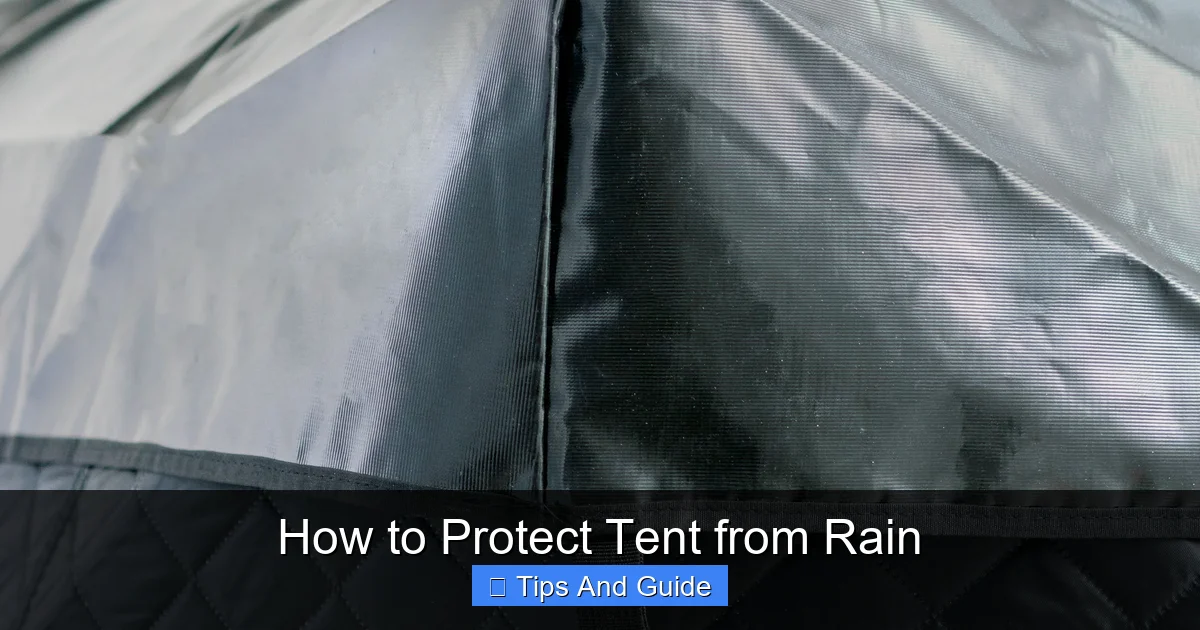
Don’t let unexpected rain ruin your camping adventure! This comprehensive guide provides essential strategies to keep your tent dry and comfortable. Learn how to prepare your campsite, properly set up your tent, and utilize waterproof accessories for optimal rain protection. With these tips, you can enjoy the outdoors no matter the weather and ensure your gear stays protected.
How to Protect Tent from Rain
Camping is an incredible way to connect with nature, but the weather can be unpredictable. One of the most common concerns for campers is rain. A wet tent can quickly turn a fun trip into a miserable experience. Fortunately, with a little preparation and the right techniques, you can keep your tent dry and cozy, even during a downpour. This guide will walk you through everything you need to know to protect your tent from rain, from choosing the right gear to setting up your campsite like a pro.
Key Takeaways
- Choose the Right Tent: Start with a tent designed for the conditions, looking for high waterproof ratings and sturdy construction.
- Site Selection is Crucial: Avoid low-lying areas prone to flooding and choose a spot with good drainage.
- Proper Tent Setup Matters: Ensure your tent is pitched tautly, with no sagging, to prevent water pooling.
- Utilize the Rainfly Effectively: Properly stake out the rainfly to create adequate ventilation and prevent condensation.
- Waterproof Your Tent: Apply a seam sealer to all seams and consider a waterproofing spray for the fabric.
- Ground Protection is Key: Use a footprint or tarp underneath your tent to shield the floor from moisture and abrasion.
- Manage Ventilation: Proper airflow is essential to minimize condensation, even in rainy weather.
Understanding the Basics of Tent Waterproofing
Before we dive into specific steps, it’s important to understand how tents work to keep you dry. Most tents are designed with two main components for water protection: the tent body and the rainfly. The tent body is usually made of breathable fabric to allow for ventilation. The rainfly, made of waterproof or water-resistant material, is draped over the tent to provide the primary barrier against rain. The seams and zippers are often the weakest points for water intrusion, which is why seam sealing is so important.
Step 1: Choosing the Right Tent
Visual guide about How to Protect Tent from Rain
Image source: vispronetprod-18d8a.kxcdn.com
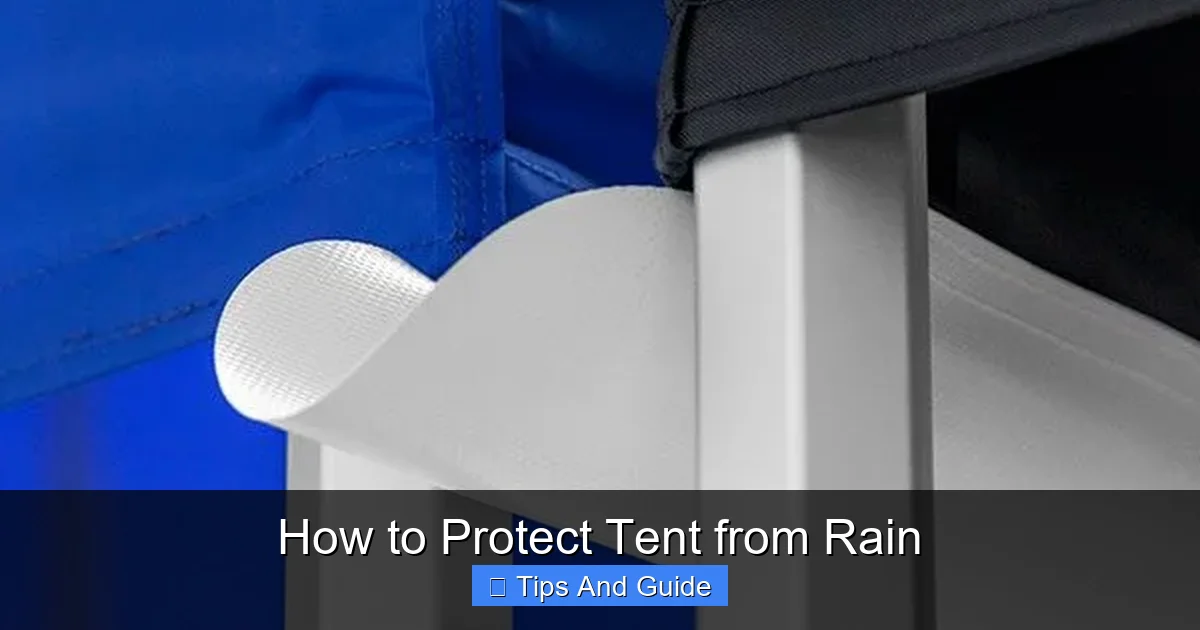
The first and most crucial step in protecting your tent from rain is selecting the right tent. Not all tents are created equal when it comes to handling wet weather.
Waterproof Ratings and Materials
Look for tents with high waterproof ratings, often expressed in millimeters (mm) for the fabric and for seam tape. A higher number indicates better waterproofing. For the rainfly and floor, aim for at least 1500mm, with 3000mm or higher being ideal for heavy rain. The fabric itself should be made of materials like polyester or nylon, often coated with polyurethane (PU) or silicone. Many excellent options exist, including some of the best pop-up tents that are waterproof.
Tent Construction
Consider the tent’s design. Tents with a full-coverage rainfly that extends close to the ground offer superior protection. Freestanding tents can be easier to set up in wet conditions, as they don’t require staking to maintain their shape, although good staking is always recommended. For families or longer trips, a sturdy cabin tent for rain can provide ample space and robust protection.
Step 2: Selecting the Perfect Campsite
Visual guide about How to Protect Tent from Rain
Image source: m.media-amazon.com
Even the most waterproof tent can struggle if pitched in the wrong spot. Careful site selection is paramount for preventing water damage.
Avoid Low-Lying Areas
Never pitch your tent in a depression or valley where water is likely to collect. During rain, these areas can quickly become puddles or even streams. Look for slightly elevated ground that will allow water to run away from your tent.
Consider Natural Drainage
Observe the natural contours of the land. If there are signs of water runoff, like dry streambeds or channels, avoid pitching your tent directly in their path. Aim for a spot where water can naturally flow away from your campsite.
Utilize Natural Shelters Wisely
Trees can offer some protection from light rain and wind, but avoid pitching your tent directly under dead branches or trees that look unstable, as these can become hazards in strong winds and heavy rain. Also, be aware that trees can drip for a long time after the rain stops.
Step 3: Proper Tent Setup for Rain
Visual guide about How to Protect Tent from Rain
Image source: i.ytimg.com
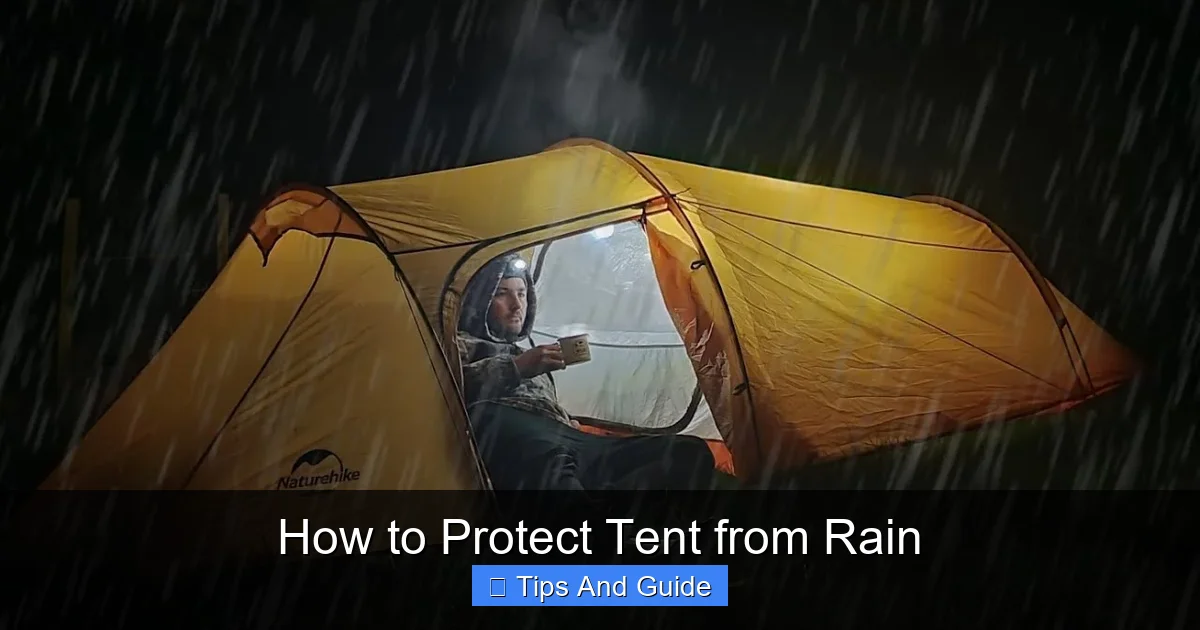
Once you’ve chosen your spot, setting up your tent correctly is key to its performance in the rain.
Pitch Tautly
A loose or sagging tent is an invitation for water to pool and eventually leak through. Ensure all poles are correctly inserted and that guy lines are tensioned properly. This creates a steep angle for water to run off quickly.
Stake Down Securely
Use all available stake loops and guy lines. In wet or windy conditions, the ground might be softer, making it harder for stakes to hold. Consider using longer or wider stakes, or driving them at an angle, to improve their grip. If the ground is very soft, you might need to improvise with rocks or other heavy objects to secure your stakes.
Orient Your Tent Correctly
If possible, face the entrance of your tent away from the prevailing wind direction. This will help prevent rain from being blown directly into the tent when you open the door.
Step 4: Mastering the Rainfly
The rainfly is your tent’s primary defense against the elements, and using it correctly makes a huge difference.
Ensure Full Coverage
The rainfly should cover the entire tent body, leaving no gaps. Make sure it’s oriented correctly and that the seams are aligned with the tent’s structure.
Proper Ventilation
Most rainflies have vents. These are crucial for allowing moist air from your breath and body to escape, preventing condensation buildup inside the tent. Open these vents as much as the weather allows, even in the rain. Some rainflies have adjustable vents that can be opened partially to allow airflow while still providing protection.
Keep the Rainfly Off the Tent Body
The rainfly should not be touching the inner tent body. The air gap between the two layers is essential for proper ventilation and to prevent water from wicking through. If the rainfly is sagging and touching the tent, readjust your guy lines and poles.
Step 5: Ground Protection
The bottom of your tent is constantly in contact with the ground, and protecting it from moisture is vital.
Use a Footprint or Ground Tarp
A footprint is a custom-fit tarp designed to go under your tent. It protects the tent floor from abrasion, punctures, and moisture. If you don’t have a footprint, a sturdy tarp of the same size or slightly smaller than your tent floor will work.
Position the Tarp Correctly
Crucially, ensure the tarp does not extend beyond the edges of your tent floor. If it does, it will act like a funnel, collecting rainwater and directing it under your tent. The tarp should be entirely covered by the tent.
Step 6: Waterproofing and Seam Sealing
Even a new tent can benefit from additional waterproofing measures, especially if it’s been used before.
Seam Sealer
The seams where the fabric panels of your tent are sewn are often the most vulnerable points. Over time, factory-applied seam tape can degrade. Purchase a good quality seam sealer and apply it generously to all seams on the rainfly and tent floor. Let it dry completely according to the product instructions. This is a simple yet highly effective way to protect your tent from rain.
Waterproofing Sprays
For older tents or to add an extra layer of protection, consider using a waterproofing spray on the tent fabric and rainfly. These sprays can restore or enhance the DWR (durable water repellent) coating, helping water bead up and roll off. Make sure the tent is clean and dry before application. You can find effective sprays for various types of camping gear.
Step 7: Managing Condensation
Condensation is a common problem in tents, especially in humid or rainy conditions. It occurs when warm, moist air inside the tent meets the cooler fabric.
Ventilation is Key
As mentioned, always use your tent’s vents. Opening windows or doors slightly, even if it’s raining, can significantly improve airflow.
Avoid Touching Tent Walls
Try not to let your gear or sleeping bag touch the inside walls of the tent, as this can create a bridge for moisture to transfer from the inside fabric to your belongings.
Wipe Down Excess Moisture
Keep a small towel or sponge handy to wipe down any condensation that forms on the inside of the tent walls.
Step 8: Drying Your Tent After Use
Proper care after a rainy camping trip is essential for the longevity of your tent.
Dry Thoroughly Before Storing
This is non-negotiable. Never pack away a damp tent. Set it up in your backyard, garage, or even spread it out on a clean, dry surface. Ensure all parts, including the tent body, rainfly, poles, and stakes, are completely dry before folding and storing.
Inspect for Damage
While drying, take the opportunity to inspect your tent for any rips, tears, or damaged seams. Address any issues promptly.
Troubleshooting Common Rain Issues
* **Small Leaks:** If you discover a small leak, it’s usually a seam issue. Reapply seam sealer to that specific area.
* **Water Pooling on Rainfly:** This indicates the rainfly isn’t taut enough. Re-tension the guy lines or adjust the pole structure.
* **Water Entering Through Zipper:** Ensure the zipper pull is covered by the storm flap and that the zipper teeth are clean. If it persists, a waterproof zipper treatment might be needed.
* **Groundwater Seeping In:** This means your tent is likely in a poorly drained area, or the tent floor may be compromised. Elevate your campsite or consider a more waterproof tent with a higher bathtub floor. For added comfort and to keep your camping mattress for tent dry, using a robust sleeping pad or cot is also recommended.
Essential Accessories for Rainy Camping
Beyond the tent itself, a few accessories can significantly enhance your comfort and protection during wet weather:
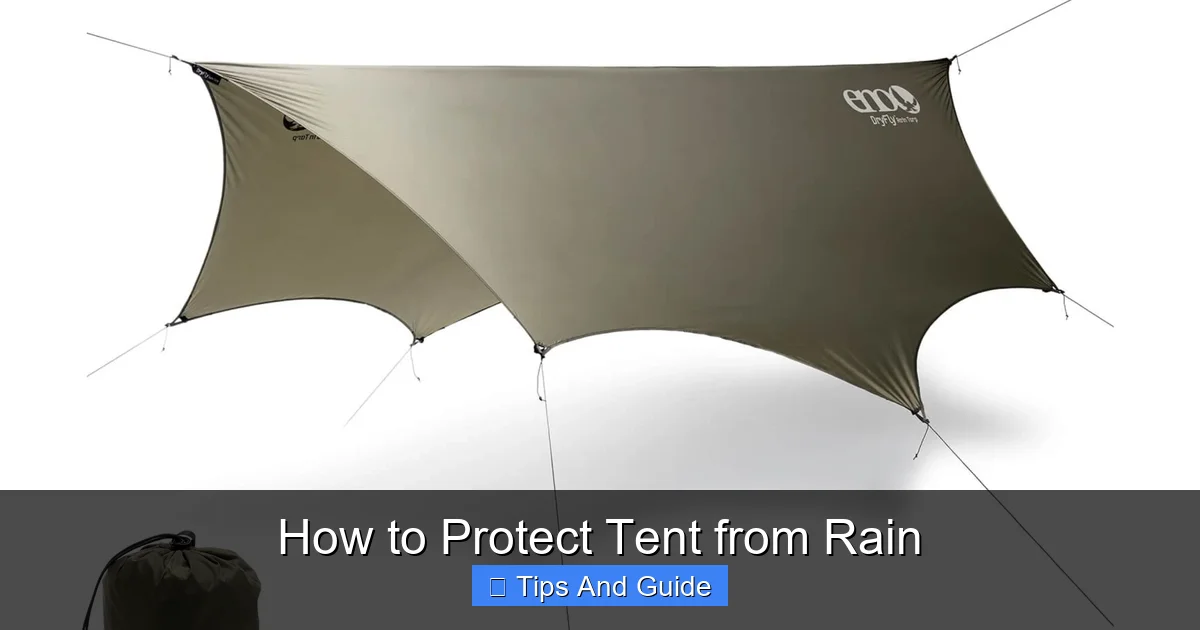
* **Tarps:** A large tarp can be set up as an awning over your tent entrance or as a separate communal area for cooking and gathering.
* **Waterproof Bags:** Use dry bags for electronics, extra clothing, and sleeping bags to ensure they remain dry inside your tent.
* **Ground Cloths:** Besides under the tent, small waterproof mats can be placed outside tent doors to wipe muddy boots.
* **Ventilation Fans:** Small battery-operated fans can help with air circulation inside the tent, reducing condensation. Check out options for the best camping fan for tent.
Conclusion
Protecting your tent from rain is a multi-faceted approach, involving careful planning, proper equipment selection, meticulous setup, and diligent maintenance. By following these steps, you can significantly improve your tent’s performance in wet conditions, ensuring a dry, comfortable, and enjoyable camping experience. Don’t let the forecast deter you from your next outdoor adventure. With the right knowledge and preparation, you can embrace the rain and still have a fantastic time under the stars, or at least under a well-protected roof!
