
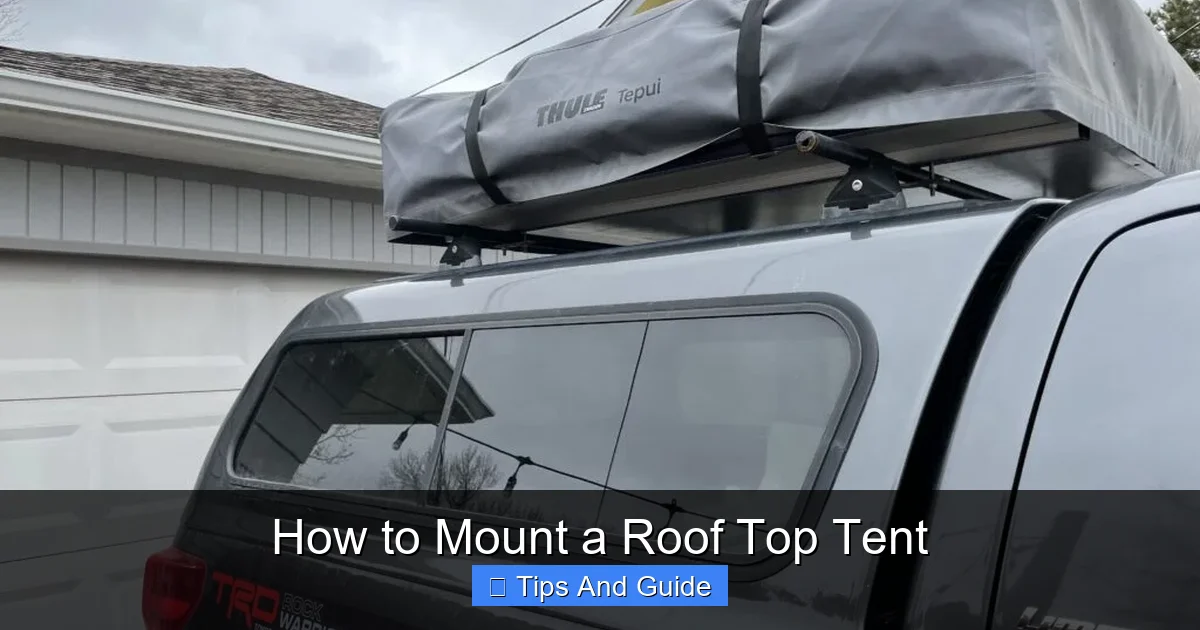
Mounting a rooftop tent transforms your vehicle into a mobile campsite. This guide provides clear, step-by-step instructions to ensure a safe and secure installation. You’ll learn about choosing the right rack system, preparing your vehicle, and the actual mounting process, empowering you to hit the road with confidence.
Getting a rooftop tent is an exciting step towards more spontaneous and comfortable adventures. It means you can quickly set up camp wherever you park, turning your trusty vehicle into a cozy mobile abode. But before you can start enjoying starry nights and early morning sunrises from above, you need to mount it securely. This guide will walk you through the entire process, from understanding what you need to getting your tent firmly attached and ready for adventure.
Mounting a rooftop tent might seem daunting, especially if you’re not used to working with large gear on your vehicle. However, with the right preparation and by following these steps carefully, you can achieve a safe and reliable installation. We’ll cover everything from selecting the appropriate roof rack system to the final checks after your tent is in place.
Key Takeaways
- Proper Roof Rack Selection is Crucial: Your roof rack must be rated for the weight of the tent and your intended use, and compatible with your vehicle and the tent’s mounting system.
- Vehicle Preparation is Key: Ensure your vehicle’s roof is clean and free of debris before you begin.
- Two-Person Job Recommended: Lifting and positioning a rooftop tent is heavy and awkward; having a second person makes the process much safer and easier.
- Follow Manufacturer Instructions: Always refer to the specific mounting instructions provided by both your tent and roof rack manufacturers.
- Secure Fastening is Paramount: Double-check all bolts and mounting hardware to ensure they are tightened to specification and secure.
- Test Drive Carefully: After mounting, perform a slow, short test drive and listen for any unusual noises, then re-check the mountings.
Understanding Your Rooftop Tent and Vehicle
Before you even think about lifting the tent, take some time to understand the components involved and your vehicle’s capabilities. This initial assessment is critical for a smooth and safe mounting process.
Assess Your Vehicle’s Roof Load Capacity
Every vehicle has a specified roof load capacity. This is the maximum weight your roof can safely support when the vehicle is stationary and when it’s in motion. Rooftop tents can be heavy, often weighing between 100 and 200 pounds, plus the weight of occupants and any gear you might store inside. Consult your vehicle’s owner’s manual for this information. Never exceed this limit.
Evaluate Your Existing Roof Rack System (or lack thereof)
Most rooftop tents require a robust roof rack system to attach to. Some vehicles come with factory-installed crossbars, while others may need a completely new system.
- Factory Crossbars: These are often not strong enough for a rooftop tent. Check their weight rating.
- Aftermarket Roof Racks: These are usually a better option. They can be a “bare roof” system, a rain gutter mount, or a specific fit system for your vehicle model.
- Platform Racks: These are generally the most robust and offer the widest surface area for mounting.
You need a system that can handle the weight of the tent itself, plus the dynamic weight of people inside when the vehicle is in motion.
Understand Your Tent’s Mounting System
Rooftop tents typically mount to the roof rack’s crossbars using special brackets and bolts. These brackets usually slide into the T-slots of aluminum crossbars or clamp around round or square bars. Refer to your tent’s manual to see exactly how it’s designed to attach.
Gathering Your Tools and Materials
Visual guide about How to Mount a Roof Top Tent
Image source: rusticaly.com
Having the right tools on hand will make the installation process much smoother and safer.
Essential Tools
- A socket wrench set
- An adjustable wrench
- A level (optional, but helpful for ensuring the tent is even)
- A measuring tape
- A drill with appropriate bits (if drilling is required for your rack, which is uncommon for standard mounts)
- Safety glasses
- Work gloves
- A sturdy ladder or step stool (to reach the roof safely)
Mounting Hardware
Your rooftop tent will come with specific mounting hardware. Ensure you have all the pieces listed in the manual. If you are using an aftermarket rack, it might also come with its own mounting hardware for attaching the tent to its rails.
Preparing Your Vehicle and Workspace
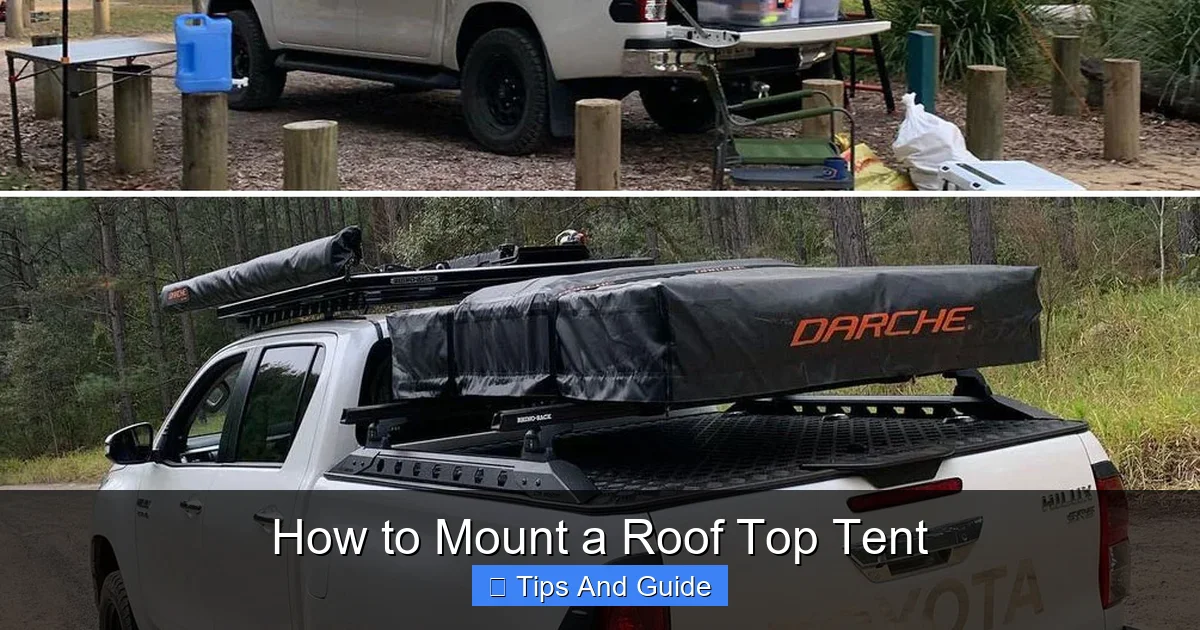
Visual guide about How to Mount a Roof Top Tent
Image source: utemaster.com.au
A clean vehicle and a clear workspace are essential for a safe and efficient installation.
Clean Your Vehicle’s Roof
Before you begin, thoroughly wash and dry your vehicle’s roof. Remove any dirt, dust, sap, or debris that could scratch your paint or interfere with the mounting hardware. Pay special attention to the areas where the roof rack and tent will make contact.
Clear the Area
Ensure you have plenty of space around your vehicle to maneuver the tent. If possible, park on a flat, level surface. You’ll need room to walk around the vehicle, use ladders, and position the tent without obstructions.
Step-by-Step Mounting Process
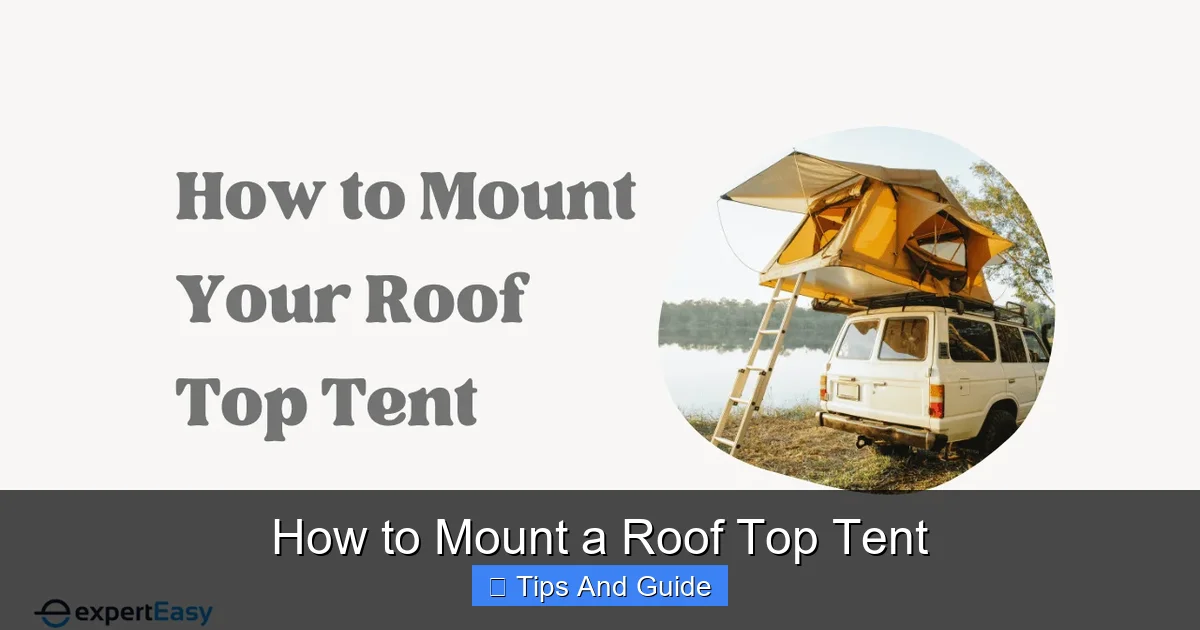
Visual guide about How to Mount a Roof Top Tent
Image source: experteasy.com.au
This is where the actual work begins. Remember, this is often a two-person job due to the weight and bulk of rooftop tents.
Step 1: Install or Verify Your Roof Rack System
If you don’t have a roof rack already, you’ll need to install one that is compatible with your vehicle and capable of supporting the weight of your tent. If you have an existing rack, double-check that it’s securely attached to your vehicle and that all its components are in good working order. Ensure the crossbars are spaced appropriately for your tent’s mounting points. This is a crucial step, especially if you’re looking for a reliable setup that can handle off-road conditions. For many, selecting a sturdy platform rack is the best first step.
Step 2: Position the Tent on the Roof Rack
This is the most physically demanding part.
With a Helper
- Carefully lift the tent onto the roof of your vehicle.
- Position it roughly where it needs to go, making sure it’s centered and aligned with your crossbars.
- You might need to angle it to get it over the vehicle’s doors.
- Once it’s on the roof, you can slide it into its final position.
If You’re Working Alone (Not Recommended but Possible)
Some tents have channels on the bottom that allow them to slide. You might be able to carefully slide it from the rear of the vehicle forward, or vice versa, onto the rack. This requires extreme caution and is best attempted only if the tent is relatively light and you have good control.
Step 3: Align the Tent’s Mounting Points with the Crossbars
Once the tent is on the roof, you’ll need to align the tent’s mounting brackets with the crossbars of your roof rack. Your tent’s manual will show you where these mounting points are. They usually run along the bottom of the tent.
Step 4: Install the Mounting Brackets
This is where the tent’s specific hardware comes into play.
Insert the Brackets
Slide the mounting brackets into their designated slots on the bottom of the tent or onto the tent’s rails.
Position Brackets on Crossbars
Align the brackets with your vehicle’s roof rack crossbars. The brackets will typically straddle the crossbars.
Step 5: Secure the Tent with Bolts and Hardware
This is the critical step for ensuring a safe installation.
Attach Bolts
Insert the provided bolts through the mounting brackets and into the corresponding nuts or T-nuts. These will go around or through your roof rack crossbars.
Tighten Them Gradually
Start by hand-tightening all the bolts. Once they are all in place, begin to tighten them with your wrench. It’s important to tighten them evenly, alternating between bolts. This helps to ensure the tent is seated properly and prevents stress on one side.
Follow Manufacturer Torque Specs
Your tent and rack manuals will often specify torque settings for the bolts. If they do, use a torque wrench to ensure you tighten them to the correct specification. Over-tightening can damage the hardware or your rack, while under-tightening can lead to a dangerous loose mount.
Step 6: Check for Fit and Alignment
Once all bolts are tightened, visually inspect the tent’s position. Is it centered on the vehicle? Is it straight? Ensure there are no gaps between the tent and the rack where there shouldn’t be.
Final Checks and Test Drive
You’re almost there! These final steps are crucial for safety.
Step 7: Double-Check All Fasteners
Go around and re-tighten every single bolt and nut. Make sure they are snug and secure. Wiggle the tent slightly to check for any movement. If you feel any looseness, tighten the corresponding fasteners further.
Step 8: Test Drive Carefully
This is a vital safety step.
Short, Slow Trip
Drive a short distance at a low speed (e.g., around your neighborhood or in a large parking lot). Listen for any unusual noises like rattling or flapping.
Check Mountings Again
After your short test drive, pull over in a safe location and check all the mounting hardware again. Vibration can sometimes loosen bolts slightly.
Step 9: Periodic Checks
It’s a good practice to check your tent’s mounting hardware periodically, especially after driving on rough terrain or after a long trip. Vibration and stress can cause bolts to loosen over time.
Tips for a Successful Mount
Here are some extra tips to make your rooftop tent mounting experience as smooth as possible.
- Read Both Manuals: Always read the installation manual for your rooftop tent AND your roof rack system. They often contain specific instructions tailored to your gear.
- Use Quality Roof Racks: Investing in a high-quality roof rack system designed for heavier loads is paramount. If you’re looking for options, exploring the best budget roof top tent might lead you to brands that also offer compatible rack solutions.
- Consider a Platform Rack: For maximum strength and mounting versatility, a platform rack is often the best choice for a rooftop tent.
- Watch Installation Videos: Many manufacturers provide video tutorials on their websites or YouTube channels. Watching someone else install a similar tent can be incredibly helpful.
- Be Patient: Don’t rush the process. Take your time, especially when tightening bolts and performing checks.
- Weight Distribution: Ensure the tent is balanced on the roof rack. If it’s significantly heavier on one side, it can affect your vehicle’s handling.
- Consider Future Removals: Think about how you will remove the tent. Some people opt to leave their tent mounted year-round, while others remove it seasonally. Ensure you can access all bolts for removal.
Troubleshooting Common Issues
Even with careful planning, you might encounter a minor hiccup.
Tent Not Sitting Flat
This can happen if the crossbars aren’t perfectly level or if the tent isn’t seated evenly. Try loosening the bolts slightly and readjusting the tent’s position before re-tightening. Ensure your vehicle is on a level surface during installation.
Difficulty Aligning Brackets
Sometimes, slight variations in crossbar width or placement can make bracket alignment tricky. You might need to adjust the position of the crossbars if your rack system allows it. If the tent itself has adjustable mounting channels, utilize those.
Bolts Not Tightening Properly
Check that you are using the correct bolts and that the nuts or T-nuts are properly seated. Ensure there isn’t any debris in the threads.
Conclusion
Mounting a rooftop tent is a rewarding DIY project that opens up a world of adventure. By following these detailed steps, prioritizing safety, and paying close attention to your equipment’s specific instructions, you can confidently install your rooftop tent. Remember, a secure mount is essential for both your safety and the longevity of your tent. Now that your tent is mounted, you’re ready to explore new horizons! For those curious about specific types of tents, researching the best pop up roof top tent can give you an idea of different designs and their mounting considerations.
