
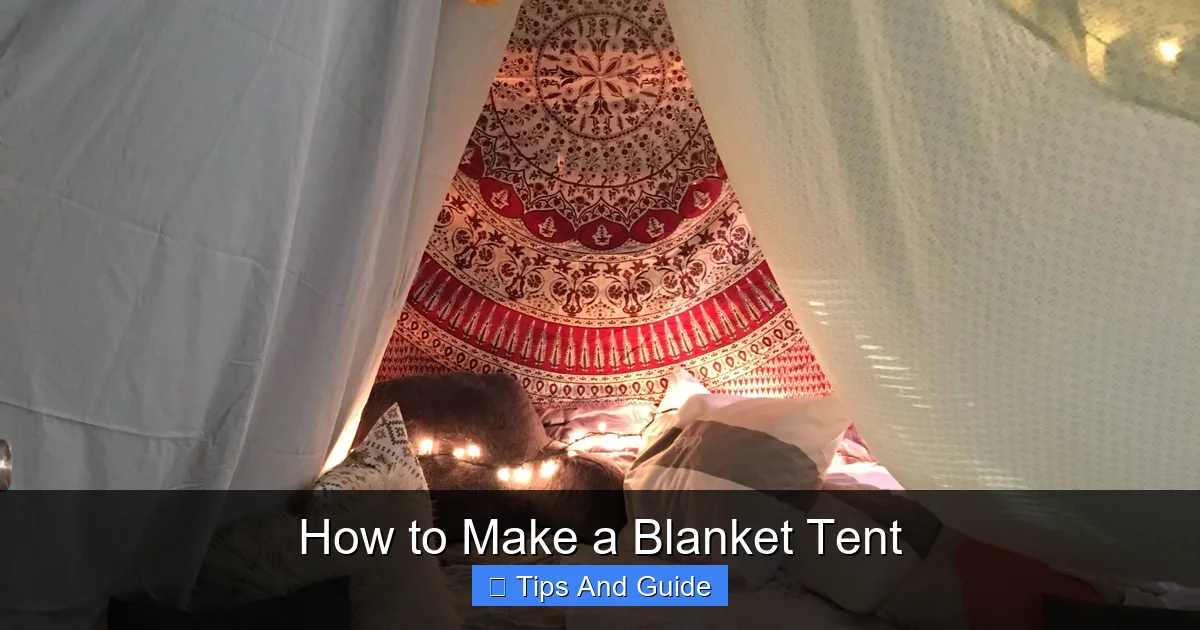
Transform ordinary blankets and furniture into an extraordinary indoor fort with our simple how-to guide. Learn to create a magical blanket tent that provides a cozy, private space for play, relaxation, or even a unique movie night. With just a few household items, you can build a memorable adventure right in your living room!
Ready for some indoor adventure? Building a blanket tent is a timeless activity that sparks imagination and creates a cozy haven for kids and adults alike. Forget complicated instructions or expensive kits; with just a few common household items, you can construct a magical hideaway perfect for reading, playing, or simply escaping. This comprehensive guide will walk you through every step of making your very own blanket tent, from choosing your materials to adding those special finishing touches. Get ready to unleash your inner architect and create a space that’s uniquely yours!
## Why Build a Blanket Tent?
A blanket tent is more than just a pile of blankets; it’s an experience. It’s a blank canvas for creativity, a cozy sanctuary, and a gateway to endless imaginative play. Whether you’re looking for a fun rainy-day activity, a special place for a sleepover, or a quiet corner to curl up with a good book, a blanket tent delivers. It fosters a sense of independence and provides a sense of security, making it a beloved childhood memory for many. Plus, it’s an incredibly budget-friendly way to create a special space in your home.
## Gathering Your Supplies
The beauty of a blanket tent lies in its simplicity. You probably have most of what you need already! Here’s a breakdown of the essential and optional items:
### Essential Materials:
* Blankets and Sheets: This is your primary building material. Lighter sheets are great for roofing as they’re easier to drape and less likely to pull down your structure. Heavier blankets can serve as walls for extra coziness and darkness. Mix and match for different textures and opacities.
* Support Structures: These are the bones of your tent. Think furniture like chairs, sofas, tables, or even sturdy ottomans. You can also use broomsticks, mops, or tall lamps to create vertical supports.
* Fasteners: You’ll need a way to hold your blankets in place.
* Clothespins: These are fantastic for clipping blankets to furniture edges or to each other.
* Binder Clips: Stronger than clothespins, good for heavier fabrics or when more tension is needed.
* Safety Pins: Use these with caution, especially with children, but they can be very effective for securely attaching fabric.
* Heavy Books or Weights: Useful for holding down the edges of blankets that go to the floor.
* Pillows and Cushions: For comfort inside your tent! These make the space inviting and soft.
### Optional (But Highly Recommended!) Extras:
* Fairy Lights or Battery-Operated Lanterns: To create a magical, glowing atmosphere inside. Make sure they are cool to the touch and battery-operated for safety.
* Sleeping Bags or Extra Blankets: For ultimate coziness on the floor.
* Books, Toys, and Snacks: To make your tent a fully functional hideaway.
* A Small Fan: If your tent is particularly large or enclosed, a small battery-operated fan can help with air circulation. We’ve found some great options for keeping spaces comfortable when exploring similar setups, like in a large tent.
* A Mat or Rug: To make the floor more comfortable. A camping mat can be a great durable option.
## Step-by-Step Guide to Building Your Blanket Tent
Now, let’s get building! The process is flexible and encourages creativity.
### Step 1: Choose Your Location
Find a good spot in your house. A corner of a room often works well as it provides two built-in walls. Ensure there’s enough space to build and that the area is safe. Avoid placing your tent near heaters, open flames, or electrical outlets.
### Step 2: Set Up Your Support Structure
This is where the furniture comes in.
#### H3: Arrange Your Furniture
* Chairs: Position chairs back-to-back, facing outwards, or around a central point. The backs of the chairs will form the main supports.
* Sofa and Chairs: Use a sofa as one side and arrange chairs around it.
* Table: A dining table or coffee table can be an excellent base. Drape blankets over the tabletop and let them hang down the sides.
#### H3: Add Vertical Supports (If Needed)
If your furniture doesn’t provide enough height or coverage, you might need extra supports.
* Broomsticks or Mops: Lean these against the furniture or secure them with tape to create poles.
* Tall Lamps: Position a sturdy floor lamp so its shade can help hold up a blanket. Ensure the lamp is stable and won’t tip over.
### Step 3: Drape Your Main “Roof” Blanket
Start with a large, lightweight blanket or sheet. Drape it over your tallest support structures, allowing it to create the main ceiling of your tent.
#### H3: Secure the Roof
* Use clothespins or binder clips to attach the blanket to the tops of chairs or the edge of a table.
* If the blanket is too big and sagging, you might need to add a central support. A broomstick held upright or even a strategically placed tall stuffed animal can help.
### Step 4: Add the Walls
Now, layer more blankets and sheets to create the walls of your tent.
#### H3: Drape and Secure Walls
* Drape blankets from the “roof” blanket down to the floor.
* Overlap blankets to prevent gaps and drafts.
* Use clothespins, binder clips, or safety pins to attach the wall blankets to the roof blanket and to the furniture supports.
* If a blanket reaches the floor, weigh down the bottom edge with heavy books to keep it in place and prevent it from billowing inwards.
#### H3: Create an Entrance
Decide where you want your entrance to be. You can:
* Leave a gap between two wall blankets.
* Drape a blanket loosely so it can be pushed aside like a curtain.
* Secure two blankets together at the top but leave the sides open to create a flap.
### Step 5: Reinforce and Stabilize
Walk around your tent and check for any wobbly parts.
#### H3: Tighten Fasteners
* Add more clips or pins where needed.
* Gently tug on blankets to ensure they are taut but not so tight that they pull down your supports.
#### H3: Cover Gaps
* Use smaller blankets or towels to fill any visible gaps or holes. This will make your tent darker and cozier.
### Step 6: Furnish the Interior
This is where you make your blanket tent truly comfortable and magical.
#### H3: Add Softness
* Throw in all your pillows and cushions. Arrange them to create a comfortable seating or sleeping area.
* Lay down a soft rug or extra blankets on the floor. A camping mattress can elevate the comfort level significantly, making it feel like a true getaway.
#### H3: Set the Mood
* String fairy lights around the inside edges of the tent. Battery-operated ones are safest.
* Place battery-operated lanterns inside for gentle illumination. Ensure they don’t get too hot.
* Bring in books, stuffed animals, drawing supplies, or anything else that will make your hideaway special.
## Creative Blanket Tent Ideas
Don’t be afraid to experiment! Here are some ideas to inspire your blanket tent construction:
* The Castle Tent: Use tall chairs and drape fabrics to create turrets. Add flags made from paper or felt.
* The Cave Tent: Aim for a darker, more enclosed feel. Use darker blankets and ensure all gaps are sealed.
* The Tunnel Tent: Connect two furniture setups with a long draped fabric, creating a crawling tunnel.
* The Multi-Room Tent: Use different levels of furniture to create distinct “rooms” within one large tent structure.
* The Drive-In Movie Tent: Set up a laptop or tablet inside and create a cozy viewing area. Don’t forget the popcorn!
## Troubleshooting Common Blanket Tent Problems
Even the best blanket tents can encounter a few snags. Here’s how to fix common issues:
### Problem: Sagging Roof
Solution: Add more supports. Try placing a broomstick or even a sturdy stuffed animal directly under the sagging area. Ensure the blankets are pulled taut and secured well to the main supports.
### Problem: Unstable Walls
Solution: Reinforce your fasteners. Use stronger clips, more of them, or secure them to multiple points. If walls are consistently falling, try anchoring the bottom edges more firmly with heavy books or weights.
### Problem: Drafty Corners or Gaps
Solution: Patch it up! Use smaller blankets, towels, or even large scarves to stuff into gaps. Overlap your wall fabrics more significantly to prevent light and air from sneaking in.
### Problem: Tent Collapsing
Solution: Re-evaluate your supports. Are they sturdy enough? Are they positioned correctly? You might need to use heavier furniture or add more bracing. Ensure blankets aren’t pulling too much weight on any single support. For example, when considering actual tents, stability against wind is crucial, and we’ve looked at how some pop-up tents perform in those conditions.
### Problem: Too Dark or Too Bright
Solution: Adjust your fabric choices. For a darker tent, use thicker, darker blankets for walls and roof. For a brighter, more airy feel, opt for lighter sheets and allow for more light to filter through. You can even create “windows” by leaving small sections open or using sheer fabrics.
## Safety First!
While building a blanket tent is fun, safety should always be a priority.
* Ventilation: Ensure there is enough airflow. Avoid completely sealing the tent, especially if multiple people are inside. Leave a small gap or ensure your entrance is easily accessible.
* Heat Sources: Keep your tent far away from radiators, fireplaces, heaters, and any open flames.
* Electrical Safety: Only use battery-operated lights and devices. Avoid running extension cords into the tent.
* Stability: Make sure your furniture supports are stable and won’t tip over, especially if children are playing inside.
* Sharp Objects: If using safety pins, ensure they are securely fastened and out of reach of small children.
## Conclusion
Building a blanket tent is a delightful way to foster creativity, enjoy quality time, and create lasting memories. It’s an accessible, adaptable, and incredibly rewarding project that transforms everyday items into a magical personal space. Whether you’re building one for a child’s birthday party, a cozy movie night, or just a quiet afternoon escape, the process is as fun as the end result. So gather your blankets, arrange your furniture, and let your imagination run wild. Your perfect blanket tent adventure awaits!
Key Takeaways
- Blanket tents are versatile: They can be used for imaginative play, reading nooks, sleepovers, or simply a quiet retreat.
- Simple materials are key: You’ll primarily need blankets, sheets, pillows, and furniture or sturdy props for support.
- Structure is important: Chairs, sofas, tables, and even tall lamps can serve as the framework for your tent.
- Securing your tent: Use clothespins, binder clips, heavy books, or safety pins to keep blankets in place and create a stable structure.
- Add comfort and ambiance: Incorporate pillows, cushions, fairy lights, and favorite toys to make your blanket tent extra inviting.
- Troubleshooting common issues: Learn how to fix sagging fabric, unstable supports, and drafty corners for a perfect tent.
- Safety first: Ensure good ventilation and avoid placing the tent near heat sources or electrical outlets.
