
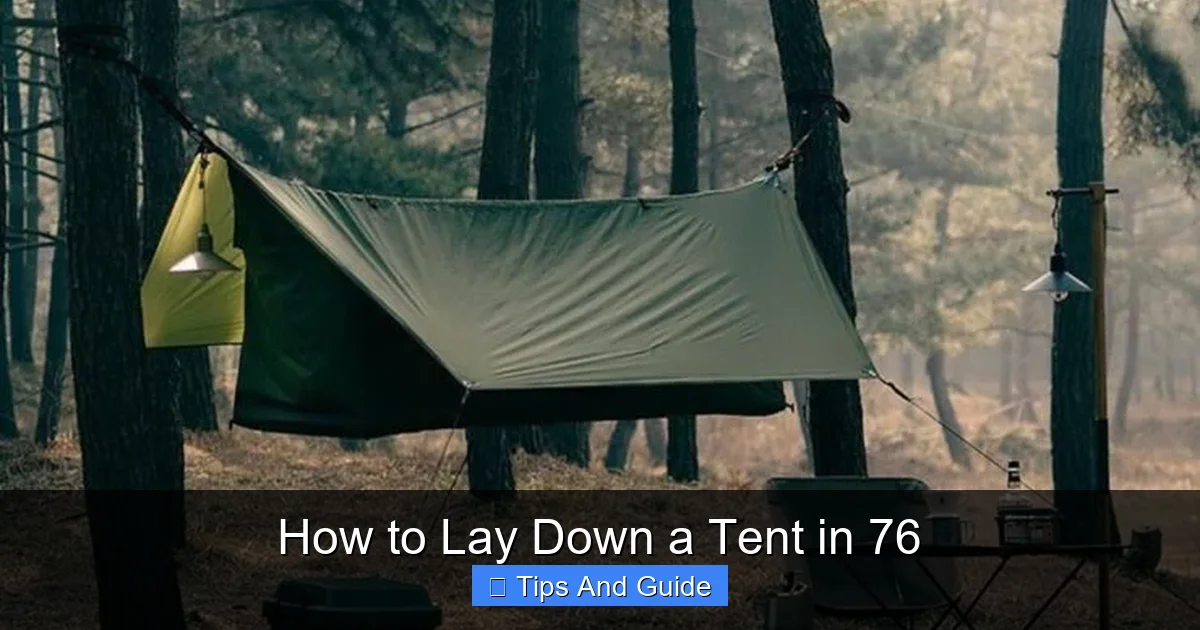
Learn how to lay down a tent with our easy-to-follow guide. We cover everything from site selection to securing your shelter. Mastering tent setup means a more comfortable and enjoyable outdoor experience. Follow these steps for a stress-free camping trip.
Are you ready to embark on an outdoor adventure? Whether you’re a seasoned camper or a complete beginner, knowing how to properly lay down a tent is a fundamental skill that can make or break your experience. A well-pitched tent offers shelter, comfort, and peace of mind, allowing you to truly relax and enjoy the natural beauty around you. This comprehensive guide will walk you through every step of setting up your tent, ensuring a stable and secure home away from home. We’ll cover everything from choosing the perfect campsite to the final stake placement.
### Preparing for Setup
Before you even unpack your tent, a little preparation goes a long way. Think of this as your pre-flight checklist for a successful camping trip.
#### Step 1: Selecting Your Campsite
This is arguably the most crucial step. The spot you choose will affect your comfort, safety, and even the longevity of your tent.
##### Finding Flat Ground
Always aim for the flattest piece of ground you can find. Sleeping on a slope is uncomfortable and can lead to you sliding around inside your tent all night. It also makes it harder to keep your gear organized. Look for areas that appear naturally level.
##### Drainage is Key
Avoid setting up your tent in low-lying areas, near dry creek beds, or anywhere that might collect water if it rains. Even a light shower can turn a slightly sloped area into a mini-river flowing directly into your tent. Observe the surrounding terrain for signs of water flow.
##### Consider Wind Protection
While you don’t want to be directly under a large, dead tree (more on that later), a natural windbreak like a cluster of trees or a large rock can significantly improve your comfort during windy nights. Avoid being in an exposed, open area if possible.
##### Avoiding Natural Hazards
This is a big one for safety. Stay away from any dead trees or large, precariously hanging branches. These are known as “widowmakers” for a good reason – they can fall in strong winds or due to rot and cause serious injury or death. Also, be mindful of animal trails; setting up camp directly on one can lead to unwanted visitors.
##### Proximity to Amenities (If Applicable)
If you’re in a campground, consider how close you want to be to restrooms, water sources, or other facilities. While convenience is nice, being too close to high-traffic areas can mean less peace and quiet.
#### Step 2: Clearing the Ground
Once you’ve found your ideal spot, it’s time to prepare the ground itself. This step prevents damage to your tent floor and ensures a smoother sleeping surface.
##### Removing Debris
Systematically walk around the area where your tent will be placed and meticulously remove any rocks, sharp sticks, pinecones, acorns, or other debris. Even small pebbles can feel like rocks under your sleeping bag.
##### Checking for Pests
While you’re clearing, keep an eye out for ant hills, wasp nests, or other unpleasant surprises that might be lurking. It’s much better to find them now than to discover them inside your tent later.
##### Optional: Ground Tarp or Footprint
Many tents come with a separate footprint (a groundsheet specifically designed for your tent) or you can use a general-purpose tarp. Lay this down before unfolding your tent. This adds an extra layer of protection against abrasion and moisture from the ground, and it’s easier to clean than your tent floor. Make sure the footprint is slightly smaller than the tent floor, so it doesn’t channel rain *under* your tent.
### Laying Down the Tent Body
With your site prepped and ready, it’s time to bring your tent to life. This phase focuses on getting the main structure in place.
#### Step 3: Unpacking and Orienting Your Tent
Carefully remove your tent from its stuff sack. Lay out the tent body (the main tent structure without the rainfly) on the prepared ground. Take a moment to identify the doors and windows. Think about where you want the primary entrance to face – perhaps towards the best view, or away from the prevailing wind.
#### Step 4: Assembling the Tent Poles
Most modern tents use flexible poles made of fiberglass or aluminum that connect via shock cords.
##### Connecting the Poles
Lay out the poles and connect the sections. They will usually click or snap together. Ensure each section is fully seated before moving to the next. If your tent has different types of poles (e.g., for the fly), keep them organized.
##### Understanding Pole Sleeves vs. Clips
Tents can use either pole sleeves (fabric tunnels the poles slide through) or clips (plastic attachments that the poles snap into).
*
Pole Sleeves: If your tent has sleeves, gently slide the poles through them. Don’t force them. If a pole gets stuck, try rotating it slightly or checking for any obstructions in the sleeve.
*
Clips: If your tent uses clips, insert the poles into the designated grommets or pockets at the tent corners first, then bend the poles and snap the remaining clips onto them.
#### Step 5: Inserting Poles into Tent Body
This is where your tent begins to take shape.
##### For Sleeve Tents
Carefully thread the assembled poles through the corresponding sleeves on the tent body. Work slowly and deliberately to avoid snagging or tearing the fabric. Once the pole is through, insert the ends of the poles into the grommets or pockets located at the corners or edges of the tent floor. This will create tension and the tent will start to stand up.
##### For Clip Tents
Once the poles are in place, you’ll bend them and clip the tent fabric onto the poles at various points. Start by attaching the ends of the poles into the grommets. Then, as you bend the poles, snap the pre-attached clips onto them. Work your way around the tent, ensuring an even distribution of tension.
#### Step 6: Securing the Tent Corners
With the poles in place, the tent will be partially erect. Now, you need to secure the corners to the ground.
##### Pinning Down the Tent
Locate the grommets or loops at the corners of your tent floor. Pull the tent fabric taut and use stakes to secure these points to the ground. Drive the stakes in at an angle, usually about 45 degrees, away from the tent for maximum holding power.
### Attaching the Rainfly
The rainfly is your tent’s outer shell, providing protection from rain, wind, and sun.
#### Step 7: Draping the Rainfly
Carefully unfold the rainfly. Identify the front and back (often indicated by labels or the orientation of the doors/windows). Drape the rainfly over the tent body, ensuring that the doors and vents align with the tent’s doors and vents. The rainfly should cover the entire tent.
#### Step 8: Securing the Rainfly
This step involves attaching the rainfly to the tent poles and the tent body, and tensioning it properly.
##### Attaching to Poles and Tent Body
Most rainflies have buckles, Velcro straps, or grommets that attach to the tent poles or specific points on the tent body. Secure all these attachment points. This will help keep the rainfly in place and create a taut outer shell.
##### Adjusting Tension
Once the rainfly is attached, you’ll need to tension it. Pull the stake loops at the edges of the rainfly away from the tent and stake them down. Proper tension is crucial. A taut rainfly helps prevent water from pooling and improves wind resistance. Ensure there’s a gap between the rainfly and the tent body for ventilation – this is key to reducing condensation.
### Final Securing and Ventilation
The last steps involve ensuring your tent is as stable and comfortable as possible.
#### Step 9: Staking Out Guylines
Most tents come with guylines – strong cords that provide extra stability, especially in windy conditions.
##### Locating Guyline Points
Find the loops on the rainfly designed for guylines. These are usually located on the sides and sometimes the corners.
##### Angling the Stakes
Attach the guylines to these loops and then extend them away from the tent. Stake them down securely, again at about a 45-degree angle. You want to create tension that pulls the rainfly taut and prevents it from flapping in the wind.
##### Adjusting Guylines
As the wind picks up or subsides, you may need to adjust the tension on your guylines. Most guylines have tensioners (small plastic pieces) that allow for easy adjustment.
#### Step 10: Checking Ventilation
Good ventilation is essential for a comfortable night’s sleep and to prevent condensation buildup inside your tent.
##### Opening Vents
Your tent and rainfly will have vents, often near the top. Open these to allow air to circulate. This is especially important if you’re using a camping heater for tent or if the weather is humid.
##### Understanding Condensation
Condensation occurs when warm, moist air inside the tent comes into contact with the cooler fabric walls. Proper ventilation helps exhaust this moist air, preventing that damp feeling inside your tent. You might also consider a small camping fan for tent if you’re in a particularly humid environment or a large tent.
### Troubleshooting Common Issues
Even with the best intentions, you might encounter a few snags. Here are some common problems and how to solve them.
#### Tent Poles Won’t Go Through Sleeves
*
Problem: The poles are catching or won’t slide through the fabric sleeves.
*
Solution: Ensure the poles are fully connected and straight. Try gently twisting the pole as you slide it. Check the sleeve for any snags or obstructions. If it’s a new tent, the sleeves might be a bit stiff; repeated use will loosen them.
#### Rainfly Isn’t Taut
*
Problem: The rainfly is sagging in places or flapping excessively.
*
Solution: Re-stake the rainfly and guylines, ensuring you’re pulling them away from the tent body to create tension. Check that all buckles and straps are fastened correctly. Make sure the rainfly isn’t caught on the tent poles.
#### Tent Feels Drafty
*
Problem: Cold air is entering the tent.
*
Solution: While some airflow is good, excessive drafts can be uncomfortable. Ensure your rainfly is properly tensioned and that the doors are zipped closed. For very cold weather, you might consider a tent designed for winter camping, or ensure your sleeping bag is rated appropriately. Make sure vents aren’t fully open if it’s extremely cold and you don’t need maximum airflow.
#### Water Pooling Under the Tent
*
Problem: You notice water collecting beneath your tent floor.
*
Solution: This usually indicates a drainage issue with your campsite selection. If possible, and if it’s not raining heavily, you may need to move the tent. If it’s already raining, focus on keeping the inside dry and consider using a footprint that is slightly smaller than the tent to avoid directing water underneath.
### Conclusion
Learning to lay down a tent effectively is a rewarding skill that enhances every camping trip. By carefully selecting your site, preparing the ground, and following these step-by-step instructions, you can ensure your tent is stable, dry, and comfortable. Remember that practice makes perfect, so don’t be discouraged if your first few setups aren’t flawless. The goal is a secure shelter that allows you to enjoy the great outdoors. With a well-pitched tent, you’re one step closer to memorable adventures, whether you’re exploring the best campgrounds for tent camping or venturing into the wilderness. Happy camping!
Key Takeaways
- Choose the Right Spot: Select a flat, well-drained area away from potential hazards like dead trees or water runoff.
- Clear the Ground: Remove any rocks, sticks, or debris that could damage your tent floor or make sleeping uncomfortable.
- Lay Out the Tent Floor: Position the tent body flat on the ground, ensuring it’s oriented correctly for the doors and fly.
- Assemble Poles and Attach: Connect tent poles and thread them through the sleeves or attach them to clips, securing the tent’s structure.
- Attach the Rainfly: Drape the rainfly over the tent and secure it to the poles and tent body, ensuring proper tension for ventilation and protection.
- Stake it Down Securely: Use all available stakes to anchor the tent firmly to the ground, providing stability against wind.
- Proper Ventilation is Key: Ensure vents are open to reduce condensation, especially in humid conditions or when using a camping heater for tent.
