
Don’t let bugs ruin your camping trip! This guide offers practical strategies to keep bugs out of your tent, ensuring a comfortable and pest-free experience. From campsite selection and tent preparation to repellent use and post-trip care, you’ll learn everything you need for a bug-free adventure. Enjoy the outdoors without the buzz!
How to Keep Bugs Out of Tent
Camping is a fantastic way to connect with nature, breathe fresh air, and escape the hustle and bustle of daily life. However, one common nuisance can quickly dampen your spirits: bugs! From tiny mosquitoes to persistent ants and buzzing flies, insects can turn a peaceful night under the stars into an itchy ordeal. But fear not, fellow adventurers! Keeping bugs out of your tent is entirely achievable with the right knowledge and preparation. This comprehensive guide will walk you through everything you need to know to ensure a bug-free and enjoyable camping experience.
What will you learn from this guide? You’ll discover how to choose the best campsite to avoid insect hotspots, master the art of proper tent setup for maximum bug defense, and implement effective strategies for deterring pests both inside and outside your shelter. We’ll cover everything from using repellents wisely to storing your food correctly and maintaining your tent for long-term bug protection. Get ready to say goodbye to unwelcome creepy-crawlies and hello to serene nights in the great outdoors.
Key Takeaways
- Strategic Campsite Selection: Choose locations away from stagnant water and dense vegetation to minimize bug encounters.
- Proper Tent Setup and Maintenance: Ensure your tent is fully zipped, free of holes, and well-ventilated to prevent insects from entering.
- Effective Repellent Strategies: Utilize a combination of personal insect repellents and campsite deterrents for comprehensive protection.
- Food Storage Practices: Store all food and scented items securely away from your tent to avoid attracting pests.
- Post-Trip Tent Care: Clean and dry your tent thoroughly after each use to remove any lingering insects or attractants.
1. Strategic Campsite Selection: Your First Line of Defense
The battle against bugs often begins before you even pitch your tent. The location you choose can significantly impact the number of insects you encounter. Thinking ahead about your campsite is crucial for minimizing bug problems.
Assess the Environment
Before settling on a spot, take a moment to observe your surroundings. Look for signs of insect activity. Are there large populations of mosquitoes buzzing around? Are there visible ant trails? These are red flags.
Avoid Stagnant Water
Mosquitoes breed in standing water. Therefore, it’s wise to set up camp well away from any puddles, marshes, ponds, or slow-moving streams. Even small collections of water, like those found in old tires or unemptied buckets, can be breeding grounds.
Steer Clear of Dense Vegetation
Tall grass, overgrown bushes, and dense undergrowth can provide hiding places and attract various insects, including ticks and spiders. Opt for open, well-maintained areas when possible. A clear area around your tent can make a big difference.
Consider Wind Patterns
While it might seem counterintuitive, a gentle breeze can actually help keep flying insects away from your immediate vicinity. However, avoid excessively windy spots that might make camping uncomfortable. Finding a balance is key.
Look for Natural Deterrents
Some plants, like citronella, lavender, and peppermint, have natural insect-repelling properties. If you’re camping in an area with these plants, it might offer a slight advantage. However, don’t rely on this alone; it’s a bonus, not a primary strategy.
2. Proper Tent Setup and Maintenance: Creating an Insect-Proof Fortress
Once you’ve found the ideal spot, your tent becomes your sanctuary. Ensuring it’s set up correctly and maintained well is paramount to keeping bugs at bay.
Zip It Up!
This might sound obvious, but it’s the most critical step. Always ensure all zippers on your tent doors and windows are fully closed. Even a small gap can be an invitation for insects to enter. Make it a habit to check zippers regularly, especially when entering or exiting.
Visual guide about How to Keep Bugs Out of Tent
Image source: rusticaly.com
Inspect for Tears and Holes
Before your trip, and periodically during your stay, inspect your tent for any rips, tears, or holes in the fabric, mesh screens, or seams. Even tiny openings can allow persistent insects to sneak in. Patch small holes immediately with repair tape or a patch kit.
Utilize the Rainfly and Vestibules
The rainfly not only protects you from rain but also adds an extra layer of defense against insects. Ensure it’s properly tensioned and covers the tent body effectively. Vestibules (the covered areas outside the main tent door) are excellent places to store shoes and gear, keeping them out of your sleeping area and preventing bugs from entering with them.
Ventilation is Key, But Be Smart
Good ventilation helps prevent condensation, which can attract some insects. However, when opening vents, ensure they have mesh coverings. Many tents have built-in mesh panels for ventilation. Use these strategically. If you need to open a door for air, ensure the mesh screen behind it is zipped shut.
Consider a Tent Footprint or Ground Tarp
A footprint or tarp placed under your tent can help prevent moisture from seeping up from the ground, which can attract insects. It also adds a layer of protection against crawling insects coming up from below. Ensure the footprint doesn’t extend beyond the tent floor, as this can collect rainwater and draw bugs.
3. Effective Repellent Strategies: Beyond Just Spraying
Repellents are essential tools in your bug-fighting arsenal. However, using them effectively involves more than just a quick spray. A multi-pronged approach is best.
Personal Insect Repellents
DEET: For areas with high insect populations, especially mosquitoes carrying diseases, DEET-based repellents are highly effective. Follow product instructions carefully regarding application, especially on children.
Visual guide about How to Keep Bugs Out of Tent
Image source: camperfaqs.com
Picaridin: Picaridin is another effective repellent that is often less greasy than DEET and has less odor. It’s a good alternative for sensitive skin.
Oil of Lemon Eucalyptus (OLE): This plant-based repellent can be effective, but its duration of protection may be shorter than DEET or Picaridin.
Permethrin Treatments: You can treat your clothing, tents, and gear with permethrin. This insecticide kills insects on contact and can provide long-lasting protection. Ensure you follow application instructions carefully and allow treated items to dry completely before use.
Campsite Deterrents
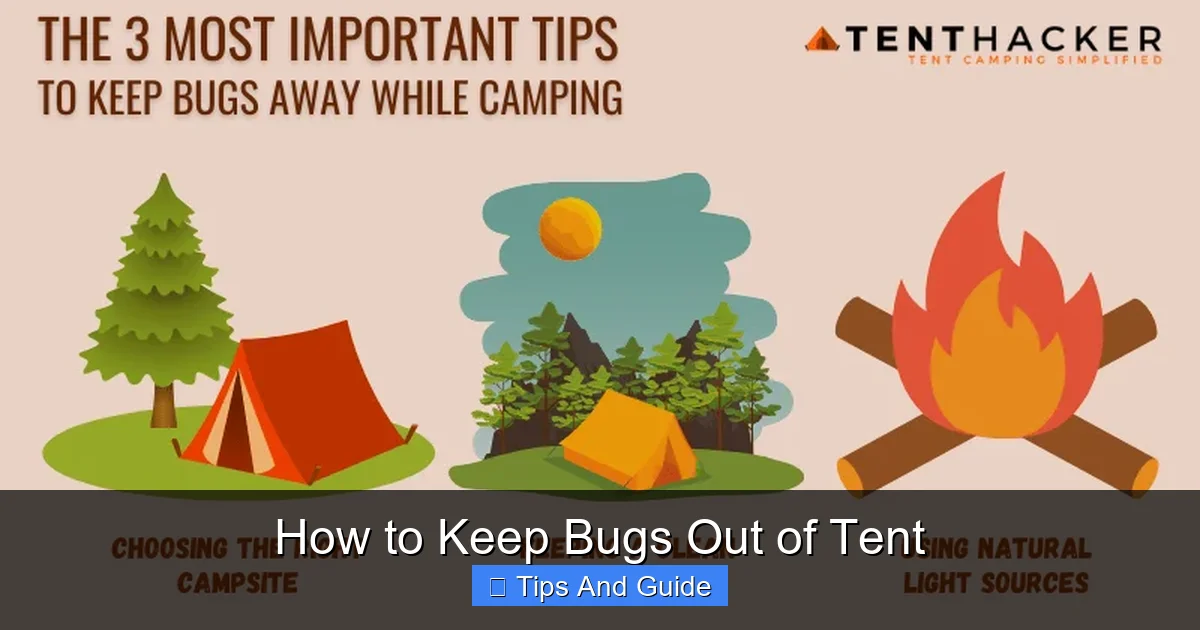
Citronella Candles/Torches: While not foolproof, burning citronella candles or torches around your campsite can help create a zone that is less appealing to mosquitoes. The smoke and scent can act as a mild deterrent.
Mosquito Coils: These burn slowly and release insecticide smoke that can help keep mosquitoes away from a specific area. Use them in well-ventilated outdoor spaces, not inside your tent.
Campfire Smoke: The smoke from a campfire can naturally deter flying insects. Position your tent so that you can benefit from the smoke without being overwhelmed by it.
Bug Zappers/Lanterns: These devices can attract and kill insects, but they often kill beneficial insects too and can attract more bugs to your area. Use them with caution and consider placement away from your main living area.
Timing Your Repellent Application
Apply repellent before you are exposed to insects. It’s often most effective to apply it before dusk, which is a peak activity time for many biting insects like mosquitoes.
4. Food Storage Practices: Don’t Invite the Buffet
Insects, like humans, are attracted to food. Proper food storage is critical to prevent your campsite from becoming an all-you-can-eat buffet for ants, flies, and other pests.
Seal Everything Tightly
Use airtight containers, resealable bags, and coolers to store all your food, drinks, and even scented toiletries. This prevents odors from escaping and attracting insects. Double-bagging items is a good practice.
Visual guide about How to Keep Bugs Out of Tent
Image source: thecampdiary.com
Designate a Food Area
Keep your cooking and food storage area a reasonable distance from your tent. This way, if any scents or spills attract insects, they are less likely to wander into your sleeping quarters.
Clean Up Immediately
Wash dishes promptly after meals. Don’t leave dirty dishes sitting out. Scrape food scraps into a designated trash bag and seal it tightly. Dispose of trash properly and regularly, preferably in bear-proof bins if available, or pack it out with you.
No Food Inside the Tent
This is a golden rule. Never eat inside your tent, and never store food or drinks (even water bottles with residue) inside. Even crumbs can attract ants and other crawling insects.
Scented Items Matter
Don’t forget that strong scents from toothpaste, deodorant, sunscreen, and even some soaps can attract insects. Store these items securely and consider using unscented versions when camping.
5. Post-Trip Tent Care: Keeping Bugs Out for Future Trips
Taking care of your tent after each camping trip is just as important as preparing for it. Proper cleaning and storage will help prevent future bug problems.
Shake It Out
Before packing your tent away, thoroughly shake it out. Open all doors and windows and vigorously shake the tent to dislodge any lingering insects, dirt, or debris. Pay attention to corners and pockets where bugs might hide.
Clean Any Stains or Spills
If you’ve had any spills inside the tent, clean them up. Use mild soap and water. Avoid harsh chemicals, as they can damage the tent fabric. Allow the tent to dry completely after cleaning.
Dry Your Tent Thoroughly
This is perhaps the most crucial step for post-trip care. Never pack away a damp tent. Moisture can lead to mildew and mold, which are not only unpleasant but can also attract certain insects. If you can’t dry it at the campsite, set it up again at home in your yard or garage to air out completely before storing.
Inspect and Repair
While you’re cleaning and drying, take the opportunity to inspect your tent for any damage that may have occurred during your trip. Mend any small tears or reinforce seams. This preventative maintenance ensures your tent remains a reliable bug barrier.
Proper Storage
Store your tent in a cool, dry place. Avoid storing it in humid environments or where it might be exposed to extreme temperatures. If your tent came with a breathable storage bag, use it. Avoid storing it in a compression sack long-term, as this can damage the fabric and poles.
Troubleshooting Common Bug Problems
Even with the best preparations, you might encounter a few persistent pests. Here’s how to handle common issues:
Ants in the Tent
Cause: Usually attracted by food crumbs or spills. They can also march in from trails.
Solution: Thoroughly clean the tent and remove any food sources. Store food in airtight containers away from the tent. If they are persistent, you can create a barrier of ant repellent powder or chalk around the tent perimeter (ensure it’s safe for the environment).
Mosquitoes Inside the Tent
Cause: Entered through an open door or small hole. They are often attracted by body heat and CO2.
Solution: Zip up the tent immediately. Try to locate and swat them. If you have a battery-powered fan, it can help keep them at bay. Consider using a headlamp or phone light to draw them to one area for easier removal.
Spiders or Other Crawling Insects
Cause: They might be seeking shelter or attracted by other insects. Often enter through small openings.
Solution: Gently escort them outside. Inspect your tent for potential entry points and seal them. Keeping the campsite clean also reduces their food sources.
Flying Insects (Flies, Gnats)
Cause: Attracted to light, food odors, or simply wandering in.
Solution: Keep tent flaps zipped. Use bug nets over your head and face if they are particularly bothersome. Ensure all food is sealed.
Conclusion: Enjoying Nature Bug-Free
Keeping bugs out of your tent doesn’t have to be an impossible mission. By implementing these strategies – from careful campsite selection and meticulous tent setup to smart repellent use and diligent food storage – you can significantly minimize your encounters with unwelcome insects. Remember that preparation, vigilance, and good habits are your best tools for a comfortable and pest-free camping adventure. Embrace the outdoors, knowing that with these tips, your tent can remain your peaceful sanctuary, free from buzzing and biting invaders. Happy camping!
