

Keeping your tent clean is essential for its lifespan and your comfort. This comprehensive guide will walk you through the simple steps of cleaning your tent, from removing dirt and debris to proper drying and storage. By following these instructions, you can ensure your tent remains in great condition for many adventures to come.
Ready for your next adventure? Your tent is your home away from home in the great outdoors, providing shelter and comfort. But after a few trips, it’s bound to get a little dirty. Dust, mud, food spills, and even the occasional critter can leave their mark. Cleaning your tent properly not only keeps it looking good but also extends its life and ensures it’s ready for your next camping trip.
This guide will show you exactly how to clean your tent, from a quick refresh to a deep clean. We’ll cover everything you need to know to tackle dirt, grime, and potential mildew, ensuring your tent remains waterproof and functional for years to come.
Key Takeaways
- Thoroughly Inspect Before Cleaning: Always check your tent for rips, tears, or loose seams before you start cleaning. Address any damage first.
- Gentle Cleaning is Key: Use mild soap and lukewarm water. Harsh chemicals can damage waterproof coatings and fabrics.
- Avoid Machine Washing: Washing machines can be too rough for tent fabrics and can damage poles or zippers. Hand washing is best.
- Proper Drying is Crucial: Never store a damp tent. Ensure it’s completely dry to prevent mold and mildew growth.
- Store Smartly: Store your tent in a cool, dry place, loosely packed. Avoid direct sunlight and extreme temperatures.
- Address Odors Promptly: Use baking soda or specialized tent cleaners for stubborn smells.
Why Cleaning Your Tent Matters
Think of your tent like any other piece of gear. Regular maintenance, including cleaning, is vital. Here’s why:
- Longevity: Dirt and grime can break down fabric fibers over time. Removing them helps preserve the tent’s material.
- Waterproofing: Dirt can clog the pores of the fabric, reducing its ability to repel water. Clean tents are more waterproof.
- Preventing Mold and Mildew: Storing a damp tent is a recipe for disaster. Mold and mildew can ruin fabric and create unpleasant odors.
- Hygiene: A clean tent is a more pleasant place to sleep and relax.
- Performance: Zippers run smoother, poles are less likely to get stuck, and the tent generally functions better when it’s clean.
Gather Your Cleaning Supplies
Before you begin, make sure you have everything you need. This will make the process much smoother and more efficient.
Essential Cleaning Items:
- Mild soap (like dish soap or specialized tent cleaner)
- Lukewarm water
- Soft cloths or sponges
- A soft brush (an old toothbrush works well for small areas)
- Bucket or basin
- Towels for drying
- A large, flat area for drying (outdoors is ideal)
- Optional: Baking soda (for odors), seam sealer (for repairs)
Step-by-Step Tent Cleaning Process
Cleaning your tent can be broken down into a few manageable stages. Let’s get started!
1. Prepare Your Tent
Before you start scrubbing, a little preparation goes a long way.
H3: Empty the Tent Completely
First, take everything out of your tent. This includes sleeping bags, mats, clothes, and any debris that might have accumulated inside.
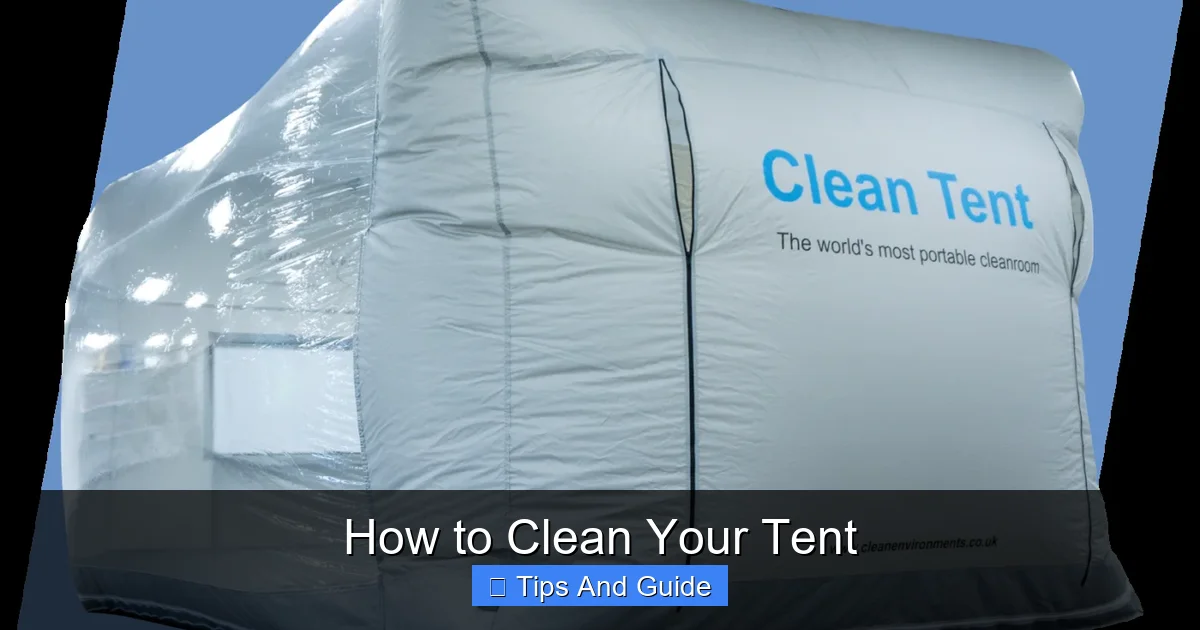
Visual guide about How to Clean Your Tent
Image source: backend.lpp-group.com

Visual guide about How to Clean Your Tent
Image source: m.media-amazon.com

Visual guide about How to Clean Your Tent
Image source: campingthecamp.com
H3: Shake Out Loose Dirt and Debris
Take your tent outside and give it a good shake. Open all the doors and windows and turn it inside out if possible. Shake vigorously to dislodge leaves, dirt, sand, grass, and anything else that’s loose. Pay attention to corners and seams where debris tends to collect.
H3: Inspect for Damage
While the tent is empty and relatively clean, it’s the perfect time to inspect it for any damage. Look for rips in the fabric, tears in the mesh, broken zippers, or bent poles. Small tears can often be repaired with a patch kit. For more significant damage or seam issues, you might need to apply seam sealer. Addressing these issues now prevents them from becoming bigger problems later.
2. Clean the Tent Body
This is where the actual washing happens. Remember, gentleness is key!
H3: Set Up a Cleaning Station
Find a suitable space. This could be your backyard, a driveway, or a large bathroom. If you’re cleaning outside, lay down a tarp to protect your lawn and to provide a clean surface for the tent.
H3: Mix Your Cleaning Solution
In a bucket, mix a small amount of mild soap with lukewarm water. Avoid hot water, as it can damage waterproof coatings. If you’re using a specialized tent cleaner, follow the product’s instructions. A good rule of thumb for dish soap is just a few drops per gallon of water. You want suds, but not an excessive amount.
H3: Gently Wash the Exterior
Using a soft cloth or sponge dipped in your cleaning solution, gently wipe down the outside of the tent. Work in sections, and don’t scrub aggressively. Focus on areas with visible dirt or stains. For stubborn spots, you can use a soft brush, but be gentle.
H3: Clean the Interior
Repeat the process for the inside of the tent. This is where food crumbs, sweat, and general wear and tear happen. Again, use a gentle touch. Don’t forget the floor, which often bears the brunt of the dirt.
H3: Rinse Thoroughly
This is a critical step. You need to rinse all the soap residue off the tent. Use clean water and a clean cloth or sponge. Go over the entire tent, inside and out, making sure no soap remains. Soap residue can attract dirt and reduce the tent’s water repellency.
Tip: If you’re using a hose, use a gentle spray setting. Avoid high pressure, which can force water through the fabric.
3. Clean the Tent Poles and Stakes
Don’t forget the support system!
H3: Wipe Down Poles
Most tent poles are made of aluminum or fiberglass. Simply wipe them down with a damp cloth to remove any dirt or mud. Check for any bends or cracks in the poles.
H3: Clean Stakes
Stakes can get caked in mud. Wash them with water and a brush. Ensure they are clean before storing them, as dried mud can be hard to remove later.
4. Dry Your Tent Properly
Drying is perhaps the MOST important step to prevent mold and mildew.
H3: Find a Suitable Drying Location
This is where an outdoor space is ideal. You need a large, well-ventilated area. A clothesline, a sturdy fence, or even just spread out on a clean tarp in the sun can work.
H3: Hang or Lay Out the Tent
Hang the tent or spread it out completely. Ensure all parts of the tent are exposed to air. If hanging, try to distribute the weight evenly to avoid stretching the fabric.
H3: Air Dry Completely
Allow the tent to air dry naturally. This can take several hours, or even a full day, depending on the weather. It’s crucial that the tent is *bone dry* before you pack it away. Even a little bit of moisture can lead to mold and mildew.
Important: Never use a machine dryer. The heat can melt or warp fabric and coatings, permanently damaging your tent.
Check the forecast: If you anticipate rain, it’s better to wait for a dry day to clean and dry your tent.
5. Address Stubborn Stains and Odors
Sometimes, regular cleaning isn’t enough.
H3: For Tough Stains
For particularly stubborn stains, you can try a slightly stronger solution, but still be cautious. A paste of baking soda and water can be effective for some stains. Apply it, let it sit for a short while, then gently scrub and rinse thoroughly.
H3: Tackling Odors
If your tent has a musty smell, it’s likely due to lingering moisture or mildew. Baking soda is a great natural deodorizer. Sprinkle a generous amount of baking soda inside the tent and let it sit for at least 24 hours. Then, vacuum or shake it out thoroughly. You can also use specialized tent deodorizing sprays.
Note: If you suspect significant mildew growth, you might need to use a specialized mildew remover for tents, following product instructions carefully.
6. Re-Waterproof (If Necessary)
Over time, the DWR (Durable Water Repellent) coating on your tent can wear off, reducing its ability to shed water.
H3: Assess Water Repellency
After cleaning and drying, you can test your tent’s water repellency. Sprinkle some water on the fabric. If it beads up and rolls off, the DWR is still effective. If the water soaks in, it’s time to reapply.
H3: Apply a Water Repellent Treatment
You can purchase specialized DWR treatments for tents. Follow the product’s instructions carefully. Typically, you’ll spray it onto the clean, dry tent fabric and let it cure. This will restore its water-shedding capabilities.
7. Pack and Store Your Tent
Proper storage is crucial for maintaining your tent’s condition between trips.
H3: Ensure Complete Dryness
We can’t stress this enough: your tent MUST be completely dry before storing. Even a hint of dampness can lead to mold and mildew.
H3: Loosely Pack the Tent
Avoid tightly packing your tent into its original stuff sack. Instead, loosely stuff it into its storage bag or a breathable sack. Tight packing can crease the fabric and damage the coating over time. If you’ve lost the original bag, any breathable fabric bag will do.
H3: Choose a Suitable Storage Location
Store your tent in a cool, dry, and dark place. Avoid attics or garages where temperatures can fluctuate wildly or where there’s a risk of pests. A closet shelf or a bin in a climate-controlled area is ideal. Keep it away from direct sunlight, as UV rays can degrade the fabric.
Tip: If you have multiple tents, consider storing them separately to prevent potential damage from contact.
Troubleshooting Common Tent Cleaning Issues
Here are some common problems and how to solve them:
Smelly Tent
Cause: Moisture, mildew, or trapped food particles.
Solution: Ensure the tent is completely dry. Use baking soda to absorb odors. If mildew is present, use a specialized cleaner. Air it out thoroughly.
Stubborn Mud Stains
Cause: Dried-on mud.
Solution: Try soaking the stained area with lukewarm water. Use a soft brush and a mild soap solution. For very tough stains, a baking soda paste might help. Rinse thoroughly.
Zipper Not Working Smoothly
Cause: Dirt, debris, or bent teeth.
Solution: Clean the zipper track with a soft brush. Apply a zipper lubricant (like paraffin wax, graphite pencil lead, or specialized zipper cleaner). If teeth are bent, try to gently straighten them with pliers.
Leaking Seams
Cause: Worn-out seam tape or sealant.
Solution: Clean the seam area and apply a quality seam sealer. Ensure the area is completely dry before applying and allow the sealer to cure fully.
Conclusion
Cleaning your tent is an essential part of tent ownership. It’s not a difficult task, but it does require patience and the right approach. By following these steps – inspecting, gently cleaning, rinsing, drying thoroughly, and storing correctly – you can significantly extend the life of your tent and ensure it provides comfortable shelter for countless future adventures. A clean tent is a happy tent, ready for whatever the great outdoors throws at it! Remember to check out our guides on the best camping mattress for a tent and the best camping mat for a tent to make your clean tent even cozier.
