
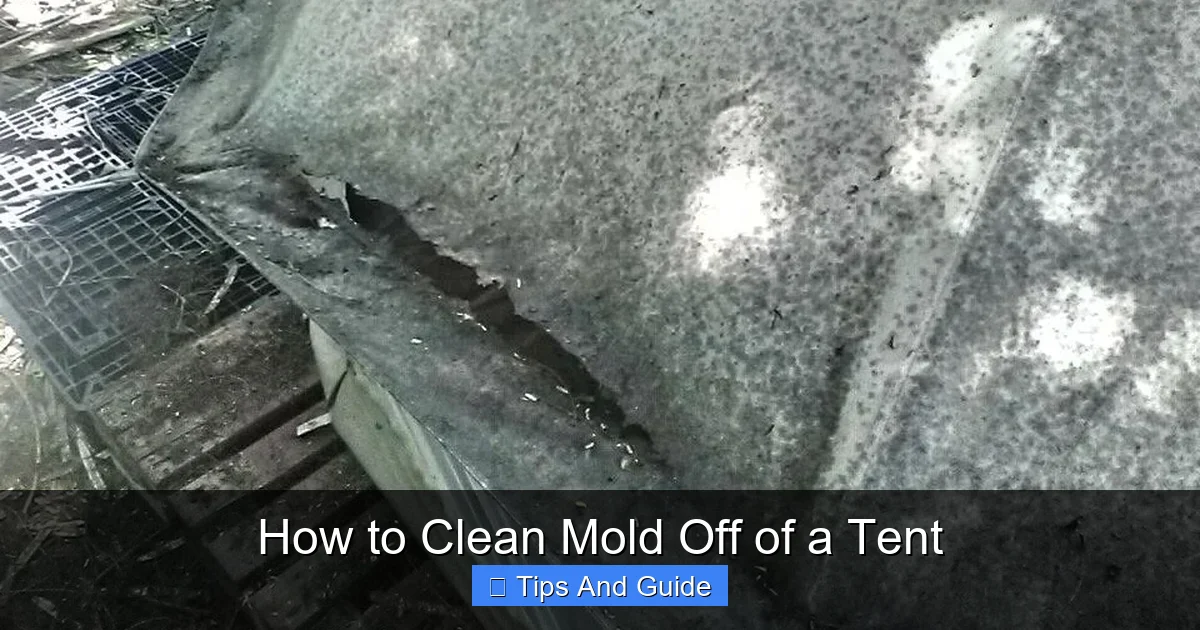
Discover how to effectively clean mold from your tent to ensure its longevity and your comfort on your next outdoor adventure. This guide covers everything from identifying mold to preventing its return. Proper cleaning prevents damage and health issues, so you can enjoy your tent for years to come.
Going camping is a fantastic way to connect with nature and create lasting memories. But what happens when your trusty tent, after a particularly damp adventure or a long period in storage, starts showing unwelcome fuzzy green or black patches? That’s right, mold. Mold on a tent isn’t just unsightly; it can also damage the fabric and pose health risks. Don’t let this happen to your outdoor gear! This comprehensive guide will walk you through everything you need to know about how to clean mold off of a tent, ensuring your shelter remains a clean and safe haven for all your future explorations.
We’ll cover how to identify mold, the best cleaning solutions to use, step-by-step cleaning instructions, and vital tips for drying and storing your tent to prevent mold from coming back. By the end of this guide, you’ll be equipped with the knowledge to tackle mold head-on and keep your tent in top condition.
- Identify Mold Early: Regularly inspect your tent for any signs of mold or mildew. Early detection makes cleaning much easier and prevents further damage.
- Choose the Right Cleaning Solution: Use a mild, tent-safe cleaner. Avoid harsh chemicals that can damage the fabric or waterproof coatings.
- Gentle Cleaning is Key: Always use soft brushes or cloths and avoid abrasive scrubbing to protect the tent material.
- Thorough Rinsing is Crucial: Ensure all cleaning solution is completely removed to prevent residue buildup and fabric degradation.
- Complete Drying is Non-Negotiable: Never pack away a damp tent. Thoroughly dry it in a well-ventilated area to prevent mold from returning.
- Storage Matters: Store your clean, dry tent in a cool, dry place, ideally in a breathable bag, to inhibit mold growth.
- Prevention is Better Than Cure: Practice good tent hygiene, like airing it out after use, to minimize the risk of mold formation.
Understanding Tent Mold
Before we dive into cleaning, it’s essential to understand what you’re dealing with. Mold is a type of fungus that thrives in damp, dark, and humid environments. Tents, often packed away wet or stored in basements, garages, or attics, provide these perfect conditions.
Mold spores are everywhere, but when they land on a suitable surface like tent fabric and find moisture, they start to grow. This growth can appear as black, green, blue, white, or even pinkish spots or patches. Mildew is a type of mold that typically grows on flat surfaces and often has a powdery appearance.
The good news is that most tent mold is surface-level and can be cleaned effectively. However, if left untreated, mold can eat away at the tent fabric, compromise its waterproof coatings, and leave behind stubborn stains and an unpleasant musty odor.
When to Seek Professional Help
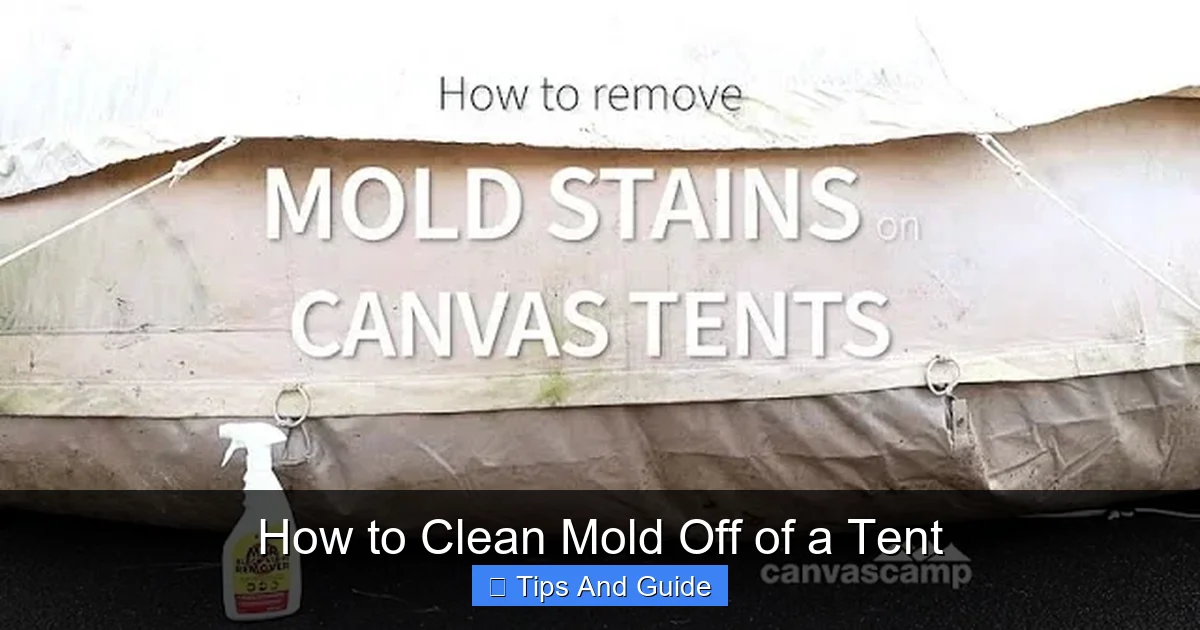
Visual guide about How to Clean Mold Off of a Tent
Image source: cleanestor.com
While most mold issues are DIY-friendly, there are a few situations where it’s best to consult a professional tent repair service:
- Extensive Mold Growth: If your tent is heavily infested with mold covering a large area, it might be too difficult to remove completely at home without damaging the fabric.
- Mold Inside Seams or Coatings: Mold that has penetrated deep into seams or under waterproof coatings can be very hard to eradicate and may require specialized treatments.
- Delicate or Vintage Tents: If you have a valuable, antique, or particularly delicate tent, it’s wise to entrust its cleaning to experts to avoid causing irreparable damage.
For the vast majority of mold situations, however, you can successfully clean your tent yourself with the right approach and tools.
Gathering Your Cleaning Supplies
Visual guide about How to Clean Mold Off of a Tent
Image source: outlifeexpert.com
Having everything ready before you start will make the cleaning process much smoother. Here’s what you’ll need:
- Protective Gear: Gloves (rubber or disposable), a mask (to avoid inhaling spores), and possibly eye protection.
- Cleaning Solutions: We’ll discuss options below, but you’ll need a mild cleaning agent.
- Brushes: Soft-bristled brushes (like a toothbrush or a soft scrub brush) and a stiffer brush for tougher spots (use with caution).
- Cloths/Sponges: Soft, clean cloths or sponges for application and wiping.
- Buckets or a Large Sink/Bathtub: For mixing cleaning solutions and rinsing.
- Hose or Showerhead: For rinsing the tent thoroughly.
- Drying Space: A large, well-ventilated area, preferably outdoors in the sun.
Choosing Your Cleaning Solution
Visual guide about How to Clean Mold Off of a Tent
Image source: 757brick.com
The key here is to use a cleaning solution that is effective against mold but gentle on your tent’s fabric and waterproof coatings. Avoid harsh chemicals like bleach, as they can degrade the material and weaken its structural integrity.
Mild Soap and Water
For light mold growth, a simple solution of mild dish soap (like Dawn) or a specialized tent wash mixed with warm water can be sufficient. This is the gentlest option.
Vinegar Solution
White vinegar is a natural mold killer and is generally safe for most tent fabrics. Mix equal parts white vinegar and water in a bucket or spray bottle. The vinegar smell will dissipate once the tent is completely dry.
Lemon Juice and Salt (Natural Alternative)
For a natural approach, mix lemon juice with a bit of salt. Apply the paste to the moldy areas, let it sit for a while, and then gently scrub. This can be effective for smaller spots.
Specialized Tent Cleaners
There are many commercial tent cleaners available that are specifically designed to remove mold and mildew without damaging the fabric. Always follow the product instructions carefully.
Step-by-Step Guide to Cleaning Mold Off Your Tent
Now that you have your supplies and your chosen cleaning solution, it’s time to get to work!
Step 1: Set Up Your Cleaning Area
Find a well-ventilated area where you can spread out your tent. Outdoors is ideal, especially if you have a hose. You can lay the tent on a clean tarp or directly on grass. If you don’t have outdoor space, a large sink, bathtub, or even a utility sink can work.
Step 2: Inspect and Identify Moldy Areas
Carefully inspect the entire tent, inside and out, including seams, zippers, and poles. Note all areas affected by mold. This will help you focus your cleaning efforts.
Step 3: Prepare Your Cleaning Solution
Mix your chosen cleaning solution according to the instructions. If using soap and water, create a good lather. For vinegar, ensure an even 1:1 ratio.
Step 4: Pre-Rinse the Tent (Optional but Recommended)
If the mold is extensive or heavily caked on, a gentle pre-rinse with water can help remove loose debris and spores. Use a hose on a low setting or a spray bottle.
Step 5: Apply the Cleaning Solution
Apply Solution to Tent Fabric
Using a soft cloth, sponge, or soft-bristled brush, apply your chosen cleaning solution to the moldy areas. Work in sections, making sure to saturate the affected spots without soaking the entire tent if it’s not necessary.
Gentle Scrubbing
For mild mold, gently wipe or dab the area with the cloth or sponge. For more stubborn spots, use a soft brush. Apply gentle pressure and scrub in a circular motion. Remember, you’re cleaning fabric, not scrubbing a floor, so avoid excessive force that could damage the tent.
Focus on Seams and Crevices
Mold often hides in seams and along zippers. Use a toothbrush or a smaller brush to get into these tight areas. Be thorough but gentle.
Step 6: Let the Solution Sit
Allow the cleaning solution to sit on the moldy areas for about 10-15 minutes. This gives the solution time to break down the mold. Don’t let it dry out completely.
Step 7: Rinse Thoroughly
This is a critical step. Using a hose, showerhead, or clean water in a bucket, rinse the tent thoroughly. Make sure to remove ALL traces of the cleaning solution. Residue can attract dirt and degrade the fabric over time. Rinse from the outside and inside, ensuring water flows freely through the fabric.
Rinse Away All Cleaning Residue
Pay special attention to seams and areas where you scrubbed. You don’t want any lingering soap or vinegar.
Step 8: Repeat if Necessary
If you still see signs of mold after the first attempt, don’t worry. You can repeat the cleaning and rinsing process. Sometimes, persistent mold requires a second round of treatment.
Step 9: Air Dry the Tent COMPLETELY
This is arguably the most important step for preventing mold from returning.
Hang Tent for Optimal Drying
Hang your tent up outdoors in a place with good air circulation and direct sunlight. Sunlight is a natural disinfectant and helps kill any remaining mold spores. Drape it over a clothesline, spread it on a clean surface, or use tent poles to keep it open and allow air to flow through it.
Ensure All Layers Are Dry
Make sure the tent is completely dry, not just on the surface. Check seams, corners, and the underside of the fly. Even a small amount of residual moisture can lead to mold growth. This might take several hours or even a full day or two, depending on the weather.
Step 10: Clean Tent Poles and Stakes
Don’t forget to clean your tent poles and stakes. Wipe them down with a damp cloth and dry them thoroughly. Mold can also grow on these accessories.
Step 11: Reproofing (Optional but Recommended)
After cleaning and drying, you might notice that your tent’s waterproof coating has been affected. Consider applying a waterproofing spray or treatment specifically designed for tents. This will restore its water-repellency and add an extra layer of protection.
Preventing Future Mold Growth
The best way to deal with tent mold is to prevent it from forming in the first place. Here are some essential tips:
- Dry Your Tent Thoroughly After Every Trip: This is the golden rule. Even if it didn’t rain, dew can make your tent damp. Always set it up at home or in a dry, airy place to dry completely before storing it. Consider using a dedicated tent drying rack if you often camp in humid areas.
- Avoid Storing Damp: Never pack your tent away wet or damp. If you must pack it away wet due to unforeseen circumstances (like a sudden storm), unpack and dry it as soon as you get home.
- Store in a Cool, Dry Place: Basements, garages, and attics can be prone to humidity and temperature fluctuations. If possible, store your tent in a climate-controlled area of your home.
- Use a Breathable Storage Bag: If your tent came with a stuff sack made of a breathable material (like mesh), use it. Avoid storing your tent in a plastic bag, as this can trap moisture.
- Air It Out Periodically: Even if you haven’t used your tent in a while, take it out and air it out for a few hours every few months. This helps prevent moisture buildup and keeps the fabric fresh.
- Keep It Clean: Regularly brush off dirt, leaves, and debris from your tent. These organic materials can hold moisture and provide a food source for mold.
- Proper Ventilation While Camping: During your camping trips, ensure good ventilation inside your tent. Open windows or doors when weather permits to reduce condensation. Using a camping fan can also help circulate air.
By following these preventative measures, you can significantly reduce the risk of mold appearing on your tent. A well-maintained tent is more enjoyable and lasts much longer. If you’re looking to enhance your camping comfort, exploring options like the best camping mattress for tent or a best camping mat for tent can make a big difference in your overall experience.
Troubleshooting Common Tent Mold Issues
What if the mold stain doesn’t come out?
Some stubborn stains may remain even after cleaning. While unsightly, they might not compromise the tent’s function. If the stain is purely cosmetic and the mold is gone, you might have to live with it. However, if the stain indicates deep-seated mold or damage, consider professional help.
My tent smells musty even after cleaning and drying. What now?
A persistent musty smell often means some mold spores or moisture remain. Try a more thorough cleaning with a vinegar solution or a specialized tent cleaner. Ensure the tent is dried for an extended period, preferably in direct sunlight. You can also try placing sachets of baking soda or activated charcoal inside the tent once it’s completely dry to absorb odors.
Can I use bleach on my tent?
No, it’s strongly advised against using bleach. Bleach is very harsh and can break down the fabric fibers and degrade the waterproof coatings on your tent, rendering it useless. Stick to gentler, tent-safe cleaning agents.
What about mold on the tent zippers?
Mold can easily accumulate on zippers. Use an old toothbrush dipped in your cleaning solution to scrub the zipper teeth gently. Rinse thoroughly and lubricate the zipper with a silicone-based lubricant or paraffin wax once it’s dry to ensure smooth operation.
Conclusion
Mold on your tent doesn’t have to be a camping trip-ender. With the right knowledge and a bit of effort, you can effectively clean your tent and restore it to its former glory. Remember the key steps: inspect, choose a gentle cleaner, scrub carefully, rinse thoroughly, and most importantly, dry completely.
By incorporating good storage and maintenance practices into your routine, you can prevent mold from becoming a recurring problem. A clean, well-cared-for tent is an investment that provides shelter, comfort, and endless opportunities for outdoor adventures. So, don’t let mold deter you – tackle it head-on and get back to enjoying the great outdoors with confidence!
