
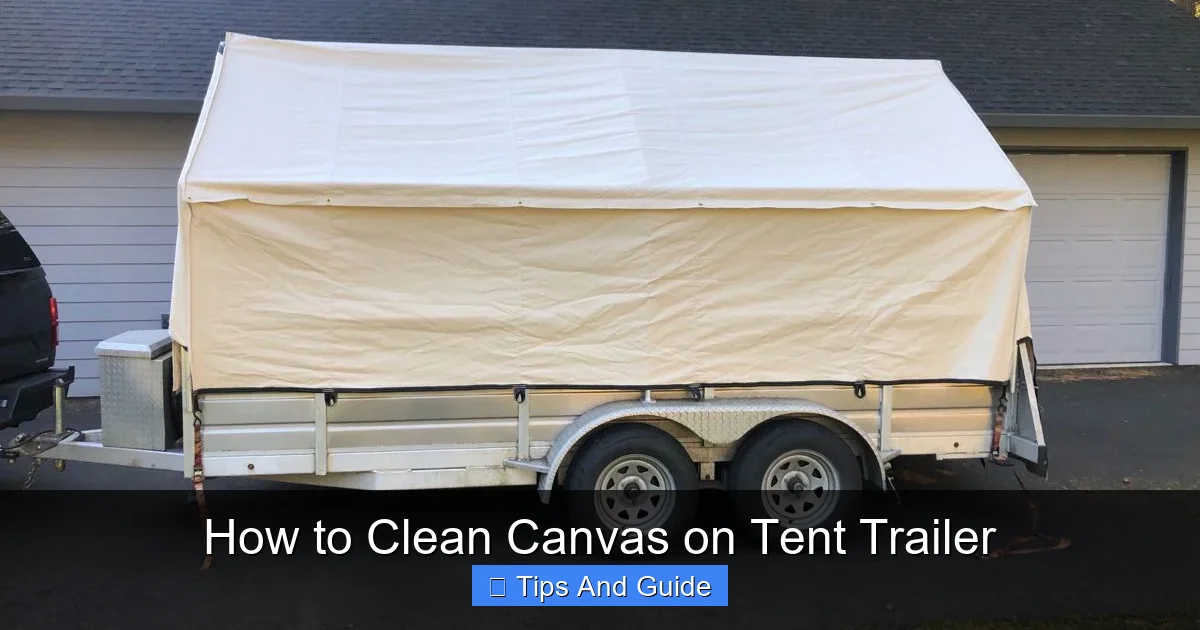
Maintaining your tent trailer’s canvas is crucial for its longevity and your comfort. This guide provides a step-by-step approach to cleaning your canvas tent trailer, covering everything from preparation and gentle washing to drying and protecting. Follow these instructions to keep your canvas looking great and performing well for many camping trips to come.
How to Clean Canvas on Tent Trailer
Your tent trailer is your ticket to adventure, offering a cozy and convenient way to experience the great outdoors. The canvas, however, is a key component that needs regular care to ensure it remains strong, waterproof, and inviting for years of exploration. Over time, canvas can accumulate dirt, mildew, bird droppings, tree sap, and other environmental contaminants that not only look unsightly but can also compromise its integrity.
This comprehensive guide will walk you through the process of cleaning the canvas on your tent trailer. We’ll cover everything you need to know, from gathering your supplies to the best methods for washing, drying, and protecting your canvas. By following these steps, you’ll keep your tent trailer looking its best and ready for your next camping escapade.
Key Takeaways
- Gather Your Supplies: Before you begin, ensure you have all necessary cleaning agents, tools, and protective gear to make the process efficient and effective.
- Prep the Area: Set up your tent trailer in a well-ventilated, shaded area to avoid direct sunlight during cleaning, which can damage the fabric.
- Gentle Cleaning is Key: Always opt for mild soaps and soft brushes. Avoid harsh chemicals and abrasive scrubbers that can degrade the canvas.
- Rinse Thoroughly: Ensure all soap residue is removed to prevent mildew and water spots.
- Proper Drying is Essential: Allow the canvas to air dry completely in a well-ventilated space before packing it away to prevent mold and mildew growth.
- Waterproofing and Protection: Reapplying a water-repellent treatment is vital after cleaning to maintain the canvas’s protective qualities.
- Regular Maintenance: Consistent spot cleaning and annual deep cleans will significantly extend the life of your tent trailer’s canvas.
Why Cleaning Your Tent Trailer Canvas Matters
Before we dive into the how-to, let’s quickly touch on why this maintenance is so important. Clean canvas means a healthier camping environment. It prevents the spread of mold and mildew, which can cause respiratory issues and unpleasant odors. Properly cleaned and treated canvas also offers better protection against the elements, keeping you dry and comfortable. Think of it as an investment in your future adventures. A well-maintained canvas is more likely to withstand diverse weather conditions, and you’ll avoid costly repairs or premature replacements.
Step 1: Preparation and Gathering Your Supplies
Visual guide about How to Clean Canvas on Tent Trailer
Image source: proreviewbuzz.com
Proper preparation is half the battle when it comes to cleaning your tent trailer canvas. Taking the time to gather everything you need beforehand will make the entire process smoother and more efficient.
Setting Up Your Workspace
First, find a suitable location to work. It’s best to set up your tent trailer in a well-ventilated area, preferably in the shade. Direct sunlight can dry cleaning solutions too quickly, leading to streaks and potentially damaging the fabric. A driveway, large yard, or even a spacious campsite (if you’re doing this on a trip) can work. Ensure you have enough space to comfortably access all sides of the tent trailer.
Essential Cleaning Supplies
Here’s a list of what you’ll likely need:
- Water Source: A garden hose with a spray nozzle is ideal.
- Buckets: Two or more for mixing cleaning solutions and rinsing tools.
- Mild Soap: A pH-neutral soap specifically designed for tents or outdoor gear is best. Avoid harsh detergents, bleach, or dish soap, as these can strip away waterproofing and damage the fabric. A specialized tent cleaner or even a very mild laundry detergent (used sparingly) can work.
- Soft Brushes: A medium-bristled brush (like a car washing brush) and a softer brush (like a scrub brush for dishes) will be useful for different levels of grime. Ensure they are not wire brushes, which will damage the canvas.
- Sponges: For applying soap and wiping down surfaces.
- Clean Cloths or Towels: For wiping and drying. Microfiber cloths are excellent.
- Trash Bags: To dispose of debris and collected dirt.
- Protective Gear: Gloves and possibly eye protection, especially if using any stronger cleaning agents.
- Optional: A dedicated canvas cleaner, a mold and mildew remover (use with extreme caution and test in an inconspicuous spot first), and a canvas waterproofing treatment.
Step 2: Initial Inspection and Debris Removal
Visual guide about How to Clean Canvas on Tent Trailer
Image source: proreviewbuzz.com
Before you start wetting anything, take a good look at the canvas. Identify any obvious stains, mildew spots, or areas with heavy dirt buildup.
Checking for Damage
While inspecting, look for any tears, holes, or loose stitching in the canvas. It’s a good time to note these for future repair. If you find significant damage, you might want to address that before cleaning.
Removing Loose Dirt and Debris
Use a soft brush or a dry cloth to gently sweep away any loose dirt, leaves, spiderwebs, or other debris from the surface of the canvas. This prevents you from just pushing dirt around when you start washing. Pay attention to the seams and folds where debris tends to accumulate.
Step 3: The Washing Process
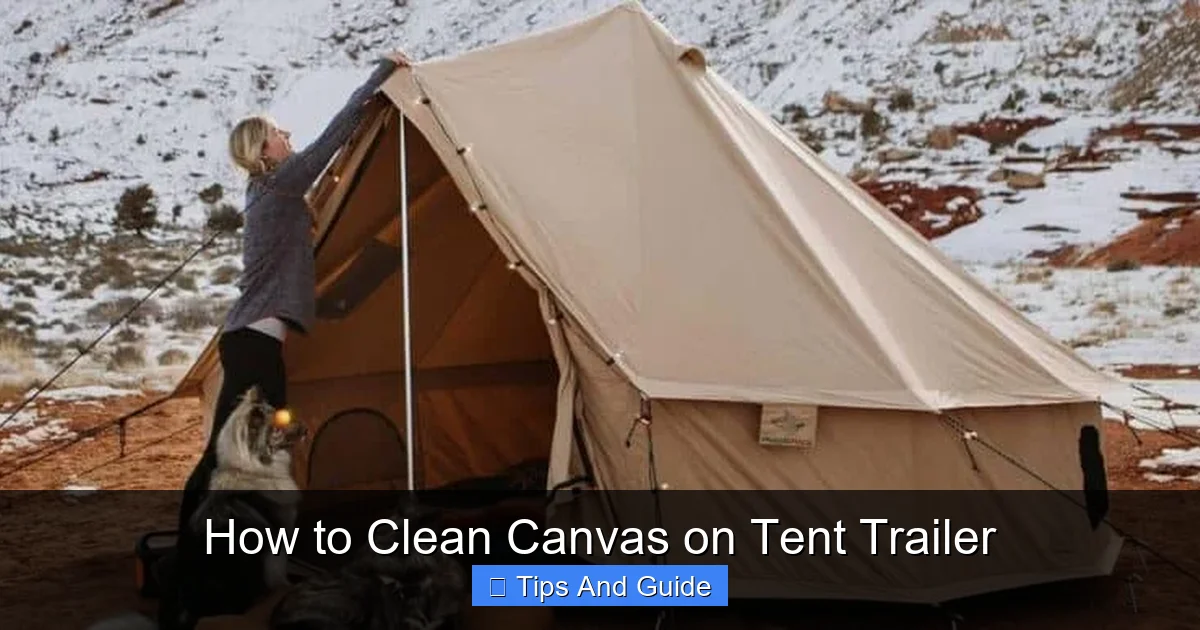
Visual guide about How to Clean Canvas on Tent Trailer
Image source: wildernessredefined.com
This is the core of the cleaning process. The goal is to remove dirt and grime without harming the fabric.
Pre-Rinse
Start by thoroughly rinsing the entire canvas with plain water from your hose. This will remove a good portion of the surface dirt and cool the fabric, making it less susceptible to damage from the cleaning solution.
Applying the Cleaning Solution
In a bucket, mix your mild soap with water according to the product’s instructions. You want a gentle lather, not an excessive amount of suds.
Method 1: Brush and Scrub
Dip your soft brush into the soapy water and begin gently scrubbing the canvas. Work in sections, using circular or back-and-forth motions. For tougher spots, you might need to apply a little more pressure, but always be mindful of the fabric’s texture. Don’t scrub too aggressively, as this can wear down the canvas fibers.
Method 2: Sponge Application
For lighter cleaning or to avoid excessive scrubbing, you can use a sponge dipped in the soapy water. Gently wipe down the canvas surfaces, applying even pressure.
Spot Cleaning Stubborn Stains
For specific stains like bird droppings, tree sap, or grease, you might need a targeted approach.
- Bird Droppings/Tree Sap: Try to gently lift the stain with a damp cloth. If it’s dried on, you might need to let it soak for a few minutes with the soapy water before gently scraping or brushing it away. A specialized canvas cleaner can be very effective here.
- Mildew: For mild mildew, the regular soap and water should help. If the mildew is persistent, you may need to use a dedicated mildew remover. Always test these products on a small, inconspicuous area first to ensure they don’t discolor or damage the canvas. Follow the product’s instructions carefully, and rinse thoroughly.
- Mud: Let mud dry completely before trying to brush it off. If it leaves a stain, then proceed with the soapy water.
Step 4: Thorough Rinsing
This step is critical. Any residual soap left on the canvas can attract dirt and promote mildew growth.
Rinsing Section by Section
Using your hose, rinse the canvas thoroughly. Work your way down the tent trailer, ensuring that all soap suds and loosened dirt are washed away. Pay extra attention to seams and crevices. It might take several passes with the hose to ensure all soap residue is gone. You can tell if you’ve rinsed enough when the water runs clear and there are no more suds.
Step 5: Drying the Canvas
Proper drying is just as important as cleaning. Never pack away damp canvas, as this is a surefire way to invite mold and mildew.
Air Drying
The best method for drying canvas is to let it air dry completely. Keep the tent trailer set up in a well-ventilated area, away from direct sunlight. Open up all the flaps and windows to allow air to circulate freely. This process can take anywhere from a few hours to a couple of days, depending on the humidity and temperature.
Checking for Dampness
Before you even think about packing up, run your hands over the entire surface of the canvas, especially inside seams and pockets. Ensure it is completely dry to the touch. Even a slight hint of dampness can lead to problems later.
Step 6: Reapplying Waterproofing Treatment (Optional but Recommended)
Over time, cleaning can reduce the effectiveness of your canvas’s original waterproofing. Reapplying a treatment will restore its water-repellent properties and protect against the elements.
Choosing a Treatment
There are many waterproofing sprays and treatments available specifically for canvas. Look for products that are breathable and designed for outdoor fabrics. Some popular options include products based on silicone or fluorocarbon. Always choose one that is compatible with your tent trailer’s canvas material.
Application
Ensure the canvas is completely dry and clean before applying any waterproofing treatment. Follow the manufacturer’s instructions for the specific product you choose. This usually involves spraying an even coat over the entire surface of the canvas. You might need to apply multiple thin coats rather than one thick one. Allow ample drying time between coats and after the final application.
Step 7: Storage and Ongoing Maintenance
Proper storage and regular attention will keep your canvas in excellent condition between trips.
Storing Your Tent Trailer
When storing your tent trailer, ensure the canvas is absolutely dry. If you have to pack it up while slightly damp, set it up again as soon as possible to allow it to fully dry. Store the trailer in a dry, well-ventilated location. Avoid storing it directly on the ground or in a damp garage where moisture can accumulate.
Regular Inspections and Spot Cleaning
Make it a habit to inspect your canvas regularly, even when it’s packed away. If you notice any bird droppings or sap immediately after a trip, clean them off as soon as you can. This prevents stains from setting in.
Troubleshooting Common Canvas Issues
Here are a few common problems and how to tackle them:
Mildew Smell
If your canvas has a persistent mildew smell even after cleaning, it might mean some spores are still embedded deep within the fibers. Ensure it’s completely dry, and consider airing it out in the sun for a day (if it’s a mild smell). For stronger odors, a specialized deodorizer for tents or outdoor gear might be needed, or you may need to repeat the deep cleaning process with a mildew-specific cleaner.
Water Seepage
If you notice water seeping through, it could be due to worn waterproofing, tiny holes, or degraded stitching. Reapply a waterproofing treatment. For small holes, you might be able to use a canvas repair patch. For seam leaks, a seam sealer can be applied.
Stains That Won’t Come Out
Some older or deeply set stains might be impossible to remove completely without damaging the canvas. Focus on getting it as clean as possible and ensure the waterproofing is in good order. Sometimes, character comes with age!
Conclusion
Cleaning the canvas on your tent trailer might seem like a chore, but it’s a vital part of maintaining your investment and ensuring comfortable, safe camping trips. By following these steps, you can effectively remove dirt, mildew, and stains, and restore its protective qualities. Regular cleaning and proper care will not only keep your tent trailer looking great but will also extend its lifespan, allowing you to create many more cherished memories on the road. Happy camping!
