
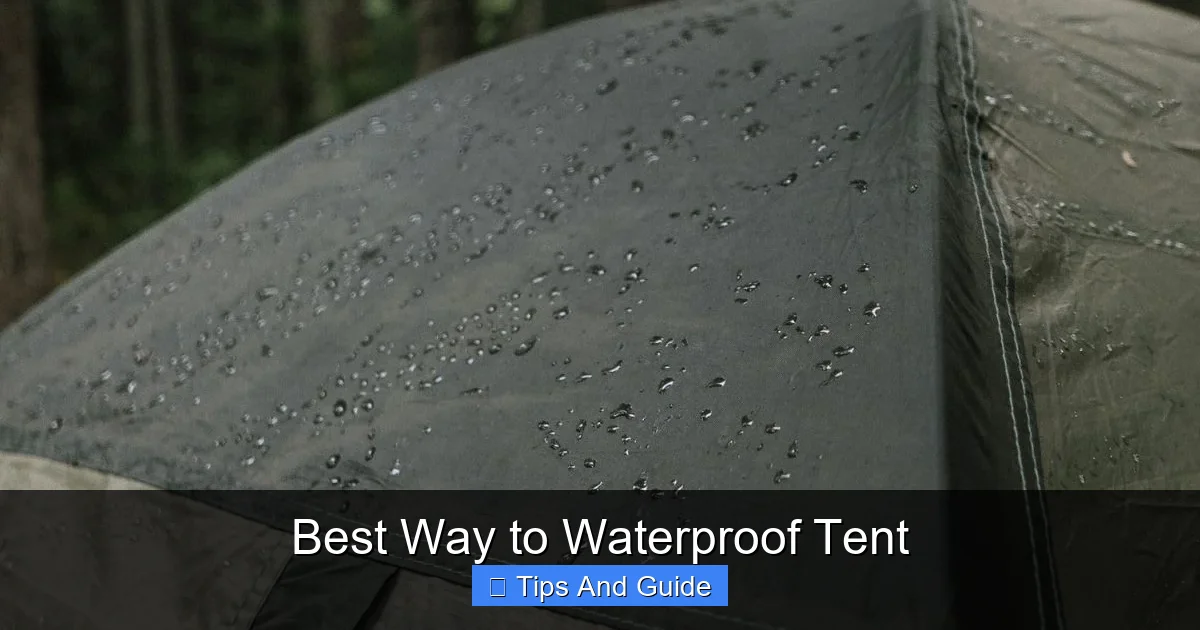
Keeping your tent dry starts with proper waterproofing. Whether you’re prepping for a rainy adventure or maintaining an older tent, the right techniques make all the difference. This guide breaks down the most effective methods to waterproof your tent, from seam sealing to using quality sprays—so you stay cozy and dry no matter the weather.
Key Takeaways
- Clean your tent before waterproofing: Dirt and grime reduce the effectiveness of waterproofing treatments.
- Use a waterproofing spray or wash-in treatment: These are ideal for refreshing the fabric’s water resistance.
- Seal all seams with seam sealer: Seams are the most common leak points in any tent.
- Apply a durable rainfly or tarp: Extra coverage adds a critical layer of protection during heavy rain.
- Re-waterproof annually: Regular maintenance ensures long-term performance and extends tent life.
- Store your tent dry and loosely packed: Moisture buildup leads to mold and fabric degradation.
- Test your setup before heading out: Always do a water test at home to catch leaks early.
📑 Table of Contents
Why Waterproofing Your Tent Matters
Imagine this: you’re deep in the woods, the sky opens up, and rain starts pouring. You rush to your tent, only to find water seeping through the fabric. Not fun, right? That’s why knowing the best way to waterproof tent is essential for every camper. A well-waterproofed tent doesn’t just keep you dry—it protects your gear, improves comfort, and extends the life of your shelter.
Most modern tents come with some level of water resistance, but over time, that protection wears off. UV exposure, dirt, and repeated use break down the waterproof coatings. Even high-quality tents need regular maintenance. Whether you’re a weekend warrior or a full-time adventurer, taking the time to waterproof your tent properly can save you from soggy socks, damp sleeping bags, and miserable nights under the stars.
Understanding Tent Waterproofing Basics
Before diving into methods, it helps to understand how tents stay dry. Most tents use three key features: a waterproof fabric coating (like polyurethane or silicone), sealed seams, and a rainfly. The outer layer repels water, while the rainfly deflects rain and reduces wear on the main fabric. But even the best materials degrade over time.

Visual guide about Best Way to Waterproof Tent
Image source: thehikingadventure.com
Types of Waterproof Coatings
There are two main types of waterproof coatings used on tent fabrics: polyurethane (PU) and silicone. PU coatings are common and affordable but can degrade faster under UV light. Silicone coatings are more durable, lighter, and better at repelling water, but they’re often found on higher-end tents. Knowing your tent’s coating helps you choose the right waterproofing product.
Where Leaks Usually Happen
Leaks don’t just come from the top. Common problem areas include the seams (where fabric panels are stitched together), the floor (which touches wet ground), and zippers. Even tiny needle holes from stitching can let water in if not properly sealed. That’s why a complete waterproofing routine targets all these zones.
Step-by-Step Guide to Waterproofing Your Tent
Now that you know why and where leaks occur, let’s walk through the best way to waterproof tent from start to finish. Follow these steps before your next trip to ensure maximum dryness.
1. Clean Your Tent Thoroughly
Never apply waterproofing products to a dirty tent. Dirt, oils, and debris block the treatment from bonding properly. Start by setting up your tent in a clean, dry area—your backyard works great. Use a soft brush or sponge with mild soap and lukewarm water to gently scrub the fabric. Avoid harsh detergents or bleach, which can damage coatings.
Rinse thoroughly and let the tent dry completely. This might take a full day, depending on the weather. Never pack a damp tent—it leads to mold and mildew. If you’re in a hurry, use a clean towel to speed up drying, but don’t skip this step.
2. Inspect for Damage
While your tent is down, check for tears, worn spots, or loose stitching. Patch small holes with a tent repair kit. Reinforce weak areas with seam grip or fabric glue. This isn’t just about waterproofing—it’s about safety and durability. A small tear can turn into a big problem in strong winds or heavy rain.
3. Apply Waterproofing Treatment
There are two main ways to reapply waterproofing: spray-on and wash-in formulas. Spray-on treatments are quick and ideal for spot treatments or refreshing the rainfly. Look for products labeled “tent waterproofing spray” or “fabric protector.” Spray evenly from about 6–8 inches away, covering all exterior surfaces.
Wash-in treatments are great for full-body refreshment, especially for the tent floor and walls. Add the treatment to your washing machine (front-loading only—top loaders with agitators can damage fabric). Use a gentle cycle with cold water. After washing, let the tent air dry completely before storing.
4. Seal the Seams
Seams are the weakest link. Even the best fabric won’t help if water sneaks through stitched lines. Use a liquid seam sealer designed for tents. Apply it with a small brush or applicator bottle along all interior and exterior seams. Focus on the rainfly, floor seams, and zipper flaps. Let it dry for at least 24 hours before packing.
Pro tip: Re-seal seams every year or after heavy use. It’s one of the most overlooked but effective steps in the best way to waterproof tent.
5. Use a Tarp or Footprint
Even with a waterproof floor, ground moisture can seep up. Always use a tarp or footprint beneath your tent. Cut it slightly smaller than the tent base to prevent water from pooling under the fabric. This simple layer adds serious protection and prolongs the life of your tent floor.
For extra peace of mind, consider hanging a tarp over your tent as an additional rain shield. It reduces direct rain impact and gives you a dry area to store gear. Check out our guide on the best way to hang tarp over tent for setup tips.
Maintaining Waterproofing Over Time
Waterproofing isn’t a one-and-done task. To keep your tent performing at its best, adopt a regular maintenance routine.
Reapply Treatments Annually
Plan to re-waterproof your tent at least once a year, preferably before the rainy season. If you camp frequently or in harsh conditions, consider doing it twice a year. This keeps the fabric supple and the coatings effective.
Store Properly
Never store your tent wet or tightly packed. Always dry it completely and store it loosely in a cool, dry place. Use a breathable storage bag instead of the original stuff sack. This prevents mildew and preserves the waterproof coating.
Test Before You Go
Before every major trip, do a quick water test. Set up your tent and spray it with a garden hose for 10–15 minutes. Check for leaks inside. If you spot any, reapply sealer or treatment to those areas. This simple test can prevent a lot of frustration in the field.
Common Mistakes to Avoid
Even experienced campers make waterproofing errors. Here are a few to watch out for:
- Using household cleaners: Dish soap or laundry detergent can strip waterproof coatings. Always use tent-specific cleaners.
- Over-applying sealer: Too much seam sealer can crack or peel. Use thin, even layers.
- Ignoring the rainfly: The rainfly takes the brunt of the weather. Don’t forget to waterproof it too.
- Packing a damp tent: This leads to mold, odors, and fabric breakdown. Always dry completely.
- Skipping the footprint: Ground moisture is a silent killer of tent floors. Always use a protective layer.
Bonus Tips for Wet Weather Camping
Even with a perfectly waterproofed tent, smart camping habits keep you dry. Choose a campsite on higher ground to avoid puddles. Angle your tent door away from prevailing winds. Use a vestibule to store wet gear outside the main living area. And if rain is expected, consider setting up a tarp overhead for extra coverage.
For those chilly, damp nights, staying dry also means staying warm. A dry tent is easier to heat and more comfortable overall. Learn how to keep warm in a tent with smart layering and insulation techniques.
And if you’re camping in humid or rainy climates, airflow is key to preventing condensation inside your tent. Check out our tips on the best way to keep tent dry in rain for ventilation strategies that reduce moisture buildup.
Conclusion
The best way to waterproof tent isn’t about one magic product—it’s about a complete routine. Clean, inspect, treat, seal, and protect. Do it regularly, and your tent will reward you with dry, comfortable nights under the stars. Whether you’re hiking the Pacific Crest Trail or camping in your local state park, a waterproof tent is your first line of defense against the elements.
Don’t wait for the first rainstorm to test your setup. Take action now. Your future self—dry, cozy, and stress-free—will thank you.
Frequently Asked Questions
How often should I waterproof my tent?
It’s recommended to waterproof your tent at least once a year, or more often if you camp frequently or in wet conditions. Regular maintenance keeps the fabric protected and extends the tent’s lifespan.
Can I use regular spray waterproofing on my tent?
No, avoid household waterproofing sprays. Use only products specifically designed for tents, as they’re formulated to bond with technical fabrics without damaging coatings or seams.
Do I need to waterproof the tent floor?
Yes! The floor is in constant contact with the ground and is prone to moisture wicking up. Use a wash-in treatment or apply a durable sealant to keep it dry.
What’s the difference between a footprint and a tarp?
A footprint is a custom-cut ground cloth that matches your tent’s shape, while a tarp is a larger, versatile sheet used under or over the tent for extra protection. Both help waterproof your setup.
Can I waterproof a tent in the rain?
No, you need dry conditions to apply treatments effectively. Waterproofing products won’t bond properly if the fabric is wet, and you risk trapping moisture inside.
Will waterproofing make my tent completely leak-proof?
While waterproofing greatly reduces leaks, no tent is 100% leak-proof in extreme conditions. Proper setup, seam sealing, and using a rainfly are all essential for maximum protection.
