
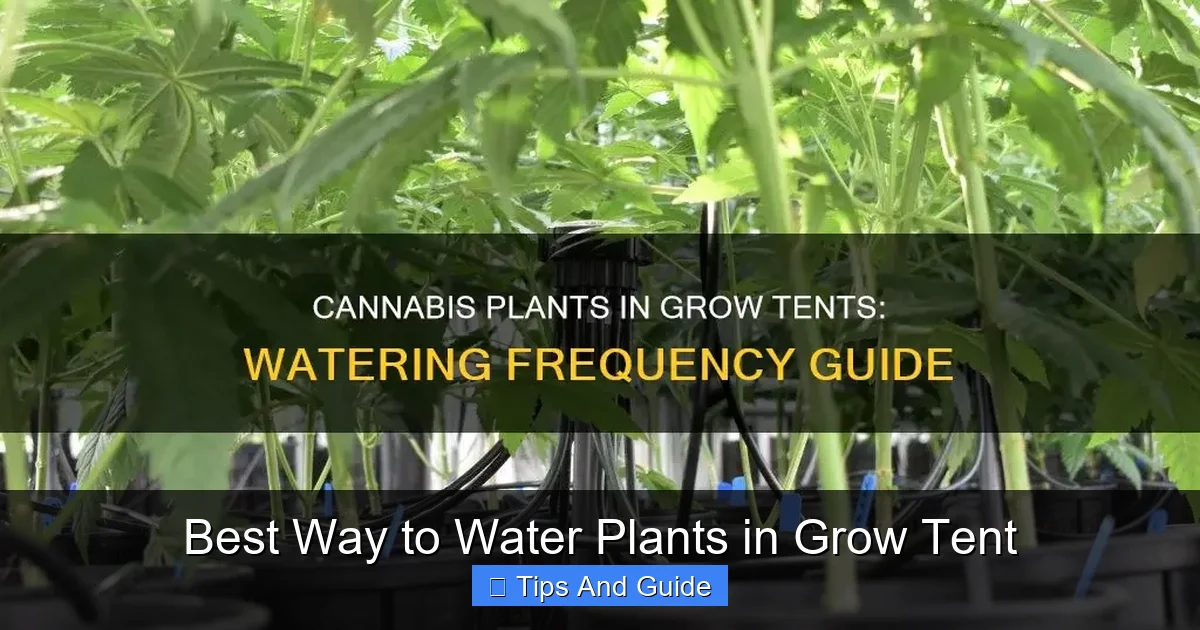
Watering plants in a grow tent isn’t just about pouring water—it’s about precision, timing, and consistency. The best way to water plants in a grow tent involves understanding your plants’ needs, using the right tools, and maintaining proper moisture levels without overwatering. With the right approach, you’ll boost growth, prevent disease, and maximize your harvest.
Key Takeaways
- Check soil moisture regularly: Use your finger or a moisture meter to avoid overwatering or underwatering.
- Water at the base of plants: Prevents leaf wetness, which can lead to mold and fungal issues.
- Use room-temperature water: Cold water can shock roots, while warm water supports better absorption.
- Water in the morning: Allows plants to absorb moisture before peak heat and reduces evaporation.
- Adjust watering based on growth stage: Seedlings need less water; flowering plants need more.
- Ensure proper drainage: Standing water leads to root rot—always use pots with drainage holes.
- Monitor humidity levels: High humidity slows evaporation, so adjust watering frequency accordingly.
📑 Table of Contents
- Why Proper Watering Matters in a Grow Tent
- How to Check When Your Plants Need Water
- The Best Watering Techniques for Grow Tents
- Water Quality and Temperature Tips
- Adjust Watering for Growth Stages and Environment
- Common Watering Mistakes to Avoid
- Tools to Make Watering Easier
- Final Thoughts: Master the Art of Grow Tent Watering
Why Proper Watering Matters in a Grow Tent
Grow tents create a controlled environment for plants, giving you the power to fine-tune light, temperature, and humidity. But one factor that often gets overlooked—or done incorrectly—is watering. Even the best lighting and climate control won’t save your plants if they’re drowning or dying of thirst.
The best way to water plants in a grow tent balances moisture delivery with root health. Unlike outdoor gardens, grow tents trap moisture and heat, which means water behaves differently. Evaporation is slower, roots can suffocate in soggy soil, and humidity levels can spike quickly. That’s why understanding your tent’s unique environment is key to successful watering.
Overwatering is the #1 killer of indoor plants. It leads to root rot, nutrient lockout, and stunted growth. On the flip side, underwatering causes wilting, nutrient deficiencies, and stress. The goal? Consistent, even moisture that mimics natural conditions—without the guesswork.
How to Check When Your Plants Need Water
Before you grab that watering can, ask yourself: Do my plants actually need water right now? The answer isn’t always obvious, especially in a grow tent where conditions change fast.
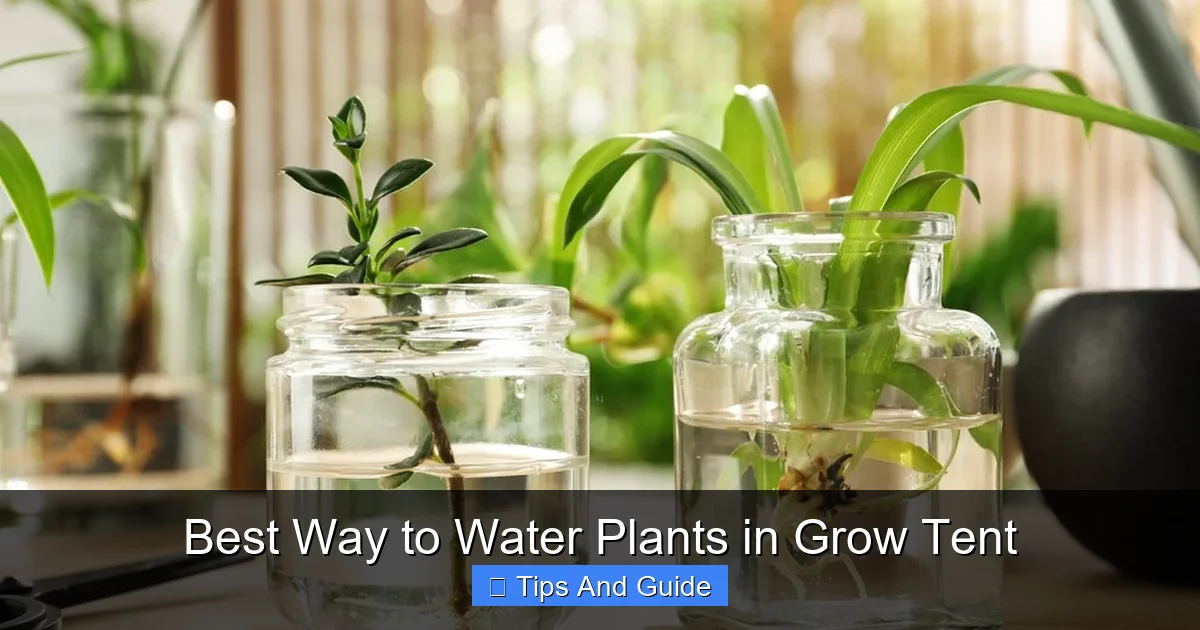
Visual guide about Best Way to Water Plants in Grow Tent
Image source: justhouseplants.com
Use the Finger Test
The simplest method? Stick your finger about 1–2 inches into the soil. If it feels dry, it’s time to water. If it’s still damp, wait a day or two. This quick check prevents overwatering and helps you build a routine based on real soil conditions.
Try a Moisture Meter
For more precision, invest in a moisture meter. These affordable tools give you a digital reading of soil moisture levels. Look for one with a probe that goes deep into the soil—surface dryness can be misleading. Aim for a reading in the “moist” range (usually 3–4 on a 1–10 scale) before watering.
Watch for Visual Cues
Plants often show signs before they’re in crisis. Drooping leaves, dry soil pulling away from the pot edges, or a lighter pot weight are all indicators it’s time to water. But don’t wait until leaves turn yellow or crispy—that’s a sign of advanced stress.
The Best Watering Techniques for Grow Tents
Now that you know when to water, let’s talk about how. The method you use can make or break your plant’s health.
Bottom Watering (Passive Wicking)
This technique involves placing pots in a shallow tray of water and letting the soil absorb moisture from the bottom up. It encourages deep root growth and reduces the risk of overwatering. Simply fill a tray with 1–2 inches of water, place your pots in it, and let them sit for 15–30 minutes. Remove any excess water to prevent root rot.
Top Watering with a Watering Can
The most common method, top watering, is effective when done right. Use a long-spout watering can to direct water to the base of the plant, avoiding the leaves. Pour slowly and evenly until water begins to drain from the bottom. This ensures the entire root zone gets moisture.
Drip Irrigation Systems
For larger setups or busy growers, automated drip systems are a game-changer. These systems deliver water directly to the soil via tubes and emitters, reducing labor and ensuring consistency. Pair it with a timer for hands-off watering that matches your plants’ schedule.
Self-Watering Pots
These pots have a built-in reservoir that feeds water to the soil as needed. They’re perfect for beginners or anyone who travels often. Just keep the reservoir filled, and your plants will stay hydrated without constant monitoring.
Water Quality and Temperature Tips
Not all water is created equal—especially for sensitive indoor plants. The quality and temperature of your water can impact nutrient uptake and root health.
Use Filtered or Reverse Osmosis Water
Tap water often contains chlorine, fluoride, and heavy metals that can build up in the soil and harm plants. If your tap water is hard or chemically treated, consider using filtered or reverse osmosis (RO) water. This gives you cleaner hydration and better control over nutrient levels.
Warm Water Is Better
Always use room-temperature water—around 68–72°F (20–22°C). Cold water can shock the roots, especially in a warm grow tent environment. Warm water is absorbed more efficiently and helps prevent temperature fluctuations in the root zone.
Let Chlorinated Water Sit
If you must use tap water, let it sit in an open container for 24 hours before watering. This allows chlorine to evaporate naturally, reducing its harmful effects on beneficial soil microbes.
Adjust Watering for Growth Stages and Environment
Your watering schedule isn’t one-size-fits-all. It should change based on your plant’s life stage and the conditions inside your grow tent.
Seedlings and Clones Need Gentle Care
Young plants have shallow roots and dry out quickly, but they’re also fragile. Use a spray bottle or misting wand to lightly moisten the soil—never soak it. Overwatering at this stage can drown delicate roots or promote damping-off disease.
Vegetative Stage: Steady Moisture
During veg, plants grow rapidly and need consistent water. Check the soil every 1–2 days and water when the top inch feels dry. Increase volume as plants get bigger and drink more.
Flowering Stage: Watch for Overwatering
In bloom, plants use more water, but overwatering can dilute flavors and reduce yields. Monitor closely and adjust based on plant size and tent humidity. Some growers reduce watering slightly in the final weeks to boost resin production.
Factor in Humidity and Temperature
High humidity slows evaporation, so you may need to water less often. Use a hygrometer to track humidity levels—aim for 40–60% during veg and 40–50% in flower. If your tent is running hot, plants may need more frequent watering. For tips on managing heat, check out best way to keep grow tent cool.
Common Watering Mistakes to Avoid
Even experienced growers make watering errors. Here are the top pitfalls and how to dodge them.
Watering on a Schedule Instead of Need
“Water every Tuesday” sounds organized, but it ignores actual plant needs. Soil moisture, plant size, and environmental factors all change. Always check before watering—don’t rely on the calendar.
Ignoring Drainage
Pots without drainage holes are a recipe for disaster. Water needs a way out. If your pots don’t have holes, drill them or use fabric pots that allow air and water to pass through.
Wetting the Leaves
While it might seem refreshing, wetting leaves in a humid grow tent can invite mold, mildew, and fungal diseases. Always aim for the soil, not the foliage.
Using Cold or Stagnant Water
Cold water shocks roots. Stagnant water breeds algae and bacteria. Always use fresh, room-temperature water for the healthiest results.
Tools to Make Watering Easier
The right gear can simplify your routine and improve results.
- Long-spout watering can: Offers precision and control.
- Moisture meter: Takes the guesswork out of watering.
- pH meter: Ensures water is in the ideal range (5.5–6.5 for soil, 5.8–6.2 for hydro).
- Timer for drip systems: Automates watering for consistency.
- Watering globe or spike: Great for short absences.
Final Thoughts: Master the Art of Grow Tent Watering
Finding the best way to water plants in a grow tent is about observation, consistency, and adaptability. Start with the basics—check soil moisture, water at the base, and use room-temperature water. Then, refine your approach based on your plants’ needs and your tent’s environment.
Remember, every grow is unique. What works for one plant may not work for another. Keep a journal, track your watering schedule, and adjust as needed. Over time, you’ll develop a rhythm that keeps your plants healthy, happy, and productive.
And don’t forget—watering is just one piece of the puzzle. Pair it with proper lighting, airflow, and climate control for the ultimate grow tent success. For help managing humidity, visit best way to control humidity in grow tent. Need to cool things down? Check out best way to cool down grow tent. With the right balance, your plants will thrive.
Frequently Asked Questions
How often should I water plants in a grow tent?
It depends on the plant, soil, and environment. Check the soil moisture every 1–2 days and water when the top inch feels dry. Avoid sticking to a strict schedule—adjust based on need.
Can I use tap water for my grow tent plants?
Yes, but it’s best to let it sit for 24 hours to evaporate chlorine. For better results, use filtered or reverse osmosis water to avoid chemical buildup.
What’s the best time of day to water grow tent plants?
Morning is ideal. It gives plants time to absorb water before peak heat and reduces the risk of mold from overnight moisture.
How do I know if I’m overwatering my plants?
Signs include yellowing leaves, soggy soil, slow growth, and a foul smell from the roots. Check drainage and reduce watering frequency if needed.
Should I water seedlings the same as mature plants?
No. Seedlings need light, frequent misting—not deep watering. Use a spray bottle and keep the soil lightly moist until roots develop.
Do I need a watering system for my grow tent?
Not necessarily. A simple watering can works fine for small setups. But for larger grows or automation, drip systems or self-watering pots save time and improve consistency.
