
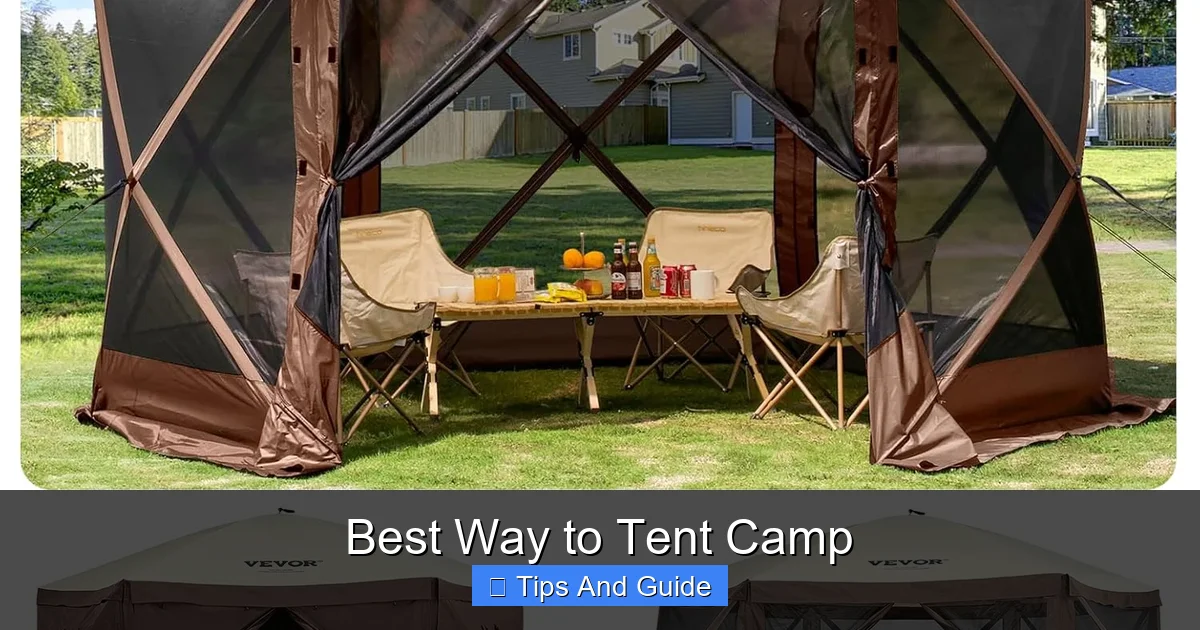
The best way to tent camp combines smart preparation, the right gear, and a solid understanding of campsite selection and tent care. Whether you’re a beginner or a seasoned camper, mastering these essentials ensures a safe, comfortable, and enjoyable outdoor experience under the stars.
Tent camping is one of the most rewarding ways to connect with nature. There’s something magical about falling asleep to the sound of crickets and waking up to birdsong with dew on the grass. But to truly enjoy the experience, you need more than just a tent and a sense of adventure. The best way to tent camp isn’t just about surviving the night—it’s about thriving in the outdoors with comfort, safety, and confidence.
Whether you’re heading out for a weekend getaway or a week-long backpacking trip, preparation is key. Too many campers show up with the wrong gear, poor site selection, or no plan for weather changes—and that can turn a dream trip into a soggy, miserable ordeal. But with the right approach, tent camping can be simple, fun, and deeply refreshing. This guide will walk you through every step of the process, from choosing gear to packing up at the end of your trip.
Key Takeaways
- Choose the right tent: Match your tent size and type to your group, weather, and terrain for maximum comfort and durability.
- Pick a smart campsite: Look for flat, dry ground away from hazards like dead trees, water sources, and insect nests.
- Use a quality sleeping system: A good sleeping pad and sleeping bag are essential for warmth and comfort—don’t skip them.
- Keep your tent dry and cool: Use a tarp, proper ventilation, and moisture-wicking layers to prevent condensation and overheating.
- Practice Leave No Trace principles: Respect nature by packing out trash, minimizing campfire impact, and staying on trails.
- Test gear before you go: Set up your tent at home to avoid surprises and ensure everything works properly in the wild.
- Stay safe and prepared: Bring a first-aid kit, know the weather forecast, and inform someone of your plans.
📑 Table of Contents
Choose the Right Tent for Your Adventure
Picking the right tent is the foundation of a great camping experience. A flimsy or ill-fitting tent can lead to leaks, poor insulation, and sleepless nights. Start by considering how many people will be using it—always size up. A 3-person tent is usually better for two people, giving you space for gear and movement.
Look for a tent with a full-coverage rainfly, sturdy poles, and a waterproof floor. Freestanding tents are easier to set up and move, while ultralight options are ideal for backpackers. For family camping, cabin-style tents offer more headroom and livability. Don’t forget about ventilation—mesh panels and adjustable vents help reduce condensation, which is crucial for staying dry and comfortable.
If you’re camping in cold weather, consider a 4-season tent designed to handle snow and wind. For summer trips, a 3-season tent with ample airflow is usually sufficient. And always check the tent’s hydrostatic head rating—this measures water resistance. A rating of 1500mm or higher is good for most conditions.
Test Your Tent Before You Go
Never assume your tent will work perfectly right out of the bag. Set it up at home before your trip. This helps you learn the process, check for missing parts, and spot any damage. It also gives you a chance to practice pitching it quickly—something that comes in handy when you arrive at camp after dark.
Select the Perfect Campsite
Visual guide about Best Way to Tent Camp
Image source: cdn.pixabay.com
Where you pitch your tent matters more than you might think. The best way to tent camp includes choosing a safe, comfortable, and sustainable spot. Look for flat, dry ground with good drainage. Avoid low areas where water might collect during rain.
Stay at least 200 feet away from lakes, rivers, and streams to protect water quality and reduce insect encounters. Avoid setting up under dead trees or loose branches—these can fall in high winds. Also, steer clear of ant hills, wasp nests, and animal trails.
If you’re in bear country, store food in a bear canister or hang it properly away from your tent. And always follow local regulations—some areas require you to use designated campsites.
Use a Ground Tarp or Footprint
Placing a tarp or tent footprint under your tent protects the floor from rocks, roots, and moisture. Cut the tarp slightly smaller than your tent floor so rain doesn’t pool underneath. This simple step can significantly extend the life of your tent.
Master the Art of Tent Setup
Setting up your tent efficiently makes a big difference, especially when you’re tired or the weather turns. Start by clearing the site of debris, then lay down your footprint or tarp. Orient the tent door away from the wind if possible.
Assemble the poles and connect them to the tent body. Most modern tents use color-coded clips or sleeves to make this easier. Raise the tent, stake it down, and attach the rainfly. Make sure all guylines are taut and secured—this improves stability in windy conditions.
Stake It Right
Use sturdy stakes and drive them in at a 45-degree angle away from the tent. For soft ground, use longer stakes or sand anchors. In rocky areas, you might need to use rocks or logs to secure guylines. Never skip staking—even on calm days, unexpected gusts can damage your tent.
Sleep Comfortably in Your Tent
A good night’s sleep is essential for enjoying your trip. The best way to camp in a tent includes investing in a quality sleeping system. Start with a sleeping pad—this provides insulation from the cold ground and adds cushioning. Inflatable pads are lightweight and comfortable, while foam pads are durable and budget-friendly.
Pair your pad with a sleeping bag rated for the expected temperatures. Down bags are warm and compressible but lose insulation when wet. Synthetic bags are heavier but perform better in damp conditions. For extra warmth, use a fleece liner or wear base layers to bed.
Keep Your Tent Cool and Dry
Condensation inside your tent can make everything feel damp and chilly. To prevent this, keep vents open and avoid bringing wet gear inside. Use a small towel to wipe down walls if needed. In hot weather, maximize airflow by opening all doors and windows. For more tips, check out our guide on the best way to keep your tent cool.
If rain is in the forecast, make sure your rainfly is properly secured and that the ground around your tent slopes away to prevent water from pooling. You can also use a tarp overhead for extra protection—learn how in our article on the best way to hang a tarp over a tent.
Stay Safe and Prepared
Safety should always be a top priority. Bring a well-stocked first-aid kit and know how to use it. Check the weather before you leave and be ready for sudden changes. Pack extra food, water, and clothing in case your trip takes longer than expected.
Let someone know your itinerary and expected return time. Carry a map, compass, or GPS device—even if you’re familiar with the area. And always carry a headlamp or flashlight with extra batteries. For lighting ideas, see our post on the best way to light a tent.
Respect Nature with Leave No Trace
The best way to tent camp also means leaving the wilderness as you found it. Pack out all trash, including food scraps and toilet paper. Use established fire rings if fires are allowed, and fully extinguish flames before leaving. Stay on marked trails to protect plant life and reduce erosion.
Pack Up Like a Pro
When it’s time to go, don’t rush. Take down your tent carefully, shake out dirt and moisture, and let it air dry if possible. Fold it neatly according to the manufacturer’s instructions—this helps prevent creases and damage. Store gear in labeled bags so you can find things quickly next time.
Clean your cooking equipment and store food securely. Double-check your site for any litter or signs of your stay. The goal is to leave no trace behind.
Tent camping doesn’t have to be complicated. With the right mindset and preparation, it can be one of the most fulfilling outdoor activities. The best way to tent camp is to plan ahead, respect nature, and enjoy the simple pleasures of life under canvas.
Frequently Asked Questions
What’s the best way to keep a tent dry in the rain?
The best way to keep a tent dry in the rain is to use a full-coverage rainfly, pitch your tent on high ground, and place a tarp underneath. Make sure the rainfly extends beyond the tent walls and that water can’t pool under the footprint.
How do I stay warm in a tent during cold weather?
To stay warm, use a sleeping bag rated for low temperatures, add a sleeping pad for insulation, and wear warm base layers. You can also use a hot water bottle or hand warmers. For more tips, read our guide on the best way to keep warm in a tent.
Can I camp in a tent during the winter?
Yes, but you’ll need a 4-season tent, a warm sleeping bag, and proper insulation. Avoid melting snow inside the tent and keep vents open to reduce condensation. Check out our article on the best way to keep a tent warm in winter for detailed advice.
How do I prevent bugs from getting into my tent?
Use a tent with fine mesh panels, keep the door zipped at all times, and avoid bringing food inside. Apply insect repellent and consider a bug net for extra protection. Learn more in our post on the best way to keep bugs out of a tent.
Should I use a tarp under my tent?
Yes, a tarp or footprint protects the tent floor from abrasion and moisture. Just make sure it’s slightly smaller than the tent base to prevent water from seeping underneath.
How do I set up a tent quickly?
Practice at home first, use color-coded poles and clips, and work with a partner. Lay out all components before starting, and follow the manufacturer’s instructions step by step.
