
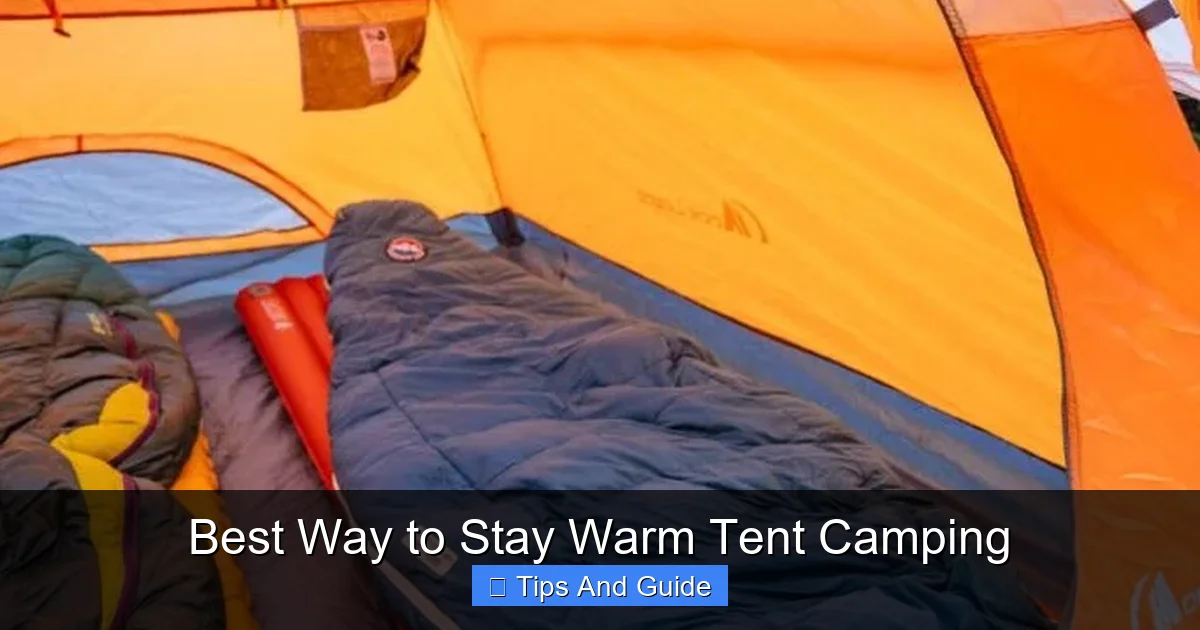
Staying warm while tent camping starts with smart preparation and the right gear. From choosing insulated sleeping pads to layering clothing and using safe heat sources, small changes make a big difference. This guide covers proven strategies to keep you cozy, even on freezing nights.
Key Takeaways
- Use a high R-value sleeping pad: A quality insulated pad prevents heat loss to the ground, which is the biggest source of cold at night.
- Layer your clothing wisely: Wear moisture-wicking base layers, insulating mid-layers, and a windproof outer shell to trap body heat.
- Choose the right sleeping bag: Opt for a bag rated at least 10°F colder than expected temperatures, and consider a liner for extra warmth.
- Insulate your tent floor: Add a footprint, foam pad, or emergency blanket under your tent to block cold from the earth.
- Eat warm, high-calorie meals: Your body burns calories to stay warm—fuel it with hearty foods like oatmeal, soup, or nuts.
- Avoid sweating before bed: Wet clothes and gear lose insulating power—change into dry sleepwear and ventilate your tent to reduce moisture.
- Use safe heat sources carefully: Hand warmers, heated water bottles, or battery-powered heaters can help, but never use open flames inside a tent.
📑 Table of Contents
Why Staying Warm While Tent Camping Matters
Camping is one of the most rewarding ways to connect with nature, but cold nights can quickly turn a fun adventure into a miserable experience. Whether you’re camping in the shoulder season or braving winter conditions, knowing the best way to stay warm tent camping is essential for comfort, safety, and enjoyment.
Hypothermia and frostbite are real risks when temperatures drop, especially if you’re unprepared. But even mild cold can disrupt sleep, lower your mood, and make outdoor activities less enjoyable. The good news? With the right approach, you can stay toasty all night long—no matter how chilly it gets outside your tent.
Choose the Right Sleeping System
Your sleeping setup is the foundation of warmth. A cold sleeping bag or thin pad can undo all your other efforts. Focus on three key components: the sleeping bag, sleeping pad, and tent insulation.
Visual guide about Best Way to Stay Warm Tent Camping
Image source: battlbox.com
Pick a Sleeping Bag Rated for Cold Weather
Your sleeping bag should be rated for temperatures at least 10°F lower than what you expect. For example, if nighttime lows are around 30°F, choose a 20°F bag. Down bags offer excellent warmth-to-weight ratios but lose insulation when wet. Synthetic bags are heavier but perform better in damp conditions.
Consider adding a sleeping bag liner made of fleece or silk. These can boost warmth by 10°F or more and are easy to wash. If you’re camping in winter, look for mummy-style bags that minimize dead air space and have hoods to trap heat around your head.
Invest in a High R-Value Sleeping Pad
Heat escapes downward faster than you might think—up to 70% of body heat can be lost to the ground without proper insulation. That’s why a high R-value sleeping pad is non-negotiable. The R-value measures insulation; aim for at least R-4.0 for three-season camping and R-5.0 or higher for winter.
Closed-cell foam pads (like those from Therm-a-Rest) are durable and affordable, while self-inflating or air pads offer more comfort. For extra warmth, layer two pads—like a foam pad under an inflatable one. This combo maximizes insulation and cushioning.
Insulate Your Tent Floor
Even the best sleeping pad won’t help if cold seeps up from the ground. Always use a tent footprint or tarp under your tent to create a barrier. For added insulation, place a foam sleeping pad or emergency blanket (shiny side up) beneath your main pad. This simple step can make a noticeable difference in warmth.
For winter camping, consider a tent insulation kit or DIY solutions like hanging reflective blankets inside the tent to trap radiant heat.
Dress for Success: Layering Clothing for Warmth
What you wear to bed matters just as much as your gear. Cotton is a no-go—it traps moisture and makes you colder. Instead, use moisture-wicking, breathable fabrics designed for cold weather.
Base Layer: Stay Dry and Warm
Start with a synthetic or merino wool base layer. These materials pull sweat away from your skin and dry quickly. Avoid cotton thermals—they’ll leave you clammy and chilled.
Mid Layer: Trap Body Heat
Add a fleece or down vest as a mid-layer. This is where most of your insulation comes from. If it’s extremely cold, consider wearing insulated pants or thermal leggings to bed.
Outer Layer: Block Wind and Moisture
Even inside the tent, a lightweight windbreaker or softshell jacket can help retain warmth. If you’re using a four-season tent, it already blocks wind, but an extra layer adds peace of mind.
Don’t forget your extremities! Wear warm socks—wool or synthetic blends work best—and consider a beanie or balaclava. Up to 40% of body heat can escape through the head, so covering it is crucial.
Optimize Your Tent Environment
Your tent is your shelter, but it can also be a heat trap—if you set it up right. Small adjustments in placement, ventilation, and gear layout can significantly improve warmth.
Choose the Right Campsite
Set up camp in a sheltered area, away from windy ridges or open fields. Look for natural windbreaks like dense trees or rock formations. Avoid low-lying areas where cold air settles—these “frost pockets” can be several degrees colder than higher ground.
If you’re camping in winter, face your tent door away from prevailing winds. Use a tarp or rainfly to create a windbreak or vestibule for added protection.
Control Moisture and Ventilation
Condensation inside the tent can make everything damp and colder. Crack a vent or leave a small gap in the rainfly to allow moisture to escape. But don’t over-ventilate—too much airflow can chill the interior.
Remove wet gear before entering the tent. Hang damp clothes outside or in a vestibule. If everything is soaked, use a microfiber towel to dry off before getting into your sleeping bag.
Use Safe Heat Sources Wisely
Never use open flames, propane heaters, or stoves inside a tent—carbon monoxide poisoning and fire are real dangers. Instead, opt for safe, portable heat sources.
Chemical hand warmers are inexpensive and effective. Place them in your sleeping bag 10–15 minutes before bedtime to pre-warm the space. Reusable hand warmers can be boiled to reset and used again.
Another favorite trick? Fill a Nalgene bottle with hot water, wrap it in a sock, and place it at your feet. It’s safe, chemical-free, and provides hours of gentle warmth. Just make sure the lid is secure to avoid leaks.
For tech-savvy campers, battery-powered heated blankets or pads (like those from Rumbo or Cozy Products) offer consistent heat without fire risk. Just check battery life and bring extras.
Fuel Your Body to Stay Warm
Your body generates heat by burning calories. Eating well during the day—and especially before bed—helps maintain core temperature.
Eat High-Calorie, Warm Meals
Pack calorie-dense foods like nuts, peanut butter, dried fruit, and energy bars. For dinner, choose warm, hearty meals such as chili, stew, or pasta. Hot drinks like tea, cocoa, or broth also raise internal temperature and are comforting before sleep.
Avoid alcohol—it may make you feel warmer initially, but it actually lowers core body temperature by dilating blood vessels.
Stay Hydrated
Dehydration makes you more susceptible to cold. Drink water regularly, even if you don’t feel thirsty. Herbal teas and electrolyte mixes can help maintain hydration without caffeine crashes.
Bonus Tips for Extreme Cold
If you’re camping in freezing or sub-zero conditions, take extra precautions.
Sleep with Your Gear
Keep your boots, gloves, and next day’s clothes inside your sleeping bag or at least under your sleeping pad. This prevents them from freezing overnight and makes mornings much more pleasant.
Use a Four-Season Tent
Three-season tents aren’t designed for heavy snow or high winds. For winter camping, invest in a four-season tent with a sturdy frame, full-coverage rainfly, and excellent ventilation to reduce condensation.
Share Body Heat
If you’re camping with a partner, sleep close together. Two bodies generate more heat than one, and shared warmth can make a big difference on frigid nights.
Final Thoughts: Stay Cozy, Stay Safe
The best way to stay warm tent camping isn’t about one magic trick—it’s about combining smart gear choices, proper clothing, and thoughtful habits. Start with a well-insulated sleeping system, dress in layers, manage moisture, and fuel your body. Add safe heat sources when needed, and always prioritize safety over comfort.
With these tips, you’ll not only survive cold nights—you’ll actually enjoy them. There’s something magical about sipping hot cocoa in a warm sleeping bag while snow falls gently outside your tent. So pack smart, stay dry, and embrace the adventure. Your warm, cozy camping experience starts with preparation.
Frequently Asked Questions
Can I use a space heater in my tent?
No, never use electric space heaters, propane heaters, or open flames inside a tent. They pose serious fire and carbon monoxide risks. Stick to safe alternatives like hand warmers or heated water bottles.
What’s the best sleeping pad R-value for winter camping?
For winter camping, choose a sleeping pad with an R-value of 5.0 or higher. This ensures enough insulation from the cold ground. Layering a foam pad under an inflatable one can boost effectiveness.
Should I wear all my clothes to bed?
Wear dry, warm layers—but avoid overheating. Too many clothes can cause sweating, which leads to dampness and cold. Stick to a base layer, mid-layer, and warm socks, and save extra clothes for layering if needed.
How do I keep my feet warm in the tent?
Wear thick wool socks and consider using foot warmers or a hot water bottle at your feet. Keep your boots inside the tent or under your sleeping pad to prevent freezing.
Is it safe to sleep with a hot water bottle in my sleeping bag?
Yes, as long as the bottle is sealed tightly and wrapped in a sock or cloth. Check for leaks before use. It’s a safe, effective way to add warmth without fire risk.
Can I use a sleeping bag liner in summer?
Yes, but choose a lightweight, breathable liner like silk or thin fleece. It can add a few degrees of warmth on cool summer nights and help keep your bag clean.
