
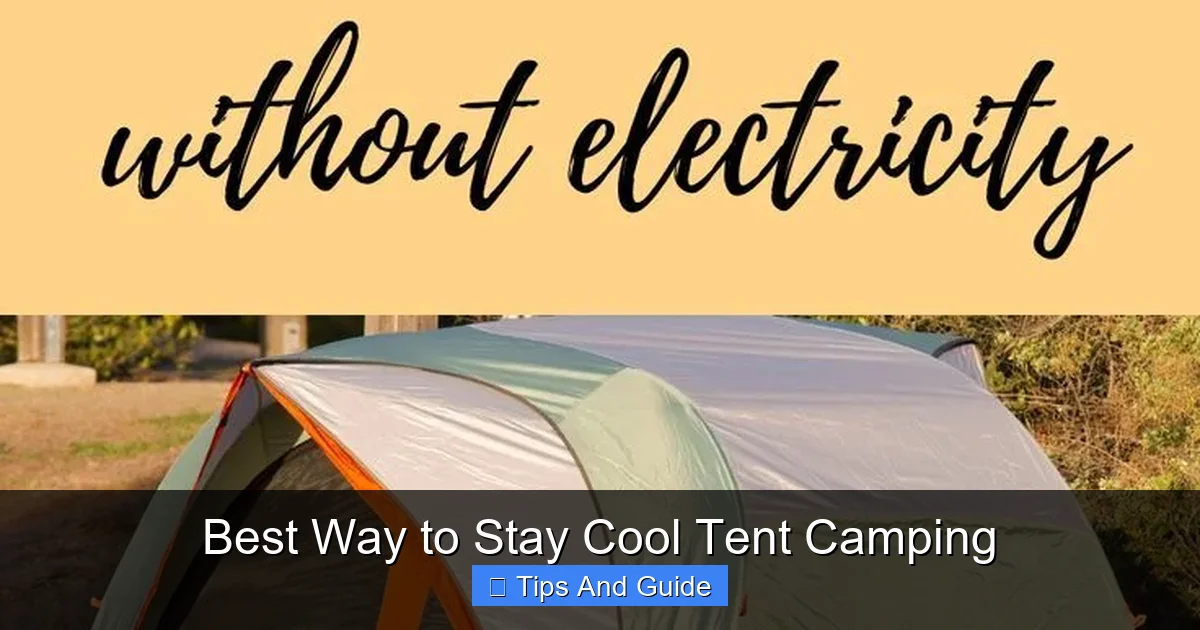
Staying cool while tent camping in hot weather doesn’t have to be a struggle. With smart planning, the right gear, and a few clever tricks, you can beat the heat and enjoy a comfortable outdoor experience. This guide covers everything from tent selection to cooling hacks that actually work.
Key Takeaways
- Choose the right tent: Opt for light-colored, well-ventilated tents with mesh panels to promote airflow and reflect sunlight.
- Use reflective tarps and shade structures: Position a reflective tarp above your tent to block radiant heat from the sun.
- Maximize airflow with smart positioning: Set up your tent to catch prevailing winds and avoid low-lying, hot areas.
- Stay hydrated and cool your body: Drink plenty of water, use cooling towels, and wear breathable clothing.
- Use battery-powered fans and evaporative coolers: Small, portable fans can make a big difference inside your tent.
- Avoid heat buildup during the day: Keep your tent zipped up and shaded when you’re not inside to prevent hot air from getting trapped.
- Sleep smart with cooling gear: Use moisture-wicking sheets, cooling gel pads, or even freeze water bottles for nighttime relief.
📑 Table of Contents
- Introduction: Why Staying Cool Tent Camping Matters
- Choose the Right Tent for Hot Weather
- Use Shade and Reflective Tarps Strategically
- Optimize Tent Placement and Orientation
- Cool Your Body, Not Just Your Tent
- Use Portable Cooling Devices
- Sleep Smart: Nighttime Cooling Tips
- Conclusion: Stay Cool and Enjoy the Outdoors
Introduction: Why Staying Cool Tent Camping Matters
There’s nothing quite like the freedom of tent camping—breathing in fresh air, listening to nature, and sleeping under the stars. But when the temperature soars, that dreamy escape can quickly turn into a sweaty, sleepless nightmare. High heat doesn’t just make you uncomfortable; it can lead to dehydration, heat exhaustion, or worse. That’s why knowing the best way to stay cool tent camping is essential for a safe and enjoyable trip.
Many campers assume that once you’re in the woods, the heat isn’t a big deal. But tents can become ovens during the day, trapping heat and turning into saunas by afternoon. The good news? With a few smart strategies, you can keep your tent—and your body—cool, even in the hottest conditions. Whether you’re camping in the desert, the mountains, or a humid forest, these tips will help you beat the heat without sacrificing adventure.
Choose the Right Tent for Hot Weather
Not all tents are created equal when it comes to staying cool. If you’re planning to camp in warm climates, your tent choice can make or break your comfort level. Start by selecting a tent made from light-colored, breathable materials. Dark tents absorb more heat, while light-colored ones reflect sunlight and stay cooler.
Visual guide about Best Way to Stay Cool Tent Camping
Image source: tentcampingpro.com
Look for Ventilation Features
One of the most important features in a hot-weather tent is ventilation. Look for models with large mesh panels, multiple windows, and roof vents. Mesh allows air to flow through while keeping bugs out—a win-win. Some high-end tents even come with adjustable vents that you can open or close depending on the weather. For example, the REI Co-op Half Dome SL has excellent airflow thanks to its dual doors and full-mesh interior.
Consider Tent Size and Shape
Taller tents with steeper walls allow hot air to rise and escape more easily. Low-profile tents tend to trap heat near the ground where you sleep. If you’re camping with a group, avoid overcrowding—more people mean more body heat. A spacious tent with good airflow is far better than a cramped one, even if it means carrying a bit more weight.
Use Shade and Reflective Tarps Strategically
One of the best ways to keep your tent cool is to prevent heat from building up in the first place. That means creating shade. While trees provide natural shade, they’re not always available or reliable. That’s where tarps come in.
Set Up a Reflective Tarp Above Your Tent
A reflective tarp, also known as a radiant barrier, can reduce tent temperature by up to 10°F. Hang it 12–18 inches above your tent using paracord and trekking poles. Make sure it’s angled to block the sun during peak hours (usually 10 a.m. to 4 p.m.). Silver or Mylar-coated tarps work best because they reflect sunlight instead of absorbing it. You can also use a standard tarp, but reflective ones are far more effective for heat reduction.
Create Side Shade with Additional Tarps
Don’t stop at the roof. Use side tarps or shade sails to block low-angle morning and evening sun. This is especially helpful if you’re camping in open areas with little tree cover. You can even set up a small canopy or pop-up shelter nearby for a cooler lounging area outside the tent.
Optimize Tent Placement and Orientation
Where and how you pitch your tent has a huge impact on temperature. A few smart decisions during setup can keep you cooler all day long.
Face the Door into the Wind
Check the wind direction before setting up. Position your tent so the main door faces the prevailing breeze. This maximizes cross-ventilation and helps push hot air out. If you’re unsure, observe how leaves or grass move, or use a small wind indicator.
Avoid Low-Lying and Rocky Areas
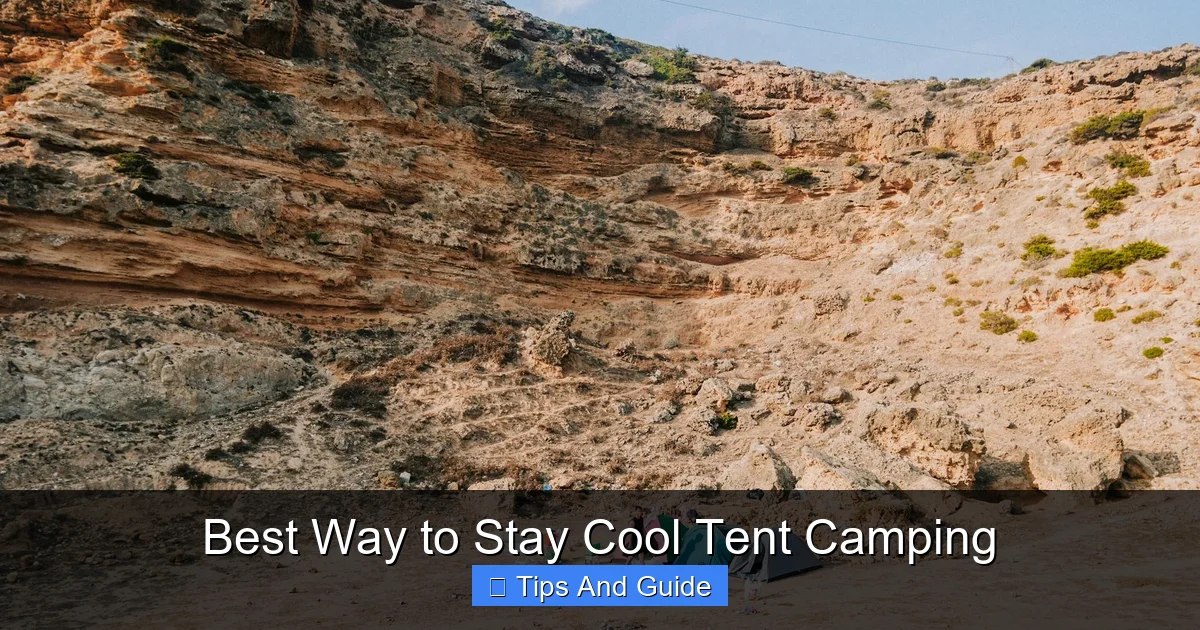
Hot air sinks, so avoid setting up in valleys, depressions, or near large rocks. These areas trap heat and can become significantly hotter than surrounding terrain. Instead, choose a slightly elevated spot with good airflow. Also, avoid direct sun exposure during midday—look for natural shade from trees or cliffs.
Use a Ground Tarp Wisely
A ground tarp protects your tent floor, but dark tarps can absorb heat and warm the ground beneath your tent. Use a light-colored or reflective tarp, or skip it altogether if the ground is dry and debris-free. Alternatively, place the tarp only under the tent floor, not extending beyond it, to minimize heat absorption.
Cool Your Body, Not Just Your Tent
Even with a perfectly shaded, well-ventilated tent, your body generates heat. Staying cool starts with personal habits and gear.
Stay Hydrated and Eat Light
Dehydration makes you feel hotter and reduces your body’s ability to cool itself. Drink water regularly—even if you don’t feel thirsty. Avoid alcohol and caffeine, which can dehydrate you. Eat light, cool meals like salads, fruits, and sandwiches instead of heavy, hot dishes that raise your core temperature.
Use Cooling Towels and Wear Breathable Clothing
Cooling towels soaked in cold water can provide instant relief. Brands like Mission make evaporative towels that stay cool for hours. Wear loose, light-colored clothing made from moisture-wicking fabrics like merino wool or synthetic blends. Avoid cotton, which holds sweat and can make you feel clammy.
Take Cool Showers or Dip in Water
If you’re near a lake, river, or stream, take advantage! A quick swim or even splashing water on your face and neck can lower your body temperature fast. If no water source is available, use a portable camping shower or wet a bandana and place it on your wrists, neck, or forehead—these are pulse points where cooling is most effective.
Use Portable Cooling Devices
While you can’t run an air conditioner in the wilderness, there are portable tools that can help cool your tent.
Battery-Powered Fans
A small, rechargeable fan can dramatically improve airflow inside your tent. Clip-on or handheld models like the OPUMP Portable Fan are lightweight and run for hours on a single charge. Point it toward your sleeping area or use it to circulate air near the tent’s vents. Some fans even have misting attachments for extra cooling.
Evaporative Coolers and DIY Hacks
Evaporative coolers work by blowing air over a wet pad, creating a cooling effect. While full-sized units aren’t practical for camping, you can make a DIY version using a battery fan and a damp cloth. Place the cloth in front of the fan, and as air passes through, it cools down. For a nighttime hack, freeze water bottles and place them near your feet or torso while you sleep—they’ll slowly melt and release cool air.
Sleep Smart: Nighttime Cooling Tips
Nighttime is when many campers struggle most with heat. Even if it cools down outside, your tent can still feel stuffy. Here’s how to sleep comfortably.
Use Moisture-Wicking Bedding
Swap heavy sleeping bags for lightweight, breathable sheets or a summer-rated sleeping bag. Look for materials like bamboo or Tencel that wick moisture and dry quickly. A simple cotton sheet can also work if it’s loose and allows airflow.
Try Cooling Pads or Gel Mats
Cooling gel pads or phase-change mattress toppers can absorb body heat and keep you comfortable. Some campers even use frozen gel packs wrapped in a towel and placed under their sleeping pad. Just be careful not to make it too cold—moderation is key.
Ventilate All Night
Keep tent windows and vents open overnight to let cool air in. If bugs are a concern, use fine mesh screens or apply natural repellents like citronella. You can also sleep with the rainfly off (if the weather permits) to maximize airflow and stargaze at the same time.
Conclusion: Stay Cool and Enjoy the Outdoors
Staying cool while tent camping doesn’t require fancy gear or extreme measures. It’s about making smart choices—from the tent you choose to how you set it up and what you wear. By combining shade, ventilation, personal cooling, and a few clever hacks, you can beat the heat and focus on what really matters: enjoying nature, spending time with loved ones, and making memories that last.
Remember, the best way to stay cool tent camping is a mix of preparation and adaptability. Test your setup before your trip, stay hydrated, and don’t be afraid to adjust your strategy based on the weather. With these tips, you’ll be ready to camp comfortably—even when the mercury climbs.
Frequently Asked Questions
What’s the best way to keep a tent cool in summer?
The best way to keep a tent cool in summer is to use a reflective tarp above the tent, maximize ventilation with mesh panels, and position the tent to catch cool breezes. Staying hydrated and using portable fans also help. For more tips, check out our guide on the best way to keep a tent cool in summer.
Can I use a fan inside my tent?
Yes! Battery-powered or rechargeable fans are safe and effective inside tents. They improve airflow and can be placed near vents or your sleeping area. Just make sure the battery lasts through the night.
Do black tents get hotter than white ones?
Yes, dark-colored tents absorb more sunlight and heat up faster than light-colored ones. Always choose a light or neutral-colored tent for hot-weather camping.
How do I cool down my tent without electricity?
Use natural methods like shade tarps, strategic tent placement, and evaporative cooling with wet cloths. You can also freeze water bottles during the day and use them as cold packs at night. Learn more in our article on the best way to keep tent cool.
Should I keep my tent windows open at night?
Yes, keeping windows and vents open at night improves airflow and helps cool the tent. Use bug screens to prevent insects from entering. For added comfort, see our tips on how to stay cool while tent camping.
What’s the best sleeping setup for hot nights?
Use lightweight, breathable bedding like moisture-wicking sheets or a summer sleeping bag. Pair it with a ventilated tent and consider a cooling gel pad or frozen water bottles for extra relief. For more ideas, visit our guide on the best way to keep cool in a tent.
