
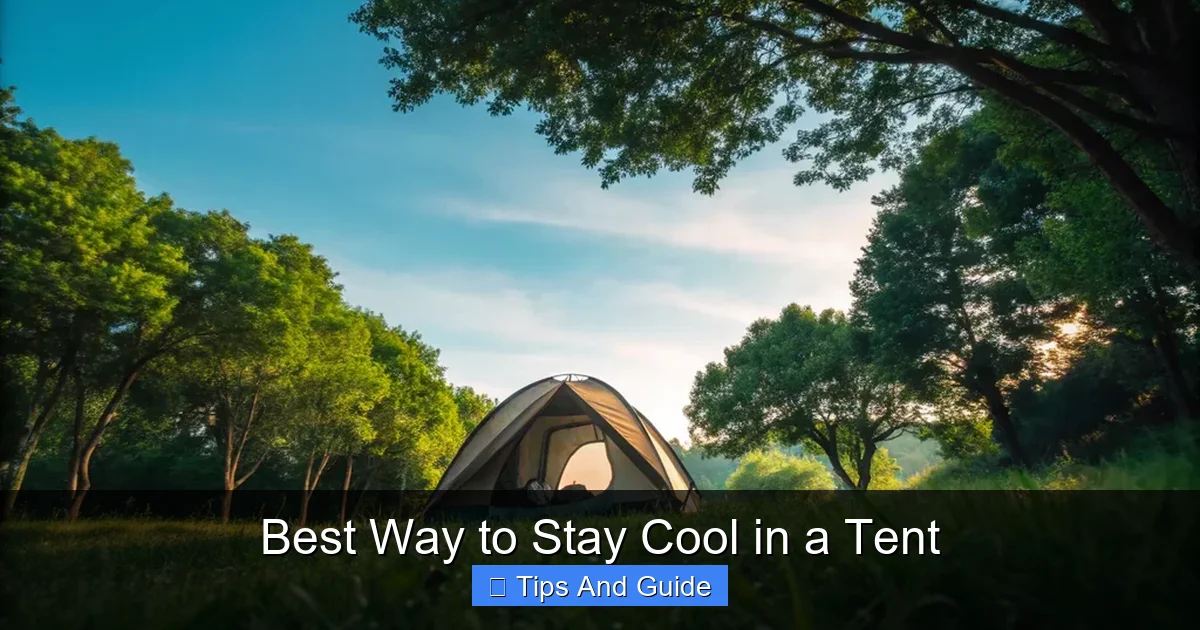
Staying cool in a tent during hot weather doesn’t have to be a struggle. With the right setup, ventilation, and gear, you can beat the heat and enjoy a comfortable night’s sleep under the stars.
Key Takeaways
- Choose a light-colored, well-ventilated tent: Light colors reflect sunlight, and mesh panels improve airflow to keep interior temperatures down.
- Elevate your tent off the ground: Use a raised platform or footprint to reduce heat absorption from the earth.
- Use a reflective tarp or sunshade: Position a reflective tarp above your tent to block direct sunlight and reduce heat buildup.
- Sleep on breathable, moisture-wicking bedding: Cotton sheets and bamboo-based fabrics help regulate body temperature and wick sweat.
- Stay hydrated and use cooling accessories: Drink plenty of water and consider portable fans or cooling towels for added comfort.
- Time your activities wisely: Avoid being in the tent during peak sun hours—plan hikes or shade breaks instead.
📑 Table of Contents
Introduction: Why Staying Cool in a Tent Matters
Camping is one of life’s simple joys—fresh air, starry skies, and the sound of nature. But when the temperature soars, that joy can quickly turn into discomfort. Nothing ruins a camping trip faster than tossing and turning in a sweltering tent all night. Whether you’re backpacking through the desert or car camping at a summer music festival, knowing the best way to stay cool in a tent is essential for both comfort and safety.
High temperatures inside a tent can lead to dehydration, heat exhaustion, and poor sleep. Unlike your home, a tent traps heat quickly, especially when made of dark, non-breathable materials. But don’t worry—there are proven, practical ways to keep your tent cool, even on the hottest days. With a mix of smart gear choices, clever setup techniques, and a few personal cooling hacks, you can transform your tent into a refreshing retreat.
Choose the Right Tent for Hot Weather
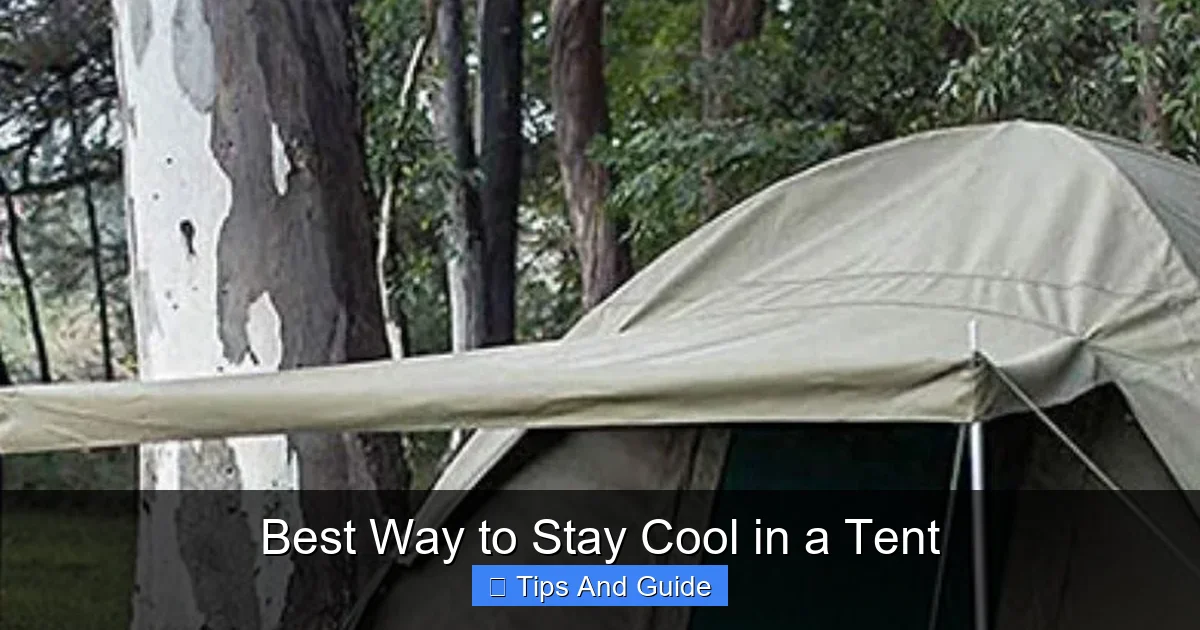
Visual guide about Best Way to Stay Cool in a Tent
Image source: i.pinimg.com
Not all tents are created equal when it comes to staying cool. If you’re camping in warm climates, your tent choice can make or break your experience.
Opt for Light Colors and Reflective Materials
Dark-colored tents absorb more heat from the sun, turning your shelter into a mini oven by midday. Instead, choose a tent in light colors like white, beige, or light gray. These shades reflect sunlight rather than absorbing it, helping to keep the interior cooler. Some modern tents even feature reflective coatings or UV-resistant fabrics designed specifically for hot weather.
Prioritize Ventilation with Mesh Panels
Look for tents with large mesh windows, roof vents, and multiple doors. Mesh allows hot air to escape while letting in a cooling breeze. A tent with cross-ventilation—where air flows in one side and out the other—is ideal. For example, dome tents with dual doors and high-low venting systems often perform well in summer conditions.
Consider a Double-Wall Tent
While single-wall tents are lighter and great for backpacking, double-wall tents offer better airflow and reduced condensation. The space between the inner and outer layers helps insulate against heat, especially when the rainfly is slightly raised for ventilation. If weight isn’t a major concern, a double-wall tent can be a smart investment for hot-weather camping.
Set Up Your Tent Strategically
Even the best tent won’t stay cool if it’s pitched in the wrong spot. Your campsite selection and setup play a huge role in temperature control.
Find Shade—Natural or Artificial
Whenever possible, set up your tent under trees or near natural shade. A large oak or pine can provide significant relief from the sun. If natural shade isn’t available, create your own. Use a reflective tarp or sunshade above your tent, suspended between trees or poles. Position it so it blocks direct sunlight but still allows airflow underneath. This simple trick can reduce interior temperatures by 10–15°F.
Elevate the Tent Off the Ground
Heat rises from the ground, especially on hot asphalt or rocky terrain. Use a tent footprint or a raised platform to create a barrier between your tent floor and the earth. This not only protects your tent from moisture and abrasion but also reduces heat transfer. For car campers, consider a camping cot or elevated sleeping pad to add another layer of insulation between you and the hot ground.
Face the Tent for Optimal Airflow
Orient your tent so the doors face the prevailing wind. This encourages natural cross-breezes and helps push hot air out. If you’re unsure of wind direction, observe the movement of leaves or use a small wind indicator. Even a gentle breeze can make a big difference in comfort.
Use Cooling Gear and Accessories
Your gear choices can significantly impact how cool you feel inside the tent. From sleeping pads to portable fans, the right accessories can turn a stuffy shelter into a cool oasis.
Invest in a High-Quality Sleeping Pad
Not all sleeping pads are equal when it comes to heat. Closed-cell foam pads are durable and insulate well, but they can trap body heat. In contrast, inflatable pads with reflective layers or open-cell designs allow better airflow. Look for pads labeled “cooling” or “temperature-regulating.” Some even feature gel-infused layers that absorb and dissipate heat.
Try a Battery-Powered Tent Fan
A small, rechargeable fan can do wonders for air circulation. Clip-on or freestanding models designed for camping are lightweight and quiet. Point the fan toward your body or across the tent floor to create a cooling breeze. Some fans even come with misting attachments for extra relief.
Use Cooling Towels and Sheets
Moisture-wicking cooling towels can be soaked in water and draped over your neck or forehead for instant relief. Similarly, sleeping on breathable sheets made from cotton, bamboo, or Tencel helps regulate body temperature. Avoid synthetic fabrics like polyester, which trap heat and moisture.
Optimize Your Sleep Environment
How you sleep inside the tent also affects your comfort. Small adjustments to your routine and setup can lead to big improvements.
Sleep in Light, Breathable Clothing
Ditch the heavy pajamas and opt for lightweight, loose-fitting clothes made from natural fibers. A simple cotton t-shirt and shorts can make a big difference. Going shirtless (if appropriate) also helps your skin breathe and release heat.
Use a Portable Evaporative Cooler
In dry climates, evaporative coolers (also called swamp coolers) can lower the air temperature significantly. These devices use water evaporation to cool the air and can be powered by batteries or USB. While not practical for all campers, they’re a great option for car campers or base camps in arid regions.
Keep the Tent Closed During the Day
It might seem counterintuitive, but keeping your tent zipped up during peak sun hours can prevent hot air from entering. Only open it when you’re ready to sleep or during cooler parts of the day. This helps maintain a stable, cooler internal temperature.
Stay Hydrated and Time Your Activities
Your body’s ability to stay cool starts from within. Staying hydrated is one of the most effective ways to regulate your internal temperature.
Drink Water Regularly
Dehydration reduces your body’s ability to sweat and cool itself. Bring plenty of water and drink consistently throughout the day—even if you don’t feel thirsty. Add electrolyte tablets or powders to your water to replace lost minerals, especially if you’re sweating heavily.
Avoid Peak Heat Hours in the Tent
Plan your day so you’re not inside the tent between 10 a.m. and 4 p.m., when the sun is strongest. Use this time for hiking, swimming, or relaxing in a shaded hammock. Save the tent for early morning or evening when temperatures drop.
Take Cool Showers or Swims
If you’re near a lake, river, or have access to a portable shower, take advantage. A quick dip or rinse before bed can lower your core body temperature and help you sleep better. Just be sure to dry off completely to avoid moisture buildup in the tent.
Conclusion: Beat the Heat with Smart Strategies
Staying cool in a tent doesn’t require expensive gear or complicated setups. By choosing the right tent, setting it up in a shaded, elevated spot, and using breathable bedding and cooling accessories, you can create a comfortable sleeping environment even in the hottest weather. Remember, the best way to stay cool in a tent combines preparation, smart design, and personal habits.
Whether you’re a weekend warrior or a full-time van lifer, these tips will help you enjoy your outdoor adventures without melting. For more detailed advice on specific conditions—like camping in extreme heat or managing humidity—check out our guide on the best way to keep tent cool in hot weather. And if you’re wondering how to stay comfortable in colder months, don’t miss our tips on the best way to keep warm in a tent.
With the right approach, your tent can be a cool, peaceful haven—no matter how high the mercury climbs.
Frequently Asked Questions
What’s the best color for a tent in hot weather?
Light-colored tents, such as white or beige, are best for hot weather because they reflect sunlight instead of absorbing it. Dark tents can become significantly hotter inside, making them less comfortable during summer camping.
Can I use a regular fan in my tent?
Yes, but only if you have a power source. Battery-powered or USB-rechargeable camping fans are ideal for tents. Avoid plug-in fans unless you’re car camping with access to electricity.
How do I keep my tent cool without electricity?
Use natural ventilation, reflective tarps, breathable fabrics, and evaporative cooling methods like wet towels. Staying hydrated and avoiding the tent during peak heat also helps significantly.
Should I leave my tent windows open at night?
Yes, if it’s safe and bug-free. Open windows improve airflow and help release trapped heat. Use mesh screens to keep insects out while allowing cool air in.
Does a tent footprint help with cooling?
Yes, a footprint or ground tarp creates a barrier between the tent floor and hot ground, reducing heat transfer. It also protects the tent from moisture and abrasion.
What’s the best sleeping pad for hot weather?
Look for inflatable or open-cell foam pads with breathable, moisture-wicking covers. Some pads are designed with cooling gel layers or reflective surfaces to help regulate temperature.
