
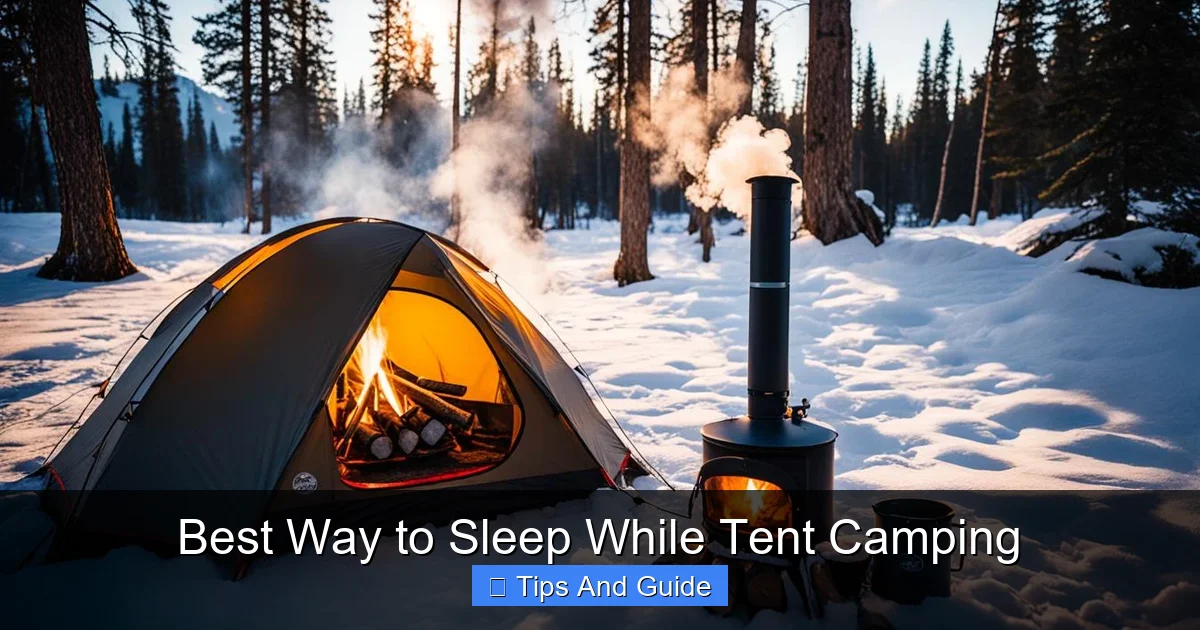
Getting quality sleep while tent camping is essential for enjoying your outdoor adventure. The best way to sleep while tent camping combines the right gear, smart setup, and preparation for weather and terrain. With a few proven strategies, you can turn your tent into a cozy, restful retreat—even miles from civilization.
Key Takeaways
- Choose the right sleeping pad: A quality sleeping pad provides insulation and cushioning, making a huge difference in comfort and warmth.
- <>Use a sleeping bag rated for the season: Match your sleeping bag’s temperature rating to the climate to avoid shivering or overheating.
- Elevate your tent off the ground: Use a footprint or tarp under your tent to prevent moisture and cold from seeping in.
- Control temperature wisely: Ventilate your tent properly and use layers to stay warm or cool as needed.
- Minimize noise and light: Earplugs and a sleep mask help block distractions for deeper sleep.
- Practice good tent hygiene: Keep your gear clean and dry to improve sleep quality and extend equipment life.
📑 Table of Contents
- Why Sleep Matters When Tent Camping
- Choose the Right Sleeping Pad for Comfort and Warmth
- Pick the Right Sleeping Bag for the Conditions
- Optimize Your Tent Setup for Better Sleep
- Stay Warm or Cool—Depending on the Weather
- Minimize Noise and Light for Deeper Sleep
- Maintain Your Gear for Long-Term Comfort
- Conclusion
Why Sleep Matters When Tent Camping
Sleep is one of the most overlooked aspects of camping—yet it’s absolutely critical. Whether you’re hiking through the mountains or relaxing by a lakeside, a good night’s rest keeps you energized, alert, and ready for adventure. Unfortunately, many campers underestimate how different sleeping in a tent can be from sleeping at home. Hard ground, cold air, unfamiliar sounds, and poor gear can turn what should be a peaceful escape into a restless ordeal.
The good news? With a few smart choices, you can dramatically improve your sleep quality. The best way to sleep while tent camping isn’t about luxury—it’s about preparation. From selecting the right sleeping system to setting up your tent properly, small adjustments can lead to big improvements. Think of your tent as your outdoor bedroom: the more comfortable and secure it feels, the better you’ll sleep.
Choose the Right Sleeping Pad for Comfort and Warmth
One of the biggest mistakes campers make is skipping a good sleeping pad—or using an inadequate one. The ground is cold, uneven, and often damp. Without proper insulation, your body heat will escape rapidly, leaving you shivering all night. A quality sleeping pad does two things: it cushions your body and acts as a thermal barrier between you and the cold earth.
Visual guide about Best Way to Sleep While Tent Camping
Image source: reviewsrebel.com
Types of Sleeping Pads
There are three main types of sleeping pads: foam, self-inflating, and air pads. Foam pads, like closed-cell foam, are lightweight, durable, and never go flat—but they’re less comfortable. Self-inflating pads offer a balance of comfort and insulation and are great for car camping. Air pads are the most comfortable, especially for side sleepers, but they can be prone to punctures and may feel less stable.
Look for R-Value
When choosing a pad, pay attention to the R-value—a measure of thermal resistance. The higher the R-value, the better the insulation. For summer camping, an R-value of 2–3 is usually sufficient. For three-season camping, aim for 3–4. In winter or cold climates, go for 5 or higher. Pairing a high-R pad with a foam underlay can add extra warmth and protect against punctures.
Pro Tip: Double Up
If you’re camping in cooler weather or on rocky terrain, consider using two pads—like a foam pad underneath an air pad. This combo gives you cushioning, insulation, and peace of mind. It’s one of the simplest upgrades for better sleep.
Pick the Right Sleeping Bag for the Conditions
Your sleeping bag is your personal climate control system. Choosing the right one means the difference between a cozy night and a miserable one. The key is matching your bag’s temperature rating to the expected conditions. A bag rated for 30°F won’t keep you warm in 10°F weather—and a 0°F bag will make you sweat in summer.
Understand Temperature Ratings
Sleeping bags are rated by comfort, lower limit, and extreme temperatures. The comfort rating is what most people should focus on—it’s the lowest temperature at which an average person can sleep comfortably. Always size your bag for the coldest expected night, not the average.
Choose the Right Shape
Mummy bags are the most efficient for warmth—they hug your body and reduce dead air space. Rectangular bags are roomier and better for warm weather or people who like to stretch out. Quilt-style bags are lightweight and great for backpacking. For couples, double-wide bags or zipper-compatible bags let you snuggle up for shared warmth.
Use a Sleeping Bag Liner
A liner can boost warmth by 5–15°F and keep your bag cleaner. Silk liners are lightweight and add comfort; fleece liners add serious warmth. They’re also easy to wash, so your main bag stays fresh longer.
Optimize Your Tent Setup for Better Sleep
Where and how you pitch your tent affects everything—from airflow to noise to ground moisture. A well-placed tent can make sleeping easier and more comfortable.
Pick the Right Spot
Look for level, dry ground away from water runoff, dead trees, and animal trails. Avoid low spots where cold air settles. If possible, face your tent door away from the wind. Use a tarp or footprint under your tent to protect the floor and reduce moisture transfer from the ground.
Ventilate for Temperature Control
Condensation builds up quickly in tents, making everything damp and chilly. Keep vents open, even in cold weather, to allow airflow. This reduces moisture and helps regulate temperature. If it’s cold, crack a vent near the top to let warm, moist air escape without letting in drafts.
Use a Tent with Good Airflow
Modern tents often feature mesh panels and dual-layer designs to improve ventilation. If you’re camping in hot weather, consider a tent with a full-coverage rainfly that can be rolled up for maximum airflow. For more tips on staying cool, check out our guide on the best way to keep your tent cool in hot weather.
Stay Warm or Cool—Depending on the Weather
Temperature control is one of the biggest challenges of tent camping. You can’t adjust a thermostat, but you can use smart strategies to stay comfortable.
How to Stay Warm
In cold weather, layer up before bed. Wear dry base layers, socks, and even a beanie. Use a hot water bottle (filled with warm—not boiling—water) at your feet for instant warmth. Avoid eating heavy meals right before bed, as digestion can make you feel colder. For more detailed advice, read our article on the best way to keep warm in a tent.
How to Stay Cool
In hot weather, sleep in lightweight, breathable clothing—or none at all. Use a light sheet instead of a sleeping bag. Open all vents and consider sleeping with the rainfly off if it’s safe. A battery-powered fan can help circulate air. For more cooling tips, see our guide on the best way to keep cool in a tent.
Minimize Noise and Light for Deeper Sleep
Nature is peaceful—but not always quiet. Crickets, wind, rustling leaves, or distant campers can disrupt sleep. Light pollution from headlamps, phones, or the moon can also interfere with your natural sleep cycle.
Use Earplugs and a Sleep Mask
High-quality foam or silicone earplugs can block out most ambient noise. A soft sleep mask helps your body recognize it’s time to rest, even if it’s not fully dark. These small items take up almost no space and can make a huge difference.
Keep Electronics Away
Blue light from phones and tablets suppresses melatonin, the hormone that helps you sleep. Avoid screens at least an hour before bed. If you need light, use a red-filtered headlamp—it’s less disruptive to your circadian rhythm.
Maintain Your Gear for Long-Term Comfort
Even the best gear won’t help if it’s dirty, damp, or damaged. Regular maintenance ensures your equipment performs when you need it most.
Clean and Dry Your Gear
After each trip, air out your sleeping bag and pad. Spot-clean your tent with mild soap and water, then let it dry completely before storing. A damp tent breeds mold and mildew, which can ruin fabric and affect your health. For detailed steps, visit our guide on the best way to clean a tent after camping.
Store Properly
Never store a sleeping bag compressed—it damages the insulation. Use a large storage sack and keep it in a cool, dry place. Tents should be stored loosely in their original bag or a breathable sack.
Conclusion
The best way to sleep while tent camping isn’t about bringing your bed from home—it’s about making smart, intentional choices. Start with a quality sleeping pad and bag suited to the season. Set up your tent on level, dry ground with good ventilation. Control temperature with layers and airflow. Block out noise and light with simple accessories. And always keep your gear clean and dry.
With these tips, you’ll sleep better, wake up refreshed, and enjoy every moment of your outdoor adventure. Remember, great camping starts with great sleep.
Frequently Asked Questions
What is the most important gear for sleeping in a tent?
The most important gear is a good sleeping pad. It provides insulation from the cold ground and cushioning for comfort. Without it, even the best sleeping bag won’t keep you warm.
Can I sleep comfortably in a tent without a sleeping bag?
Yes, in warm weather you can use a lightweight blanket or quilt. But a sleeping bag offers better temperature regulation and protection from moisture and insects.
How do I stop my tent from getting so cold at night?
Use a high-R sleeping pad, wear warm base layers, and ventilate properly to reduce condensation. A hot water bottle or insulated tent footprint also helps.
Is it safe to sleep in a tent during rain?
Yes, as long as your tent is waterproof and properly pitched with a tarp underneath. Avoid low-lying areas where water might pool.
Should I use a pillow when tent camping?
A small camping pillow or a stuff sack filled with clothes can improve comfort. It supports your neck and makes sleeping more restful.
How can I sleep better if I’m a side sleeper?
Use a thicker air pad or double up with a foam pad underneath. A wider sleeping bag or quilt also gives you more room to move.
