
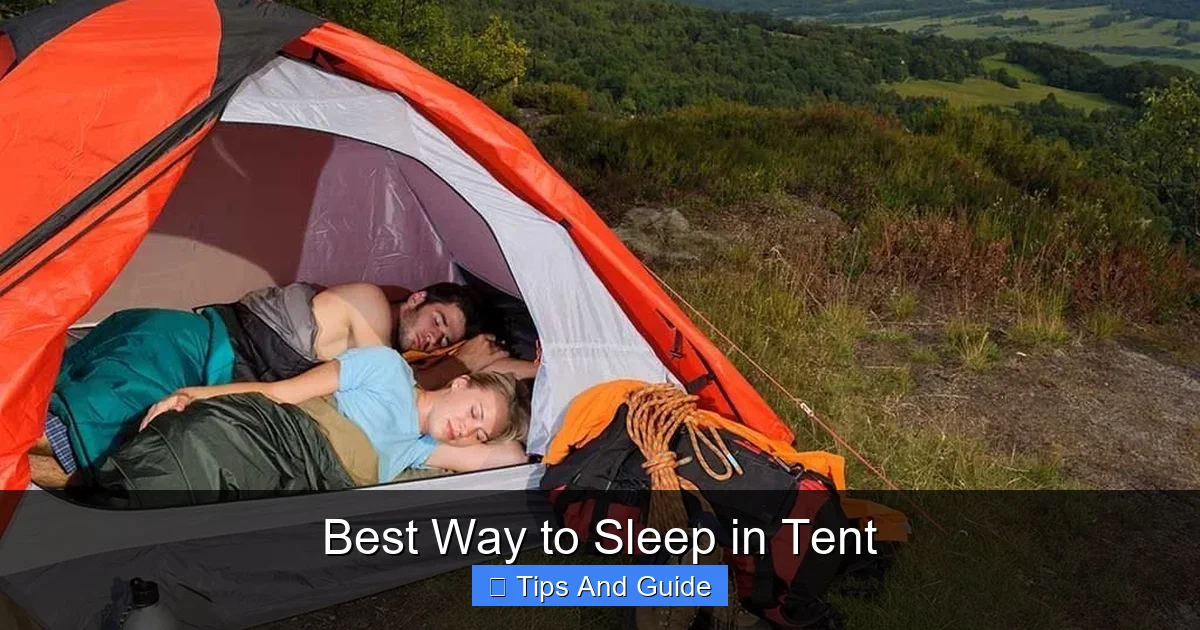
Sleeping in a tent doesn’t have to mean tossing and turning all night. With the right gear, setup, and preparation, you can enjoy a cozy, restful sleep no matter where you camp. This guide covers everything from choosing the right sleeping pad to staying warm or cool—so you wake up refreshed and ready for adventure.
Key Takeaways
- Use a quality sleeping pad: A good pad insulates you from the cold ground and adds cushioning for better comfort.
- Choose the right sleeping bag: Match your bag’s temperature rating to the climate you’re camping in for optimal warmth and breathability.
- Elevate your tent setup: Place your tent on level, dry ground and use a footprint or tarp underneath to prevent moisture and wear.
- Control temperature wisely: Ventilate your tent to reduce condensation and use layering techniques to stay warm or cool as needed.
- Minimize light and noise: Use a sleeping mask and earplugs to block distractions and improve sleep quality.
- Stick to a bedtime routine: Bring familiar items like a pillow or eye mask to signal your body it’s time to rest.
📑 Table of Contents
- Why Sleeping in a Tent Feels Uncomfortable (And How to Fix It)
- Choose the Right Sleeping Pad for Comfort and Warmth
- Pick a Sleeping Bag That Matches the Weather
- Set Up Your Tent for Optimal Sleep
- Stay Warm or Cool—Depending on the Season
- Create a Sleep-Friendly Environment Inside the Tent
- Stick to a Bedtime Routine
- Conclusion
Why Sleeping in a Tent Feels Uncomfortable (And How to Fix It)
Let’s be honest—sleeping in a tent can feel like a rough night, especially if it’s your first time. The ground is hard, it’s either too hot or too cold, and every rustle outside sounds like a bear. But it doesn’t have to be that way. With a few smart adjustments, you can turn your tent into a cozy sleeping pod that rivals your bedroom.
The secret to a good night’s sleep outdoors starts with preparation. It’s not just about having a tent—it’s about creating a sleep system that supports your body and adapts to the environment. Whether you’re camping in the mountains, by a lake, or in your backyard, the best way to sleep in a tent combines the right gear, smart setup, and a few personal comfort tricks.
Choose the Right Sleeping Pad for Comfort and Warmth
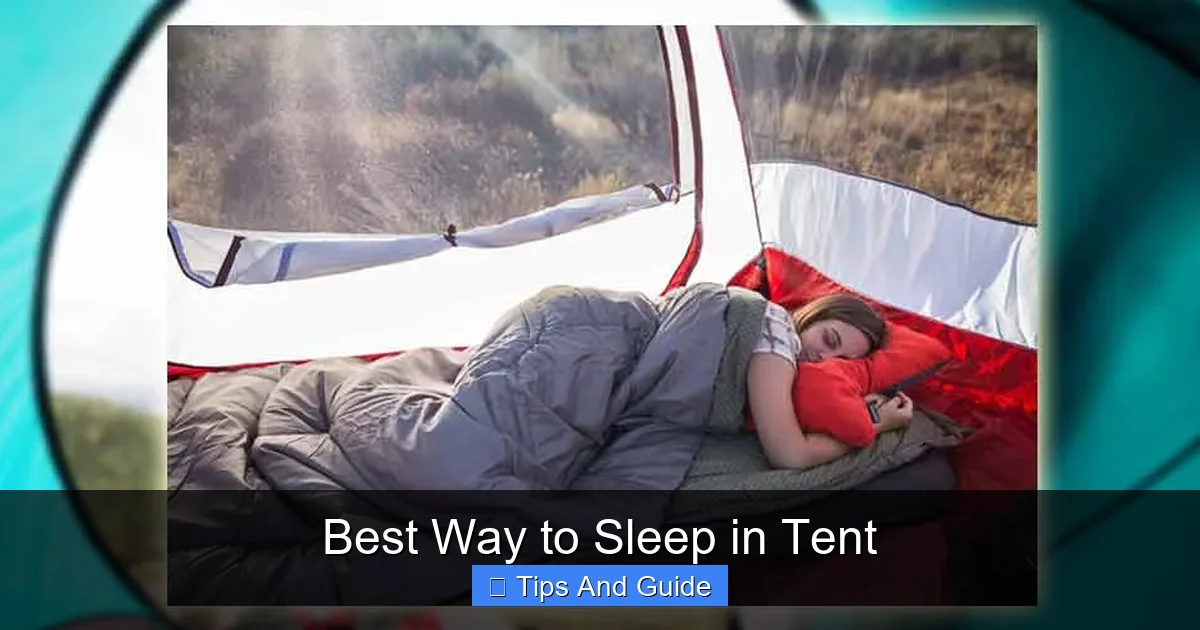
Visual guide about Best Way to Sleep in Tent
Image source: myoutdoors.net
One of the biggest mistakes campers make is skipping a quality sleeping pad. Without it, you’re basically sleeping on the ground—cold, uneven, and unforgiving. A good pad does two things: it cushions your body and insulates you from the cold earth.
Types of Sleeping Pads
There are three main types: foam pads, self-inflating pads, and air pads. Foam pads (like closed-cell foam) are lightweight, durable, and never go flat—but they’re not the most comfortable. Self-inflating pads offer a balance of comfort and insulation, while air pads are the plushest but can puncture easily.
For most campers, a self-inflating pad with an R-value of 3 or higher is ideal. R-value measures insulation—higher numbers mean better warmth. If you’re camping in cold weather, consider doubling up with a foam pad underneath for extra insulation.
Pro Tip: Test Before You Go
Try your pad at home before your trip. Lie on it for 10 minutes and see how it feels. If your hips or shoulders sink in too much, it might not be supportive enough. And always bring a repair kit—just in case.
Pick a Sleeping Bag That Matches the Weather
Your sleeping bag is your personal climate control. But not all bags are created equal. The best way to sleep in a tent starts with choosing a bag rated for the lowest temperature you expect.
Understand Temperature Ratings
Sleeping bags come with comfort, limit, and extreme ratings. The comfort rating is the coldest temperature at which an average woman can sleep comfortably. The limit rating is for men. Always aim for a bag with a comfort rating 10°F lower than the expected low.
For example, if nighttime temps drop to 40°F, choose a bag rated for 30°F. Down bags are lightweight and compress well but lose insulation when wet. Synthetic bags are bulkier but perform better in damp conditions.
Use a Sleeping Bag Liner
A liner can add 10–15°F of warmth and keep your bag cleaner. Silk liners are lightweight and great for summer, while fleece liners add serious warmth in winter. Plus, they feel nice against your skin—like a hotel sheet.
Set Up Your Tent for Optimal Sleep
Where and how you pitch your tent makes a big difference. Even the best gear won’t help if your tent is on a slope or leaking.
Find Level, Dry Ground
Look for a flat spot free of rocks, roots, and puddles. Use a small trowel to clear debris and smooth the area. If the ground is damp, lay down a footprint or tarp first—but don’t let it stick out beyond the tent walls, or rain can pool underneath.
Use a Tent Footprint
A footprint protects the tent floor from abrasion and moisture. It’s a cheap upgrade that extends your tent’s life and keeps you drier.
Stake It Down Properly
Secure your tent with all guylines and stakes. A taut tent sheds wind and rain better and feels more stable at night. If it’s windy, angle stakes away from the tent at 45 degrees for maximum hold.
Stay Warm or Cool—Depending on the Season
Temperature control is key to sleeping well in a tent. Too hot, and you’ll sweat and wake up sticky. Too cold, and you’ll shiver all night.
Staying Warm in Cold Weather
Layer up with moisture-wicking base layers and warm socks. Keep your head covered—up to 50% of body heat is lost through the head. Use a hot water bottle (in a sock) at your feet for extra warmth.
For more tips, check out our guide on the best way to keep warm in a tent.
Staying Cool in Hot Weather
Ventilate your tent by opening vents and doors. Use a battery-powered fan to circulate air. Sleep in lightweight, breathable clothing and consider a cooling towel.
If you’re camping in summer, read our article on the best way to keep tent cool in hot weather for more strategies.
Create a Sleep-Friendly Environment Inside the Tent
Your tent should feel like a sanctuary, not a storage closet. Keep it tidy and minimize distractions.
Use a Sleeping Mask and Earplugs
Even a little light can disrupt your sleep. A soft sleeping mask blocks out sunrise and headlamps. Earplugs drown out snoring partners or nighttime critters.
Bring a Familiar Pillow
A small travel pillow or inflatable camp pillow helps your neck stay aligned. Some people even bring a small piece of their home pillowcase for comfort.
Keep Gear Organized
Use a gear loft or stuff sack to keep clothes and gadgets off the floor. A clean tent reduces stress and makes it easier to relax.
Stick to a Bedtime Routine
Your body loves routine. Even in the wilderness, try to go to bed and wake up at the same time. Avoid screens an hour before bed—instead, read a book or journal by headlamp.
A warm drink (like herbal tea) can signal it’s time to wind down. And if you’re sharing the tent, agree on quiet hours so everyone gets rest.
Conclusion
Sleeping in a tent doesn’t have to be a sacrifice. With the right setup—quality pad, proper bag, smart site selection, and a few comfort hacks—you can enjoy deep, restful sleep under the stars. The best way to sleep in a tent isn’t about luxury; it’s about preparation and paying attention to your body’s needs.
Start with the basics: insulate from the ground, match your gear to the weather, and create a calm, dark space. Add personal touches like a favorite pillow or bedtime tea, and you’ll be amazed how well you sleep.
Remember, every camping trip is a chance to improve. Take notes on what worked and what didn’t. Over time, you’ll develop a sleep system that feels like home—no matter where you pitch your tent.
Frequently Asked Questions
What’s the most important item for sleeping in a tent?
The sleeping pad is the most important. It insulates you from the cold ground and provides cushioning. Without it, even the best sleeping bag won’t keep you comfortable.
Can I sleep in a tent without a sleeping bag?
Technically yes, but it’s not recommended. A sleeping bag regulates your body temperature and protects you from moisture. In cold or wet conditions, skipping it can be dangerous.
How do I stop my tent from getting too hot at night?
Open all vents and doors for airflow. Use a light-colored tent to reflect heat, and avoid covering the tent with a tarp unless necessary. A small fan can also help circulate air.
Should I use a tarp under my tent?
Yes, but only a footprint or properly sized tarp. It protects the tent floor from moisture and abrasion. Make sure it doesn’t extend beyond the tent walls to avoid trapping rainwater.
How can I stay warm in a tent without electricity?
Use a high-R-value sleeping pad, wear warm layers, and add a hot water bottle to your feet. A well-insulated tent and a quality sleeping bag are essential. For more tips, see our guide on the best way to heat a tent without electricity.
What’s the best way to keep bugs out while sleeping?
Make sure your tent zippers are fully closed and use a bug net if your tent doesn’t have one. Avoid eating inside the tent, and keep the area clean to reduce attractants. For detailed advice, check out our article on the best way to keep bugs out of tent.
