
Sleeping comfortably in a tent isn’t just about having the right gear—it’s about creating a cozy, climate-controlled environment that mimics your bedroom at home. From choosing the right sleeping pad to managing temperature and reducing noise, small adjustments can make a big difference in your outdoor rest.
Key Takeaways
- Invest in a quality sleeping pad: A thick, insulated pad provides cushioning and blocks cold ground temperatures, essential for comfort and warmth.
- Use a well-fitted sleeping bag: Choose a bag rated for the season and consider a liner for extra warmth or cooling, depending on conditions.
- Control tent temperature: Ventilate properly to reduce condensation and regulate heat, using fans or insulation as needed.
- Elevate your sleeping surface: Air mattresses or cots can improve airflow and comfort, especially on uneven terrain.
- Minimize noise and light: Use earplugs, eye masks, or white noise apps to block distractions and improve sleep quality.
- Keep your tent dry and clean: Moisture leads to discomfort and cold; always dry gear and use a groundsheet to prevent dampness.
- Wear breathable sleepwear: Moisture-wicking fabrics help regulate body temperature and prevent clamminess during the night.
📑 Table of Contents
- Why Comfort Matters When Sleeping in a Tent
- Choose the Right Sleeping Pad for Support and Insulation
- Pick the Right Sleeping Bag for the Conditions
- Control Temperature and Ventilation Inside the Tent
- Optimize Your Sleeping Surface
- Minimize Noise and Light for Better Sleep
- Final Tips for a Restful Night Under the Stars
Why Comfort Matters When Sleeping in a Tent
Sleeping in a tent can be one of the most rewarding parts of camping—but only if you’re actually able to rest. Too often, campers wake up stiff, cold, or restless after a night on the ground. The truth is, discomfort in a tent usually comes down to a few common issues: poor insulation, lack of cushioning, temperature swings, and external noise. But with the right approach, you can transform your tent into a cozy sleep sanctuary, no matter where you are.
The best way to sleep comfortably in a tent isn’t about luxury—it’s about smart preparation. Think of your tent as a mini bedroom. Just like at home, you need a supportive bed, climate control, and a peaceful environment. Whether you’re backpacking through the mountains or car camping at a festival, these principles apply. The good news? You don’t need to carry a mattress or space heater to get a good night’s sleep. With a few key upgrades and habits, you can rest easy under the stars.
Choose the Right Sleeping Pad for Support and Insulation
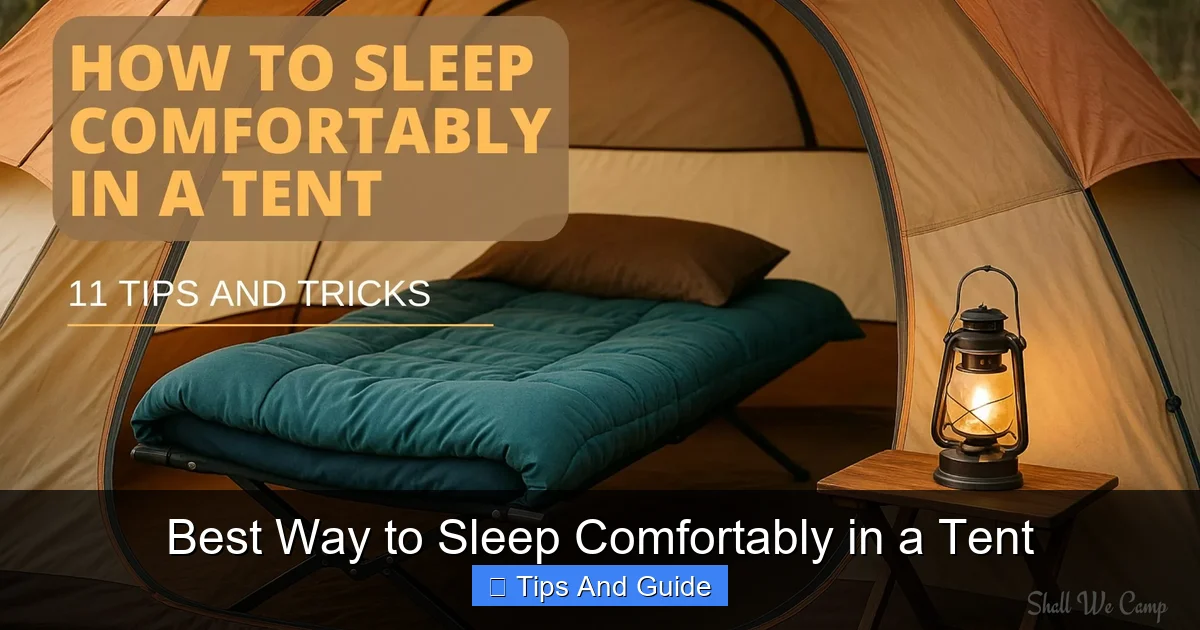
Visual guide about Best Way to Sleep Comfortably in a Tent
Image source: shallwecamp.com
One of the biggest mistakes campers make is underestimating the importance of a good sleeping pad. The ground is cold, hard, and often uneven—so your pad does double duty: cushioning your body and insulating you from heat loss.
Types of Sleeping Pads
There are three main types: foam pads, self-inflating pads, and air mattresses. Foam pads (like closed-cell foam) are lightweight and durable but offer minimal cushioning. Self-inflating pads combine foam with air chambers for better comfort and insulation. Air mattresses are the most comfortable but can be bulky and prone to punctures. For most campers, a high-quality self-inflating pad with an R-value of 3 or higher is the sweet spot.
R-Value: What It Means and Why It Matters
The R-value measures a pad’s resistance to heat flow. The higher the number, the better it insulates. For summer camping, an R-value of 2–3 is fine. For winter or cold ground, aim for 4–6. If you’re camping in snow, consider layering two pads—like a foam pad under a self-inflating one—for maximum warmth.
Pro Tip: Test Before You Go
Don’t wait until you’re in the woods to discover your pad is too thin or leaks air. Inflate it at home, lie on it, and see how it feels. A good pad should support your hips and shoulders without bottoming out.
Pick the Right Sleeping Bag for the Conditions
Your sleeping bag is your personal climate control system. Choosing the wrong one can leave you shivering or overheating.
Temperature Rating Is Key
Sleeping bags are rated for comfort (the temperature at which an average person stays warm) and survival (the lowest temperature before hypothermia risk). Always choose a bag rated for colder than the expected low. For example, if nights dip to 40°F, use a 30°F bag.
Shape and Fit Matter
Mummy bags are snug and efficient at retaining heat, ideal for cold weather. Rectangular bags offer more room but lose heat faster. If you sleep cold, go with a mummy bag and consider a sleeping bag liner. Liners add 5–15°F of warmth and can be washed easily.
Material Matters
Down is lightweight and compressible but loses insulation when wet. Synthetic fills dry faster and perform better in damp conditions. If you’re camping in humid or rainy areas, synthetic might be the better choice.
Control Temperature and Ventilation Inside the Tent
Even with the best gear, a stuffy or freezing tent can ruin your sleep. Managing temperature and airflow is crucial.
Ventilate to Reduce Condensation
Breathing and sweating create moisture inside your tent. Without ventilation, this turns into condensation on the walls—dripping on you and making everything damp. Always open vents or crack the door slightly, even in cold weather. Mesh panels are your friend.
Stay Cool in Summer
In hot weather, heat builds up quickly. Use a battery-powered fan to circulate air, and consider a reflective tarp over the tent to block sunlight. Sleeping in breathable clothing and using a lightweight sheet instead of a bag can also help. For more tips, check out our guide on the best way to keep a tent cool in summer.
Stay Warm in Winter
Cold air sinks, so you lose heat fast on the ground. Layer insulation under and around your sleeping area. Use a hot water bottle (wrapped in a sock) at your feet for gentle warmth. For detailed strategies, see our article on the best way to keep tent warm in winter.
Optimize Your Sleeping Surface
Your tent floor is rarely flat or soft. A few upgrades can make a huge difference.
Use a Footprint or Groundsheet
A groundsheet protects your tent floor from rocks and moisture. It also creates a barrier between you and the cold ground. Make sure it’s smaller than your tent floor to prevent water from pooling underneath.
Consider a Cot or Elevated Bed
If you’re car camping, a portable cot can lift you off the ground, improving airflow and comfort. Cots are especially helpful for people with back pain or those who dislike sleeping close to the floor.
Add a Mattress Topper
For extra cushioning, place a thin foam topper or inflatable mattress pad on top of your sleeping pad. This is a game-changer for side sleepers or anyone with joint sensitivity.
Minimize Noise and Light for Better Sleep
Nature is peaceful—but not always quiet. Wind, animals, and fellow campers can disrupt sleep.
Use Earplugs and Eye Masks
Compact foam earplugs block out snoring neighbors or rustling leaves. A lightweight eye mask helps when the sun rises early or someone leaves a lantern on.
Create White Noise
If silence is too loud, try a white noise app on your phone (with headphones). Gentle rain or fan sounds can mask sudden noises and help you drift off.
Choose a Quiet Campsite
When possible, set up away from trails, water sources, or group areas. A little distance goes a long way in ensuring peace and privacy.
Final Tips for a Restful Night Under the Stars
Small habits can improve your sleep quality. Change into dry clothes before bed—wet socks or pants can chill you all night. Keep your head and feet warm; wear a beanie and use a sleeping bag footbox. Avoid caffeine late in the day, and try to maintain a regular sleep schedule, even while camping.
If you’re camping in extreme conditions, don’t hesitate to layer up. For more on staying warm, read our guide on the best way to heat a tent in winter. And if you’re dealing with damp gear, learn how to dry it properly with our tips on the best way to dry a tent.
With the right setup, sleeping in a tent can be just as comfortable—and far more memorable—than sleeping at home.
Frequently Asked Questions
What’s the most important factor for sleeping comfortably in a tent?
The most important factor is insulation from the ground. A high-quality sleeping pad with a good R-value keeps you warm and cushioned, preventing heat loss and discomfort.
Can I use a regular mattress in a tent?
It’s not practical for most camping trips due to weight and size, but for car camping, a foldable air mattress or camping cot can work well if your tent is large enough.
How do I stay cool while sleeping in a hot tent?
Ventilate your tent fully, use a battery-powered fan, sleep in lightweight clothing, and consider a cooling sleeping bag liner. Avoid dark-colored tents that absorb heat.
Why do I wake up stiff when camping?
Stiffness usually comes from poor support or sleeping on an uneven surface. A thicker sleeping pad, proper sleeping bag fit, and stretching before bed can help.
Is it safe to sleep in a tent in cold weather?
Yes, as long as you use a four-season tent, a properly rated sleeping bag, and adequate insulation. Always monitor weather conditions and avoid hypothermia risks.
How can I reduce condensation inside my tent?
Keep vents open, avoid bringing wet gear inside, and don’t cook or boil water in the tent. Use a towel to wipe down wet walls in the morning.
