
Finding mold on your tent fabric can be alarming, but with the right approach, it’s completely fixable. The best way to remove mold from tent fabric involves a combination of gentle cleaning, proper drying, and preventive care to protect your gear and health.
Key Takeaways
- Act quickly: Mold spreads fast in damp conditions—tackle it as soon as you spot it.
- Use gentle cleaners: Harsh chemicals can damage waterproof coatings; opt for mild soap or vinegar solutions.
- Never scrub aggressively: Scrubbing can tear delicate tent fabric—use soft brushes or cloths instead.
- Dry thoroughly: Complete drying is essential—mold returns if any moisture remains.
- Prevent future growth: Store your tent only when completely dry and in a cool, dry place.
- Check seams and zippers: These areas trap moisture and are common mold hotspots.
- Consider professional help: For severe infestations or vintage canvas tents, consult a specialist.
📑 Table of Contents
- Why Mold Grows on Tent Fabric—And Why It’s a Problem
- Step-by-Step Guide to Safely Remove Mold from Tent Fabric
- Drying Your Tent Properly—The Most Critical Step
- Natural vs. Chemical Cleaners: What Works Best?
- Preventing Mold from Coming Back
- When to Call in the Professionals
- Final Thoughts: Protect Your Investment and Your Health
Why Mold Grows on Tent Fabric—And Why It’s a Problem
Mold on tent fabric isn’t just unsightly—it’s a sign of trapped moisture and poor storage habits. Whether you’ve left your tent packed away after a rainy camping trip or stored it in a humid garage, mold can develop quickly in dark, damp environments. Once it takes hold, it doesn’t just stain your fabric; it can weaken fibers, create unpleasant odors, and even pose health risks like respiratory irritation or allergic reactions.
The good news? Mold is preventable and removable with the right techniques. Most modern tents are made from synthetic materials like polyester or nylon, which resist water but aren’t immune to mold when consistently wet. Canvas tents, often used for glamping or long-term setups, are especially prone due to their absorbent nature. Understanding why mold forms is the first step toward effective removal and long-term protection.
Step-by-Step Guide to Safely Remove Mold from Tent Fabric
Removing mold from your tent doesn’t require harsh chemicals or expensive tools. With patience and the right method, you can restore your tent to safe, usable condition. Always start by setting up your tent in a well-ventilated area—ideally outdoors on a dry, sunny day. This allows for thorough cleaning and natural UV exposure, which helps kill lingering spores.
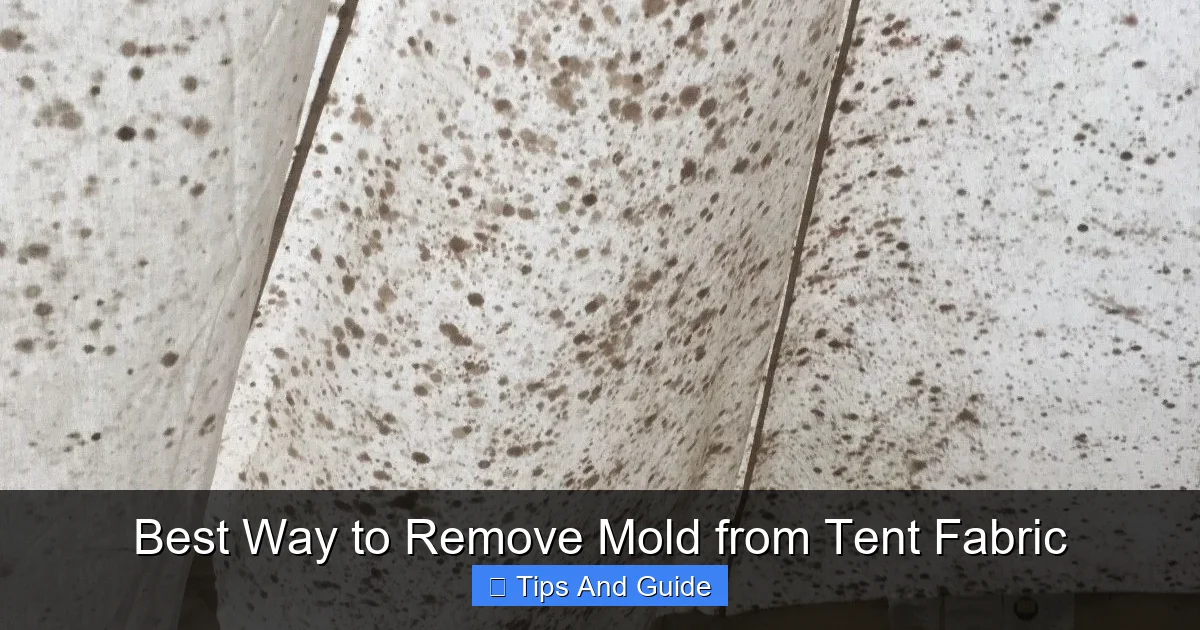
Visual guide about Best Way to Remove Mold from Tent Fabric
Image source: i.pinimg.com
Gather Your Supplies
Before you begin, collect these essentials:
- Mild dish soap or specialized tent cleaner
- White vinegar or baking soda (for natural options)
- Soft-bristle brush or microfiber cloth
- Spray bottle
- Clean buckets of lukewarm water
- Gloves and a mask (for safety)
- Hose or access to running water
Pre-Treatment: Loosen the Mold
Start by gently brushing off any loose mold spores with a dry soft brush. Do this outdoors to avoid spreading spores indoors. Never use a vacuum unless it has a HEPA filter—otherwise, you risk releasing mold into the air. Once surface mold is removed, mix a solution of one part white vinegar to three parts water in a spray bottle. Vinegar is naturally antimicrobial and safe for most tent fabrics. Lightly mist the affected areas and let it sit for 10–15 minutes. For tougher stains, make a paste with baking soda and water and apply it directly to the mold spots.
Gentle Washing Technique
Fill a bucket with lukewarm water and add a small amount of mild dish soap—avoid bleach or ammonia, as they degrade waterproof coatings and can discolor fabric. Dip your soft brush or cloth into the solution and gently scrub the moldy areas using circular motions. Focus on seams, zippers, and corners where moisture lingers. Never soak the entire tent unless absolutely necessary—excess water can seep into seams and cause further damage.
After scrubbing, rinse thoroughly with clean water. If you’re outdoors, a gentle hose spray works well. Make sure all soap residue is removed, as leftover detergent can attract dirt and moisture later.
Drying Your Tent Properly—The Most Critical Step
Even the best cleaning job fails if your tent isn’t dried completely. Mold thrives in moisture, so incomplete drying guarantees a return visit from those fuzzy invaders. After rinsing, shake out excess water and set up your tent in direct sunlight if possible. Sunlight naturally kills mold spores and helps eliminate odors.
Air Drying Tips
Use clotheslines, tent poles, or a clean flat surface to air-dry your tent. Avoid placing it on grass or dirt, which can transfer moisture or stains. Turn the tent inside out if feasible to ensure both sides dry evenly. Pay special attention to floor seams and zipper tracks—these areas often retain moisture. If you’re in a hurry, use fans to increase airflow, but never use a hair dryer or heat gun, as high heat can melt or warp synthetic fabrics.
For more detailed guidance on drying techniques, check out our guide on the best way to dry a tent, which covers everything from rainy-day drying to indoor setups.
Natural vs. Chemical Cleaners: What Works Best?
When it comes to mold removal, you have two main paths: natural remedies or commercial cleaners. Both can be effective, but your choice depends on the severity of the mold and your tent’s material.
Natural Solutions
White vinegar is a powerhouse for mild to moderate mold. Its acidity breaks down mold at the root without damaging fabric. Baking soda adds gentle abrasion and deodorizing power—great for stubborn spots. Tea tree oil is another natural antifungal option; mix 10–15 drops with water in a spray bottle. However, always test any solution on a small, hidden area first to avoid discoloration.
Commercial Cleaners
For heavy mold or delicate fabrics like silicone-coated nylon, consider a cleaner designed specifically for outdoor gear, such as Nikwax Tech Wash or Grangers Performance Wash. These products are pH-balanced and safe for waterproof membranes. Avoid household cleaners like bleach or hydrogen peroxide unless absolutely necessary—they may strip coatings and weaken fibers over time.
If you’re dealing with a canvas tent, our article on how to remove mold from canvas tent offers tailored advice for natural, breathable fabrics that require extra care.
Preventing Mold from Coming Back
Removing mold is only half the battle—prevention ensures it doesn’t return. The number one rule? Never store a damp tent. Even slightly moist fabric can foster mold growth within days. After every trip, take the time to air out your tent, even if it seems dry. Set it up in your backyard or lay it flat in a garage with good airflow.
Smart Storage Practices
Store your tent in a cool, dry place away from basements, attics, or garages with temperature swings. Use a breathable storage bag—not plastic—which traps moisture and encourages mold. Silica gel packs can help absorb residual humidity inside the bag. And always inspect your tent before packing it away; a quick visual check can catch early signs of moisture or mildew.
For campers who frequently face wet conditions, consider using a footprint or ground tarp to minimize ground moisture contact. Also, avoid pitching your tent on wet grass or damp soil whenever possible. If you’re caught in the rain, shake off excess water and dry your tent at the first opportunity—even if it’s just hanging it over a shower rod at home.
For more tips on keeping your tent dry in challenging weather, read our guide on the best way to keep tent dry in rain, which includes setup tricks and gear recommendations.
When to Call in the Professionals
Most mold issues can be handled at home, but sometimes professional help is needed. If your tent has extensive mold covering large areas, emits a strong musty odor even after cleaning, or is a high-value vintage canvas model, consider consulting a textile restoration expert. They have specialized equipment like ozone generators and industrial dryers that can safely eliminate deep-seated mold without damaging delicate materials.
Additionally, if you or someone in your household has asthma or mold allergies, it’s wise to avoid handling severe mold infestations yourself. In such cases, professional cleaning reduces exposure risk and ensures thorough decontamination.
Final Thoughts: Protect Your Investment and Your Health
Your tent is more than just gear—it’s your shelter in the wild, your home away from home. Taking the time to properly clean and maintain it pays off in comfort, longevity, and peace of mind. Mold removal might seem daunting at first, but with the right approach, it’s a manageable task that keeps your adventures safe and enjoyable.
Remember: the best way to remove mold from tent fabric combines gentle cleaning, complete drying, and consistent prevention. By treating your tent with care and attention, you’ll extend its life and ensure it’s ready for every trail, campsite, and sunrise ahead.
Frequently Asked Questions
Can I use bleach to remove mold from my tent?
It’s not recommended. Bleach can damage waterproof coatings, weaken fabric fibers, and cause discoloration. Opt for gentler alternatives like vinegar or specialized tent cleaners instead.
How long does it take to remove mold from a tent?
Most mold removal takes 2–4 hours, including cleaning, rinsing, and initial drying. Full drying may take 24–48 hours depending on weather and ventilation.
Will mold come back after cleaning?
It can if the tent isn’t dried completely or stored improperly. Always ensure your tent is 100% dry before packing it away to prevent recurrence.
Is it safe to sleep in a tent with mold?
No. Mold spores can trigger allergies, asthma, or respiratory issues. Always clean and dry your tent thoroughly before reuse.
Can I machine wash my tent to remove mold?
Generally, no. Machine washing can damage seams, zippers, and coatings. Hand washing with gentle methods is safer and more effective.
Does sunlight kill mold on tents?
Yes! UV rays from sunlight naturally kill mold spores and help eliminate odors. Always dry your tent in direct sun when possible.
