
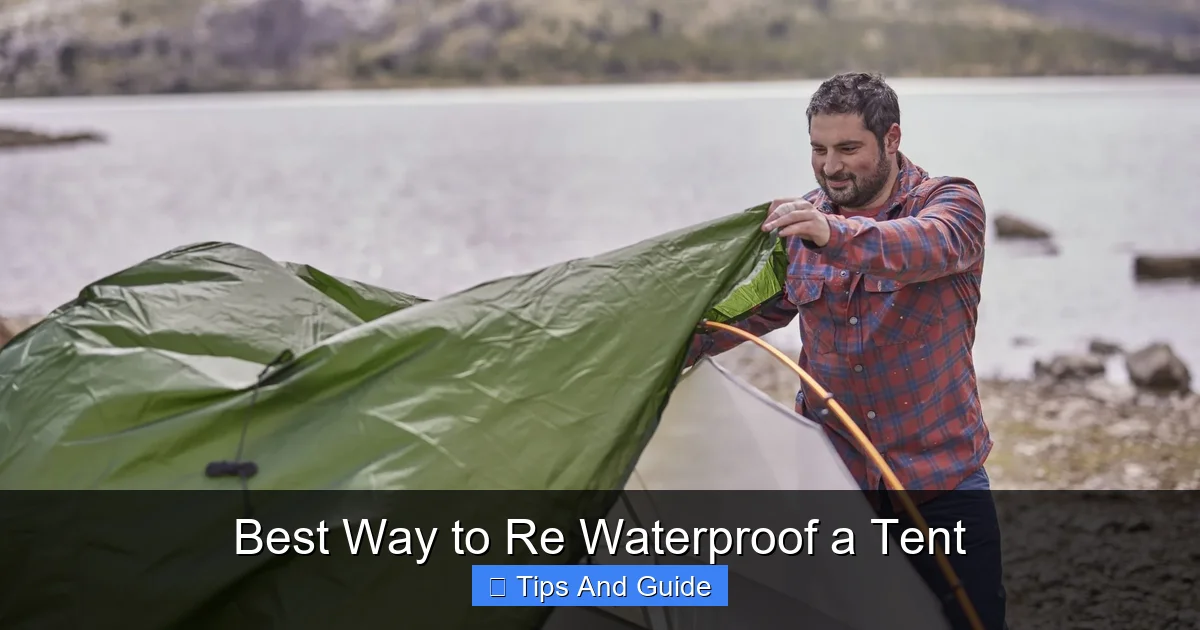
Re waterproofing your tent is essential for staying dry and comfortable on outdoor adventures. Over time, rain, dirt, and UV exposure break down the waterproof coatings, leaving your shelter vulnerable. With the right tools and techniques, you can restore your tent’s water resistance and enjoy many more dry nights under the stars.
Key Takeaways
- Clean the tent thoroughly first: Dirt and grime prevent waterproofing products from bonding properly.
- Use the right product for your tent material: Silicone sprays work best for silicone-coated fabrics, while polyurethane (PU) coatings suit PU-coated tents.
- Focus on seams and stress points: These areas wear out fastest and are most prone to leaks.
- Apply waterproofing evenly and allow proper drying time: Rushing the process can lead to patchy protection.
- Store your tent dry and loosely packed: Proper storage prevents mold and preserves waterproofing longer.
- Reapply every 1–2 years or after heavy use: Regular maintenance keeps your tent ready for any weather.
- Test waterproofing before your next trip: A quick water test ensures your tent is truly ready.
📑 Table of Contents
- Why Re Waterproofing Your Tent Matters
- Signs Your Tent Needs Re Waterproofing
- How to Prepare Your Tent for Re Waterproofing
- Choosing the Right Waterproofing Product
- Step-by-Step Guide to Re Waterproofing Your Tent
- Testing and Maintaining Your Waterproofed Tent
- Final Thoughts: Keep Your Tent Ready for Adventure
Why Re Waterproofing Your Tent Matters
Imagine setting up camp after a long hike, only to find your tent leaking at the seams when it rains. Not fun, right? That’s why knowing the best way to re waterproof a tent is a must-have skill for every camper. Tents are built to withstand the elements, but over time, exposure to rain, sun, and dirt breaks down their protective coatings. Once that happens, water starts seeping through, turning your cozy shelter into a soggy mess.
Waterproofing isn’t just about staying dry—it’s about protecting your investment. A quality tent can last for years, but only if you maintain it properly. Re waterproofing helps prevent mold, mildew, and fabric degradation. It also improves your tent’s overall performance, keeping you comfortable in all kinds of weather. Whether you’re backpacking through the mountains or car camping by the lake, a well-maintained tent is your first line of defense against the outdoors.
Signs Your Tent Needs Re Waterproofing
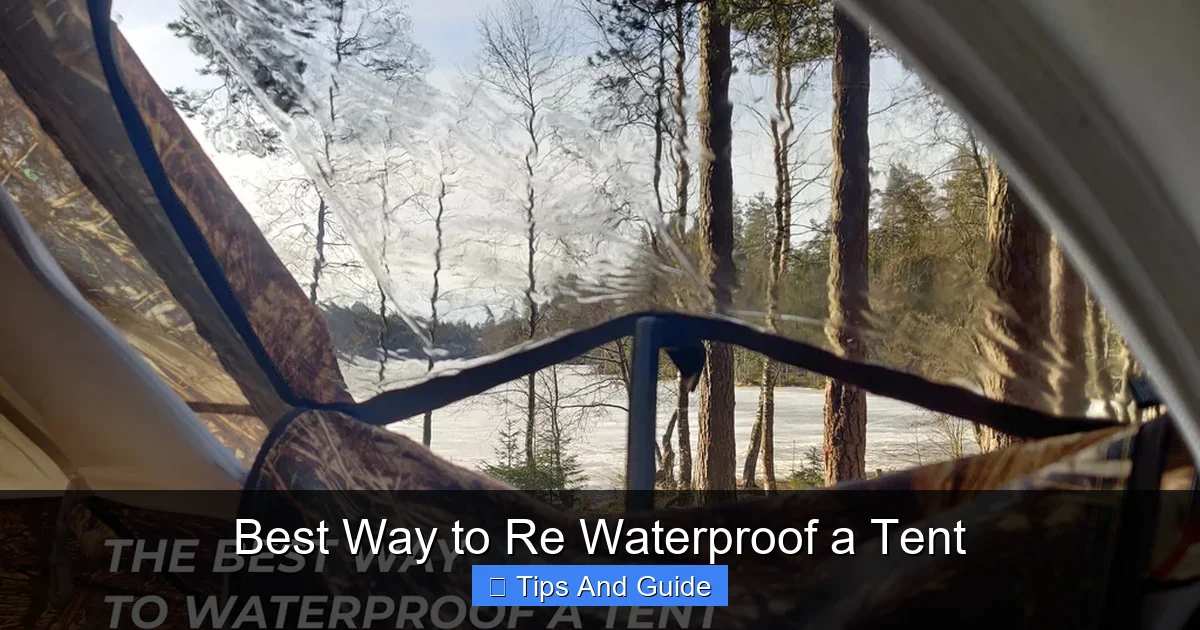
How do you know it’s time to re waterproof your tent? Look for these common signs. First, check for dark spots or damp patches on the fabric after rain—these indicate areas where water is penetrating. You might also notice flaking or cracking on the underside of the rainfly or floor, which means the coating is breaking down.
Visual guide about Best Way to Re Waterproof a Tent
Image source: hot-tent.com
Another clue? Water no longer beads up on the surface. Instead, it soaks in or spreads out. This is a clear sign the Durable Water Repellent (DWR) finish has worn off. Also, pay attention to the seams. If you see water leaking along the stitching lines, the seam tape may have failed or the seam itself needs resealing. Don’t wait until you’re caught in a storm—address these issues before your next adventure.
Common Causes of Waterproofing Failure
Several factors contribute to waterproofing breakdown. UV rays from the sun degrade fabric coatings over time, especially if your tent is left set up for long periods. Dirt, sand, and body oils can clog the fabric’s pores, reducing water resistance. Improper cleaning—like using harsh detergents or washing machines—can strip away protective layers. Even folding your tent while it’s damp can lead to mold, which weakens the material and compromises waterproofing.
How to Prepare Your Tent for Re Waterproofing
Before applying any waterproofing product, your tent must be clean and dry. Start by setting it up in a clean, shaded area. Use a soft brush or sponge to remove loose dirt and debris from the rainfly, walls, and floor. Avoid using pressure washers—they can damage the fabric.
Next, wash the tent with a mild, non-detergent soap like Nikwax Tech Wash or Grangers Performance Wash. These cleaners are designed specifically for outdoor gear and won’t harm waterproof coatings. Rinse thoroughly to remove all soap residue. Never use regular laundry detergent—it leaves behind residues that attract dirt and reduce water repellency.
Drying Your Tent Properly
After washing, let your tent air dry completely. Hang it up or lay it flat in a well-ventilated area, away from direct sunlight. Drying can take several hours or even a full day, depending on humidity. Never pack a damp tent—this can lead to mold and mildew, which are hard to remove and can ruin the fabric. If you’re in a hurry, check out our guide on the best way to dry out a wet tent for quick tips.
Choosing the Right Waterproofing Product
Not all waterproofing sprays are created equal. The best product depends on your tent’s material. Most modern tents use either silicone-coated or polyurethane (PU)-coated fabrics. Silicone-coated tents are lighter and more durable, but they require silicone-based waterproofers. PU-coated tents are common in budget and mid-range models and respond well to PU-based sprays or seam sealers.
Popular options include Nikwax Tent & Gear SolarProof, Grangers Performance Repel, and Gear Aid ReviveX Pro. These products are easy to apply, environmentally friendly, and designed to restore water repellency without stiffening the fabric. Always check the manufacturer’s label or website to confirm your tent’s coating type before buying.
Seam Sealing: Don’t Skip This Step
Seams are the weakest points in any tent. Even the best waterproofing spray won’t stop leaks if the seams aren’t sealed. Use a seam sealer like Gear Aid Seam Grip or McNett Seam Sure. Apply it along all interior seam lines, especially on the rainfly and floor. Use a small brush or applicator for precision. Let it dry for at least 24 hours before packing your tent.
Step-by-Step Guide to Re Waterproofing Your Tent
Now that your tent is clean and dry, it’s time to apply the waterproofing product. Start by shaking the spray bottle well. Hold it about 6–8 inches away from the fabric and spray in even, overlapping strokes. Focus on high-wear areas like the floor, rainfly, and corners. Avoid over-spraying—too much product can leave a sticky residue or stiffen the fabric.
For best results, apply two light coats instead of one heavy coat. Let the first coat dry completely (usually 2–4 hours) before applying the second. If you’re using a wash-in waterproofing treatment, follow the instructions on the label—typically, you’ll add it to a front-loading washing machine or a large tub.
Applying Waterproofing to the Tent Floor
The tent floor takes the most abuse, so it deserves extra attention. Lay the floor flat and spray it thoroughly, especially around the edges and corners where water tends to pool. If your floor has a separate footprint, treat it too. Some campers also apply a layer of seam sealer to the floor seams for added protection.
Testing and Maintaining Your Waterproofed Tent
Once your tent is dry, it’s time to test it. Use a garden hose or spray bottle to simulate rain. Check for leaks, especially around seams and zippers. If you spot any wet spots, reapply sealer or spray to those areas. A successful test means your tent is ready for action.
To keep your tent waterproof longer, follow a few simple care tips. Always store it dry and loosely packed—never stuff it into its bag while damp. Use a footprint or tarp under your tent to reduce wear on the floor. And after each trip, give it a quick wipe-down to remove dirt and moisture. For more on post-trip care, read our article on the best way to clean a tent after camping.
Regular maintenance goes a long way. Re waterproof your tent every 1–2 years, or sooner if you camp frequently or in harsh conditions. Keep an eye on the DWR coating—if water stops beading, it’s time for a refresh. And if you’re camping in extreme weather, consider using a tent insulation liner to reduce condensation and protect the fabric.
Final Thoughts: Keep Your Tent Ready for Adventure
Re waterproofing your tent might seem like a chore, but it’s one of the easiest ways to extend its life and improve your camping experience. With the right tools and a little time, you can restore your tent’s water resistance and enjoy dry, comfortable nights no matter the weather. Remember: a well-maintained tent is a happy tent.
Don’t wait for the next storm to find out your tent isn’t ready. Take the time to clean, seal, and protect your shelter now. Your future self—and your dry sleeping bag—will thank you. And if you’re looking for more ways to improve your camping setup, check out our tips on the best way to keep tent dry in rain for extra peace of mind.
Frequently Asked Questions
How often should I re waterproof my tent?
Most experts recommend re waterproofing your tent every 1–2 years, or after heavy use. If you camp frequently or in wet conditions, you may need to do it more often. Always check for signs of wear before each season.
Can I use regular waterproofing spray on my tent?
No, avoid household waterproofing sprays. They often contain oils or solvents that can damage tent fabric. Use only products designed for outdoor gear, like Nikwax or Grangers, which are safe and effective.
Do I need to re waterproof the inside of my tent?
No, waterproofing is only needed on the outside. The interior should remain breathable to reduce condensation. Applying spray inside can trap moisture and lead to mold.
Can I re waterproof a tent with mold?
Yes, but you must clean the mold first. Use a mixture of water and mild soap, or a specialized cleaner like Grangers Gear Clean. Once clean and dry, you can apply waterproofing. For severe mold, see our guide on how to clean a moldy tent.
Is it safe to re waterproof a tent in the sun?
No, avoid applying waterproofing in direct sunlight. Heat can cause the product to dry too quickly, leading to uneven coverage. Choose a cool, shaded day for best results.
Can I re waterproof a tent while it’s set up?
Yes, you can apply spray-on waterproofing while the tent is pitched. This ensures even coverage and lets you reach all areas. Just make sure it’s completely dry before taking it down.
