
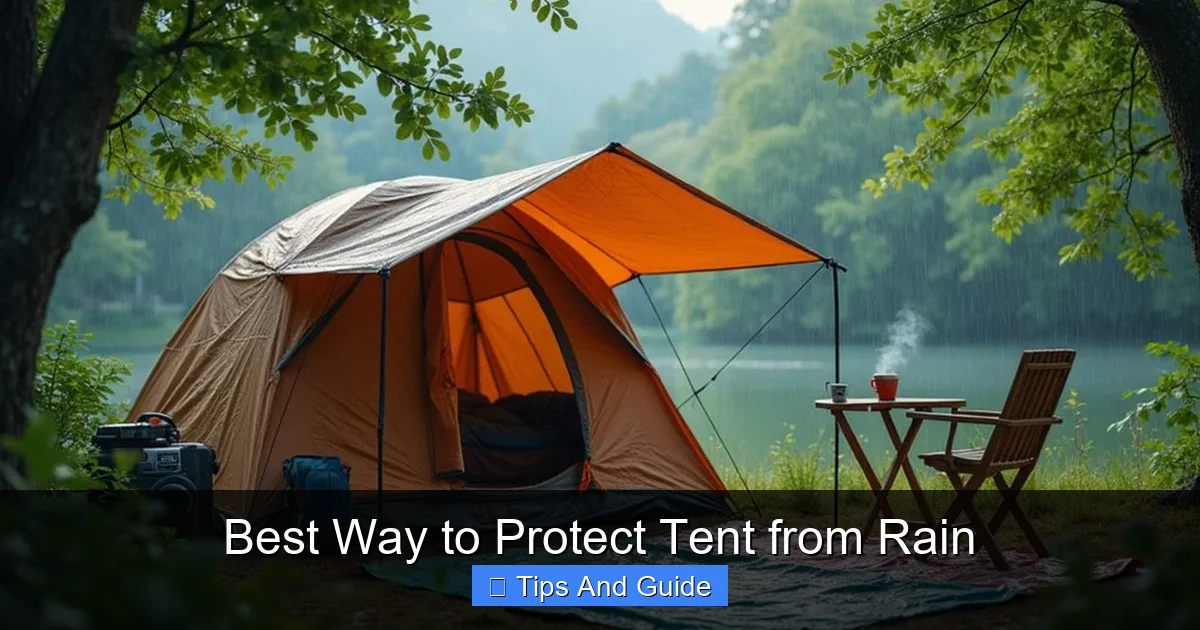
The best way to protect tent from rain involves a combination of proper setup, high-quality gear, and smart preparation. From using a waterproof tarp to sealing seams and choosing the right campsite, these proven strategies will keep you dry no matter the weather.
Camping under a starry sky is one of life’s simple joys—until the sky opens up and turns your peaceful night into a soggy mess. Nothing ruins a trip faster than waking up in a damp sleeping bag or finding your clothes soaked from a leaky tent. But here’s the good news: with the right approach, you can keep your tent bone-dry, even in a downpour. The best way to protect tent from rain isn’t just about buying the most expensive gear—it’s about smart preparation, proper setup, and understanding how water behaves in the outdoors.
Whether you’re a weekend warrior or a seasoned backpacker, rain protection should be at the top of your camping checklist. Rain doesn’t just come from above—it can seep up from the ground, drip through seams, or pool on a poorly pitched rainfly. But don’t worry. With a few proven techniques, you can turn your tent into a waterproof fortress. In this guide, we’ll walk you through everything you need to know to stay dry, from choosing the right tarp to sealing your tent like a pro.
Key Takeaways
- Use a waterproof tarp: A properly placed tarp above your tent adds an extra layer of protection against rain and runoff.
- Seal all seams: Apply seam sealer to stitch lines and zippers to prevent water from seeping through tiny gaps.
- Choose a well-draining campsite: Avoid low spots and set up on slightly elevated ground to reduce the risk of flooding.
- Pitch your tent correctly: Ensure the rainfly is taut and fully covers the tent, with no flapping or sagging.
- Use a footprint or ground tarp: Place a durable ground cloth under your tent to block moisture from rising up from the soil.
- Ventilate your tent: Keep airflow open to reduce condensation, which can make the inside feel damp even without rain.
- Pack a repair kit: Bring duct tape, extra guylines, and seam sealer for quick fixes during unexpected storms.
📑 Table of Contents
Choose the Right Tent for Rainy Conditions
Not all tents are created equal when it comes to rain protection. If you frequently camp in wet climates, investing in a high-quality, waterproof tent is the first step. Look for models with a high hydrostatic head rating—this measures how much water pressure the fabric can withstand before leaking. A rating of 1,500mm or higher is ideal for rain protection.
Double-wall tents are especially effective because they have an inner mesh layer and an outer rainfly. This design reduces condensation and keeps rain off your sleeping area. Single-wall tents, while lighter, are more prone to internal moisture buildup.
Check the Rainfly Coverage
Make sure your tent’s rainfly fully covers the entire structure, including the vestibules. A partial rainfly leaves gaps where water can sneak in, especially during wind-driven rain. Some tents come with full-coverage rainflies, but if yours doesn’t, consider upgrading or using an additional tarp.
Inspect Before You Go
Always inspect your tent before a trip. Look for worn fabric, loose seams, or damaged zippers. Even small tears can become major leaks in heavy rain. If you find damage, patch it with a repair kit or seam sealer. A little maintenance goes a long way in ensuring your tent stays dry.
Use a Waterproof Tarp for Extra Protection
One of the most effective ways to protect your tent from rain is by using a waterproof tarp. A tarp acts as a second roof, shielding your tent from direct rainfall and preventing water from pooling on the rainfly.
How to Hang a Tarp Over Your Tent
The key is to suspend the tarp high enough above the tent to allow airflow—this prevents condensation and gives you space to move. Use trekking poles, trees, or a tarp pole to create a peak. Angle the tarp so water runs off the sides, not onto your tent. For maximum coverage, extend the tarp beyond the tent’s footprint by at least two feet on all sides.
For step-by-step guidance, check out our guide on the best way to hang tarp over tent.
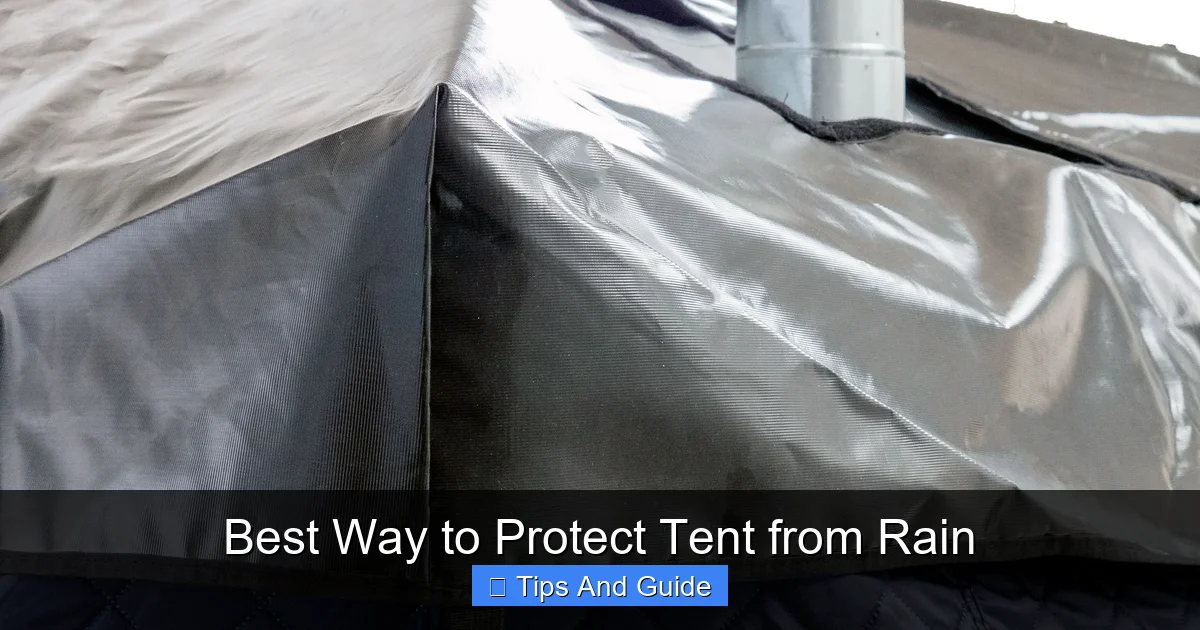
Visual guide about Best Way to Protect Tent from Rain
Image source: overlandsauna.com
Tarp Materials Matter
Choose a tarp made from ripstop nylon or polyester with a silicone or polyurethane coating. These materials are lightweight, durable, and highly water-resistant. Avoid cheap plastic tarps—they tear easily and create condensation underneath.
Seal Seams and Zippers for a Watertight Seal
Even the best tents can leak if the seams aren’t properly sealed. Factory-sealed tents are a great start, but over time, stitching can loosen and allow water to seep through. That’s where seam sealer comes in.
Apply Seam Sealer Correctly
Clean the seams with rubbing alcohol to remove dirt and oils. Then, apply a thin, even layer of seam sealer using a small brush or applicator. Focus on the floor seams, rainfly seams, and zipper flaps. Let it dry completely before packing your tent.
For a deeper dive into keeping your tent dry, read our article on the best way to keep tent dry in rain.
Don’t Forget the Zippers
Zipper flaps should always face downward to prevent water from running into the tent. If your tent has exposed zippers, consider applying a small amount of seam sealer along the edges or using zipper lubricant to improve water resistance.
Set Up on High, Dry Ground
Where you pitch your tent can make or break your rain protection strategy. Avoid setting up in depressions, dry creek beds, or near water sources—these areas are prone to flooding.
Look for Natural Drainage
Choose a spot on slightly elevated ground with good natural drainage. If the soil is soft, use a small trowel to create shallow trenches around the perimeter of your tent. These “French drains” help divert water away from your sleeping area.
Use a Footprint or Ground Tarp
Place a durable ground cloth—also called a footprint—under your tent. This protects the floor from moisture, sharp rocks, and abrasion. Make sure the footprint is slightly smaller than the tent floor so water doesn’t pool underneath and seep up.
Proper Tent Pitching Techniques
How you pitch your tent matters just as much as the gear you use. A poorly pitched tent can collect water, flap in the wind, and leak at the seams.
Keep the Rainfly Taut
When setting up, pull the rainfly tight so it doesn’t sag. Use guylines to anchor the fly away from the tent body. This creates a gap for airflow and prevents water from dripping onto the inner tent.
Avoid Touching the Walls
Inside the tent, avoid letting sleeping bags or clothing touch the walls. Wet fabric can wick moisture through the tent material, especially in humid conditions. Keep gear centered and use a gear loft for extra storage.
Manage Condensation Inside the Tent
Even with perfect rain protection, condensation can make your tent feel damp. This happens when warm, moist air from your breath meets the cold tent walls.
Ventilate Strategically
Keep vents open, even during rain. Use the rainfly’s adjustable vents or slightly crack a door. Cross-ventilation helps moisture escape. If it’s too windy, angle the open side away from the rain.
For more on managing temperature and moisture, explore our tips on the best way to keep your tent cool.
Use a Towel or Cloth
Wipe down wet walls with a quick-dry towel in the morning. This reduces moisture buildup and helps prevent mold and mildew.
Pack Smart and Prepare for Emergencies
No matter how well you prepare, storms can be unpredictable. Always pack a rain-ready emergency kit.
Essential Items to Bring
- Duct tape for quick patch repairs
- Extra guylines and stakes
- Seam sealer and repair patches
- A compact towel
- Waterproof bags for electronics and clothes
Know When to Retreat
If the storm is severe, don’t risk it. Pack up and seek shelter if flooding or high winds are likely. Your safety is more important than saving a campsite.
Conclusion
Staying dry while camping doesn’t have to be a challenge. By combining the right gear—like a quality tent, waterproof tarp, and seam sealer—with smart setup techniques, you can master the best way to protect tent from rain. Choose high ground, pitch your tent correctly, and always be prepared for the unexpected. With these tips, you’ll enjoy cozy, dry nights under the stars, rain or shine.
Frequently Asked Questions
Should I use a tarp under or over my tent?
Use a tarp under your tent as a footprint to protect the floor from moisture and abrasion. Use another tarp over the tent, suspended above the rainfly, for extra rain protection. Just make sure the overhead tarp doesn’t touch the tent to allow airflow.
How often should I reseal my tent seams?
Reseal your tent seams once a year or after heavy use. If you notice water beading or leaking during rain, it’s time to reapply seam sealer. Always test on a small area first.
Can I use a plastic sheet as a ground tarp?
It’s not recommended. Plastic sheets tear easily and trap moisture, leading to condensation. Use a coated nylon or polyester footprint instead for better durability and breathability.
What’s the best way to dry a wet tent?
Hang the tent in a shaded, well-ventilated area to air dry. Avoid direct sunlight, which can degrade fabric. For detailed steps, see our guide on the best way to dry a tent.
Do I need a rainfly if it’s not raining?
Yes, always use the rainfly. It protects against morning dew, unexpected showers, and UV damage. It also helps reduce condensation inside the tent.
How can I prevent water from pooling on my rainfly?
Keep the rainfly taut with guylines and avoid sagging. Pitch your tent on level ground and use a tarp overhead for added slope and drainage.
