
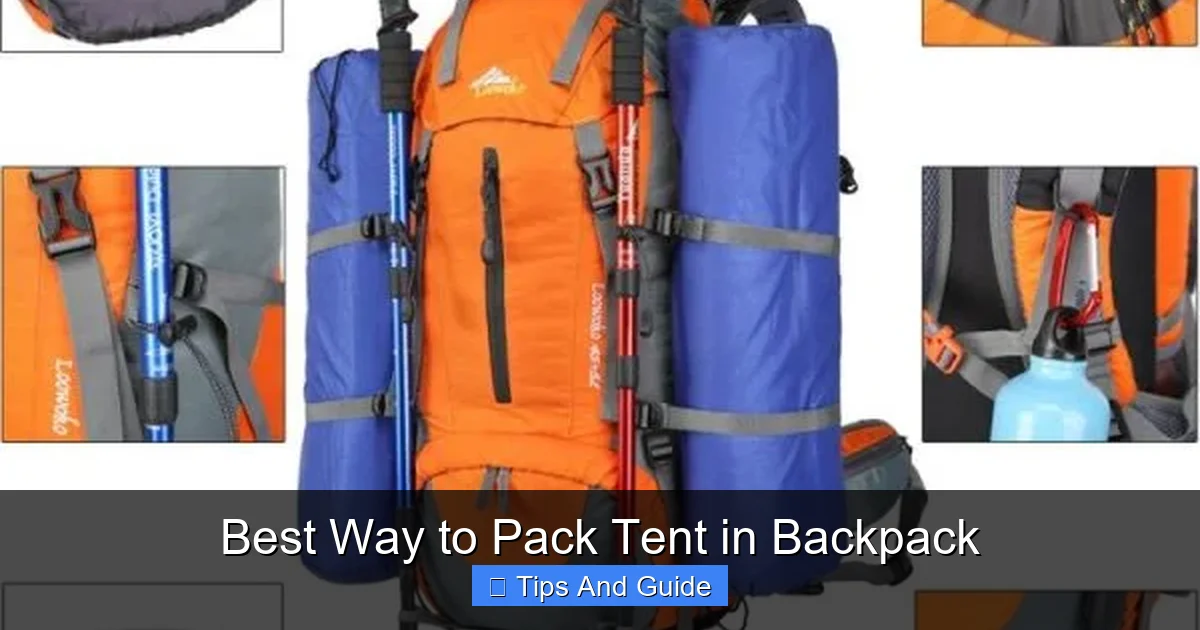
Packing your tent properly in a backpack is key to comfort, balance, and gear protection on the trail. The best way to pack a tent in a backpack involves strategic placement, compact folding, and using compression straps to save space and maintain stability.
Key Takeaways
- Pack the tent body and rainfly separately: This reduces bulk and allows better weight distribution in your pack.
- Use a stuff sack or compression bag: These help shrink the tent’s volume and keep it dry and organized.
- Place the tent near your back and centered: This improves balance and reduces strain during long hikes.
- Fold or roll the tent tightly: A compact bundle fits better and prevents shifting inside the pack.
- Keep the tent poles secure and protected: Store them in a dedicated sleeve or along the pack’s frame to avoid damage.
- Dry the tent before packing: Moisture leads to mold and mildew—always air it out first.
- Consider external attachment if needed: For bulky tents, attaching to the outside of your pack can free up internal space.
📑 Table of Contents
Why Proper Tent Packing Matters
You’ve probably been on a hike where your backpack felt unbalanced, or worse—your tent got soaked because it wasn’t packed right. That’s why knowing the best way to pack a tent in a backpack isn’t just a nice-to-know tip—it’s essential for any outdoor adventure. A poorly packed tent can throw off your center of gravity, cause discomfort, and even damage your gear over time.
When you pack your tent correctly, you’re not just saving space. You’re also protecting one of your most important pieces of camping equipment. Tents are designed to be lightweight and compact, but only if handled properly. Whether you’re heading out for a weekend trip or a multi-day trek, mastering the art of tent packing ensures you stay comfortable, dry, and ready for anything nature throws your way.
Step-by-Step Guide to Packing Your Tent
Packing a tent might seem simple, but there’s a right way and a wrong way. Let’s walk through the process step by step so you can do it like a pro every time.
Visual guide about Best Way to Pack Tent in Backpack
Image source: deepbluemountain.com
1. Dry and Clean the Tent First
Before you even think about folding, make sure your tent is completely dry. Packing a damp tent can lead to mold, mildew, and that unpleasant musty smell. After your trip, set it up in your yard or a clean area to air out. Wipe off dirt, sand, or pine needles with a soft cloth. A clean, dry tent packs better and lasts longer.
2. Disassemble and Organize Components
Take apart your tent completely. Separate the tent body, rainfly, footprint (if you use one), poles, and stakes. Lay them out so you can see everything. This helps prevent losing small parts and makes packing more efficient. Keep stakes in a small pouch or ziplock bag—they’re easy to misplace.
3. Fold or Roll the Tent Tightly
Now comes the folding. You can either fold the tent into a neat rectangle or roll it tightly like a burrito. Rolling often creates a more compact bundle, especially for silnylon or ultralight fabrics. Start from one end and roll firmly, squeezing out air as you go. Avoid sharp creases that can weaken the material over time.
If your tent came with a stuff sack, use it. If not, a lightweight compression sack works great. These sacks have straps that let you squeeze the air out, shrinking the volume significantly. For example, a 2-person tent that’s loosely packed might take up 12 liters, but with compression, it can drop to 6–8 liters.
Where to Place the Tent in Your Backpack
Location matters—a lot. Where you place your tent affects how your backpack feels on your shoulders and how stable it is on uneven terrain.
Ideal Placement: Close to Your Back
The best spot for your tent is high and centered, right against your back. This keeps the weight close to your body’s center of gravity, reducing strain and improving balance. Think of it like carrying a backpack in school—when the heavy books are near your back, it feels lighter.
Avoid placing the tent at the bottom of your pack. That shifts the weight down and makes you lean forward, which can cause back pain over long distances. Similarly, don’t pack it at the very top unless you’re using external attachment points.
Use Internal Compression Straps
Most hiking backpacks have internal straps or dividers. Use these to secure your tent in place. Once your tent is in the ideal position, tighten the straps to prevent it from shifting. A stable load means less fatigue and fewer surprises on the trail.
How to Pack Tent Poles and Stakes
Tent poles and stakes are often overlooked, but they’re just as important as the fabric.
Protect the Poles
Tent poles are usually made of aluminum or carbon fiber—both can bend or snap if mishandled. Never toss them loosely into your pack. Instead, store them in their original sleeve or a dedicated pole compartment if your pack has one. Some backpacks have external side pockets or bungee cords perfect for this.
If you don’t have a sleeve, wrap the poles in a soft cloth or place them along the frame of your backpack. This protects them from impact and keeps them from poking through your gear.
Secure the Stakes
Stakes are small but essential. Lose one, and you might not be able to secure your rainfly in windy conditions. Keep them in a labeled ziplock bag or a small stuff sack. Some hikers attach the bag to the outside of their pack with a carabiner for quick access—just make sure it’s secure and won’t fall off.
Alternative: External Tent Attachment
Sometimes, your tent is just too bulky to fit inside—especially if you’re using a larger family tent or carrying extra gear. In those cases, attaching the tent to the outside of your backpack is a smart option.
Use Top Lid or Side Straps
Many backpacks have top lids with compression straps or side webbing perfect for securing a tent. Roll your tent tightly, place it on top or along the side, and use the straps to cinch it down. Make sure it’s balanced—don’t overload one side, or your pack will feel lopsided.
For extra security, use a dry bag or waterproof cover. This protects your tent from rain and dirt, especially if you’re hiking through muddy or wet terrain. Just remember: external gear is more exposed, so check it regularly during your hike.
Pros and Cons of External Packing
External attachment frees up internal space for food, clothes, or a sleeping bag. It’s great for short trips or when you need quick access to your tent. However, it can affect balance and make your pack more vulnerable to snags on branches. Use this method wisely, especially in dense forests or windy conditions.
Tips for Long-Term Tent Care
Packing your tent correctly isn’t just about convenience—it’s also about longevity. A well-maintained tent can last for years, even decades, with the right care.
Store It Loosely at Home
Never store your tent compressed for long periods. Over time, tight packing can weaken the fabric and coatings. When you get home, unpack everything and store the tent in a loose, breathable bag in a cool, dry place. A cotton storage sack works better than a plastic one, which can trap moisture.
Inspect for Damage
Before and after each trip, check your tent for tears, holes, or worn seams. Small issues can become big problems if left unchecked. Use a patch kit for minor repairs—most tents come with one, or you can buy one separately.
Also, re-waterproof your tent every few seasons, especially if you notice water beading less effectively. A simple spray-on treatment can restore its water resistance and keep you dry in the rain. For tips on staying dry, check out our guide on the best way to keep tent dry in rain.
Common Mistakes to Avoid
Even experienced hikers make packing mistakes. Here are a few to watch out for:
- Packing a wet tent: This leads to mold and fabric damage. Always dry it first.
- Overstuffing the pack: This makes it hard to access gear and can tear seams.
- Ignoring weight distribution: Heavy items should be high and close to your back.
- Losing small parts: Keep stakes, guylines, and repair kits in labeled bags.
- Using the wrong sack: A non-compression sack takes up more space than necessary.
Conclusion
Mastering the best way to pack a tent in a backpack transforms your hiking experience. It’s not just about fitting everything in—it’s about balance, comfort, and protecting your gear. By drying your tent, folding it tightly, placing it near your back, and securing all components, you’ll carry your shelter with confidence and ease.
Whether you’re a weekend warrior or a thru-hiker, these tips will help you pack smarter, hike farther, and stay prepared. And remember, a well-packed tent is the foundation of a great night’s sleep under the stars. For more camping tips, explore our guide on the best way to carry tent on backpack or learn how to stay cozy with our article on the best way to keep warm in a tent.
Frequently Asked Questions
Should I pack my tent wet?
No, never pack a wet tent. Moisture can lead to mold, mildew, and fabric damage. Always let your tent dry completely before packing it away.
Can I roll my tent instead of folding it?
Yes! Rolling is often better than folding because it creates a tighter, more compact bundle and reduces creasing in the fabric.
Where is the best place to put a tent in a backpack?
The best spot is high and centered, close to your back. This improves balance and reduces strain on your shoulders and back.
Do I need a compression sack for my tent?
While not required, a compression sack helps reduce volume and keeps your tent dry and organized. It’s a worthwhile investment for frequent hikers.
Can I attach my tent to the outside of my backpack?
Yes, if it doesn’t fit inside. Use top or side straps, but make sure it’s secure and balanced to avoid discomfort or snags.
How often should I re-waterproof my tent?
Every 2–3 seasons, or whenever you notice water no longer beads up on the surface. Regular maintenance extends your tent’s life.
