
Illuminate your tent effectively with the right lighting choices. Whether you’re camping, hosting an event, or need functional light, this guide covers everything. We explore battery-powered lanterns, LED string lights, and even solar options to ensure you have the best way to light up your tent.
Camping trips, backyard sleepovers, or even just a cozy reading nook in your living room – a well-lit tent can transform the experience. But with so many options out there, what’s the best way to light up a tent? It’s not just about brightness; it’s about creating the right atmosphere, ensuring functionality, and being prepared for any situation. Let’s dive into the world of tent lighting and find the perfect solutions for you.
Think about those camping trips where fumbling in the dark leads to dropped gear or stubbed toes. Or perhaps you’ve tried to read a book inside your tent with only a dim phone screen, straining your eyes. Having adequate and appropriate lighting can make all the difference between a frustrating experience and a memorable one. The best way to light up a tent depends heavily on its purpose and your personal preferences.
### The Classic Choice: Lanterns
When you think of lighting up a tent, a lantern is often the first thing that comes to mind. And for good reason! Lanterns are designed to provide a diffused, ambient light that’s perfect for illuminating the entire space of your tent. They’re versatile, offering enough light to move around, cook, or play games without being too harsh.
LED Lanterns: The Modern Marvel
Today’s lanterns are predominantly LED, and for good reason. They are incredibly energy-efficient, meaning one set of batteries can last for a surprisingly long time. This is crucial when you’re out in the wilderness and battery replacements aren’t readily available. LED lanterns also tend to be more durable and shock-resistant than their older incandescent counterparts, making them ideal for the rugged nature of camping.
When choosing an LED lantern, pay attention to the brightness, measured in lumens. A good all-around camping lantern might offer between 100 to 500 lumens. This range provides enough light to see clearly within a medium-sized tent but isn’t so bright that it’s blinding. Some higher-end models even come with adjustable brightness settings, allowing you to dim the light for a more relaxed atmosphere or crank it up for task-oriented activities.
Don’t forget to consider the color temperature of the light. Warm white (around 2700K-3000K) is often preferred for camping as it mimics natural sunlight and creates a cozy, inviting ambiance. Cooler white light (4000K and above) can be more energizing and better for tasks requiring detailed work, but it can feel a bit sterile in a tent.
Battery-Powered vs. Rechargeable Lanterns
Most LED lanterns run on standard AA or D batteries. These are widely available, which is a huge advantage. However, carrying a good supply of batteries can add weight and bulk to your pack. Rechargeable lanterns, often powered by a USB connection, are a fantastic alternative if you have a portable power bank or access to charging facilities. Many rechargeable lanterns also double as power banks themselves, capable of charging your phone or other small devices.
Practical Tip: Always pack spare batteries, even if you’re using a rechargeable lantern. You never know when you might need them, or if your charging source might fail.
Hands-Free Heroes: Headlamps and Flashlights
While lanterns are great for general illumination, sometimes you need light exactly where you’re looking. This is where headlamps and flashlights shine, especially for activities that require both hands.
Headlamps: Your Tent’s Best Friend for Tasks
A headlamp is arguably one of the most essential pieces of gear for any camper. It straps onto your head, leaving your hands completely free. This is invaluable for setting up your tent in the dark, navigating to the campsite’s facilities, cooking dinner, or reading a map. Look for headlamps with multiple brightness settings and a red light option.
The red light is particularly useful at night. It preserves your night vision, meaning you won’t be blinded by your own light when you step outside your tent, and it’s less likely to disturb sleeping companions. Many headlamps also have a spotlight function for longer throws of light and a floodlight function for wider area illumination.
When choosing a headlamp, consider its water resistance rating (IPX rating) and impact resistance, especially if you’re prone to dropping things or if you anticipate challenging weather. The best headlamps are lightweight and comfortable enough to wear for extended periods.
Compact Flashlights: Backup and Targeted Light
A small, powerful flashlight is a great backup to a headlamp and can also serve specific purposes. They are excellent for quickly scanning the area around your tent or for shining light into tight spots. Many modern flashlights are incredibly compact and run on rechargeable batteries or standard ones.
Practical Tip: Keep a headlamp or a small flashlight easily accessible in a pocket or the top of your backpack, so you don’t have to dig through your gear when you suddenly need light.
Creating Ambiance: LED String Lights
For a touch of magic and coziness, LED string lights are the perfect solution. They’re not typically used for task lighting, but they excel at creating a warm and inviting atmosphere inside your tent, making it feel more like a home away from home.
Versatile and Decorative
These small, often fairy-light style bulbs are powered by batteries and can be draped along the tent poles, walls, or even around sleeping bags. They come in various colors, including warm white, cool white, and multi-colored options, allowing you to customize the mood. Many string lights are also waterproof, making them suitable for use on a porch or even outdoors near your tent.
The gentle glow of string lights can make a significant difference, especially on longer camping trips where you might be spending more time inside the tent. They’re also a hit for backyard campouts with kids or for creating a festive feel during holidays.
Practical Tip: Use small clips or cord organizers to neatly attach string lights to your tent without damaging the fabric. Consider lights with different blinking or fading modes for added fun.
Sustainable Solutions: Solar-Powered Lights
In an era of increasing environmental awareness, solar-powered lights are a brilliant and sustainable way to light up your tent. They harness the sun’s energy during the day to power themselves at night.
Eco-Friendly and Cost-Effective
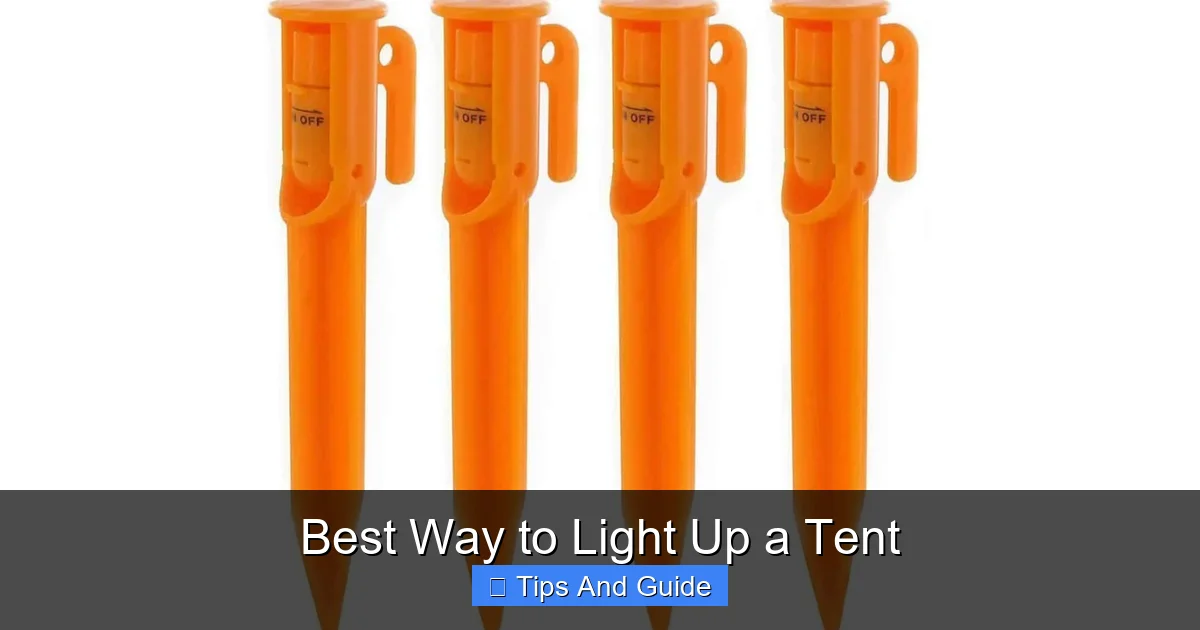
Solar lights often come in various forms, from small stake lights you can place around your campsite to integrated solar panels on larger camping lanterns. The benefit of these lights is that once you’ve made the initial purchase, the energy source is free. This can save you money on batteries in the long run and reduce waste.
However, it’s important to note that the performance of solar lights is directly dependent on sunlight. On cloudy days or in shaded areas, they might not charge fully, leading to shorter illumination times. For this reason, it’s often recommended to have a backup lighting solution, especially if you’re relying solely on solar power.
Some solar camping lanterns also include a USB charging option as a backup, which is a great feature to look for. This gives you the best of both worlds: eco-friendly solar power when available, and reliable USB charging when needed.
Practical Tip: Position your solar lights in direct sunlight for most of the day to ensure optimal charging. Clean the solar panels periodically to remove dust and debris.
Choosing the Right Brightness and Color Temperature
Beyond the type of light source, understanding brightness and color temperature will help you select the best way to light up a tent for your specific needs.
Lumens: The Measure of Brightness
Lumens (lm) measure the total amount of visible light emitted by a source. The higher the lumen count, the brighter the light. For general tent illumination, 100-500 lumens is usually sufficient. If you need a light for tasks like reading fine print or detailed repairs, you might want something brighter, perhaps 500-1000 lumens. For simple ambient mood lighting, 50-100 lumens might be all you need.
Practical Tip: Overly bright lights in a small tent can be uncomfortable and even disorienting. It’s often better to have multiple, lower-lumen sources than one excessively bright one.
Color Temperature: Warm vs. Cool Light
Color temperature is measured in Kelvin (K). Lower Kelvin numbers (around 2700K-3000K) indicate warm, yellowish light, which is relaxing and inviting. Higher Kelvin numbers (4000K and above) indicate cool, bluish light, which is more energizing and can improve focus. For general camping and relaxation inside a tent, warm white light is usually preferred. For activities requiring concentration, a cooler white might be better.
Practical Tip: Many modern LED lights offer adjustable color temperature, allowing you to switch between warm and cool tones depending on your activity.
### Other Considerations for the Best Tent Lighting
* Weight and Portability: If you’re backpacking, every ounce counts. Opt for lightweight, compact lighting solutions. For car camping, you have more flexibility.
* Durability and Water Resistance: Camping often involves exposure to the elements. Choose lights that can withstand drops, bumps, and moisture. Look for IP ratings for water and dust resistance.
* Power Source and Battery Life: Always consider how the light is powered. Batteries, rechargeable packs, or solar? Ensure you have a plan for keeping your lights powered throughout your trip. Check the manufacturer’s stated battery life for different brightness settings.
* Ease of Use: Simple controls are best, especially when you’re fumbling in the dark. Buttons should be easy to find and operate, even with gloves on.
* Safety: Avoid lighting solutions that generate excessive heat, as this can be a fire hazard in a tent. LED lights are generally cool to the touch and much safer.
Ultimately, the best way to light up a tent is with a combination of solutions tailored to your needs. A good LED lantern for general light, a headlamp for hands-free tasks, and perhaps some LED string lights for ambiance can cover all your bases. Don’t underestimate the power of good lighting to enhance your camping experience, making it safer, more comfortable, and more enjoyable. So, next time you plan an outdoor adventure or even just a cozy indoor fort, remember to pack the right lights!
- Lanterns are your go-to: Classic and versatile, lanterns offer ambient and task lighting, with LED options being the most popular for their brightness and efficiency.
- Headlamps are essential for hands-free work: Crucial for setting up camp, cooking, or navigating in the dark, a headlamp keeps your hands free for tasks.
- LED string lights add ambiance: Perfect for creating a cozy atmosphere, these lights are energy-efficient and come in various styles.
- Solar-powered lights are eco-friendly: Harness the sun’s energy for sustainable lighting, ideal for longer trips or off-grid adventures.
- Consider battery life and power sources: Always check battery type, expected life, and availability of replacements or charging options.
- Color temperature matters: Warm white light is more relaxing, while cool white light is better for tasks requiring focus.
- Brightness (lumens) is key: Match the lumen output to your needs – higher lumens for general illumination, lower for ambient mood lighting.
Frequently Asked Questions
What is the best type of light for general tent illumination?
For general tent illumination, an LED lantern is typically the best choice. It provides diffused, ambient light that fills the entire tent space, and modern LED options are energy-efficient and durable.
Why is a headlamp so important for camping?
A headlamp is crucial for camping because it leaves your hands free for tasks. It’s essential for setting up camp in the dark, cooking, navigating, and any activity that requires you to see and use your hands simultaneously.
Can I use string lights inside my tent?
Yes, LED string lights are a fantastic way to add ambiance and create a cozy atmosphere inside your tent. They are low-heat, battery-operated, and come in various decorative styles.
Are solar-powered lights a good option for tent lighting?
Solar-powered lights are an eco-friendly and cost-effective option, especially for longer trips. However, their performance depends on sunlight, so they might need a backup power source or charging method for cloudy days.
How do I choose the right brightness for my tent light?
Brightness is measured in lumens. For general tent lighting, 100-500 lumens is usually sufficient. Consider the size of your tent and the intended use; task lighting might require more lumens than ambient lighting.
Should I consider the color of light inside my tent?
Yes, color temperature matters. Warm white light (lower Kelvin) creates a relaxing, cozy atmosphere, ideal for evening relaxation. Cool white light (higher Kelvin) is more energizing and better for tasks requiring focus.
