
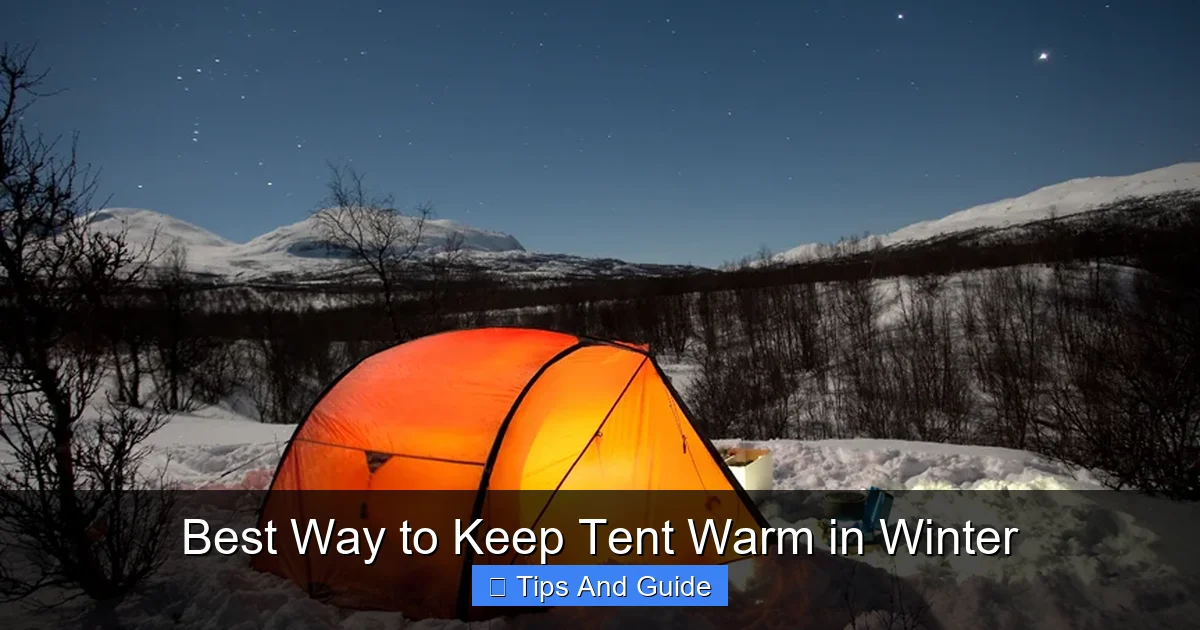
Don’t let winter camping freeze you out! This guide reveals the best way to keep your tent warm in winter, focusing on smart insulation, ventilation, and body heat management. From choosing the right tent to using effective heating solutions and minimizing heat loss, you’ll be equipped for a cozy outdoor experience.
Camping in the winter is a unique and often magical experience. The crisp air, the serene landscapes blanketed in snow, and the starry skies are unparalleled. However, the biggest challenge for many is staying warm. There’s nothing quite like the feeling of your teeth chattering inside a frigid tent to dampen the wilderness spirit. Fortunately, with the right preparation and techniques, you can ensure your winter camping trips are cozy and enjoyable. Understanding the best way to keep a tent warm in winter is paramount to your comfort and safety.
This isn’t about transforming your tent into a tropical paradise, but rather about creating a comfortable microclimate that protects you from the biting cold. It involves a holistic approach, combining the right gear, smart insulation strategies, and a keen understanding of how heat works (and escapes!). So, let’s dive into how you can master the art of winter tent warmth and embrace the beauty of the cold season outdoors.
- Tent Selection is Crucial: Opt for a 4-season tent designed to withstand harsh winter conditions, with robust poles and durable fabric.
- Insulate from the Ground Up: A high R-value sleeping pad and an insulated camping mat are essential for preventing heat loss to the cold ground.
- Ventilation is Key: Proper airflow prevents condensation and dangerous carbon monoxide buildup, even when trying to keep warm.
- Harness Body Heat: Layer your clothing, use a warm sleeping bag, and consider a sleeping bag liner to maximize your body’s natural warmth.
- Strategic Use of Heaters: If using a tent heater, choose a safe, reliable model designed for enclosed spaces and always prioritize ventilation.
- Minimize Heat Loss: Seal drafts, use a footprint, and consider a small, insulated vestibule to trap warmth effectively.
📑 Table of Contents
Choosing the Right Winter Tent
Before you even think about sleeping bags and portable heaters, the foundation of your warm winter tent lies in the shelter itself. Not all tents are created equal when it comes to braving sub-zero temperatures. A tent designed for summer camping simply won’t cut it when the mercury plummets.
The Importance of a 4-Season Tent
When venturing out in winter, a 4-season tent is your best friend. These tents are engineered with specific features to handle snow loads, strong winds, and significantly colder temperatures. They typically feature a more robust pole structure to withstand heavy snow accumulation and stronger wind gusts. The fabric is often thicker and more durable, and the flysheet extends lower to the ground, providing better insulation and protection from drafts.
A good 4-season tent will also have fewer mesh panels than a 3-season tent, reducing heat escape. While some ventilation is crucial (we’ll get to that!), excessive mesh is a major culprit in heat loss during winter. If you’re serious about winter camping, investing in a quality 4-season tent is the most critical first step. For those on a budget, looking for a best budget winter tent can still provide adequate protection.
Tent Shape and Design
The shape of a tent also plays a role in its winter performance. Dome tents and geodesic domes are generally excellent for winter because their rounded profiles are aerodynamic and shed snow effectively. They also offer a good strength-to-weight ratio. Freestanding tents are also convenient, as they can be set up without stakes, which can be difficult to drive into frozen ground.
Look for tents with multiple doors. This can be beneficial for ventilation and for creating a small vestibule area where you can store gear, preventing it from freezing and also adding an extra layer of insulation for your main living space.
Insulating Your Tent from the Ground Up
One of the biggest sources of heat loss when camping, especially in winter, is the ground. Cold earth acts like a giant heat sink, constantly drawing warmth away from your body and your tent. Effective ground insulation is non-negotiable for staying warm.
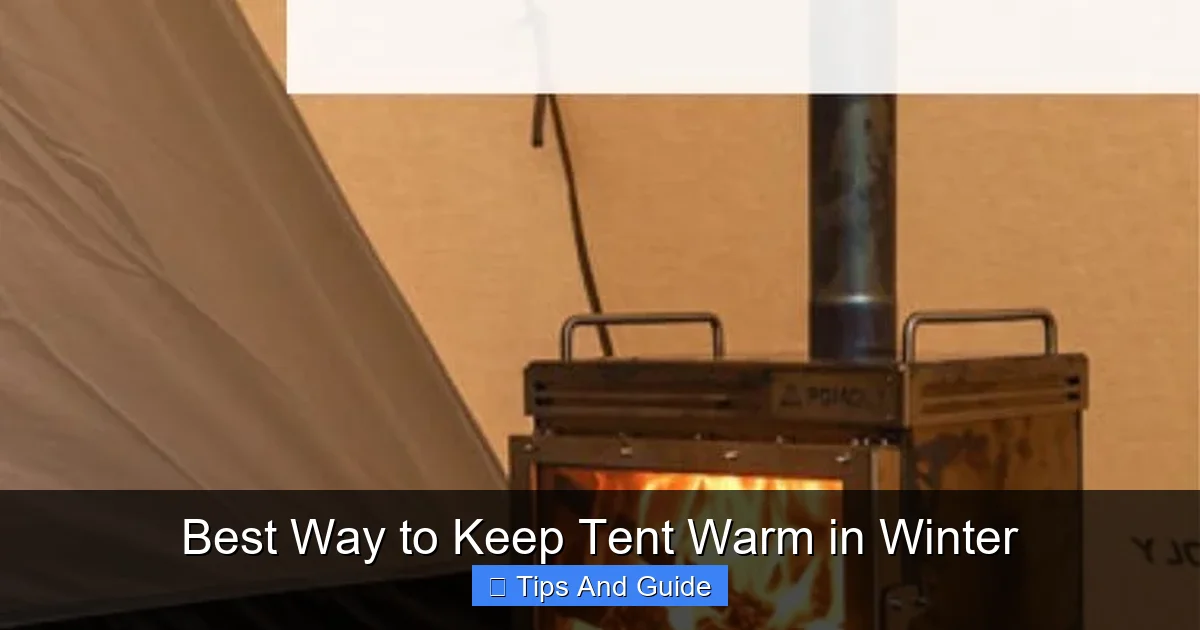
Visual guide about Best Way to Keep Tent Warm in Winter
Image source: i.pinimg.com
The Power of Sleeping Pads
Your sleeping pad is your first line of defense against the cold ground. For winter camping, you need a sleeping pad with a high R-value. The R-value measures a material’s resistance to heat flow. For winter conditions, aim for an R-value of 4 or higher. Many campers use a combination of pads for maximum insulation.
A common strategy is to use a closed-cell foam pad underneath an inflatable air pad. The foam pad provides a reliable buffer that won’t deflate if punctured, while the inflatable pad offers cushioning and additional insulation. Check out guides on the best camping mat for tent to understand the options available.
Adding an Extra Layer: Footprints and Tarps
Before you even set up your tent, consider laying down a footprint or a ground tarp. This acts as a moisture barrier and an extra layer of insulation between your tent floor and the cold, damp ground. Ensure the footprint is the same size or slightly smaller than your tent floor to prevent rain from pooling and seeping under your tent.
Some people even go a step further and lay down a layer of pine boughs or leaves on top of their footprint before setting up the tent, creating a natural insulating layer. This is a more advanced technique but can make a significant difference.
Harnessing Body Heat and Sleeping Warm
Your own body is a fantastic heat source! The key is to capture and retain that heat efficiently, especially while you’re sleeping. This involves a combination of smart layering, a quality sleeping bag, and a few clever tricks.
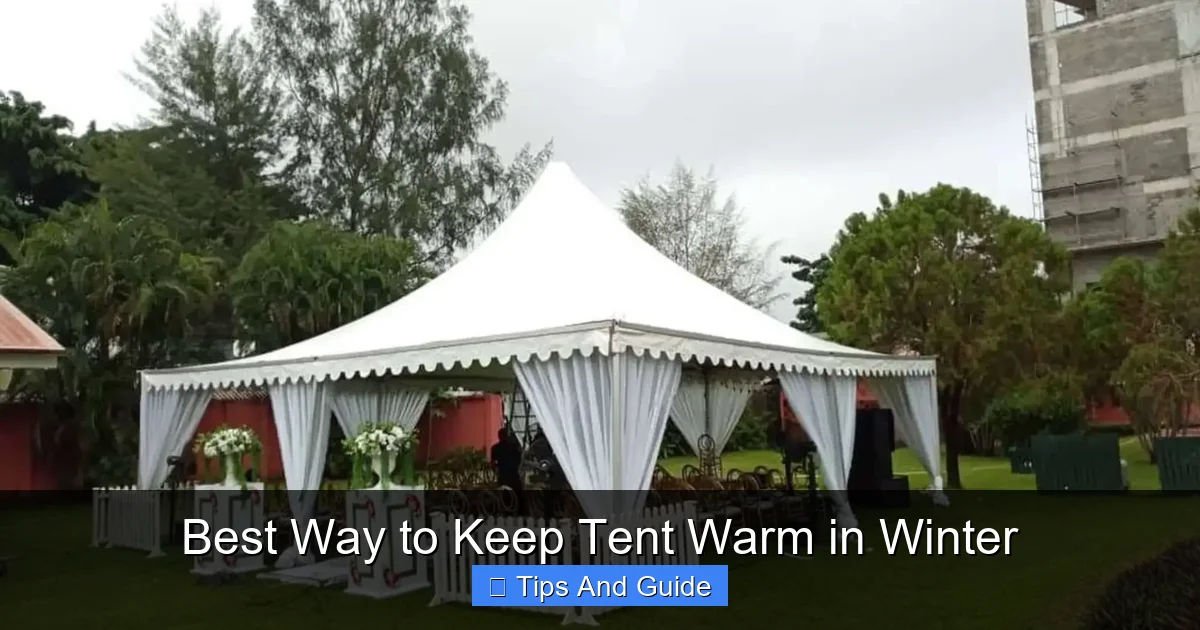
Visual guide about Best Way to Keep Tent Warm in Winter
Image source: shopcdnpro.grainajz.com
Layering Your Clothing
When sleeping, you want to wear clean, dry, and breathable base layers. Avoid cotton, as it holds moisture and will make you feel cold. Opt for merino wool or synthetic materials that wick moisture away from your skin. Add insulating layers like fleece or down jackets over your base layers as needed. The idea is to trap a layer of air between your clothing and your skin, which your body will then warm up.
Don’t overdress to the point where you sweat while sleeping. Sweating can lead to getting cold once your body cools down. It’s better to have layers you can add or remove as needed throughout the night. Think of your sleeping bag as an extension of your clothing system.
Choosing the Right Sleeping Bag and Liner
Your sleeping bag is your personal cocoon of warmth. For winter camping, you need a bag rated for the temperatures you expect to encounter, and ideally, a bit lower. A mummy-style sleeping bag is generally warmer than a rectangular bag because it’s designed to contour to your body, reducing the amount of air that needs to be heated.
Consider a sleeping bag liner. These can add a significant number of degrees to your sleeping bag’s temperature rating. They come in various materials, including fleece and silk, and are an excellent way to boost your warmth without buying a whole new sleeping bag. For an even more comfortable night, ensure you have the best camping mattress for tent to go with your sleeping bag.
The Importance of Dryness
Moisture is the enemy of warmth. Ensure all your gear, especially your sleeping bag and clothing, is completely dry before you go to sleep. Even a little dampness can dramatically reduce your insulation. If your gear gets wet during the day, try to dry it out inside your sleeping bag or by the warmth of your body.
Ventilation: The Counterintuitive Secret to Warmth
This might sound completely backward, but proper ventilation is crucial for keeping your tent warm and safe in winter. If you seal up your tent completely to trap every bit of heat, you’ll quickly face a host of problems, the most dangerous being carbon monoxide poisoning from fuel-burning appliances and excessive condensation.
Battling Condensation
Every breath you exhale releases moisture. When this warm, moist air hits the cold inner walls of your tent, it condenses into water droplets. Over time, this can lead to a damp tent, wet sleeping bag, and a significantly colder environment. By opening vents slightly, you allow this moist air to escape and be replaced by drier, colder outside air, which your body heat will then warm up.
The goal is to create a gentle airflow. Open the top vents of your tent, and if possible, slightly crack a lower vent or door to create a convection current. The cold air will enter low, be warmed by your body heat, rise, and exit through the upper vents. It’s a delicate balance, but essential for a dry and comfortable tent.
Safety First: Carbon Monoxide
If you plan to use any kind of fuel-burning heater or stove inside your tent, even for a short period, ventilation is a matter of life and death. These appliances produce carbon monoxide, an odorless, colorless, and deadly gas. A properly functioning carbon monoxide detector is an absolute must for any winter camping trip where you might use such equipment. Always ensure adequate airflow when using any heating device.
The best camping heater for tent options are designed with safety in mind, but they still require proper use and ventilation. Never, ever sleep with a fuel-burning appliance running inside your tent. This is a serious safety hazard.
Utilizing Tent Heaters and Heat Sources Wisely
While layering and insulation are your primary tools, sometimes you might want an extra boost of warmth. This is where tent heaters come in. However, using them requires extreme caution and a thorough understanding of their risks and benefits.
Types of Tent Heaters
There are a few common types of heaters used for tents. Propane heaters are popular for their power, but they are also the riskiest due to carbon monoxide production. Electric heaters are an option if you have a reliable power source, such as a generator or campsite hookup, but they can be heavy and power-hungry.
There are also catalytic heaters, which burn fuel more slowly and at a lower temperature, producing less carbon monoxide. However, they still require ventilation and a CO detector. Some people use hot water bottles or chemical hand warmers as supplementary heat sources, which are much safer but offer less warmth.
Safe Usage Practices
If you choose to use a heater, always follow the manufacturer’s instructions meticulously. Ensure your tent is well-ventilated, and have a working carbon monoxide detector running. Never place a heater too close to flammable materials, including your tent fabric or sleeping bag. Position it on a stable, level surface.
For most situations, especially with a well-insulated tent and good sleeping gear, a heater might be overkill or even unnecessary. The best way to keep a tent warm in winter often relies on minimizing heat loss rather than actively generating a lot of heat.
Minimizing Heat Loss and Drafts
Once you’ve insulated from below and are maximizing your body heat, the final piece of the puzzle is to prevent the precious warmth you’ve generated from escaping. Drafts are the silent thieves of tent warmth.
Sealing Gaps and Openings
Inspect your tent for any potential drafts. This could be around the zippers, the base of the tent where the flysheet meets the ground, or any vents that aren’t properly secured. You can use duct tape or specialized tent repair patches to seal small gaps temporarily. Ensure your tent doors and windows are fully closed and secured before you settle in for the night.
If your tent has a vestibule, utilize it! Storing your wet gear or boots in the vestibule creates an extra buffer zone between the outside cold and your sleeping area. Some people even use a small tarp to create a more enclosed vestibule for added insulation.
The Power of a Footprint
As mentioned earlier, a footprint is vital. It not only insulates from the ground but also helps create a tighter seal around the base of your tent, preventing cold air from creeping in underneath. It’s a simple but effective step that contributes significantly to overall tent warmth.
When looking for winter camping gear, consider the entire system. Even something as simple as a camping light for tent that generates a little heat can make a small difference if used strategically, though it should never be relied upon as a primary heat source.
Staying warm in your tent during winter camping is an achievable goal with the right knowledge and preparation. It’s a combination of choosing the right equipment, insulating effectively from the ground up, harnessing your body’s natural heat, managing ventilation for safety and dryness, and diligently sealing out the cold. Embrace these strategies, and you’ll find yourself enjoying the unique beauty of winter camping in comfort and warmth. Happy trails!
Frequently Asked Questions
What is the most important factor in keeping a tent warm in winter?
The most important factor is preventing heat loss. This involves effective insulation from the ground, using a warm sleeping bag, and minimizing drafts to keep the warmth generated inside the tent.
Can I use a regular tent for winter camping?
While you can try, a regular 3-season tent is not designed for harsh winter conditions. It will likely struggle with snow loads, strong winds, and retaining warmth compared to a dedicated 4-season tent.
How can I prevent condensation in my winter tent?
Proper ventilation is key. Slightly opening tent vents allows moist air from your breath to escape, preventing it from condensing on the cold tent walls. Aim for a gentle airflow.
Is it safe to use a propane heater in a tent?
Using propane heaters in tents requires extreme caution. They produce carbon monoxide, so always ensure adequate ventilation and use a carbon monoxide detector. Never sleep with a heater running unattended.
What’s the best way to insulate myself in a sleeping bag?
Wear dry, moisture-wicking base layers made of wool or synthetics, and add insulating layers like fleece. A sleeping bag liner can also significantly boost your warmth.
How do I deal with a cold tent floor?
Use a sleeping pad with a high R-value (4 or above) and consider adding a closed-cell foam pad underneath an inflatable one for maximum insulation from the cold ground.
