
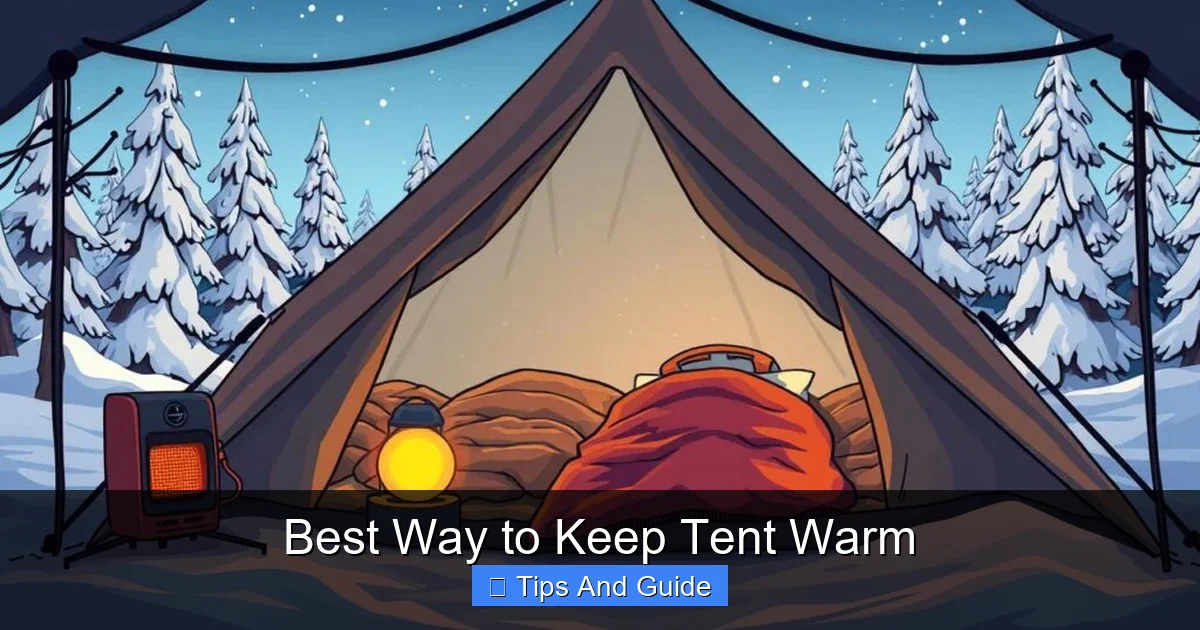
Staying warm in your tent is crucial for an enjoyable camping experience. The best way to keep a tent warm involves a multi-pronged approach. This includes proper site selection, effective insulation, smart ventilation, and using the right sleeping gear.
Camping is an incredible way to connect with nature. However, when the temperatures drop, staying warm in your tent can quickly become the top priority. A chilly night can turn a dream trip into a frosty nightmare. Fortunately, with the right strategies, you can transform your tent into a cozy sanctuary, no matter how cold it gets outside. Understanding the best way to keep your tent warm isn’t just about one single trick; it’s about a combination of smart choices and preparation.
We’ve all been there – shivering in our sleeping bags, regretting that one extra layer we left behind. But don’t let the fear of the cold keep you from enjoying the great outdoors. This guide will walk you through everything you need to know to stay toasty and comfortable throughout your camping adventures. From selecting the perfect spot to choosing the right gear, we’ll cover the most effective methods for keeping your tent warm.
Key Takeaways
- Choose Your Campsite Wisely: Opt for sheltered locations away from wind and avoid low-lying areas prone to cold air.
- Insulate Your Tent Floor: A good ground barrier is key to preventing heat loss into the cold earth.
- Optimize Your Sleeping Setup: Invest in a quality sleeping bag rated for the expected temperatures and a comfortable, insulating sleeping pad.
- Layer Your Clothing and Gear: Wear moisture-wicking layers and consider adding a sleeping bag liner for extra warmth.
- Ventilate Smartly: Proper ventilation prevents condensation, which can make your tent feel colder and damper.
- Minimize Air Leaks: Seal any gaps or drafts in your tent to keep precious warmth inside.
- Consider a Tent Heater (with caution): For extreme cold, a safe, designated tent heater can be an option, but safety is paramount.
📑 Table of Contents
- Choosing the Right Location: Your First Line of Defense
- Mastering Tent Insulation: From Ground Up
- Optimizing Your Sleeping Bag and Bedding
- The Art of Tent Ventilation: Preventing Condensation
- Sealing the Gaps: Eliminating Drafts
- When to Consider a Tent Heater (With Extreme Caution)
- Conclusion: The Warm Tent Advantage
Choosing the Right Location: Your First Line of Defense
Before you even set up your tent, the location you choose plays a significant role in how warm you’ll be. Think of your campsite as the first layer of insulation.
Shelter from the Wind
Wind is a tent’s worst enemy when it comes to warmth. It whips around your shelter, seeping into any tiny gaps and rapidly drawing heat away.
- Natural Windbreaks: Look for spots protected by natural features like dense trees, large rocks, or hillsides. These act as a buffer against the prevailing wind.
- Avoid Open Fields: Camping in wide-open spaces, especially on ridges or hilltops, exposes your tent to the full force of the wind.
- Consider the Sun: If it’s a sunny but cold day, a spot that gets morning sun can help warm your tent as the day begins.
Avoiding Cold Air Traps
Cold air is denser than warm air and sinks. This means low-lying areas can become pockets of frigid temperatures.
- Higher Ground is Better: Generally, try to set up your tent on slightly higher ground rather than in valleys or hollows.
- Stay Away from Water Sources: While proximity to water can be convenient, areas right next to lakes or rivers can be colder due to evaporation and the natural tendency for cold air to pool.
- Observe Snow Melt: If you’re camping in winter or shoulder seasons, observe where snow has melted. Areas that retain snow longer are likely to be colder.
Mastering Tent Insulation: From Ground Up
Visual guide about Best Way to Keep Tent Warm
Image source: besttentreviews.com
Your tent is essentially a bag, and heat escapes in all directions. The ground beneath you is a massive heat sink, so insulating it properly is paramount.
Ground Insulation is Key
The cold earth will suck the warmth right out of you if you don’t have adequate insulation between you and the ground.
- The Power of a Ground Tarp: Always use a footprint or ground tarp underneath your tent. This adds a protective layer and a small amount of insulation.
- Invest in a Good Sleeping Pad: This is arguably the most important piece of gear for warmth. Look for pads with a high R-value. The R-value measures thermal resistance – the higher the number, the better the insulation. For cold weather camping, aim for an R-value of 4 or higher. Options include closed-cell foam pads (durable and reliable) and inflatable or self-inflating pads (more comfortable but can be punctured). Consider pairing a foam pad with an inflatable one for maximum warmth and comfort. Exploring the best camping mat for tent can be a great starting point.
- Don’t Forget Your Mattress: If you’re using a camping mattress, ensure it also provides sufficient insulation. Some camping beds are designed with this in mind.
Wall and Ceiling Insulation
While the floor is critical, you also want to prevent heat from escaping through the tent walls and ceiling.
- Tent Material Matters: Tents made with thicker, multi-layer fabrics or those designed for four-season use will naturally retain more heat than lightweight, single-wall summer tents.
- Bring Extra Blankets or Tarps: In a pinch, you can hang extra blankets or a tarp inside your tent’s inner walls. Be careful not to block ventilation completely, as this can lead to condensation.
- Reduce Interior Space: If you have a large tent, consider using a smaller inner tent or partitions to reduce the volume of air you need to heat.
Optimizing Your Sleeping Bag and Bedding

Visual guide about Best Way to Keep Tent Warm
Image source: rusticaly.com
Your sleeping bag is your personal cocoon of warmth, and how you use it makes a huge difference.
Choosing the Right Sleeping Bag
The temperature rating on a sleeping bag is crucial.
- Understand Temperature Ratings: Sleeping bag ratings are usually given as a “comfort” or “limit” rating. The comfort rating is the temperature at which a standard woman can sleep comfortably. The limit rating is for a standard man. Always err on the side of caution and choose a bag rated for temperatures colder than you expect.
- Consider Down vs. Synthetic Fill: Down offers excellent warmth-to-weight ratio and compressibility but loses its insulating power when wet. Synthetic fills are bulkier but retain insulation even when damp and are often more affordable.
- Bag Shape: Mummy bags are designed to trap heat more effectively than rectangular bags because they contour to your body and have less wasted space.
Maximizing Sleeping Bag Performance
It’s not just about the bag itself; how you use it is equally important.
- Wear Clean, Dry Base Layers: Never sleep in the clothes you wore all day. Wear clean, dry, moisture-wicking base layers (like merino wool or synthetic fabrics). Avoid cotton, as it holds moisture and makes you cold.
- Wear a Hat and Socks: You lose a lot of heat through your head and feet. Wearing a warm hat and socks to bed can make a significant difference.
- Use a Sleeping Bag Liner: These add extra warmth (typically 5-15 degrees Fahrenheit) and help keep your sleeping bag cleaner. Silk, fleece, and thermal liners are common options.
- Warm Water Bottle: Fill a sturdy, leak-proof water bottle with hot (not boiling) water, seal it tightly, and place it in your sleeping bag before you go to sleep. It acts as a personal hot water bottle.
- Don’t Overtighten Your Bag: Ensure your sleeping bag isn’t too tight, as this can restrict circulation and make you colder. Loosen it slightly if you feel constricted.
- Eat and Drink Wisely: A warm, calorie-rich meal before bed can help fuel your body’s internal furnace. Avoid caffeine and alcohol, as they can interfere with your body’s ability to regulate temperature and may lead to dehydration.
The Importance of a Comfortable Sleep Surface
Beyond the sleeping pad, the overall sleeping setup contributes to warmth.
- Camping Cot vs. Pad: While a good sleeping pad is essential, some campers find a cot to be beneficial. A cot lifts you off the cold ground, but it can also create a large air gap that needs to be insulated. If using a cot, place a thick sleeping pad on top for maximum warmth. For those seeking the best sleeping experience, looking into the best camping mattress for tent can provide insights.
- Layering Bedding: You can also layer a warm blanket on top of your sleeping bag for an extra boost of heat.
The Art of Tent Ventilation: Preventing Condensation
This might sound counterintuitive, but proper ventilation is crucial for keeping your tent warm and dry.
Why Ventilation Matters
When you breathe inside a tent, you release moisture. If this moisture has nowhere to go, it condenses on the cooler tent fabric, making everything damp and cold.
- Condensation = Cold: Dampness amplifies the feeling of cold. A wet sleeping bag or tent walls will make you feel much colder than dry conditions.
- Airflow is Your Friend: Good airflow helps to expel moist air and replace it with drier air from outside.
How to Ventilate Effectively
The key is to ventilate without letting in drafts that chill you directly.
- Use Mesh Panels and Vents: Most tents have mesh windows and roof vents. Open these partially to allow for air exchange.
- Crack the Door: Slightly unzipping the main tent door can also help with airflow.
- Ventilation During the Day: Even on cold days, airing out your tent during sunny periods can help reduce moisture buildup.
- Be Mindful of Rain and Snow: If it’s raining or snowing heavily, you’ll need to balance ventilation with keeping the elements out. Many tents have rainfly vents that can be adjusted.
Sealing the Gaps: Eliminating Drafts
Just like a house, a tent can have drafts that let cold air in and warm air out.
Identifying Draft Sources
Walk around your tent, both inside and out, and look for potential entry points for cold air.
- Zippers: Tent zippers, especially on doors and windows, can sometimes let in small drafts.
- Seams: Although usually taped, seams can sometimes be a weak point.
- Tent Poles and Stake Points: Where poles connect or stakes meet the ground can sometimes create small gaps.
- Flysheet Gaps: The space between the inner tent and the rainfly can sometimes allow wind to swirl.
Simple Solutions for Drafts
You don’t need fancy equipment to seal common drafts.
- Use the Storm Flaps: Ensure all storm flaps over zippers and vents are securely closed.
- Stuff Sacks or Towels: You can use spare clothing or towels to stuff into any obvious gaps, particularly around the base of the tent or where poles enter. Be careful not to block essential ventilation.
- Secure the Rainfly Properly: Make sure your rainfly is taut and properly staked down, minimizing gaps between the inner tent and the fly.
- Consider a Ground Skirt: Some tents come with a snow or sand skirt, which can also help seal the base against wind.
When to Consider a Tent Heater (With Extreme Caution)
For truly extreme cold conditions, or if you’re a beginner who wants an extra layer of comfort and safety, a tent heater might be considered. However, this comes with significant risks and requires utmost caution.
Safety First, Always!
Using any kind of combustion heater inside a tent is inherently dangerous and can lead to carbon monoxide poisoning or fire.
- Use ONLY Designated Tent Heaters: Never use a propane camp stove or other unvented heaters designed for outdoor use inside a tent. Only use heaters specifically designed and certified for tent use, and always follow the manufacturer’s instructions meticulously. The best camping heater for tent will have safety features built-in.
- Carbon Monoxide Detector: A battery-operated carbon monoxide detector is an absolute must if you use any type of heater that burns fuel.
- Ventilation is Non-Negotiable: Even with a designated tent heater, you MUST maintain adequate ventilation. Crack windows and vents to allow for fresh air circulation.
- Keep Flammables Away: Ensure the heater is placed on a stable, non-flammable surface and keep all sleeping bags, clothing, and other flammable materials well away from it.
- Never Sleep with a Heater On: The safest practice is to run the heater for a short period to warm the tent before bed, then turn it off and rely on your sleeping gear.
- Consider Electric Heaters: If you’re car camping with access to an electrical hookup at a campsite, a small, low-wattage electric tent heater can be a safer alternative, though they may not be as powerful.
Alternatives to Heaters
Often, focusing on the other methods mentioned in this article is sufficient and much safer than using a heater. Layering, proper insulation, and a good sleeping bag are your primary tools.
Conclusion: The Warm Tent Advantage
Keeping your tent warm is a fundamental aspect of comfortable camping in cooler weather. It’s a combination of preparation, the right gear, and smart techniques. By focusing on site selection, insulating your tent floor and walls, optimizing your sleeping setup with a quality sleeping bag and pad, and mastering ventilation, you can significantly improve your warmth. Remember to seal up drafts and always prioritize safety, especially if considering any form of heating. With these strategies, you can enjoy the beauty of the outdoors without the discomfort of the cold, making your next camping trip a warm and memorable adventure.
Frequently Asked Questions
What is the best way to keep the floor of my tent warm?
The best way to keep your tent floor warm is by using a robust ground insulation system. This typically involves a footprint or tarp beneath your tent, and crucially, a high R-value sleeping pad or insulated camping mattress. These layers prevent your body heat from being absorbed by the cold ground.
How can I make my sleeping bag warmer?
You can make your sleeping bag warmer by wearing clean, dry, moisture-wicking base layers, a hat, and warm socks. Using a sleeping bag liner, pre-warming your bag with a hot water bottle, and ensuring the bag isn’t too tight are also effective methods to maximize its heat-trapping capabilities.
Is it important to ventilate my tent when it’s cold?
Yes, ventilation is crucial even in cold weather. It prevents condensation, which can make your tent and sleeping bag damp and significantly colder. Proper airflow helps expel moist air, keeping your sleeping environment dry and warmer.
What should I avoid eating or drinking before bed when camping in the cold?
You should avoid caffeine and alcohol before bed when camping in the cold. Caffeine is a stimulant that can interfere with sleep and may affect your body’s ability to regulate temperature, while alcohol can create a false sense of warmth and lead to dehydration and hypothermia.
Are there safe ways to heat a tent?
Yes, but with extreme caution. Only use heaters specifically designed for tent use and equipped with safety features. Always use a carbon monoxide detector and maintain significant ventilation. Never sleep with a fuel-burning heater on; it’s best to use it briefly to warm the tent before sleeping.
How can I prevent drafts in my tent?
Preventing drafts involves ensuring all zippers and vents are properly secured, using storm flaps, and perhaps stuffing small gaps with spare clothing or towels. Properly tensioning your rainfly also minimizes airflow between the inner tent and the outer shell.
