
Keeping your grow tent cool is crucial for healthy plant development. This guide explores essential strategies like proper ventilation, strategic lighting, and smart environmental controls to prevent overheating. Learn how to maintain optimal temperatures for thriving plants.
Growing plants indoors, especially in a dedicated grow tent, offers incredible control over their environment. You can mimic ideal conditions year-round. However, this control comes with a challenge: heat. Grow lights, fans, and the enclosed nature of the tent can quickly turn your sanctuary into a sauna, stressing your plants and hindering their growth. But don’t sweat it! Keeping your grow tent cool is achievable with the right strategies.
Understanding how heat builds up in your grow tent is the first step to effectively managing it. The primary culprits are your grow lights, which can generate a substantial amount of heat, and the equipment needed for ventilation and circulation. When these heat sources are trapped within an enclosed space, temperatures can skyrocket. This article will walk you through the most effective methods to keep your grow tent cool, ensuring your plants stay happy and healthy.
Key Takeaways
- Optimize Airflow: Install both intake and exhaust fans to create a constant exchange of air, removing hot, humid air and bringing in fresh, cooler air.
- Manage Lighting Heat: Switch to LED grow lights, which produce significantly less heat than HPS or MH bulbs, and ensure proper light placement to avoid direct heat exposure.
- Control Environmental Factors: Use a humidifier or dehumidifier as needed, and consider an air conditioner or chiller for severe heat issues.
- Insulate and Reflect: Use reflective materials like Mylar and ensure your tent is well-sealed to prevent heat from escaping or entering.
- Monitor Temperature Regularly: Employ reliable thermometers and hygrometers to keep track of temperature and humidity levels, allowing for timely adjustments.
- Consider Tent Size and Setup: A tent that’s too small for its equipment will struggle to maintain a cool environment; ensure your setup is appropriately sized.
📑 Table of Contents
The Foundation: Airflow and Ventilation
This is the absolute cornerstone of temperature control in any grow tent. Without proper airflow, hot air has nowhere to go, and fresh, cooler air can’t get in. Think of it like breathing – your plants need a constant supply of fresh air to thrive, and getting rid of stagnant, hot air is just as important.
Exhaust Fans: The Heat Removers
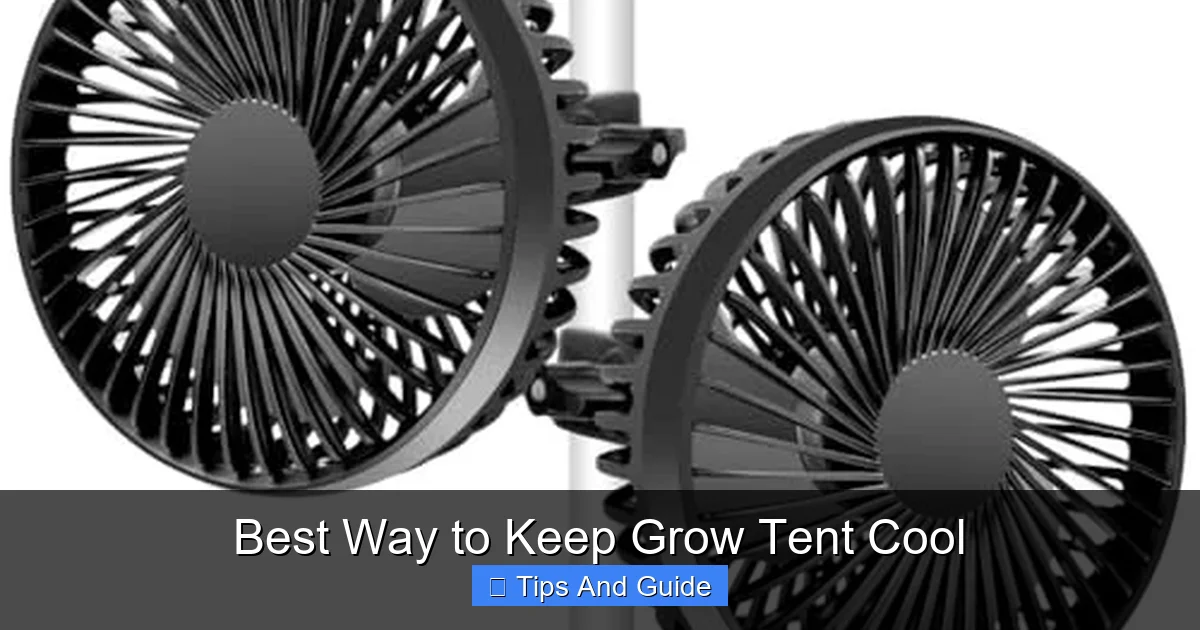
Your exhaust fan is your primary tool for removing hot air from the tent. It’s essentially a powerful fan mounted on your tent’s exhaust port, actively pulling air out. The size of the exhaust fan you need depends on the size of your tent and the heat load from your equipment. A general rule of thumb is to aim for a fan that can exchange the entire volume of air in your tent at least once a minute. For example, if you have a 4x4x7 foot tent (112 cubic feet), you’d want an exhaust fan rated for at least 112 CFM (Cubic Feet per Minute).
* Choosing the Right Fan: Look for inline duct fans. Brands like AC Infinity, Vivosun, and Mars Hydro offer reliable options. Consider a fan with a built-in speed controller so you can adjust the airflow as needed.
* Ducting the Heat: Don’t just vent the hot air back into the same room your tent is in, especially if that room is also warm. Use ducting to vent the hot air outside, into an attic, or into a separate, cooler area of your home. This is a critical step to prevent a cycle of reheating.
Intake Fans and Passive vs. Active Intake
While the exhaust fan pulls air out, you need a way for fresh air to come in. You have two main options: passive intake or active intake.
* Passive Intake: This relies on negative pressure created by the exhaust fan. You simply open the mesh vents (usually at the bottom of the tent), and cooler air is naturally drawn in to replace the air being exhausted. This is the simplest and often sufficient method for many setups.
* Active Intake: This involves using a second, smaller fan to actively push fresh air into the tent. This is beneficial if you have a very powerful exhaust fan or if your environment is particularly warm. An intake fan can help ensure consistent air exchange and prevent the tent from collapsing inwards due to strong negative pressure. If you opt for active intake, ensure the fan’s CFM is less than your exhaust fan’s CFM to maintain that crucial negative pressure.
Circulation Fans: Keeping Air Moving Inside
Once you’ve established good air exchange, you need to ensure the air is circulating *within* the tent. Oscillating fans are perfect for this. They prevent hot and cold spots and help strengthen your plants’ stems. Position them strategically so they don’t blow directly on your plants constantly, which can cause stress. Aim for gentle, indirect airflow that rustles the leaves.
Lighting Choices: The Heat Producers
Visual guide about Best Way to Keep Grow Tent Cool
Image source: 420bigbud.com
Your grow lights are often the biggest contributors to heat buildup. The type and wattage of your lights play a significant role in how hot your tent gets.
LEDs: The Cooler Choice
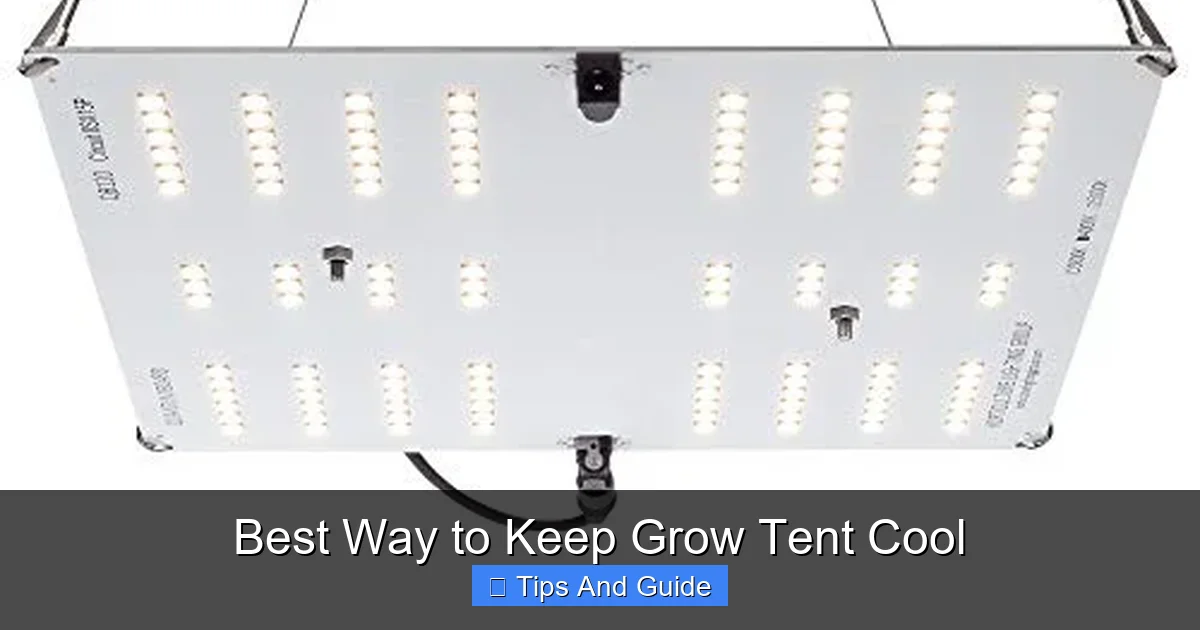
If you’re looking to upgrade or set up a new tent, **LED grow lights** are your best friend when it comes to temperature management. Unlike older High-Pressure Sodium (HPS) or Metal Halide (MH) bulbs, LEDs run significantly cooler. They also tend to be more energy-efficient, meaning you get more light for your plants with less wasted heat.
* **Benefits of LEDs:** Lower heat output, longer lifespan, and tunable spectrums that can benefit plants at different growth stages.
* **Placement is Key:** Even with LEDs, proper placement is important. Ensure your lights are not too close to your plants, as even cooler lights can cause heat stress if they are directly overhead without adequate distance.
Managing Heat from Other Light Types
If you’re using HPS or MH lights, managing their heat is even more critical.
* Cooling Hoods: Invest in air-cooled hoods for your HPS/MH fixtures. These hoods have a jacket through which you can run ducting, directly pulling heat away from the bulb and venting it outside. This is a very effective method for reducing the heat load inside the tent.
* Light Movers: While not directly cooling, using a light mover can help distribute the heat more evenly by moving the light source. However, this is a secondary strategy and doesn’t replace proper ventilation.
* Distance: Always hang your lights at the manufacturer’s recommended distance. Too close, and you risk burning your plants; too far, and you lose light intensity.
Environmental Controls: Fine-Tuning the Climate
Visual guide about Best Way to Keep Grow Tent Cool
Image source: gardenilo.com
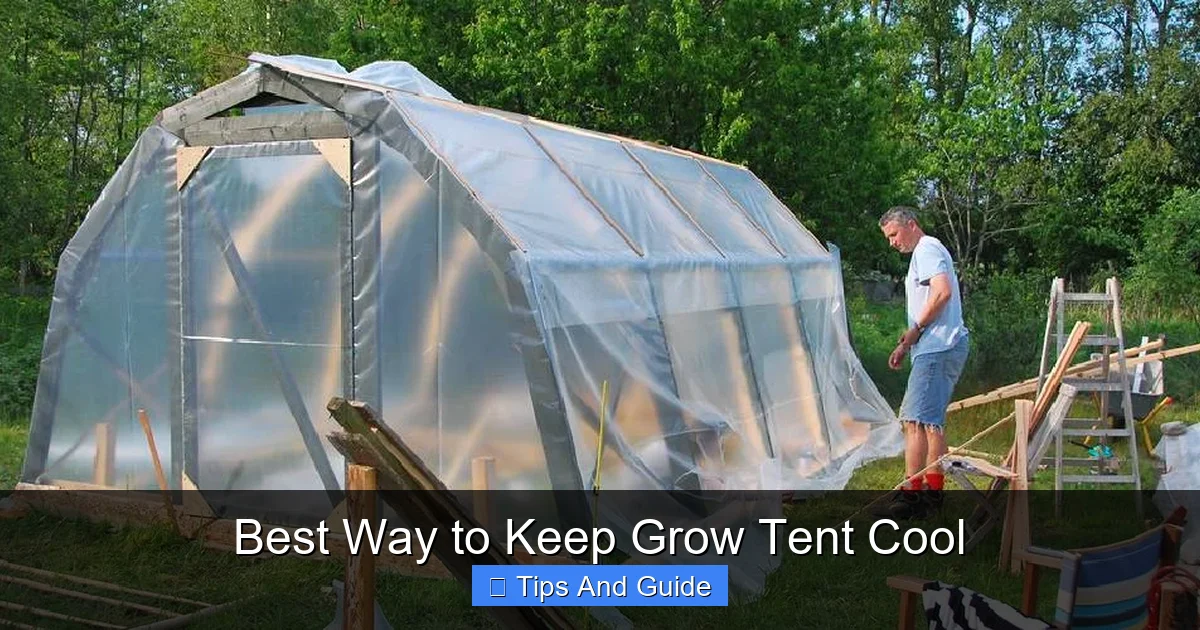
Beyond airflow and lighting, several other environmental controls can help you maintain the perfect temperature.
Humidity Management
Temperature and humidity are closely linked. High humidity can make the air feel warmer and can also lead to mold and mildew issues. Conversely, very low humidity can stress plants.
* Humidifiers: If your air is too dry, a humidifier can add moisture. However, if your exhaust fan is removing a lot of air, it can also remove humidity, so you might need to balance this.
* Dehumidifiers: If your tent is too humid (often in cooler climates or during the late flowering stage), a dehumidifier is essential. Smaller, portable dehumidifiers are available for grow tents.
Air Conditioning and Chillers
For extreme climates or if you’re running powerful equipment in a small space, you might need more robust cooling solutions.
* **Portable Air Conditioner (AC):** A small portable AC unit can be a game-changer. You’ll need to vent its hot exhaust air outside, similar to your tent’s exhaust. It can significantly lower the ambient temperature of the room where your tent is located, indirectly cooling the tent.
* **Water Chillers:** If you are using hydroponics, a water chiller is crucial for keeping your nutrient solution cool. Overheated nutrient solutions can lead to root problems and nutrient uptake issues. These chillers are typically placed outside the tent and connected to your reservoir.
Insulation and Reflectivity
The physical aspects of your grow tent and its surroundings can also impact temperature.
Reflective Materials
Most grow tents are already lined with reflective material, usually Mylar. This material bounces light back onto your plants, increasing efficiency. However, it also bounces heat around. Ensuring your tent’s interior is clean and free of dust can help maintain its reflectivity. If you’re building a DIY grow space, using Mylar on the walls and ceiling is highly recommended.
Tent Sealing and Insulation
A well-sealed tent prevents unwanted heat from entering or hot air from escaping inefficiently.
* **Seal Gaps:** Check all seams, zippers, and ventilation ports. Ensure they are properly sealed. Sometimes, using tape or Velcro can help secure flaps and openings.
* Room Temperature: The temperature of the room your tent is in is a major factor. If the room is already hot, your tent will struggle to stay cool. Consider cooling the entire room where the tent is located, perhaps with an AC unit, or ensuring the tent is placed in the coolest part of your house.
Monitoring and Adjustments
You can’t manage what you don’t measure. Consistent monitoring is key to staying ahead of temperature issues.
Thermometers and Hygrometers
Invest in a reliable digital thermometer and hygrometer. Many models also record maximum and minimum temperatures and humidity levels, which is invaluable for understanding your tent’s temperature fluctuations throughout the day and night cycle.
* **Placement:** Place your sensor in the “canopy zone” – the area where your plants’ leaves are. Avoid placing it too close to the lights, exhaust fans, or intake vents, as this will give you inaccurate readings.
* **Data Logging:** Some advanced sensors can log data over time, allowing you to identify patterns and pinpoint when your tent is getting too hot.
Understanding Ideal Temperatures
Different plants have different ideal temperature ranges, but generally, for vegetative growth, temperatures between 70-80°F (21-27°C) are good. For flowering, slightly cooler temperatures, around 65-75°F (18-24°C), can be beneficial. Always research the specific needs of your plants. Nighttime temperatures should typically be 5-10°F (3-6°C) cooler than daytime temperatures.
Making Adjustments
Based on your readings, you can make adjustments. If it’s too hot:
* Increase exhaust fan speed.
* Ensure intake vents are open enough.
* Check light height.
* Consider turning off lights during the hottest part of the day if possible (though this depends on your light cycle needs).
* If necessary, deploy an AC unit.
If it’s too cold:
* Decrease exhaust fan speed.
* Close intake vents slightly.
* Use a small heater designed for grow tents (be very cautious with heaters to avoid fire hazards).
* Consider your light schedule – sometimes lights being off for extended periods during cooler nights can cause dips.
Size Matters: Choosing the Right Tent
Sometimes, the struggle to keep a grow tent cool comes down to having a tent that’s too small for the equipment it houses. Overcrowding your tent with powerful lights and multiple fans in a small footprint will inevitably lead to overheating.
* **Matching Equipment to Tent Size:** When selecting your grow tent, consider the wattage of your lights and the CFM rating of your fans. A general guideline is that larger tents offer more space for air circulation and heat dissipation. If you’re starting with a compact setup, you might want to check out options for a best budget grow tent or even a best budget grow tent setup to ensure you have adequate room.
* Future Expansion: If you plan to expand your setup, it’s often more cost-effective to start with a slightly larger tent than you might initially need. This provides breathing room for equipment and makes temperature control much easier.
In conclusion, maintaining a cool grow tent isn’t a one-step process but a combination of smart choices and consistent management. By focusing on robust ventilation, selecting heat-efficient lighting, utilizing environmental controls, and diligently monitoring your conditions, you can create an optimal environment for your plants to flourish. Happy growing!
Frequently Asked Questions
How often should I change the air in my grow tent?
You should aim to exchange the air in your grow tent at least once every 1-3 minutes. This can be achieved by calculating the cubic feet of your tent and ensuring your exhaust fan’s CFM rating is sufficient to meet or exceed that volume per minute.
Can I use a regular fan to cool my grow tent?
While regular fans can help with air circulation *within* the tent, they cannot effectively remove hot air. For cooling, you need an exhaust fan to vent hot air out and an intake system for fresh air to enter. Regular fans are a good supplement for circulation, not a primary cooling solution.
What is the ideal temperature range for most cannabis plants?
For the vegetative stage, cannabis plants generally prefer temperatures between 70-80°F (21-27°C). During the flowering stage, slightly cooler temperatures of 65-75°F (18-24°C) are often ideal. Nighttime temperatures should ideally be 5-10°F lower than daytime temperatures.
My grow tent is getting too hot. What’s the first thing I should check?
The first thing you should check is your ventilation system. Ensure your exhaust fan is running correctly, is the appropriate size for your tent, and is properly ducted to vent hot air outside. Also, verify that your intake vents are open and allowing sufficient fresh air to enter.
How do I prevent my grow lights from overheating the tent?
Switching to LED grow lights is the most effective way to reduce heat. If you’re using HPS or MH lights, use air-cooled hoods and ensure they are hung at the correct distance from your plants. Proper ventilation is also crucial for removing the heat generated by any type of light.
Is it okay for my grow tent to be warmer at night?
Yes, it’s generally beneficial for your grow tent to be slightly cooler at night, typically 5-10°F (3-6°C) cooler than during the day. This mimics natural environmental conditions and can help plants in their growth cycles. However, avoid drastic temperature drops that could stress your plants.
