
Don’t let summer heat ruin your camping trip! Discover practical strategies to keep your tent cool and comfortable. From strategic site selection and ventilation to shade and innovative cooling hacks, this guide provides everything you need to enjoy the outdoors, even on the hottest days.
The sun is shining, the birds are singing, and the great outdoors is calling your name! Summer camping is an amazing experience, filled with starry nights and adventure. But let’s be honest, when the mercury rises, that cozy tent can quickly turn into a sweltering sauna. Nobody wants to spend their camping trip feeling sticky, uncomfortable, and dreaming of air conditioning. Fortunately, with a few smart strategies, you can make sure your tent stays a cool sanctuary, even on the hottest summer days.
Keeping your tent cool isn’t just about comfort; it’s also about safety. Overheating can lead to heat exhaustion and other serious health issues, especially for children and the elderly. So, whether you’re heading to the desert or a humid forest, learning the best way to keep a tent cool in summer is essential for a successful and enjoyable camping adventure. Let’s dive into how you can beat the heat and make your summer camping trip a breeze!
- Strategic Site Selection: Choose shady spots, preferably with a breeze, away from direct afternoon sun.
- Maximize Ventilation: Utilize mesh windows and doors, unzip vents, and create cross-breezes.
- Harness Shade: Employ tarps, canopies, or natural tree cover to block direct sunlight from hitting your tent.
- Reflective Surfaces: Use reflective tarps or blankets on the outside of your tent to bounce away heat.
- Cooling Accessories: Invest in battery-powered fans and consider cooling towels or misting bottles.
- Timing is Everything: Set up camp late in the day and pack up early to avoid the hottest part of the day.
- Inner Tent Management: Keep the inner tent zipped up during the day and open at night for cooler air.
📑 Table of Contents
Choose Your Campsite Wisely: Location, Location, Location
The most fundamental step in keeping your tent cool is choosing the right spot. Before you even pitch your tent, think about its orientation and surroundings. This is your first and best line of defense against the summer sun.
Seek Natural Shade
The easiest way to combat direct sunlight is to avoid it altogether. Whenever possible, set up your tent in a spot that is naturally shaded by trees. Look for mature trees that provide dense canopies. However, be mindful of dead branches that could fall. If shade is scarce, prioritize a location that will be shaded during the hottest parts of the day, typically from late morning to late afternoon.
Consider the Breeze
A gentle breeze can make a world of difference. Observe the direction of the wind. If you can, position your tent so that any openings (windows and doors) face the prevailing wind. This will help create natural cross-ventilation, pushing out hot air and drawing in cooler air. Even a slight airflow can significantly lower the interior temperature.
Avoid Heat Traps
Certain locations can amplify heat. Avoid setting up your tent in open fields with no cover, near large bodies of water that reflect sunlight, or on dark asphalt or gravel surfaces that absorb and radiate heat. Valleys can also trap hot air. Opt for slightly elevated areas or spots with good air circulation.
Timing Your Arrival
If you have flexibility, consider arriving at your campsite later in the afternoon. This way, you can set up your tent in the cooler evening hours and avoid the peak heat of the day. Similarly, aim to pack up early in the morning before the sun gets too intense.
Maximize Ventilation: Let the Air Flow
Visual guide about Best Way to Keep a Tent Cool in Summer
Image source: outdoorlifehubs.com
Once your tent is pitched, you need to ensure that air can circulate freely. Proper ventilation is crucial for expelling heat buildup and bringing in cooler ambient air.
Utilize All Vents and Mesh Panels
Most modern tents come with multiple vents and large mesh areas on doors and windows. Make sure these are all open! Unzip any vent covers and let the mesh do its job. Mesh panels are designed to allow air in while keeping insects out. For tents with multiple doors, opening them on opposite sides can create a strong cross-breeze, especially effective if they are facing the wind. If you’re looking for a tent with excellent ventilation, consider exploring options like those found in a best pop-up tent you can stand up in, which often feature ample mesh.
Create Cross-Breezes
The principle of cross-ventilation is key. If your tent has windows and doors on opposite sides, open them both. Position yourself so that the incoming air hits one opening and exits through the other. This creates a continuous flow of air that effectively pushes out warmer air that has accumulated inside.
The Inner Tent vs. Outer Fly
In hot weather, you might be tempted to pitch only the inner tent (the mesh part). While this offers maximum ventilation, it also exposes you to the elements and bugs. The best approach is usually to pitch the full tent but keep the rain fly slightly lifted or unzipped at the bottom, if possible, to allow air to circulate underneath. If the forecast is clear, consider just using the inner tent for ultimate airflow.
Harness the Power of Shade: Block that Sun!
Visual guide about Best Way to Keep a Tent Cool in Summer
Image source: trespass.com
Direct sunlight is the biggest enemy of a cool tent. Even with good ventilation, if the sun is beating down directly on your tent fabric, it will heat up quickly. Shade is your best friend.
External Tarps and Canopies
One of the most effective ways to keep your tent cool is to create an additional layer of shade over it. Use a separate tarp or a camping canopy. Position this shade structure so it completely covers your tent during the hottest parts of the day. This creates an air gap between the sun and your tent fabric, significantly reducing heat absorption. Ensure the tarp is taut and angled to allow any heat trapped between the tarp and the tent to escape upwards.
Reflective Tarps or Blankets
For an extra boost, consider using a reflective tarp or even a space blanket on top of your tent or the shade structure. These materials reflect solar radiation away, preventing it from being absorbed by your tent. Place the reflective side facing the sun. This can dramatically lower the interior temperature.
Natural Shade Augmentation
If natural shade isn’t enough, you can use tarps to extend it. String a tarp between trees to create a larger shaded area over your tent. This is a simple yet highly effective method.
Innovative Cooling Hacks: Beyond the Basics
Once you’ve covered the essential strategies, you can employ a few clever tricks to bring the temperature down inside your tent.
Battery-Powered Fans
A small, battery-powered camping fan is a game-changer. Place it strategically to create a constant airflow within the tent. Even a gentle breeze can make a surprising difference when you’re trying to sleep. Look for quiet models that don’t drain batteries too quickly. If you are looking for a reliable fan, check out our guide on the best camping fan for tent.
Cooling Towels and Misting Bottles
Soak a cooling towel in water and hang it inside your tent or place it around your neck. As the water evaporates, it creates a cooling effect. A spray bottle filled with water can also be used to mist yourself or the air inside the tent. This evaporative cooling can provide much-needed relief.
Pre-Cool Your Tent (If Possible)
If you arrive at your campsite before the peak heat, set up your tent and then use methods like fans or even placing ice packs inside to start cooling it down before you need to sleep in it.
Keep it Dark
Light colors absorb less heat than dark colors. While you might not be able to change your tent color, you can use lighter-colored tarps for shade. Inside, consider using lighter-colored bedding or sleeping bags.
Minimize Heat Sources Inside
Avoid using lanterns that generate heat inside your tent during the day. Opt for battery-powered LED camping lights, as discussed in our guide to the best camping lights for tent. Also, try to minimize cooking inside or near your tent, as this adds to the heat.
Smart Sleeping Strategies: Beat the Nighttime Heat
The heat doesn’t always end when the sun goes down. Summer nights can still be warm and stuffy, making sleep difficult. Here’s how to make your sleeping experience more comfortable.
Choose the Right Sleeping Gear
Forget those heavy, insulated sleeping bags. In summer, opt for lightweight sleeping bags or just a liner. Consider a cotton or bamboo sleeping bag liner for breathability. A best camping mattress for tent can also make a difference in comfort. If you’re using an air mattress or cot, ensure there’s space underneath for air to circulate.
Hydration is Key
Staying hydrated is crucial, not just for comfort but for your health. Drink plenty of water throughout the day. Avoid sugary drinks and excessive caffeine, which can dehydrate you. Keep a water bottle by your sleeping bag for easy access during the night.
Cool Down Before Bed
Take a cool shower or sponge bath before you head into your tent for the night. Wiping down with a cool, damp cloth can also help lower your body temperature. Try to cool your core body temperature before you get into your sleeping bag.
The “Open Door” Sleep
If the weather is safe and bugs are not an issue, consider sleeping with your tent door open all night, especially if you have a separate mesh screen. This maximizes the cool night air flow. Always ensure your campsite is secure if leaving the tent open.
Tent Material and Design Matter
While you might already own a tent, it’s worth considering how tent materials and design can impact cooling. When you’re in the market for a new tent, keep these factors in mind.
Breathable Fabrics
Tents made with breathable materials like ripstop nylon or polyester with good ventilation designs will naturally be cooler than those made with heavy, non-breathable fabrics. Look for tents with large mesh panels and multiple vents.
Color of Your Tent
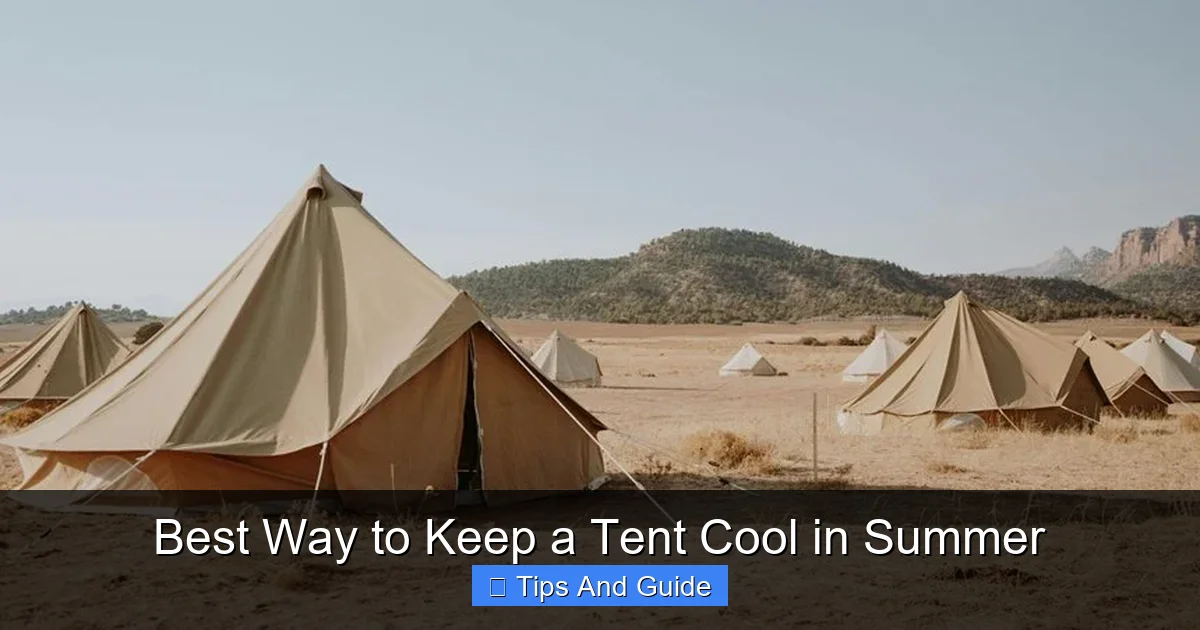
Lighter-colored tents reflect more sunlight and absorb less heat than darker tents. A white, beige, or light grey tent will generally stay cooler than a black or dark green one.
Tent Size and Shape
Larger tents with more headroom can sometimes feel cooler because the hot air rises to the top, away from where you are sleeping. Tents with a more aerodynamic shape might also perform better in windy conditions, which can help with cooling. If you’re looking for spaciousness, a best pop-up tent you can stand up in often provides that extra vertical space.
Durability and Sun Protection
Tents designed for sunny climates often have features like UPF (Ultraviolet Protection Factor) ratings or coatings that help block UV rays, which also contribute to heat. A good quality, well-ventilated tent is key to staying cool.
Conclusion
Keeping your tent cool in the summer doesn’t require a magic wand or an expensive air conditioning unit. It’s all about smart planning, strategic placement, and utilizing the natural elements to your advantage. By choosing your campsite wisely, maximizing ventilation, creating shade, and employing a few clever cooling hacks, you can transform your tent into a comfortable haven. Remember to pack light, stay hydrated, and adjust your sleeping gear for the heat. With these tips, you’ll be ready to enjoy the best of summer camping without overheating. So, go forth and embrace the adventure, knowing that a cool and comfortable night’s sleep is well within reach!
Frequently Asked Questions
How can I make my tent cooler without electricity?
You can make your tent cooler without electricity by maximizing natural shade from trees or tarps, ensuring good cross-ventilation by opening all vents and doors, and using reflective materials on the outside of your tent to bounce away heat. A battery-powered fan is also a great non-electric option.
What is the best time of day to set up or take down a tent in summer?
The best time to set up or take down a tent in summer is during the cooler parts of the day, which are typically early morning or late evening. Avoiding the peak heat between late morning and late afternoon will make the process much more comfortable and prevent your tent from absorbing excessive heat.
Can I use ice to cool my tent?
Yes, you can use ice to help cool your tent. A common method is to place a cooler filled with ice (and perhaps a bit of water) in front of a battery-powered fan. The fan will blow the cooler air from the ice, providing a refreshing breeze. Just be mindful of melting ice and potential condensation.
Are lighter colored tents cooler?
Yes, lighter colored tents are generally cooler than darker colored tents. Light colors reflect more sunlight and absorb less heat, helping to keep the interior temperature lower. This is why white or beige tents are often preferred for hot weather camping.
How important is ventilation for keeping a tent cool?
Ventilation is extremely important for keeping a tent cool. Proper airflow allows hot air to escape and cooler ambient air to enter, preventing heat from building up inside. Maximizing the use of mesh panels and vents is one of the most effective ways to maintain a comfortable temperature.
What should I sleep on to stay cool in a hot tent?
To stay cool in a hot tent, opt for lightweight sleeping gear. This includes a thin sleeping bag or just a liner made of breathable materials like cotton or bamboo. Instead of a bulky mattress, consider a camping mat or a cot that allows air to circulate underneath. Keeping cool on your sleeping surface is crucial for a good night’s rest.
