
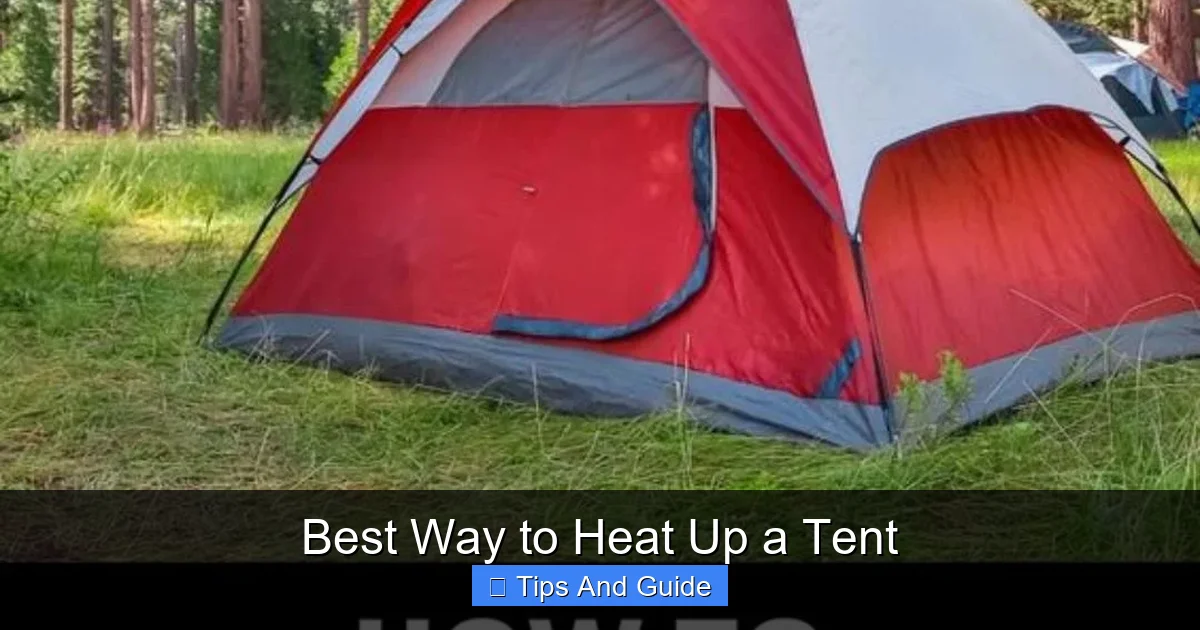
Staying warm in a tent is key for enjoyable camping, especially in cooler weather. The best way to heat up a tent involves a multi-pronged approach focusing on insulation, efficient heating methods, and crucial safety precautions. Learn how to trap heat, choose the right gear, and ensure a comfortable and safe camping experience.
Going camping is a fantastic way to connect with nature and escape the daily grind. But let’s be honest, a chilly night can quickly turn a dream trip into a shivery nightmare. Nobody wants to spend their outdoor adventure huddled under layers of blankets, teeth chattering. That’s why understanding the best way to heat up a tent is so important for anyone who loves exploring the great outdoors, no matter the season.
Whether you’re heading out for a summer evening that dips colder than expected, or embarking on a full-blown winter camping expedition, a warm tent can make all the difference. It’s not just about comfort; it’s about safety too. Hypothermia is a real risk, and a well-heated tent is your first line of defense against it. So, let’s dive into how you can keep your temporary home away from home toasty and inviting.
## 1. Mastering Tent Insulation: Your First Line of Defense
Before you even think about adding a heat source, the smartest move is to make your tent as efficient at retaining heat as possible. Think of your tent not as a place to generate heat, but as a place to *keep* the heat you already have, whether it’s from your body or a safe heating device. A well-insulated tent will require less active heating, saving you fuel and, more importantly, reducing risks.
### Ground Insulation is Crucial
Heat rises, but it also escapes downwards, especially into cold ground. Your sleeping pad is your best friend here. It’s not just for comfort; its R-value (a measure of its resistance to heat flow) is critical. Aim for a pad with a higher R-value, especially if you’re camping in cooler temperatures. For serious cold, consider a combination: an inflatable pad on top of a closed-cell foam pad. This double-layer approach significantly boosts your insulation from the ground.
### Sealing Drafts and Adding Layers
Examine your tent for any gaps or drafts. Sometimes, a little bit of strategic tape or even a strategically placed spare piece of fabric can block unwelcome cold air. If you have a larger tent, especially one designed for family camping, consider using a footprint or ground tarp underneath it. This adds another layer of insulation from below and protects your tent floor. Some campers even bring an extra tarp to hang inside the tent at night, creating an air buffer, though this can be tricky to do without creating condensation issues.
### Choosing the Right Tent Material
While you might not be able to change your tent on a whim, it’s worth noting that tent materials vary in their insulating properties. Thicker fabrics and tents with multiple layers (like 3-season or 4-season tents) are naturally better at holding heat. If you’re serious about cold-weather camping, investing in a tent specifically designed for it, such as a best pop up tent for winter, is a wise decision. These are built to withstand colder conditions and retain heat more effectively.
## 2. Leveraging Your Body Heat and Sleeping Gear
Your own body is a fantastic, natural heater! The key is to trap that heat effectively so it warms you instead of escaping into the cold tent air. This is where your sleeping bag and clothing come into play.
### The Power of a Good Sleeping Bag
A sleeping bag rated for the temperatures you expect is essential. Don’t skimp on this. Look at the temperature rating; it’s usually a guide, so if it’s near freezing, get a bag rated well below that. For extreme cold, consider a mummy-style bag, which cinches around your face and body, minimizing air pockets that can cool down.
### Sleeping Bag Liners and Layering Inside
To boost the warmth of your existing sleeping bag, consider a sleeping bag liner. These can add several degrees to your bag’s warmth and are much easier to wash than the bag itself. Inside your sleeping bag, wear dry, insulating layers of clothing. A base layer of thermal underwear (merino wool or synthetic are excellent choices) is ideal. Avoid cotton, as it holds moisture and will make you colder. A warm hat is also vital, as you lose a lot of heat through your head.
### The Human Factor: Multiple Occupants
If you’re camping with others, more bodies mean more heat. Huddling together (safely, of course!) can significantly raise the internal temperature of the tent. Just ensure there’s still enough air circulation to prevent excessive condensation.
## 3. Safe and Effective Portable Heating Solutions
When insulation and body heat aren’t quite enough, you might consider a portable heater. This is where extreme caution is paramount. The wrong heater, or using one incorrectly, can be incredibly dangerous.
### Propane Heaters: Pros and Cons
Propane heaters are popular for their effectiveness. Many are designed specifically for camping and RV use. The key is to use one that has an oxygen depletion sensor (ODS) and a tip-over switch. These are safety features that automatically shut off the heater if oxygen levels drop too low or if it’s accidentally knocked over.
**Always, always, always follow the manufacturer’s instructions to the letter.** Never run a propane heater inside a fully sealed tent. You must maintain ventilation. Crack a window or vent the tent slightly, even in cold weather. It’s a trade-off between heat and safety, and safety always wins. It’s also a good idea to have a carbon monoxide detector specifically designed for camping use. You can find these devices in reviews of the best pop up tent heater options available.
### Other Heater Types
* **Electric Heaters:** These are only an option if you have a reliable power source, like at a campsite with hookups or a powerful generator. They are generally safer than fuel-burning heaters as they don’t produce carbon monoxide. However, they can be power-hungry.
* **Catalytic Heaters:** These are another type of propane heater that uses a catalytic process to produce heat. They are generally considered safer than open-flame propane heaters but still require proper ventilation and CO detection.
**Important Note:** Never use a fuel-burning stove or a grill inside your tent for heating. These are designed for cooking and produce high levels of carbon monoxide very quickly, which can be fatal.
## 4. Non-Heater Warmth Boosters: Tried and True Methods
You don’t always need a fancy gadget to stay warm. There are plenty of low-tech, safe ways to add warmth to your tent.
### The Classic Hot Water Bottle
Fill a sturdy, leak-proof water bottle (like a Nalgene) with hot (not boiling) water. Wrap it in a sock or towel to prevent burns and tuck it into your sleeping bag before you get in. It’s like a little personal furnace that lasts for hours. Make sure your water bottle is designed for hot liquids; not all plastic bottles are.
### Pre-Warming Your Sleeping Bag
Before you turn in for the night, do some jumping jacks or a quick workout just outside your tent. This will get your body temperature up. Then, crawl into your sleeping bag. The warmth from your exertion will transfer to the bag, pre-heating it for you. Another trick is to sleep with a clean, dry set of clothes you plan to wear the next day inside your sleeping bag. By morning, they’ll be slightly warmed.
### Chemical Hand Warmers and Foot Warmers
These disposable packets are a lifesaver. Tuck them into your pockets, gloves, or boots. They can provide steady, gentle warmth for hours. Some are even designed to be placed inside sleeping bags for localized warmth.
## 5. The Art of Ventilation: Keeping it Safe
This point cannot be stressed enough: **Always, always, always ensure adequate ventilation in your tent when using any kind of fuel-burning device or even when multiple people are sleeping.**
### Why Ventilation is Critical
When humans exhale, we produce carbon dioxide. When fuel burns (like propane in a heater), it produces carbon monoxide (CO) and carbon dioxide. In a sealed environment like a tent, these gases can build up to dangerous, even lethal, levels. Carbon monoxide is colorless and odorless, making it impossible to detect without a specialized detector.
### How to Ventilate Properly
* **Crack a Window:** Most tents have windows or vents. Open them slightly. Even a small opening allows for crucial air exchange.
* **Use Tent Doors Wisely:** If it’s not too cold, you might be able to partially unzip a tent door or window.
* **Consider Airflow:** Think about how air can enter and exit. If one vent is on the windward side, another on the leeward side can create a natural flow.
* **Monitor and Detect:** Invest in a battery-operated carbon monoxide detector designed for camping. This is a small price to pay for peace of mind and safety.
Even in the coldest weather, a small amount of ventilation is essential. It might feel counterintuitive to let cold air in, but it’s far better than risking CO poisoning. If you’re unsure about ventilation, consult your tent’s manual or the instructions for your heating device. For those who are particularly concerned about the cold, a tent designed for harsh weather, perhaps one of the best pop up tent for wind models that are also well-insulated, can help mitigate the need for extreme ventilation while still maintaining safety.
## 6. Clothing and Personal Warmth Strategies
Ultimately, how warm you feel is heavily influenced by what you wear and how you manage your body’s temperature.
### Layering is Non-Negotiable
This is the golden rule of outdoor dressing. Wear multiple thin layers rather than one thick one. This allows you to adjust your insulation based on your activity level and the ambient temperature.
* **Base Layer:** Wicks moisture away from your skin (synthetic or merino wool).
* **Mid Layer:** Provides insulation (fleece, down).
* **Outer Layer:** Protects from wind and rain.
### Keep Extremities Warm
Your hands, feet, and head are where you lose the most heat. Always wear warm socks and gloves, and a hat, especially when sleeping. Ensure your socks are dry and made of wool or synthetic materials.
### Stay Hydrated and Fueled
Your body needs fuel to generate heat. Eat well, especially warm, hearty meals. Staying hydrated is also important, as dehydration can make you feel colder.
### Avoid Overheating and Sweating
While you want to stay warm, don’t overdress to the point of sweating. When you stop being active, that sweat will chill you to the bone. Adjust your layers as needed.
## Conclusion: A Toasty Tent Awaits
Heating a tent isn’t about a single magic bullet; it’s about a smart combination of strategies. By focusing on solid insulation, utilizing your body’s natural heat, employing safe heating methods when necessary, and always, always prioritizing ventilation, you can ensure your camping trips are comfortable and memorable for all the right reasons. Remember that selecting the right tent can also be a significant factor; a good best pop up tent for camping will already have some inherent advantages in temperature regulation. Stay warm, stay safe, and happy camping!
- Proper Insulation is Paramount: Before even thinking about heat sources, focus on making your tent a heat trap. This includes using a good quality tent, insulating the ground, and sealing drafts.
- Human Body Heat is a Factor: Multiple people in a tent can generate a significant amount of heat. Sleeping bags are designed to trap your body heat effectively.
- Ventilation is Non-Negotiable for Safety: Never completely seal a tent when using any form of heating. Proper ventilation prevents dangerous carbon monoxide buildup.
- Portable Heaters Require Caution: If using a portable heater, choose one designed for tent use, follow instructions precisely, and maintain good ventilation.
- Non-Heater Methods Work: Hot water bottles, pre-warmed sleeping bags, and the right clothing are effective, safe ways to boost warmth without open flames or fuel.
- Layering is Key for Personal Warmth: Wearing appropriate layers of clothing inside and in your sleeping bag is a fundamental way to stay warm.
Frequently Asked Questions
How do I make my tent warmer without a heater?
You can significantly warm your tent without a heater by focusing on insulation. Use a thick sleeping pad with a high R-value, add a footprint under your tent, and ensure all vents and zippers are sealed to prevent drafts. Layering warm clothing and using a sleeping bag liner also helps trap body heat effectively.
Is it safe to use a propane heater in a tent?
It can be safe if you use a heater specifically designed for tent use, equipped with safety features like an oxygen depletion sensor and tip-over switch. Crucially, you must maintain adequate ventilation by cracking a window or vent to prevent dangerous carbon monoxide buildup.
What is the best way to insulate the ground in a tent?
The best way to insulate the ground is by using a high-quality sleeping pad with a good R-value. For colder conditions, layering a closed-cell foam pad with an inflatable air pad provides excellent insulation. A tent footprint or ground tarp underneath the tent also adds an extra layer.
How much ventilation do I need when heating a tent?
You need enough ventilation to allow for fresh air exchange and prevent the buildup of carbon monoxide and moisture. This typically means opening at least one vent or window slightly, even in cold weather. Always follow the manufacturer’s recommendations for your specific heater and tent.
Can I sleep with a heater running in my tent?
It is generally not recommended to sleep with a fuel-burning heater running unattended in a tent, even with ventilation. It’s safer to use the heater to warm up the tent before sleeping and then turn it off, relying on your sleeping gear and body heat. If you do use one overnight, ensure it has all safety features and continuous, monitored ventilation.
What clothing is best for staying warm in a tent?
The best clothing for staying warm in a tent involves layering synthetic or merino wool materials. A base layer wicks moisture, a mid-layer provides insulation (like fleece or down), and an optional outer layer protects from the elements. Don’t forget a warm hat and socks, and avoid cotton, which holds moisture and makes you colder.
