
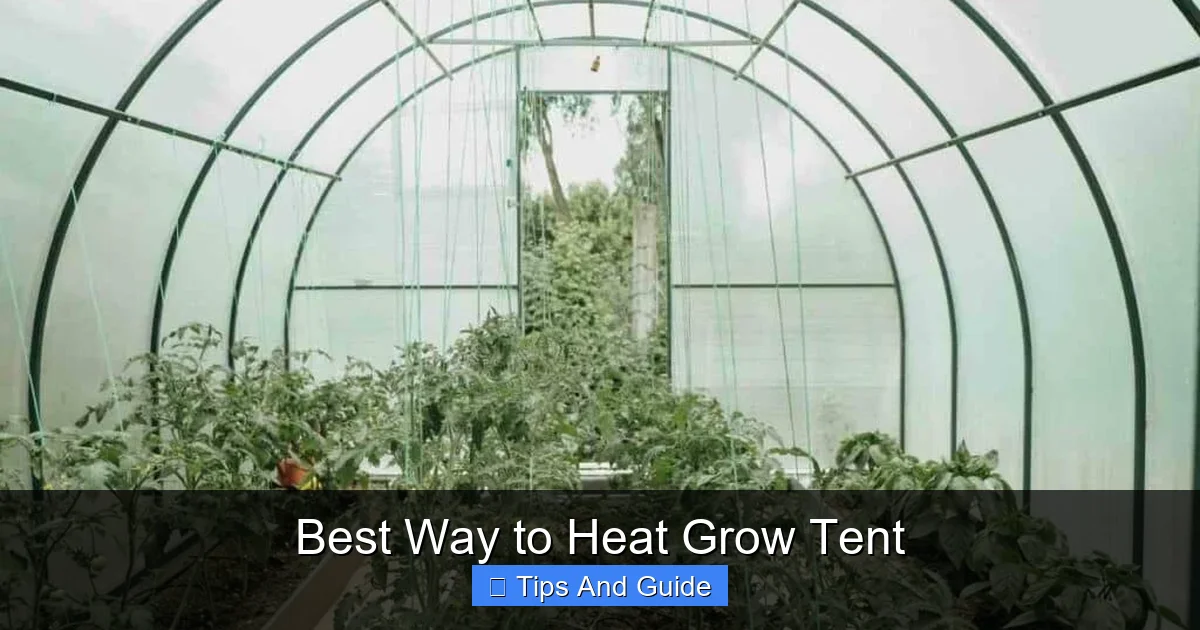
Maintaining the correct temperature in your grow tent is crucial for healthy plant development. The best way to heat a grow tent involves understanding your climate, tent size, and plant needs. This guide explores safe and effective heating methods, from ceramic heaters to heat mats, ensuring your plants thrive year-round.
Growing plants indoors, especially in a controlled environment like a grow tent, offers incredible advantages. You can cultivate your favorite herbs, vegetables, or flowers year-round, regardless of the weather outside. However, this control comes with responsibility, and one of the most critical aspects to manage is temperature. Without proper heating, your plants can suffer from stunted growth, disease, or even death. So, what’s the best way to heat a grow tent and ensure your green friends are happy and healthy? Let’s dive in.
Ensuring your grow tent is at the optimal temperature is like providing a cozy, perfectly regulated home for your plants. Too cold, and they’ll slow down, becoming vulnerable. Too hot, and they’ll stress, potentially burning their leaves or struggling to photosynthesize efficiently. Finding that sweet spot is key, and it starts with understanding your specific needs. The best way to heat a grow tent isn’t a one-size-fits-all solution; it depends on factors like your ambient room temperature, the size of your tent, and the specific plant species you’re growing.
When we talk about heating a grow tent, safety should always be your number one priority. Grow tents are enclosed spaces, and introducing a heat source requires careful consideration to prevent fire hazards or damage to your plants. We’ll be focusing on methods that are safe, effective, and designed for indoor horticultural use. Forget makeshift solutions; we’re looking for reliable ways to create a stable, warm environment.
- Understand Your Environment: The ideal temperature range for most plants is between 70-85°F (21-29°C) during the day and slightly cooler at night. Your local climate and tent’s insulation will influence your heating needs.
- Safety First: Always prioritize safety when using any heating device in an enclosed space like a grow tent. Look for features like auto-shutoff and tip-over protection. Avoid open flames or anything that produces sparks.
- Ceramic Heaters are Top Picks: Small, enclosed ceramic heaters are often the best way to heat a grow tent due to their safety, efficiency, and adjustable thermostats.
- Don’t Forget Thermoregulation: A reliable thermostat is essential. It allows you to set a target temperature and automatically turns the heater on and off, preventing overheating or underheating.
- Consider Heat Mats for Seedlings: For starting seeds or rooting clones, seedling heat mats provide gentle, targeted warmth directly to the root zone, promoting faster germination and growth.
- Air Circulation is Key: Even with the best heating, good air circulation is vital. Use oscillating fans to distribute warm air evenly and prevent stagnant pockets.
- Insulation Matters: A well-sealed grow tent with adequate insulation will retain heat better, making your heating solution more efficient and cost-effective.
[FEATURED_IMAGE_PLACEHOLDER]
📑 Table of Contents
Why Temperature Control Matters So Much
Plants are living organisms, and their growth is heavily influenced by their environment. Temperature plays a fundamental role in their biological processes.
The Ideal Temperature Range
For most common indoor plants, especially those grown for vegetative or flowering stages, the ideal temperature range is typically between 70-85°F (21-29°C) during the day when their lights are on. At night, when the lights are off, a slight drop is natural and often beneficial, usually between 60-70°F (15-21°C). This “night drop” can mimic natural conditions and promote healthier growth. However, this range can vary. Seedlings and clones often prefer slightly warmer temperatures, while some specific strains or plants in their mature flowering stages might have slightly different preferences. Always research the specific needs of the plants you are cultivating.
Consequences of Incorrect Temperatures
* **Too Cold:** When temperatures drop too low, plants can enter a state of dormancy. Their metabolic processes slow down significantly. This can lead to stunted growth, delayed flowering, and increased susceptibility to pests and diseases. Cold stress can also damage delicate tissues, making them vulnerable to rot.
* **Too Hot:** Conversely, high temperatures can cause heat stress. Leaves may curl upwards or develop crispy, brown edges (tip burn). Photosynthesis efficiency drops, and plants may struggle to absorb nutrients properly. Extreme heat can even lead to wilting and irreversible damage.
Understanding Your Grow Tent Environment
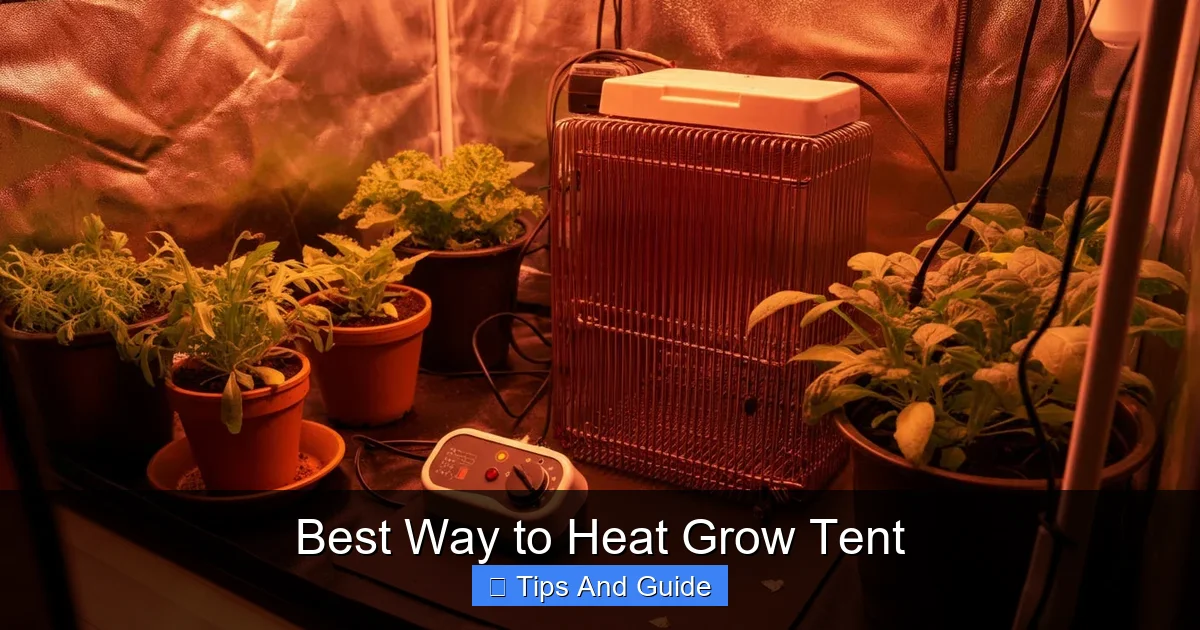
Visual guide about Best Way to Heat Grow Tent
Image source: gorillagrowtent.com
Before you even think about buying a heater, take a good look at your setup and the environment it’s in. This will help you choose the most effective and efficient heating solution.
Tent Size and Insulation
The size of your grow tent is a major factor. A small 2×2 tent will require a much less powerful heater than a large 4×8 tent. Over-sizing a heater for a small space can quickly lead to dangerous overheating. Conversely, trying to heat a large tent with a tiny heater will be futile and waste energy.
The insulation of your tent also plays a role. Most grow tents are made of reflective Mylar or similar materials, which offer some thermal insulation. However, they aren’t hermetically sealed. If your tent is in a very cold garage or unheated basement, you’ll lose heat more rapidly than if it’s in a climate-controlled room. Consider how well your tent is sealed around zippers and vents. Drafts can significantly impact the temperature inside.
Ambient Room Temperature
This is perhaps the most crucial factor. If your grow tent is located in a room that’s already quite warm, you might not need a heater at all, or perhaps just a small supplemental one for the coldest nights. If it’s in an unheated shed or a chilly basement, you’ll definitely need a robust heating solution. A simple thermometer placed inside and outside the tent for a few days can give you a clear picture of the temperature differential you need to overcome.
The Best Heating Solutions for Grow Tents
Visual guide about Best Way to Heat Grow Tent
Image source: bucket.growdiaries.com
Now that we understand why temperature matters and how to assess your needs, let’s explore the best ways to introduce warmth to your grow tent.
1. Ceramic Heaters (The Go-To Choice)
Small, enclosed ceramic heaters are widely considered the best way to heat a grow tent for most indoor gardeners. They are safe, efficient, and offer excellent control.
* **How They Work:** Ceramic heaters use a ceramic element that heats up and then a fan blows air over it, distributing warm air into the tent.
* **Safety Features:** They are generally very safe. Look for models with advanced safety features like:
* **Overheat Protection:** Automatically shuts off if the unit gets too hot.
* **Tip-Over Switch:** Shuts off the heater if it’s knocked over.
* **Cool-Touch Exterior:** The outside of the heater remains cool enough to touch, reducing burn risks.
* **Thermostat Control:** Many come with built-in adjustable thermostats. This is vital. You set your desired temperature, and the heater cycles on and off to maintain it, preventing wild temperature swings.
* **Size Matters:** Choose a ceramic heater specifically designed for small spaces. For a typical 2×2 or 3×3 tent, a 500-watt model is usually sufficient. For larger tents, you might need a slightly more powerful unit, but always err on the side of caution and start smaller.
* **Placement:** Position the heater on the floor, away from direct contact with plants and tent walls. Aim the airflow upwards or across the tent, not directly onto your plants.
2. Seedling Heat Mats (For Propagation)
If you’re starting seeds or rooting clones, a seedling heat mat is an invaluable tool. They provide gentle, consistent warmth directly to the root zone, which is crucial for germination and root development.
* **How They Work:** These are flat, flexible mats that emit a low-level, consistent heat.
* **Benefits:** They provide warmth without significantly raising the ambient air temperature, which is ideal for young, delicate plants. This targeted warmth encourages faster germination and stronger root development.
* **Usage:** Place your seed trays or cloning cubes directly on top of the mat. It’s often recommended to use them in conjunction with a humidity dome.
* **Thermostat Control:** Many heat mats come with or can be paired with a thermostat probe that measures the soil temperature directly, offering precise control.
3. Heat Cables
Similar to heat mats, heat cables offer a way to distribute warmth. They are flexible cables that can be laid out in a specific pattern to warm a larger area or multiple pots.
* **Application:** Useful for larger propagation areas or custom-designed heating setups.
* **Control:** Always use a thermostat with heat cables to regulate the temperature and prevent overheating.
4. Space Heaters (Use with Extreme Caution!)
While larger, more powerful space heaters might seem tempting for bigger tents, they come with significant risks and are generally *not recommended* for typical grow tent setups.
* **Risks:** They can be a fire hazard if not used with extreme care. They often lack the precise temperature control needed for sensitive plants and can quickly overheat a confined space.
* **Alternatives:** If you absolutely must use a larger heater, ensure it has robust safety features and is controlled by an external, high-quality thermostat. However, multiple smaller, safer heaters or a different heating strategy are usually better options.
Essential Accessories for Effective Heating
Simply plugging in a heater isn’t enough. To truly master grow tent heating, you need a few key accessories.
1. Thermostats (Non-Negotiable!)
A reliable thermostat is the absolute cornerstone of any successful grow tent heating strategy. It’s what allows you to maintain a stable temperature without constant monitoring.
* **Types:**
* **Built-in Thermostats:** Many ceramic heaters have these. They work but can sometimes be less accurate than external units.
* **External Thermostats (Recommended):** These connect to your heater (or outlet) and have a separate temperature probe you place inside the tent at canopy level. This gives you precise control over the *actual* temperature your plants are experiencing. Many advanced models also allow for “day” and “night” settings, so the temperature can automatically adjust.
* **Placement of Probe:** Place the thermostat probe at plant canopy height, away from direct heat sources or drafts. This ensures it’s measuring the temperature where your plants are actively growing.
2. Thermometers/Hygrometers
Even with a thermostat, it’s wise to have a separate digital thermometer/hygrometer inside your tent. This serves as a backup to ensure your thermostat is working correctly and that your overall environment is stable. Some even log minimum and maximum temperatures, which is incredibly useful for troubleshooting.
3. Oscillating Fans
Good air circulation is crucial, even when heating. Warm air from a heater can be stagnant if not moved. An oscillating fan will:
* **Distribute Heat:** Evenly spread the warm air throughout the tent, eliminating hot and cold spots.
* **Prevent Mold:** Stagnant, humid air is a breeding ground for mold and mildew. Fans help keep air moving.
* **Strengthen Plants:** Gentle air movement mimics natural breezes, helping plants develop stronger stems.
Tips for Safe and Efficient Heating
Putting it all together: here are some practical tips to ensure you’re heating your grow tent effectively and safely.
* **Start Small:** When choosing a heater, err on the side of caution. It’s easier to add more gentle heat if needed than to deal with an overheating disaster. For most small to medium tents, a 500W ceramic heater is a good starting point.
* **Isolate Your Tent:** If your tent is in a very cold room, consider insulating the surrounding area. Using thick blankets, foam boards, or even building a small enclosure around the tent can help retain heat.
* **Monitor Regularly:** Even with a thermostat, check your thermometer periodically, especially during the first few days of using a new heating setup. Plants can also give visual cues if they are too hot or too cold.
* **Avoid Overcrowding:** Don’t cram too many heat-producing items into a small tent. Lights also produce heat, and you need to account for that.
* **Secure Your Heater:** Ensure your heater is stable and won’t easily tip over. If it doesn’t have a tip-over switch, consider securing it or placing it in a stable position where it’s unlikely to be bumped.
* **Check Connections:** Ensure all power cords and connections are secure and not frayed.
* **Regular Cleaning:** Dust buildup on heaters can reduce efficiency and potentially become a fire hazard. Clean your heater according to the manufacturer’s instructions.
Beyond Heating: Complementary Environmental Control
Heating is just one part of maintaining the perfect grow tent environment. Remember to also consider:
* **Lighting:** Your grow lights will produce heat. Factor this into your heating calculations.
* **Ventilation:** Proper intake and exhaust fans are essential for air exchange and temperature regulation, even when heating.
* **Humidity:** Heating can dry out the air. You might need a humidifier to maintain optimal humidity levels for your plants.
* **Nutrients and Water:** Ensure your plants have access to proper nutrients and water, as these are vital for their growth and ability to cope with temperature fluctuations. For more on setting up a complete system, checking out a best budget grow tent setup guide can be very helpful.
Conclusion
The best way to heat a grow tent is to approach it with knowledge, caution, and the right equipment. Prioritizing safety, understanding your environmental needs, and utilizing reliable tools like ceramic heaters and thermostats are key. By maintaining a stable, optimal temperature, you unlock your plants’ full potential, leading to healthier growth, bountiful harvests, and a more rewarding indoor gardening experience. Don’t let cold weather dictate your growing season; take control with the right heating strategy.
Frequently Asked Questions
What is the safest way to heat a grow tent?
The safest way to heat a grow tent is by using an enclosed ceramic heater with built-in safety features like overheat protection and a tip-over switch. Always pair it with a reliable external thermostat for precise temperature control and to prevent overheating.
Can I use a space heater in my grow tent?
Using a standard space heater in a grow tent is generally not recommended due to fire risks and lack of precise temperature control. If you must, choose a model with extensive safety features and use it with an external thermostat, but smaller, enclosed heaters are a much safer bet.
How do I control the temperature in my grow tent without overheating?
The key is using a thermostat. Connect your heater to an external thermostat with a temperature probe placed inside the tent. Set your desired temperature range, and the thermostat will automatically turn the heater on and off to maintain it, preventing overheating.
When should I use a seedling heat mat?
Seedling heat mats are ideal for germinating seeds and rooting clones. They provide gentle, targeted warmth directly to the root zone, which is crucial for these delicate stages of plant life, promoting faster germination and stronger root development.
How can I improve heat retention in my grow tent?
To improve heat retention, ensure your grow tent is well-sealed at zippers and seams. You can also add extra insulation around the tent, especially if it’s located in a cold area like a garage or basement. Consider a thicker tent material or an outer insulation layer.
What temperature is too cold for plants in a grow tent?
Temperatures below 60°F (15°C) can be too cold for most common indoor plants, leading to stunted growth, delayed flowering, and increased susceptibility to pests and diseases. Seedlings and clones are even more sensitive and may require temperatures closer to 70°F (21°C).
