
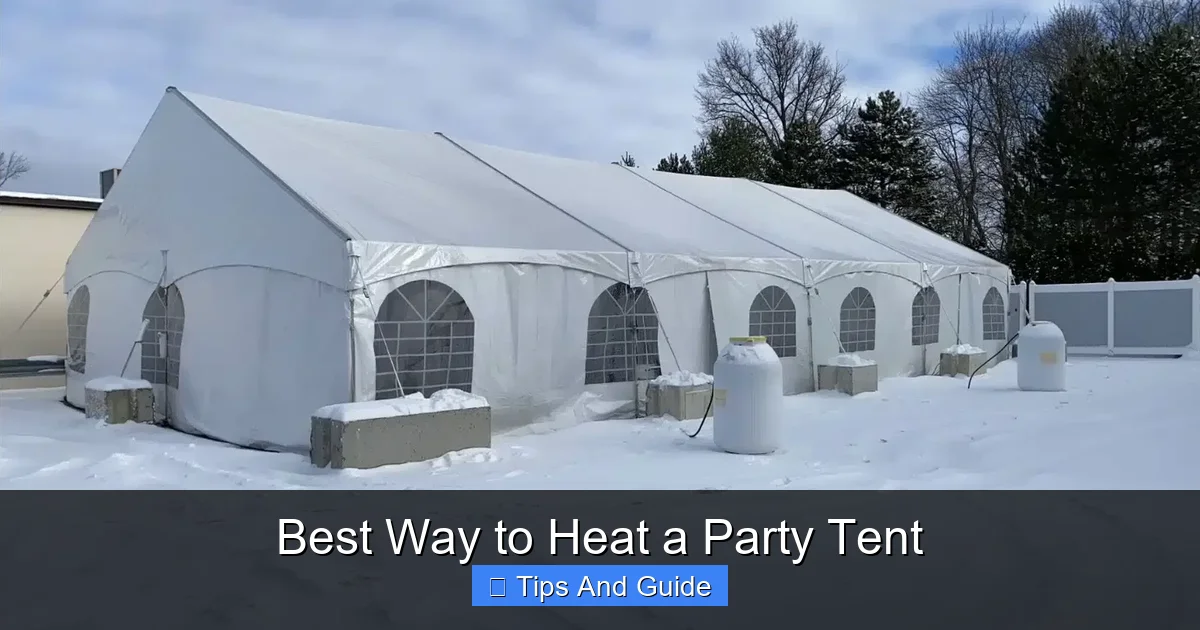
Keeping your party tent warm is crucial for guest comfort, especially during cooler months. This guide explores the best way to heat a party tent, focusing on safety, efficiency, and various heating solutions available. From portable heaters to innovative insulation techniques, you’ll find the perfect method to ensure your event remains enjoyable and toasty.
Planning a party tent event, whether it’s a wedding reception, a corporate gathering, or a festive holiday celebration, should be exciting. However, when the temperature drops, that excitement can quickly turn into a chilly concern. No one wants their guests shivering under the tent! So, the big question arises: what is the best way to heat a party tent? It’s not as simple as just throwing a blanket over it. You need a safe, effective, and comfortable solution.
Heating a party tent requires careful consideration of several factors, including the size of the tent, the ambient temperature, the duration of the event, and most importantly, safety. Using the wrong heating method can lead to discomfort, fire hazards, or even more serious issues like carbon monoxide poisoning. This guide is here to help you navigate the options and find the perfect way to keep your party tent warm and welcoming.
## Understanding the Challenges of Heating a Party Tent
Party tents, by their nature, are often temporary structures designed for various weather conditions, but they aren’t always built with the same insulation standards as permanent buildings. This means they can lose heat rapidly. The materials used, like PVC or canvas, offer some protection, but they don’t trap heat effectively on their own. Understanding these challenges is the first step to finding a successful heating strategy.
### The Importance of Insulation
Before even thinking about heaters, let’s talk about insulation. A well-insulated tent will hold heat much better, meaning you’ll need less powerful (and less energy-consuming) heating equipment.
* **Flooring:** The ground beneath your tent can be a massive source of cold air. Using a subfloor, even something as simple as thick plywood or specialized interlocking flooring panels, can make a huge difference. Adding an insulated ground cover or even a thick carpet over that provides an extra layer of warmth. Think of it like wearing warm socks; it makes a big difference! For ultimate comfort, consider a sturdy floor that elevates you slightly off the cold ground.
* **Wall Linings:** Many party tents have bare walls. Adding fabric linings, like decorative drapes or specialized insulated tent liners, can significantly reduce heat loss. These linings create an air gap between the tent exterior and your party space, acting as a barrier against the cold.
* **Door Seals:** Ensure that your tent entrances are well-sealed. Using heavy-duty zippers and adding draft stoppers at the bottom of doors can prevent cold air from seeping in.
### Ventilation – The Counterintuitive Necessity
It might sound strange, but proper ventilation is absolutely critical when heating a tent. Heaters, especially those burning fuel, produce exhaust gases, including carbon monoxide, which is odorless, colorless, and deadly. Without adequate airflow, these gases can build up to dangerous levels.
* **Air Exchange:** Even in cold weather, you need a way for fresh air to enter and stale air to exit. This doesn’t mean opening huge gaps; small, controlled vents or slightly propping open a door intermittently can be sufficient, depending on your heating method.
* **Preventing Condensation:** Tents can get very humid from body heat and breathing. Proper ventilation helps to remove excess moisture, preventing condensation that can make the inside feel damp and cold, and can even damage the tent material over time.
## Choosing the Right Heating Method
Now that we’ve covered the groundwork of insulation and ventilation, let’s dive into the actual heating solutions. The “best” method often depends on your specific needs and the resources available.
### Electric Heaters: The Safest Indoor Option
Electric heaters are often the go-to choice for indoor heating due to their relative safety and ease of use. They don’t produce combustion byproducts, eliminating the risk of carbon monoxide poisoning.
* **Types of Electric Heaters:**
* **Convection Heaters:** These circulate warm air throughout the space. They are quiet and good for maintaining a consistent temperature. They work best in well-insulated spaces.
* **Radiant Heaters (Infrared Heaters):** These heat objects and people directly, rather than the air. They provide a quick, localized warmth and are effective even in drafty conditions, as they don’t rely on air circulation. They can be very efficient for heating specific zones within the tent.
* **Fan Heaters (Ceramic Heaters):** These use a fan to blow air over a heated element. They heat up a space quickly but can be noisy. They are generally more affordable.
* **Pros:** Safe (no combustion), easy to operate, readily available.
* **Cons:** Require a reliable and sufficient power source, can be energy-intensive for large spaces, may not provide enough heat for extremely cold conditions in a large, uninsulated tent.
* **Considerations:** Ensure the heater’s wattage is appropriate for the size of your tent and that your power supply can handle the load. For larger tents, you might need multiple units or a more powerful industrial-style electric heater. If you are looking for the most convenient and safest solution, an electric heater might be the best way to heat a party tent.
### Propane and Kerosene Heaters: Powerful but Require Caution
These fuel-burning heaters offer significant heating power, making them suitable for larger tents or very cold environments. However, they come with substantial safety considerations.
* **Propane Heaters:** These are common and powerful. They come in various forms, from portable “Mr. Heater” style units to larger industrial models.
* **Ventilation is paramount:** Propane heaters burn propane, which produces carbon monoxide. You *must* ensure continuous, adequate ventilation. This usually means having at least one side of the tent slightly open or using specialized tent vents.
* **Placement:** Keep them away from flammable materials and ensure they are on a stable, level surface.
* **Fuel Supply:** You’ll need an adequate supply of propane tanks.
* **Kerosene Heaters:** Similar to propane heaters in terms of power and the need for extreme caution with ventilation. They can also produce odors.
* **Pros:** Very powerful, can heat large spaces quickly, not reliant on electricity.
* **Cons:** Significant carbon monoxide risk, potential fire hazard, can produce odors, require fuel supply management.
* **Recommendation:** If you opt for a fuel-burning heater, it’s highly advisable to consult with the tent rental company or a professional event planner. They can advise on safe usage and the specific type of heater suitable for your tent. For any fuel-burning appliance, always have a carbon monoxide detector inside the tent. This is a non-negotiable safety measure.
### Indirect-Fired Heaters: The Professional Choice
For larger, more professional events, indirect-fired heaters are often the best way to heat a party tent. These heaters burn fuel (like propane or diesel) outside the tent, and the heated air is ducted into the tent through insulated hoses.
* **How They Work:** The combustion chamber is completely sealed, meaning no exhaust gases enter the tent. Only clean, heated air is supplied.
* **Pros:** Very safe, powerful, efficient, can heat large areas effectively, minimal noise inside the tent.
* **Cons:** More expensive to rent or purchase, require professional setup and operation, need space outside the tent for the unit itself.
* **Use Case:** Ideal for weddings, corporate events, or any situation where safety and consistent comfort are paramount.
## Practical Tips for Maximizing Tent Heat
Beyond choosing the right heater, several practical tips can help you make the most of your heating efforts.
### Strategic Heater Placement
* **Central Location:** For most tent types, placing a heater (especially convection or fan heaters) in a central location helps distribute heat more evenly.
* **Near Occupancy Zones:** If you have specific areas where guests will congregate, ensure a heater is positioned to warm those zones effectively. Radiant heaters are excellent for this.
* **Avoid Obstructions:** Don’t place heaters directly against tent walls or furniture, as this can be a fire hazard and impede heat circulation.
### Managing Power Needs
* **Electrical Capacity:** If using electric heaters, understand your power source. A standard household outlet might not be sufficient for powerful heaters. You may need to rent a generator. Ensure the generator is appropriately sized and placed safely away from the tent.
* **Extension Cords:** Use heavy-duty, outdoor-rated extension cords. Avoid daisy-chaining cords, as this can overload them and create a fire risk.
### Monitoring Temperature and Air Quality
* **Thermostats:** Many heaters come with built-in thermostats. Use them to maintain a consistent temperature without overheating or wasting energy.
* **Thermometers:** Place a reliable thermometer inside the tent to monitor the actual temperature. Don’t just rely on how it feels.
* **Carbon Monoxide Detectors:** As mentioned, if using any fuel-burning heater, a battery-operated carbon monoxide detector is an absolute necessity. Place it at guest level and check it regularly.
### Combining Heating Methods
Sometimes, a combination approach is the most effective. For example:
* **Insulated Floor + Radiant Heater:** A good floor provides a base of warmth, and a radiant heater can provide targeted comfort.
* **Electric Heater + Tent Linings:** The linings reduce heat loss, allowing a less powerful electric heater to maintain a comfortable temperature.
## Safety First: The Non-Negotiable Aspect
We can’t stress this enough: safety is paramount when heating a party tent.
### Fire Safety
* **Clearances:** Always maintain adequate clearance around any heating device. Check the manufacturer’s instructions for specific distances.
* **Flammable Materials:** Keep all flammable materials (decorations, fabric, paper) well away from heaters.
* **Supervision:** Never leave a heating device unattended, especially fuel-burning types.
* **Fire Extinguisher:** Have a fire extinguisher readily accessible inside and outside the tent.
### Carbon Monoxide Safety
* **Ventilation, Ventilation, Ventilation:** This cannot be repeated enough. If using fuel-burning heaters, ensure continuous fresh air intake.
* **CO Detectors:** Install and regularly check battery-operated carbon monoxide detectors.
* **Know the Symptoms:** Be aware of the symptoms of carbon monoxide poisoning: headache, dizziness, nausea, fatigue, and confusion. If anyone experiences these symptoms, evacuate immediately and seek medical attention.
## Choosing the Right Tent for the Occasion
While this article focuses on heating, it’s worth noting that the type of tent itself plays a role in how easy it is to heat. Some tents are better insulated than others. For instance, a tent designed for colder weather or with thicker wall materials will retain heat more effectively than a basic pop-up canopy. If you’re planning an event in cooler weather, consider tents specifically marketed for their insulation properties or four-season use. Exploring options for the best pop up tent for winter can provide valuable insights into tents designed to handle lower temperatures, which will inherently be easier to heat. Similarly, understanding the features of the best pop up tent for rain might also indicate better sealing and structural integrity that helps retain heat.
### Renting vs. Owning
For a one-off event, renting a tent and potentially a heating unit is often the most practical solution. Rental companies can offer advice on the best heating options for their specific tent models and can often provide professional setup and support. If you plan on hosting many outdoor events, investing in your own tent and heating equipment might be worthwhile.
## Conclusion
Finding the best way to heat a party tent involves a thoughtful approach that balances comfort, safety, and efficiency. It starts with understanding your tent’s limitations and implementing smart insulation strategies. Then, you can select a heating method – whether it’s a safe electric heater, a powerful (but carefully managed) propane unit, or a professional indirect-fired system – that suits your event’s scale and your budget.
Always remember that safety should be your top priority. Proper ventilation, carbon monoxide detectors, and fire safety precautions are non-negotiable when using any heating device in an enclosed space like a party tent. By following these guidelines, you can ensure your guests stay warm, comfortable, and, most importantly, safe, allowing your event to be a memorable success, regardless of the temperature outside.
- Prioritize Safety: Always choose heaters designed for enclosed spaces and ensure proper ventilation to prevent carbon monoxide buildup.
- Consider Heater Type: Electric heaters are generally safer indoors, while propane heaters offer more power but require strict safety measures.
- Insulation is Key: Proper tent insulation, including flooring and wall coverings, significantly reduces heat loss and makes any heating method more effective.
- Ventilation is Non-Negotiable: Even with heating, adequate airflow is vital to maintain air quality and prevent condensation.
- Power Source Matters: Determine if you have access to reliable electricity or need a portable generator for your chosen heating solution.
- Size and Capacity: Select a heater with appropriate BTU output for the size of your tent to ensure efficient and effective heating.
- Backup Plans: Always have a backup heating method or contingency plan in case your primary system fails.
Frequently Asked Questions
What is the safest way to heat a party tent?
The safest way to heat a party tent is generally by using electric heaters, as they do not produce combustion byproducts like carbon monoxide. If using fuel-burning heaters (propane, kerosene), ensure there is constant, adequate ventilation and always use a carbon monoxide detector.
How much BTU heating power do I need for my party tent?
The BTU (British Thermal Unit) requirement depends on the size of your tent, the outdoor temperature, and the level of insulation. A general guideline is 20-50 BTUs per square foot, but it’s best to consult with a heating professional or tent rental company for precise recommendations based on your specific tent and climate.
Can I use a standard home space heater in a party tent?
While some smaller electric space heaters might work for very small, well-insulated tents, it’s generally recommended to use heaters specifically designed for outdoor or event spaces. These often offer higher output and safety features. Always check the manufacturer’s guidelines and ensure adequate power supply.
How do I prevent condensation in a heated party tent?
Adequate ventilation is key to preventing condensation. Even when heating, allow for some air exchange to remove excess moisture generated by people’s breath and body heat. Proper tent linings can also help manage moisture.
Is it safe to use propane heaters inside a party tent?
Propane heaters can be used inside a party tent, but only with extreme caution. They must have adequate ventilation to prevent carbon monoxide buildup, and a carbon monoxide detector is essential. Always keep them away from flammable materials and on stable surfaces.
What should I do if I smell gas or fumes in the tent?
If you smell gas or fumes, evacuate the tent immediately. Do not operate any electrical switches or light any flames. Once outside, ventilate the area and investigate the source of the smell, or call for professional assistance if you are unsure.
