
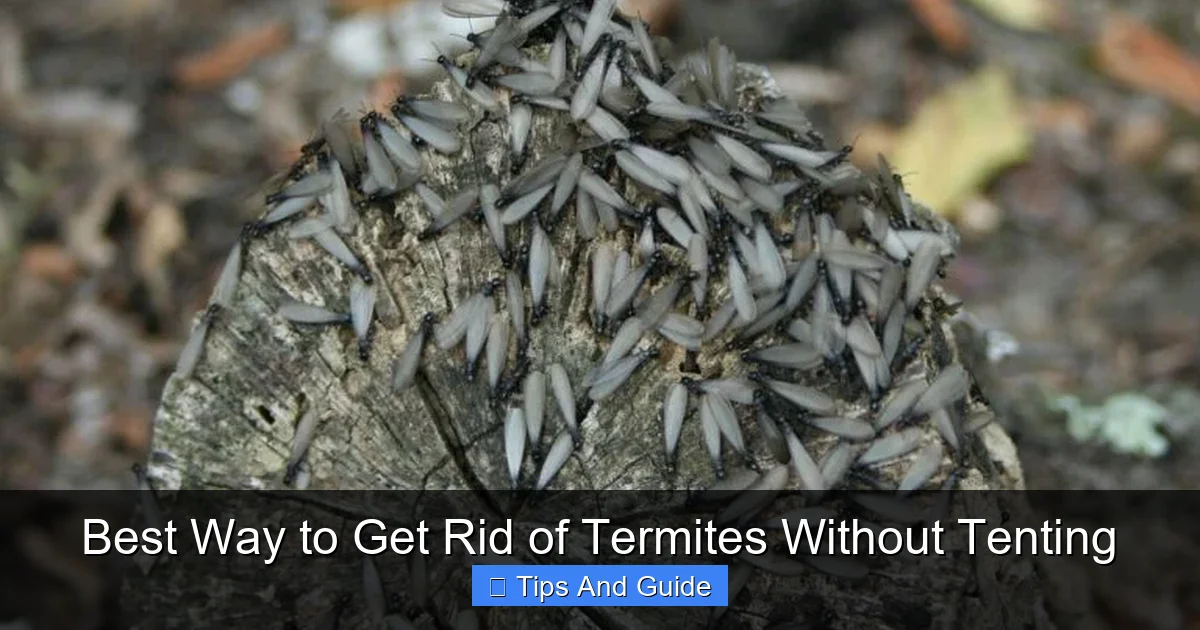
Are termites wreaking havoc on your home? Don’t let them! You can effectively get rid of termites without the hassle and cost of tenting. This guide explores proven alternative methods, from targeted treatments to preventative measures, helping you protect your property and peace of mind.
Termites. Just the word can send a shiver down your spine. These tiny, destructive insects can cause significant damage to your home, chewing through wooden structures and compromising their integrity. For years, the go-to solution for a severe termite problem has been fumigation, commonly known as tenting. This involves covering your entire house in a large tent and releasing a gas to kill all termites inside. While effective, tenting can be disruptive, expensive, and requires you and your family to vacate your home for several days.
But what if there was a better way? What if you could get rid of termites without the extensive disruption of tenting? The good news is, you can! There are several effective methods for termite control that don’t involve fumigating your entire house. These alternatives offer targeted treatments, quicker resolution, and can often be more cost-effective. Whether you’re dealing with a minor infestation or looking for preventative measures, understanding these options is crucial for protecting your most valuable asset.
In this guide, we’ll walk you through the best ways to get rid of termites without tenting. We’ll explore various treatment options, discuss their pros and cons, and offer practical advice to help you reclaim your home from these unwelcome guests.
Key Takeaways
- Targeted liquid termiticides: These are applied directly to the soil around your foundation and into galleries within the wood, creating a barrier that kills termites on contact.
- Baiting systems: Termite bait stations are strategically placed around your home. Termites consume the bait and carry it back to the colony, eliminating it from within.
- Direct wood treatment: For visible termite damage or infestations, specialized foams, gels, or sprays can be applied directly to infested wood.
- Fumigation (tenting) alternative: While tenting is a common method, these non-tenting options offer localized or colony-wide elimination without covering the entire structure.
- Prevention is key: Reducing moisture and eliminating food sources are crucial steps in preventing future termite infestations.
- Professional vs. DIY: While some DIY options exist, severe infestations often require professional expertise for complete eradication.
📑 Table of Contents
Understanding Termite Infestations
Before we dive into the solutions, it’s important to understand what you’re up against. Termites are social insects that live in colonies. There are several types of termites, but the most common destructive ones in homes are subterranean termites and drywood termites. Subterranean termites live in underground colonies and build mud tubes to travel between their colony and your home’s food source (wood). Drywood termites live within the wooden structures they infest, often in drier climates.
Signs of a termite infestation can include:
- Mud tubes on foundation walls or other parts of your home.
- Wood that sounds hollow when tapped.
- Small holes in wood surfaces with tiny piles of sawdust-like frass (termite droppings) nearby.
- Discarded termite wings, often found near windowsills or doors after swarming.
- Peeling or buckling paint that may resemble water damage.
Identifying the type of termite and the extent of the infestation is the first step in choosing the most effective treatment method.
Targeted Liquid Termiticides
Visual guide about Best Way to Get Rid of Termites Without Tenting
Image source: menacetopests.com
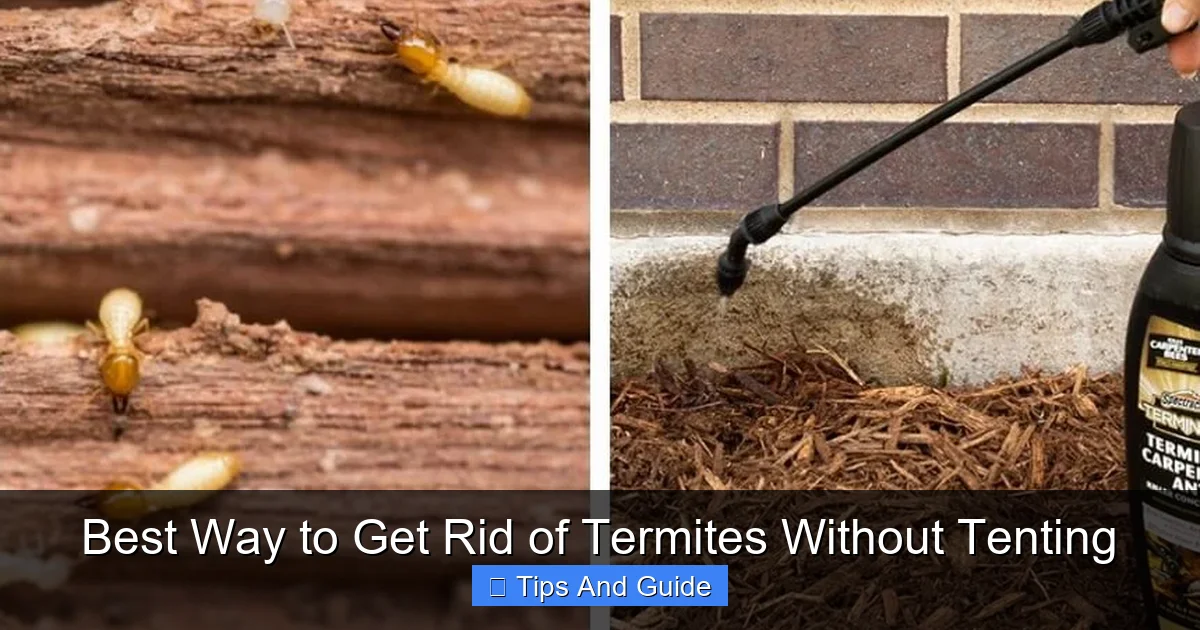
One of the most common and effective alternatives to tenting is the use of targeted liquid termiticides. These are chemicals that kill termites on contact and can also be used to create a protective barrier around your home. Professionals typically apply these treatments.
How it Works
Liquid termiticides are applied to the soil around the foundation of your home. This creates a chemical barrier that foraging termites will encounter as they try to enter your home. When termites come into contact with the termiticide, they die. Some termiticides also have a transfer effect, meaning a termite that has been exposed can carry the chemical back to the colony and infect other termites. This can help to eliminate the entire colony over time.
Application
The process usually involves trenching around the exterior of your foundation. The termiticide is then mixed with water and poured into the trench. It can also be injected directly into the soil or into any visible mud tubes or termite galleries within wooden structures. For subterranean termites, this barrier is crucial for preventing them from reaching the wood in your house.
Pros and Cons
Pros:
- Effective: Creates a continuous barrier that kills termites on contact.
- Long-lasting: Provides residual protection for several years.
- Non-disruptive: You don’t need to vacate your home.
Cons:
- Professional application required: For best results and safety, this is usually a job for pest control experts.
- Potential environmental concerns: Though modern termiticides are safer, proper application is key.
- Doesn’t always eliminate the entire colony immediately: It might take time for the transfer effect to work.
Termite Baiting Systems
Visual guide about Best Way to Get Rid of Termites Without Tenting
Image source: menacetopests.com
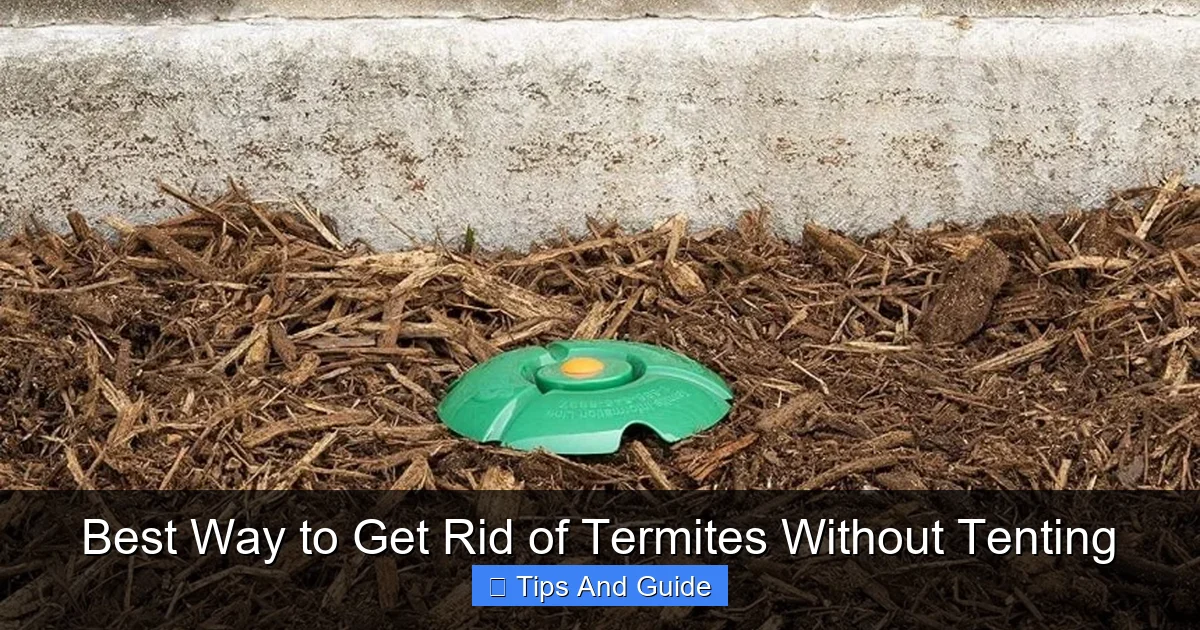
Termite baiting systems are another popular and effective non-tenting method. These systems work by attracting termites to a bait that they then carry back to their colony, ultimately leading to its elimination.
How it Works
Bait stations are placed strategically around your property, typically in the soil surrounding your home. These stations contain a slow-acting insecticide mixed with a material that termites find attractive, like cellulose. Worker termites find the bait, eat it, and then return to the colony to feed others, including the queen. Because the insecticide is slow-acting, it allows the termites to spread it throughout the colony before they die.
Installation and Monitoring
Professional pest control operators will install and regularly monitor these bait stations. They will check the stations for termite activity and replace the bait as needed. This ongoing monitoring is crucial for the success of the baiting system. It’s a proactive approach that continuously works to eliminate any termite colonies in the vicinity.
Pros and Cons
Pros:
- Colony elimination: Directly targets and eliminates the termite colony.
- Environmentally friendly: Uses less pesticide compared to liquid barrier treatments.
- Less disruptive: No drilling or trenching required around the house.
- Ongoing protection: Continuous monitoring provides long-term security.
Cons:
- Takes time: Eliminating a colony can take several months.
- Requires regular monitoring: Needs professional servicing to be effective.
- May not be suitable for immediate, heavy infestations: For severe damage, other methods might be faster.
For homeowners looking for a less intrusive and more environmentally conscious approach, baiting systems are an excellent choice. They are a smart investment in long-term termite protection, much like investing in a reliable waterproof pop-up tent ensures a dry camping experience.
Direct Wood Treatment
For visible termite damage or localized infestations within specific wooden structures, direct wood treatment can be a highly effective method. This involves applying treatments directly to the affected areas.
Types of Direct Treatments
There are several forms of direct treatment:
- Foams: Termiticidal foams are injected into termite galleries (tunnels within the wood) and wall voids. The foam expands, reaching termites in hard-to-access areas and killing them on contact.
- Gels: Gel treatments are applied directly to infested wood or into termite galleries. They are often used for drywood termites.
- Sprays: Surface sprays can be applied to exposed wood, though their effectiveness is generally less persistent than foams or gels.
When to Use Direct Treatments
Direct wood treatments are best for:
- Treating specific areas where termite activity has been observed.
- Addressing drywood termite infestations, where the termites live entirely within the wood.
- As a supplementary treatment to liquid barrier or baiting systems for immediate knockdown of visible termite populations.
Pros and Cons
Pros:
- Immediate impact: Kills termites on contact in the treated areas.
- Targeted: Focuses treatment only where needed.
- Can be DIY for minor issues: Some products are available for homeowners.
Cons:
- Doesn’t treat the entire colony: Only effective for the termites present in the treated area.
- May require multiple applications: Especially for larger infestations.
- Difficult to access all galleries: Termites can be deep within wood.
While direct treatments can offer quick relief for visible problems, they are often part of a broader termite management strategy.
Preventative Measures: Keeping Termites Away
The best way to deal with termites is to prevent them from becoming a problem in the first place. Implementing preventative measures can significantly reduce the risk of infestation and make your home less attractive to these pests.
Moisture Control
Termites are attracted to moisture. Reducing excess moisture around your home is critical.
- Fix leaky pipes and faucets immediately.
- Ensure proper drainage around your foundation, sloping the ground away from the house.
- Ventilate crawl spaces and attics to prevent moisture buildup.
- Keep gutters clean and ensure downspouts direct water away from the house.
Eliminate Food Sources
Termites feed on wood. Removing potential food sources can deter them.
- Store firewood away from your house and elevate it off the ground.
- Remove dead trees and stumps near your home.
- Seal any cracks or openings in your foundation and walls to prevent entry.
- Avoid direct contact between soil and wooden structures (like decks or fences).
Regular Inspections
Schedule regular termite inspections with a pest control professional. Early detection is key to preventing extensive damage. A professional can identify potential problem areas and recommend preventative treatments. Think of these inspections like regularly checking your gear before a camping trip; it ensures everything is in order and prevents bigger issues down the line. Ensuring your tent is properly set up is also a form of prevention against the elements, much like keeping your home pest-free is prevention against structural damage. For more on securing your outdoor adventures, check out resources on the best camping mattress for a tent.
Pros and Cons of Prevention
Pros:
- Cost-effective: Cheaper than dealing with an infestation.
- Less disruptive: No need for major treatments.
- Protects your investment: Safeguards your home’s structural integrity.
Cons:
- Not 100% foolproof: Some infestations can still occur.
- Requires diligence: Consistent effort is needed to maintain preventative measures.
Prevention is a cornerstone of any good pest management plan. It’s about being proactive rather than reactive.
When to Call a Professional
While some DIY methods might seem appealing for minor termite issues, it’s crucial to know when to call in the professionals. For significant infestations, or if you’re unsure about the extent of the problem, professional termite control is often the most effective and safest route.
Signs You Need a Professional
- Extensive visible damage: If you see widespread mud tubes, damaged wood, or signs of a large infestation.
- Difficulty identifying the termite type: Different termites require different treatment approaches.
- Previous DIY attempts failed: If you’ve tried over-the-counter products without success.
- Desire for guaranteed results: Professionals offer warranties and guarantees on their treatments.
- Peace of mind: Knowing that the problem is handled by experts can be invaluable.
What Professionals Offer
Pest control professionals have access to specialized equipment and chemicals that are not available to the general public. They are trained to:
- Accurately diagnose the type and extent of the infestation.
- Develop a customized treatment plan.
- Apply treatments safely and effectively.
- Provide ongoing monitoring and prevention advice.
Choosing a reputable pest control company is essential. Look for companies with good reviews, proper licensing, and a clear explanation of their treatment methods and guarantees. They can offer solutions like liquid termiticides or baiting systems that are far more effective than anything you can buy at a hardware store. For those considering different ways to protect their living spaces, understanding options like pop-up tents for the beach can offer insights into effective deployment of protective barriers.
Conclusion: A Proactive Approach to Termite Control
Dealing with termites doesn’t always mean resorting to tenting. There are several highly effective alternative methods available, from targeted liquid treatments and colony-eliminating bait systems to direct wood applications. These non-tenting options offer homeowners a way to address termite problems with less disruption and often greater precision.
Remember, prevention is always your first line of defense. By controlling moisture, eliminating potential food sources, and scheduling regular inspections, you can significantly reduce the risk of a termite infestation. When an infestation does occur, understanding your options – and knowing when to call in the experts – will help you protect your home effectively. With the right strategy, you can ensure your home remains a safe and termite-free sanctuary for years to come.
Frequently Asked Questions
What is the difference between subterranean and drywood termites?
Subterranean termites live in underground colonies and build mud tubes to reach food sources above ground. Drywood termites live within the wood they infest and do not require contact with soil or excessive moisture.
How long does a termite baiting system take to work?
A termite baiting system can take anywhere from a few weeks to several months to completely eliminate a colony. This is because the termites need time to consume the bait and transfer it to others in the colony.
Can I treat termites myself without tenting?
For very small, localized drywood termite infestations, some DIY products like direct wood treatments might offer temporary relief. However, for subterranean termites or more widespread issues, professional intervention is usually necessary for effective eradication.
Are non-tenting termite treatments as effective as tenting?
Non-tenting treatments can be highly effective, especially when targeted to the specific type of termite and the extent of the infestation. For severe, widespread infestations, tenting might offer a more comprehensive kill in one go, but modern non-tenting methods are often just as effective and less disruptive.
How often should I have my home inspected for termites?
It is generally recommended to have your home inspected for termites annually by a qualified pest control professional, especially if you live in an area prone to termite activity.
What are the signs of a termite infestation I can look for?
Common signs include mud tubes on walls, wood that sounds hollow when tapped, small holes in wood with frass (droppings) nearby, and discarded wings. Keep an eye out for any unusual changes in your home’s wooden structures.
