
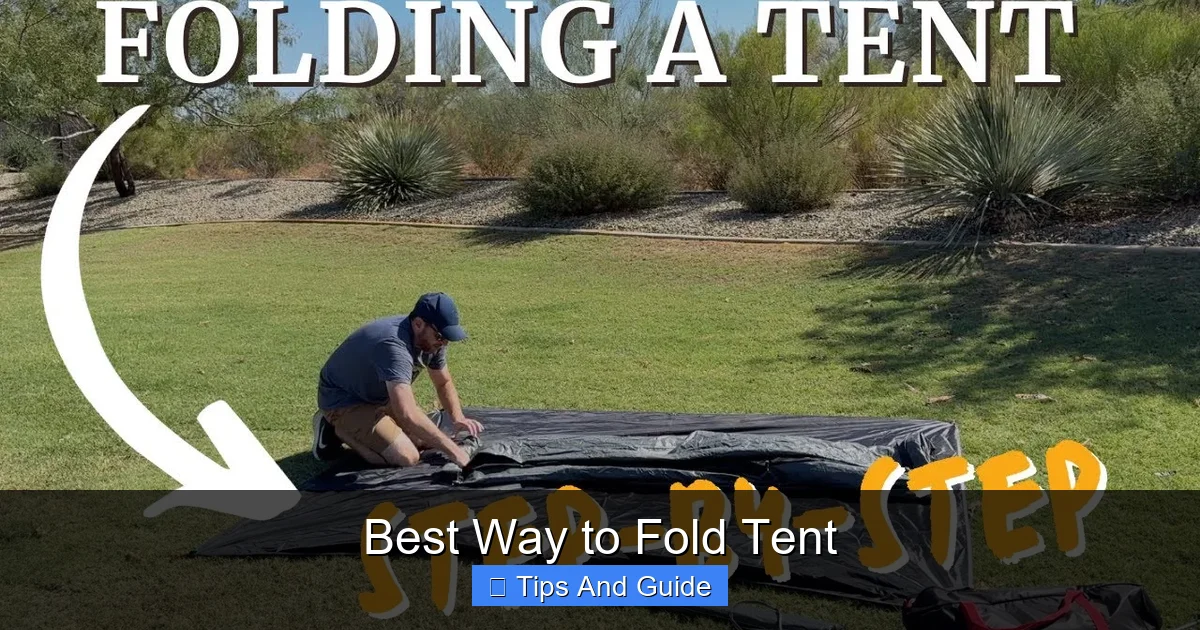
Mastering the best way to fold a tent is crucial for its longevity and ease of packing. This guide covers essential steps like drying, removing debris, and employing efficient folding techniques to ensure your tent stays in top condition for many adventures to come. Discover how simple it can be to properly store your shelter.
Camping is all about embracing the great outdoors, from setting up your cozy shelter to exploring scenic trails. But what about when the adventure winds down? Packing up camp can sometimes feel like wrestling a wild animal, especially when it comes to folding your tent. If you’ve ever found yourself struggling to stuff a bulky tent back into its bag, you’re not alone. However, learning the best way to fold a tent is more than just about convenience; it’s a vital step in ensuring your tent lasts for many camping trips to come. A well-folded tent is easier to store, less prone to damage, and ready for your next escapade.
This guide is here to demystify the process. We’ll walk you through each step, from preparing your tent after a trip to the actual folding techniques. Whether you have a simple dome tent or a more elaborate cabin-style shelter, these tips will help you pack it up efficiently and effectively. Let’s make packing up as enjoyable as setting up!
- Dry Your Tent Thoroughly: Always ensure your tent is completely dry before folding to prevent mold and mildew growth.
- Remove All Debris: Shake out dirt, leaves, and other campsite remnants to avoid damage and keep your tent clean.
- Fold Systematically: Follow a consistent folding pattern, usually in thirds or halves, to create a manageable size.
- Pack Poles and Stakes Separately: Store poles and stakes in their designated bags to prevent them from puncturing the tent fabric.
- Use the Original Stuff Sack: Folding the tent to fit its original sack helps maintain its intended shape and compactness.
- Consider Tent Type: Different tent designs (e.g., dome, cabin, pop-up) might have slight variations in the most efficient folding method.
📑 Table of Contents
Preparing Your Tent for Folding
Before you even think about folding, a little preparation goes a long way. This stage is critical for the longevity of your tent. Skipping these steps can lead to issues like mold, mildew, and premature wear and tear.
Shake It Out and Clean It Up
The first thing you should do once you’ve packed up your sleeping bags and other gear is to give your tent a good shake. Open up the doors and windows and systematically go through the inside, shaking out any dirt, leaves, sand, or bugs. Pay attention to corners and seams where debris tends to accumulate. If you’ve been camping in a dusty or sandy environment, you might even want to use a soft brush or a small broom to gently sweep out the interior. For minor spots or stains, a damp cloth with a bit of mild soap can work wonders, but always ensure you rinse thoroughly and allow it to dry completely.
Ensure It’s Bone Dry
This is perhaps the most crucial step. Never, ever fold or store a damp tent. Even a little bit of moisture can create a breeding ground for mold and mildew. Mold and mildew not only smell terrible but can also damage the fabric, weakening it and potentially causing leaks. If you’re packing up on a dewy morning, try to find a sunny spot to let your tent air out for a while. If you can’t dry it completely at the campsite, bring it home and spread it out in a dry, well-ventilated area (like a garage, basement, or even outdoors on a sunny, dry day) until it’s completely dry before storing it. This might take a day or two.
Inspect for Damage
While your tent is spread out and dry, take a moment to inspect it for any rips, tears, or broken zippers. Small tears can be easily repaired with seam sealer or a patch kit before they become bigger problems. Addressing these issues now will save you headaches on future trips. It’s also a good time to check the poles and guylines for any wear or damage.
The Basic Folding Technique: Step-by-Step
Visual guide about Best Way to Fold Tent
Image source: outdoorspro.org
Once your tent is clean and dry, it’s time to get down to the business of folding. Most tents, especially dome tents, can be folded using a consistent method. The goal is to create a compact, manageable shape that fits neatly into its stuff sack.
Lay It Flat and Remove Air
Find a clean, flat surface to lay your tent out. This could be a living room floor, a large patio, or a clean patch of grass if it’s dry. Spread the tent out as flat as possible. Then, gently push out as much air as you can from the tent. You can do this by working from the center outwards towards the edges. This helps to make the tent less bulky.
The “In Thirds” or “In Halves” Fold
For most standard dome or cabin tents, the common method is to fold it lengthwise.
Folding Lengthwise
First, fold the tent in half lengthwise, bringing one side over to meet the other. Ensure the poles are either inside the fold or positioned to the side so they don’t interfere. Smooth out any wrinkles.
Next, fold the tent in thirds. Imagine dividing the folded tent into three equal sections. Fold one outer third in towards the center, then fold the other outer third over it. This creates a long, relatively flat rectangular shape. The exact number of folds (halves or thirds) can depend on the tent’s size and your preference for compactness.
Consider the Flysheet and Inner Tent
If your tent has a separate flysheet, you’ll likely fold it using the same method as the inner tent. Some people prefer to fold the flysheet and inner tent together, while others fold them separately and then combine them for storage. Folding them together can sometimes make for a more compact package, but folding them separately allows for easier inspection and ensures each component is dry.
Folding Specific Tent Types

Visual guide about Best Way to Fold Tent
Image source: images.template.net
While the “in thirds” method is a good general rule, some tent types have their own quirks.
Dome Tents
Dome tents are generally the most straightforward to fold. The curved poles create a self-supporting structure that, once dismantled, allows the fabric to lie relatively flat. Follow the basic lengthwise fold as described above. The key is to get the fabric as flat and wrinkle-free as possible before folding.
Cabin Tents
Cabin tents, with their more upright walls and often larger size, can be a bit more challenging. They might require more careful smoothing to get them flat. When folding lengthwise, you might find it easier to fold them in halves rather than thirds initially, especially if they are very wide. Then, you can fold the resulting long strip into thirds. The goal is always to create a consistent, dense roll or fold.
Pop-Up Tents
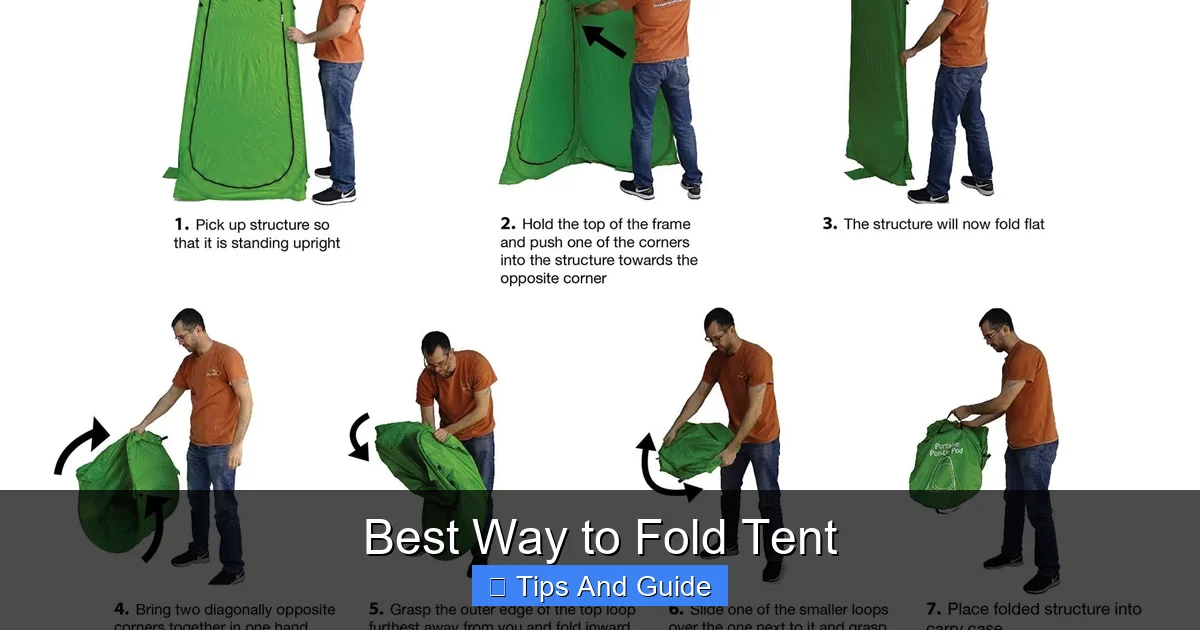
Pop-up tents, like those designed for quick setup, have a unique folding mechanism. These tents are designed to collapse into a flat disc shape.
The Disc Fold
After removing the poles (if any, though most pop-ups have integrated flexible poles), lay the tent flat. Find the center of the tent. You’ll typically want to push one side inwards, creating a bend. Then, bring the opposite side over to meet it, forming a large circle. Now, fold this large circle in half to create a semi-circle, and then in half again to create a smaller, compact shape. It takes a bit of practice, but once you get the hang of it, it’s very quick. Many manufacturers provide specific instructions or diagrams for their pop-up tents, so it’s worth checking your tent’s manual or the manufacturer’s website. If you’re looking for a tent that’s easy to set up and pack away, checking out the best pop-up tent on the market might be a good idea.
Backpacking Tents
Backpacking tents are designed for minimal weight and packability. They usually come with a compression sack in addition to their stuff sack. While the basic folding method is similar (lengthwise, then in thirds), the emphasis is on getting them as small and dense as possible to fit into these specialized bags. Don’t be afraid to push down firmly to expel air.
Packing It All Together
Once your tent fabric is folded, it’s time to pack it along with its components.
Stow Poles and Stakes
Most tents come with separate bags for the poles and stakes. Always use these! Poles can have sharp ends that can easily puncture tent fabric if packed loosely together. Stakes are also sharp and can cause damage. Storing them in their dedicated bags, and then placing those bags alongside or within the folded tent, is the safest approach.
Stuffing the Sack
Now, take your folded tent and its associated bags (poles, stakes, footprint if separate) and begin to stuff them into the tent’s original stuff sack. It’s often more effective to roll or stuff the tent rather than trying to fold it precisely to the dimensions of the sack. Push firmly to expel any remaining air. If your tent came with a compression sack, use that for maximum compactness, especially if you’re backpacking. A tightly packed tent will take up less space and be easier to carry.
Consider a Compression Sack
For serious backpackers or anyone looking to save space, a compression sack is a game-changer. These sacks have straps that allow you to squeeze the air out, significantly reducing the volume of your tent. Make sure your tent is completely dry before using a compression sack, as trapping moisture can be problematic.
Storing Your Folded Tent
Proper storage is just as important as proper folding. Where and how you store your tent will greatly impact its lifespan.
The Right Environment
The ideal storage location is a cool, dry place, away from direct sunlight and extreme temperatures. A basement, a closet in a climate-controlled part of your house, or a garage (provided it doesn’t get too hot or humid) are usually good options. Avoid storing your tent in a car trunk for extended periods, as temperature fluctuations can degrade the fabric and coatings.
Avoid Over-Compressing for Long-Term Storage
While compression sacks are great for transport, long-term storage in a tightly compressed state can damage the tent fabric and coatings over time. For long-term storage (e.g., over the winter), it’s best to loosely fold or roll your tent and store it in its original stuff sack or a breathable cotton bag. This allows the fabric to relax and prevents unnecessary stress on seams and waterproof coatings. Think of it like not storing clothes tightly packed in a drawer for years on end; they need a little breathing room.
Keep it Away from Pests
Mice and other small critters can be attracted to the remnants of food that might be clinging to your tent, or they might just find the fabric appealing. Ensure your storage area is clean and consider storing the tent in a plastic bin or container if pests are a concern in your area.
Common Folding Mistakes to Avoid
Even with the best intentions, it’s easy to make a few mistakes when folding a tent. Being aware of these can help you prevent them.
Folding a Wet Tent
We’ve said it before, but it bears repeating. This is the number one mistake. Always ensure your tent is completely dry before folding and storing.
Forcing It into the Bag
If your tent isn’t fitting back into its sack, don’t just keep shoving it. This often means you haven’t folded it efficiently, or there’s still air trapped inside. Re-fold it, expel more air, or try a different folding pattern. Forcing it can tear seams or damage zippers. If you’re consistently struggling, it might be worth looking into tents known for easy packing, like some of the best pop-up tent reviews suggest.
Not Using Pole/Stake Bags
As mentioned earlier, not using the dedicated bags for poles and stakes is a recipe for disaster. The sharp ends can easily ruin your tent.
Overstuffing Long-Term
Remember, for long-term storage, loosen up the compression. While a tightly packed tent is great for your backpack, prolonged compression can shorten its life.
The Benefits of Knowing the Best Way to Fold Your Tent
Taking the time to learn and consistently apply the best way to fold your tent offers several significant advantages.
Extended Tent Lifespan
Proper folding and storage prevent premature wear and tear. Avoiding moisture, debris, and unnecessary stress on the fabric and coatings means your tent will remain waterproof and structurally sound for more seasons.
Easier Packing and Transport
A neatly folded tent is smaller, lighter (as it’s dry and clean), and easier to manage. It fits more comfortably into your car, backpack, or storage space. This makes the process of heading out on your next adventure much smoother.
Reduced Risk of Damage
By ensuring poles and stakes are stored correctly and the fabric is handled gently, you significantly reduce the risk of rips, tears, and punctures.
Readiness for Your Next Adventure
When your tent is clean, dry, and neatly folded, it’s always ready to go. You won’t be faced with the unpleasant surprise of mold or damage when you’re itching to go camping. You can spend less time dealing with gear issues and more time enjoying the outdoors.
Conclusion
Learning the best way to fold a tent is an essential skill for any camper. It’s a simple process once you break it down, and the benefits are undeniable. By taking a few extra minutes to ensure your tent is dry, clean, and folded systematically, you’re investing in its longevity and making your future camping trips that much more enjoyable. So, the next time you pack up your campsite, remember these tips. Your tent will thank you for it, trip after trip. Happy camping!
Frequently Asked Questions
How do I prevent mold and mildew on my tent?
The most important step is to ensure your tent is completely dry before folding and storing it. If you can’t dry it fully at the campsite, bring it home and air it out until it is bone dry. Store it in a cool, dry place away from humidity.
What if my tent doesn’t fit back into its original bag?
This usually means you haven’t folded it efficiently or there’s still air trapped inside. Try re-folding it lengthwise, pushing out as much air as possible. You can also try folding it in a slightly different pattern or rolling it more tightly. Avoid forcing it, as this can cause damage.
Can I wash my tent?
For general dirt and debris, shaking and wiping with a damp cloth is usually sufficient. If a deeper clean is needed, use mild soap and water, and rinse thoroughly. Avoid harsh detergents or machine washing, as these can damage the waterproof coatings. Always air dry completely.
How should I store my tent long-term?
For long-term storage, avoid keeping your tent tightly compressed in a stuff sack or compression bag. Instead, loosely fold or roll it and store it in its original stuff sack or a breathable cotton bag in a cool, dry place. This allows the fabric to relax and prevents undue stress on coatings.
Are pop-up tents harder to fold?
Pop-up tents have a unique folding mechanism that requires a specific technique, usually collapsing into a flat disc. While it might take a few tries to get the hang of it, it’s generally a quick process once mastered. Check your tent’s manual for specific folding instructions.
What kind of storage bags are best for tents?
The original stuff sack is designed to hold your tent and its components compactly. For backpacking, a compression sack can further reduce volume. However, for long-term storage, a loose fold in the original sack or a breathable bag is preferable to prevent fabric stress.
