
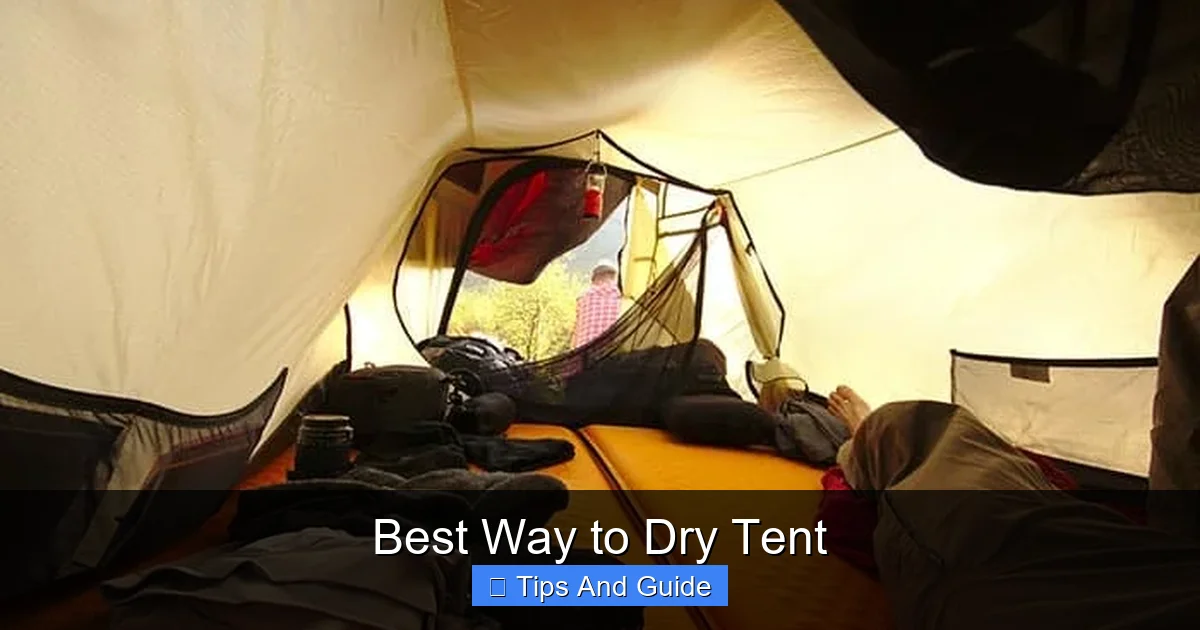
Drying your tent properly after a trip is crucial for its longevity and preventing mildew. The best way to dry a tent involves thorough air drying, disassembling it completely, and ensuring all parts are bone dry before storage. This guide offers practical steps and tips for effective tent drying, whether you’re at home or on the go.
Camping is an incredible way to connect with nature, explore new places, and make lasting memories. But like any adventure, it comes with its own set of responsibilities, and one of the most important is taking care of your gear. Your tent is your shelter, your home away from home in the wilderness. Keeping it in good condition means it will be there for you, trip after trip. And a huge part of that is knowing the best way to dry your tent.
You’ve just returned from a fantastic camping trip. The campfire stories have been told, the s’mores have been eaten, and you’re finally back home, ready to unpack. As you pull out your tent, you notice a slightly damp feeling. Maybe it rained during your trip, or perhaps there was heavy dew. Whatever the reason, a wet tent is a problem waiting to happen. Ignoring it can lead to a host of issues, from that unpleasant mildew smell to permanent damage to the fabric. So, let’s dive into the best way to dry your tent and keep it in top shape for your next adventure.
## Why Drying Your Tent Is So Important
Before we get into the nitty-gritty of *how* to dry your tent, let’s chat about *why* it’s such a big deal. Think of your tent as a living thing – it needs care. Moisture is the enemy of your tent. When a tent stays damp for too long, especially when packed away, it creates the perfect breeding ground for mildew and mold. These aren’t just unsightly; they can compromise the fabric’s integrity, weaken seams, and leave your tent smelling like a damp basement.
Mildew and mold can also affect the waterproof coatings on your tent. These coatings are what keep the rain out, so damaging them is a serious problem. Beyond the structural issues, a moldy tent is just unpleasant to sleep in. The smell can be overwhelming, and the spores themselves can be a health concern for some people. Proper drying ensures your tent remains a clean, dry, and welcoming sanctuary in the outdoors.
### The Risks of Not Drying Your Tent
Ignoring the need to dry your tent can have several negative consequences:
* Mildew and Mold Growth: This is the most common and problematic outcome. It starts small but can quickly spread, leading to discoloration and a persistent odor.
* Fabric Degradation: Prolonged dampness can break down the tent’s fabric fibers and waterproof coatings, reducing its lifespan and effectiveness.
* Seam and Zipper Damage: Moisture can cause seams to rot and zippers to corrode, making them difficult to open and close, or even causing them to fail.
* Unpleasant Odors: That “old tent smell” is often a sign of mildew and is very hard to get rid of once established.
* Increased Weight: A damp tent is a heavier tent, making it more cumbersome to pack and carry on future trips.
## The Best Way to Dry Your Tent: Step-by-Step
So, you’ve returned from your trip and realized your tent is damp. What’s the best way to dry it? The key is thoroughness and patience. Here’s a breakdown of the most effective method:
### 1. Full Disassembly
The first and most crucial step is to take your tent down completely. Don’t just unroll it and leave it. You need to separate every component:
* Inner Tent: This is the main body of your tent, often made of mesh and solid fabric.
* Rainfly: This is the waterproof outer layer that protects you from the elements.
* Poles: Separate all sections of your tent poles.
* Stakes: Remove all tent stakes from their bag.
* Footprint/Ground Tarp: If you used one, this needs to be dried too.
This complete disassembly allows air to circulate around every part of the tent, ensuring that no hidden moisture pockets remain.
### 2. Find the Right Drying Location
The ideal place to dry your tent is somewhere with good airflow, out of direct, harsh sunlight.
#### Indoor Drying Options
If you’re lucky enough to have a dry, spacious home, this is often the best option:
* Living Room/Hallway: Lay out the tent components on the floor, spread apart. You can use chairs or other furniture to create supports and hang parts of the tent, allowing air to circulate underneath.
* Garage/Basement (if dry): These spaces can work, but ensure they are well-ventilated. If they tend to be damp, they are not suitable.
* Attic (if well-ventilated): An attic can be a good option if it has good air circulation and isn’t excessively hot.
Consider using fans to increase airflow in the room. This will significantly speed up the drying process.
#### Outdoor Drying Options
If indoor space is limited, or you want to speed things up, outdoor drying can be effective, but with caveats:
* Backyard: Lay out your tent components on a clean, dry surface like a patio, deck, or a clean lawn. Use stakes or weights to keep the fabric from blowing away.
* Clothesline: A clothesline is excellent for drying the rainfly and inner tent. Hang them loosely so air can get all around.
* Carports/Overhangs: These offer protection from rain while allowing for good airflow.
Important Note on Sunlight: While indirect sunlight can help dry things, prolonged, direct, intense sunlight can degrade tent fabrics and coatings over time. If drying outdoors, choose a spot that gets dappled light or is only exposed to the sun for part of the day. It’s better to take a little longer to dry than to damage your tent.
### 3. Spread It Out and Let It Breathe
This is where the magic happens. Spread each component of your tent out as much as possible.
* Rainfly: Hang it over a clothesline, lay it over a large table, or drape it over multiple chairs. Make sure it’s not bunched up.
* Inner Tent: Lay it flat on a clean surface or hang it. Pay attention to the mesh areas, which can trap moisture.
* Poles: Lay them out individually to ensure they are completely dry. Check the elastic cord inside for any dampness.
* Stakes: Wipe them down and lay them out. Rust can form on metal stakes if left damp.
Ensure there is space between each component to allow air to circulate freely. If you’re drying inside, consider using fans pointed towards the tent parts.
### 4. Inspect and Re-Inspect
This is where patience is truly rewarded. You need to be diligent in checking for any residual dampness.
#### Common Moisture Hotspots
* Seams: The stitching can absorb water. Feel along the seams, especially the waterproof taped seams.
* Zippers: The teeth and fabric around zippers can hold moisture. Open and close them gently while checking.
* Vents and Windows: Ensure these are fully open and dry.
* Bathtub Floor: The floor is designed to be waterproof, but it’s also a place where condensation can collect. Feel the underside and edges.
* Guy Lines and Tie-Outs: These can absorb water.
If you find a damp spot, gently wipe it with a dry cloth and continue air drying. Don’t rush the process. Even a small patch of dampness can lead to mold.
### 5. The “Dry Bag” Trick for Poles and Stakes
While the fabric parts of your tent can air dry, it’s also a good idea to give your poles and stakes a quick check. Sometimes, moisture can get trapped inside the pole sections or within the stakes themselves. A simple way to ensure these are dry is to put them in a dry bag or a pillowcase and give them a gentle shake. This helps dislodge any remaining water droplets.
### 6. Final Wipe-Down
Once you believe your tent is completely dry, give it one last visual inspection. Run your hands over all surfaces, paying close attention to the areas mentioned above. If everything feels and looks bone dry, you’re almost there! A final, gentle wipe-down with a clean, dry cloth can catch any dust or debris that may have accumulated during the drying process.
## Dealing with a Damp Tent in the Field
Sometimes, you don’t have the luxury of a full drying session at home. You might be packing up early in the morning after a dewy night, or perhaps a storm rolls through on your last day. What’s the best way to dry your tent when you’re still camping?
### Immediate Action: Shake It Out
As soon as you wake up or realize your tent is damp from dew, shake it out as much as possible. Unzip all doors and vents and try to get air circulating. If you can, let it air out for 15-30 minutes before packing it up.
### The “Damp Pack” Strategy
If you absolutely cannot get your tent dry before you need to pack it, don’t despair. The goal is to minimize the damage.
* Pack it loosely: Don’t stuff a damp tent tightly into its stuff sack. Loosen it up as much as possible.
* Separate components: If feasible, pack the rainfly, inner tent, and poles separately. This might prevent the entire system from becoming uniformly soaked.
* Unpack and dry ASAP: As soon as you reach your next destination or get home, unpack the tent and hang it up to dry completely. The sooner you do this, the less likely mold and mildew are to form.
* Use a separate bag: Consider using a large plastic garbage bag or a dedicated waterproof dry bag to pack your damp tent. This prevents moisture from spreading to other gear like your sleeping bag or backpack.
This “damp pack” is a temporary measure. The absolute priority is to get it properly dried as soon as humanly possible.
## What NOT to Do When Drying Your Tent
Just as important as knowing what to do is knowing what to avoid. Some methods of drying can be more harmful than helpful.
### Avoid Direct Heat Sources
* Clothes Dryer: Never, ever put your tent in a clothes dryer. The high heat can melt waterproof coatings, shrink fabrics, and damage seams and zippers.
* Hair Dryer (on high): Similarly, a hair dryer on a high setting can be too intense for the fabric. If you need to use one, use it on a cool setting and from a distance.
* Campfire or Heater: Don’t place your tent directly near a campfire or a tent heater. The heat can easily scorch or melt the fabric. This is a fire hazard too!
### Avoid Harsh Chemicals
* Bleach or Strong Detergents: These can strip away the waterproof coatings and damage the fabric fibers. Stick to mild soap if any cleaning is needed at all.
### Avoid Prolonged Compression
* Leaving it packed damp: The worst thing you can do is leave a damp tent packed away for an extended period. This is how mildew takes hold.
## Storing Your Dry Tent
Once you’re absolutely certain your tent is dry, proper storage is the final step to ensuring its longevity.
### The Loose Pack Method
The common practice is to stuff your tent into its stuff sack. While convenient for packing on a trip, this can lead to wrinkles and, more importantly, trap residual moisture if the tent wasn’t perfectly dry.
* Breathable Storage: The ideal storage method is to loosely fold or roll your tent and place it in a large cotton bag or a mesh sack. This allows for continued air circulation even when stored away.
* Avoid Compression: Don’t store your tent tightly compressed. This can stress the fabric and shorten its lifespan.
### Where to Store Your Tent
Store your tent in a cool, dry place. Avoid attics that get extremely hot or damp basements. A closet in a climate-controlled part of your home is usually perfect.
## Conclusion: A Dry Tent is a Happy Tent
Taking the time to properly dry your tent after every camping trip is an investment in its future. It’s a simple step that prevents a cascade of problems, from annoying odors to costly damage. By disassembling your tent, finding a well-ventilated spot, allowing ample air drying time, and inspecting thoroughly, you ensure your tent remains a reliable and comfortable home in the outdoors. Remember, a little effort now means many more adventures with your trusty tent in the years to come. Happy camping, and even happier drying!
Key Takeaways
- Complete Disassembly: Always take your tent down completely, separating the fly, inner tent, poles, and stakes.
- Air Dry Thoroughly: The most effective method is to hang or lay the tent out in a well-ventilated area with good airflow, away from direct, intense sunlight.
- Check Every Nook and Cranny: Pay attention to seams, zippers, vents, and the bathtub floor, as these are common spots for moisture to linger.
- Avoid Direct Heat: Never use a clothes dryer, hair dryer on high heat, or other direct heat sources, as this can damage the tent fabric and coatings.
- Patience is Key: Allow ample time for drying. Even a slightly damp tent can lead to mold and odor issues.
- Proper Storage: Once completely dry, store your tent loosely in a breathable bag, not tightly packed in its stuff sack, to prevent moisture buildup.
Frequently Asked Questions
How long does it take to dry a tent?
The time it takes to dry a tent varies depending on the weather conditions, humidity, and how wet the tent is. It can range from a few hours in direct sun with a breeze to several days in humid or low-airflow conditions. The key is to ensure it’s completely dry, not just surface dry.
Can I use a hairdryer to dry my tent?
You can use a hairdryer on a cool or low-heat setting from a distance to help dry small, stubborn damp spots on your tent. However, avoid high heat, as it can damage the tent’s waterproof coatings and fabric, making it less effective and potentially causing it to shrink.
What should I do if I find mold on my tent?
If you discover mold or mildew on your tent, you’ll need to address it promptly. Gently clean the affected area with a mild soap or a specialized tent cleaner and water. Ensure you rinse thoroughly and then air dry the tent completely. For stubborn stains, a diluted vinegar solution might be effective, but always test on an inconspicuous area first.
Is it okay to pack a slightly damp tent?
It’s best to avoid packing a damp tent whenever possible. If you must, unpack it and dry it completely as soon as you can, ideally within 24 hours. Packing a damp tent, especially for extended periods, creates an ideal environment for mold and mildew to grow, which can permanently damage your tent.
How often should I deep clean my tent?
Deep cleaning your tent isn’t usually necessary unless it’s particularly dirty or has an odor. A good practice is to spot-clean any spills or dirt as they happen. After most trips, a good airing out and wipe-down is sufficient. If you do need a deep clean, use mild soap and water, rinse thoroughly, and always ensure it’s completely dry before storing.
What is the best way to store a tent long-term?
For long-term storage, the best method is to loosely fold or roll your tent and store it in a breathable bag, like a cotton sack or mesh bag. Avoid storing it tightly packed in its original stuff sack, as this can cause wrinkles and prevent air circulation, potentially leading to mildew if any moisture remains.
