
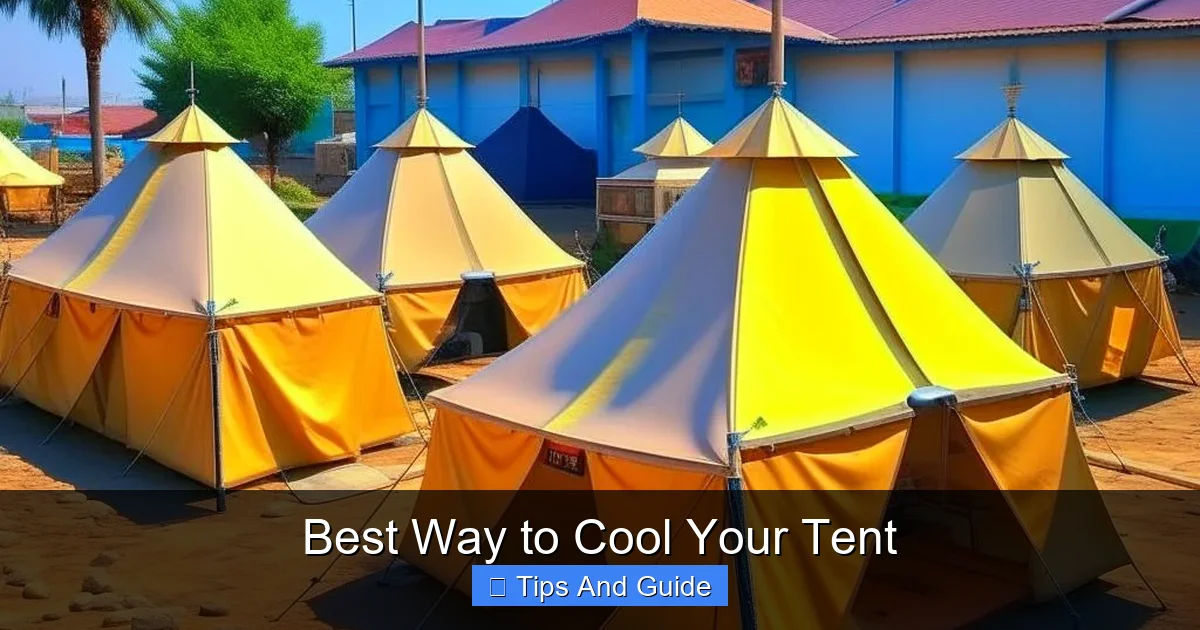
Don’t let the heat ruin your camping adventure! This guide reveals the best way to cool your tent, from strategic setup to smart ventilation and simple DIY solutions. Learn how to create a cool oasis even on the hottest days.
Ah, camping! The call of the wild, the crackling campfire, the starry night sky. It’s all magical… until the sun beats down and your tent transforms into a sweltering sauna. Camping in the heat can be a real buzzkill. But don’t worry, fellow adventurers! Staying cool while camping is absolutely achievable with the right strategies. Learning the best way to cool your tent means enjoying those beautiful summer nights and warm-weather hikes without feeling like you’re melting.
This guide is packed with practical, easy-to-implement tips to keep your tent a comfortable sanctuary, even when the mercury climbs. We’ll cover everything from where you pitch your tent to clever ways to create a refreshing breeze inside. Let’s dive in and make your next summer camping trip a cool success!
- Strategic Site Selection: Choose a shady spot and consider wind direction for natural cooling.
- Ventilation is Key: Maximize airflow by opening doors, windows, and vents to create a cross-breeze.
- Reflect and Shade: Use reflective tarps or blankets to block direct sunlight from hitting your tent.
- Cooling the Air Inside: Employ battery-powered fans and frozen water bottles to lower the internal temperature.
- Light-Colored Tents: Opt for lighter colors that absorb less heat than dark ones.
- Minimize Heat Sources: Avoid using heat-generating appliances inside your tent.
- Stay Hydrated: Drink plenty of water and consider damp cloths for personal cooling.
📑 Table of Contents
Choosing the Perfect Spot: Your First Line of Defense
Before you even think about setting up your tent, the location you choose is crucial for managing heat. It’s your first and often most effective defense against the scorching sun. Think of it as pre-cooling your campsite.
Shade is Your Best Friend
The most obvious tip, but one that’s often overlooked in the excitement of finding a flat spot. Always, always prioritize shade. Look for natural shade from trees. A dense canopy can make a significant difference in how hot your tent gets.
* Morning Sun vs. Afternoon Sun: Consider the sun’s path. If you can find a spot shaded in the afternoon when the heat is most intense, that’s ideal. A spot that gets morning sun might be okay if you plan to be out of the tent during those hours anyway.
* Avoid Open Fields: While they might offer a great view, open fields are usually direct sun traps. Unless there’s a strong, consistent breeze, these spots will become unbearable.
Consider the Breeze
Wind is nature’s air conditioner. If you can position your tent to catch any available breeze, you’re in for a much more comfortable experience.
* Natural Wind Tunnels: Look for areas between hills or large rock formations that might channel wind.
* Elevation: Higher elevations can sometimes be cooler and catch more wind than lower-lying areas.
Avoid Heat Traps
Certain environments can amplify heat. Be mindful of these:
* Near Large Bodies of Water (Except for Shoreline Breezes): While water can cool the air, being too close and in direct sun can lead to humidity building up, making it feel hotter. A gentle shoreline breeze can be nice, though.
* Asphalt or Paved Areas: These absorb and radiate heat long after the sun goes down. Stick to grass, dirt, or sand.
Maximize Ventilation: Let Nature Do the Work
Visual guide about Best Way to Cool Your Tent
Image source: wallpaperaccess.com
Once your tent is pitched, the next step is to get air moving. Proper ventilation is non-negotiable for keeping a tent cool. It’s about creating a pathway for hot air to escape and cooler air to enter.
The Power of Cross-Ventilation
This is the golden rule of tent cooling. You want air to be able to flow *through* your tent, not just sit stagnant.
* Open Doors and Windows: Unzip all doors and windows as much as the weather and insect situation allows. If bugs are a problem, keep them zipped but use the mesh screens.
* Ventilation Panels: Most modern tents have dedicated ventilation panels or vents, often near the roof. Make sure these are open. Hot air rises, so these vents are crucial for letting it escape.
* Strategic Placement: If you have two doors on opposite sides of the tent, opening both will create a powerful cross-breeze.
Creating a “Chimney Effect”
Hot air rises. If you can create an upward flow of air, it will naturally pull cooler air in from lower openings.
* Open Lower Vents/Doors and Upper Vents: This setup encourages air to be drawn in low and pushed out high.
* Tent Design Matters: Tents with higher ceilings and multiple ventilation points will naturally perform better in terms of airflow. If you’re looking for a new tent, consider models known for good ventilation, especially if you camp in warm weather. Some pop-up tents, like those designed for better airflow, can be excellent for this.
Using Tarps for Shade and Ventilation
A well-placed tarp can do wonders for both shade and airflow.
* **Tarp Over the Tent: Rig a tarp *above* your tent, creating an air gap between the tarp and the tent fabric. This extra layer of shade prevents direct sunlight from heating your tent fabric. Ensure there’s space for air to circulate between the tarp and the tent.
* **Tarp as a Sunscreen: Position a tarp to block the sun from hitting the sides of your tent during the hottest part of the day. You can tie it to trees or use poles.
Cooling the Air Inside: DIY and Gadget Solutions
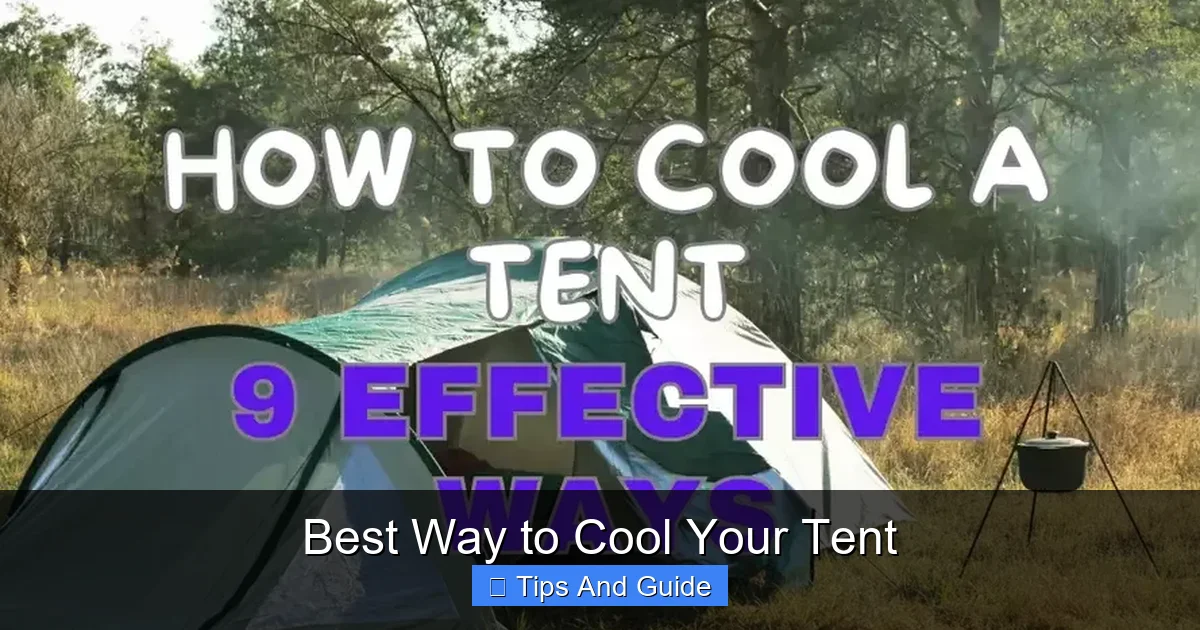
Visual guide about Best Way to Cool Your Tent
Image source: campingexplores.com
Sometimes, natural ventilation isn’t enough. When the ambient temperature is high, you’ll need to actively cool the air within your tent.
The Humble Battery-Powered Fan
A small, battery-powered fan can be a game-changer. It won’t lower the temperature like an air conditioner, but it will create a breeze that makes you *feel* significantly cooler by evaporating sweat.
* **Types of Fans:** Look for portable, lightweight fans. Some can be clipped onto tent poles, others sit on the ground. The best camping fan for a tent is usually one that’s quiet and energy-efficient.
* **Placement:** Position the fan so it blows air directly on you or creates a circulation pattern within the tent.
The Frozen Water Bottle Trick
This is a simple yet effective hack. Freeze several water bottles the night before. During the day, place these frozen bottles in front of your fan. As they melt, they’ll release cool air, effectively acting like a mini evaporative cooler.
* Multiple Bottles: Use a few bottles to create a sustained cooling effect.
* **Avoid Leaks:** Ensure your bottles are sealed tightly before freezing.
Damp Cloths and Personal Cooling
Sometimes, you just need to cool down your personal space.
* **Damp Towels/Bandanas:** Keep a small towel or bandana damp with cool water and place it on your neck or forehead. The evaporation will help cool you. You can even hang a damp cloth near your fan for a misting effect.
* **Cooling Towels:** These specialized towels are designed to stay cool for extended periods when wet and wrung out.
Consider a Camping Air Conditioner (for serious heat)
If you’re camping in extremely hot climates and have access to power (e.g., a campsite with electrical hookups or a powerful generator), a portable camping air conditioner might be an option. These are bulky and expensive, but they do provide actual cooling. However, for most tent camping scenarios, the methods above are sufficient and more practical.
Tent Material and Color: Does it Matter?
The type of tent you have can also influence how well it stays cool.
Light Colors Reflect Heat
Darker colors absorb more sunlight and heat than lighter colors. If you have the choice, opt for a tent in a light color, like beige, white, or light grey. This can make a noticeable difference in how hot the tent becomes.
Fabric Breathability
Some tent fabrics are more breathable than others. While waterproofing is important, overly sealed tents can trap heat. Look for tents made from materials that allow some air exchange. Many modern tents use a combination of waterproof outer shells and breathable inner materials with mesh panels.
Reflective Materials
Some high-end tents or specialized sun shelters incorporate reflective materials in their design to bounce sunlight away. While not a common feature in standard tents, you can mimic this with external reflective tarps.
Minimizing Heat Sources Inside Your Tent
Your tent shouldn’t become a mini-oven from internal heat generation. Be mindful of what you bring inside and what you do.
Avoid Cooking Inside
Never cook inside your tent. This is a major fire hazard and will drastically increase the temperature inside, making it unbearable and potentially dangerous. Use a separate camping kitchen tent or cook in a designated area away from your sleeping quarters.
Limit Electronics and Lights
Many electronic devices and even some camping lights generate heat.
* **LED Lights are Cooler:** If you need lighting, opt for LED camping lights, which produce much less heat than older incandescent bulbs. Check out our guide on the best camping lights for tent to find cool-running options.
* **Unplug When Not in Use:** If your devices generate heat, unplug them when they’re not actively being used.
Don’t Store Heat-Generating Items
Avoid storing items that generate heat inside your tent, such as certain batteries or electronics that might be charging.
Personal Cooling and Staying Hydrated
While cooling your tent is important, don’t forget about your own comfort. Staying cool on a personal level is just as vital.
Hydration is Paramount
This cannot be stressed enough. Drink plenty of water throughout the day. Dehydration can make you feel much hotter and more uncomfortable.
* **Electrolytes:** Consider drinks with electrolytes, especially if you’re sweating a lot.
* **Avoid Sugary Drinks and Alcohol:** These can dehydrate you further.
Cool Showers and Swims
If you’re camping near a lake, river, or have access to campsite showers, take advantage of them. A quick dip or cool shower can significantly lower your body temperature.
What to Wear
Choose lightweight, breathable clothing made from natural fibers like cotton or moisture-wicking synthetic materials. Light colors are also better for reflecting sunlight.
Conclusion
Learning the best way to cool your tent is an essential skill for any warm-weather camper. By combining strategic site selection, maximizing ventilation, employing smart cooling tricks, choosing the right gear, and being mindful of heat sources, you can transform your tent from a hot box into a cool, comfortable retreat. Don’t let the heat dictate your camping experience; take control and enjoy the great outdoors, no matter the temperature! Happy (and cool) camping!
Frequently Asked Questions
How can I cool my tent without electricity?
You can cool your tent without electricity by maximizing natural ventilation, choosing a shady campsite, using reflective tarps for shade, and employing passive cooling methods like frozen water bottles placed in front of a battery-powered fan.
Is it better to camp in a light-colored or dark-colored tent during summer?
It is generally better to camp in a light-colored tent during summer because lighter colors reflect more sunlight and absorb less heat than dark colors, helping to keep the interior cooler.
How do I make sure my tent is well-ventilated?
To ensure your tent is well-ventilated, open all doors, windows, and mesh screens. Utilize any dedicated ventilation panels or vents, especially those near the roof, to allow hot air to escape, creating a crucial cross-breeze.
What are some simple DIY ways to cool down my tent?
Simple DIY cooling methods include hanging damp cloths near vents or fans to create a cooling mist, placing frozen water bottles in front of a fan, and ensuring a tarp is rigged above your tent to create an insulating air gap.
Should I close my tent fully at night to keep it cool?
No, you should not close your tent fully at night if you want to keep it cool. Leaving vents and doors (with mesh screens for bug protection) open allows for air circulation, which is essential for dissipating heat and maintaining a comfortable temperature.
What is the most effective way to cool a tent on a very hot day?
The most effective way to cool a tent on a very hot day involves a multi-pronged approach: selecting a shaded campsite, ensuring maximum cross-ventilation, using reflective barriers like tarps, utilizing battery-powered fans with frozen water bottles, and staying hydrated.
