
Overheating in your grow tent is a major plant killer. This guide covers the best ways to cool down a grow tent, focusing on airflow, ventilation, and efficient cooling solutions. Learn how to combat rising temperatures and keep your plants happy and healthy!
Are your plants sweating in their enclosure? If you’ve noticed wilting leaves, stunted growth, or even heat stress signs in your grow tent, it’s a clear indication that temperatures are too high. Maintaining the optimal temperature range is absolutely vital for healthy plant development, from germination to flowering. Too hot, and your plants can suffer irreversible damage. Too cold, and growth slows to a crawl. So, what’s the best way to cool down a grow tent and keep your green friends thriving?
You might think it’s as simple as opening a window, but indoor gardening, especially in a confined space like a grow tent, presents unique challenges. The very equipment that helps your plants grow – lights, fans, and even nutrient pumps – generates heat. Without a strategic approach, this heat can quickly build up, creating a microclimate that’s far from ideal. But don’t despair! With the right knowledge and a few smart upgrades, you can transform your grow tent into a cool, controlled paradise for your plants.
This comprehensive guide will walk you through the most effective strategies for managing heat and ensuring your grow tent stays at the perfect temperature. We’ll cover everything from the basics of airflow and ventilation to more advanced cooling solutions. Let’s dive in and find the best way to cool down your grow tent!
Key Takeaways
- Proper Ventilation is Key: A well-designed intake and exhaust system is the cornerstone of temperature control in your grow tent.
- Circulation is Crucial: Internal fans keep air moving, preventing hot spots and helping plants breathe.
- Manage Your Lights: High-heat lighting is a common culprit; consider LED or air-cooled options.
- Isolate Heat Sources: Keep heat-generating equipment outside the tent whenever possible.
- Insulation and Reflectivity Matter: A good grow tent will help retain cool air and reflect heat.
- Consider Active Cooling: When passive methods aren’t enough, explore AC units or chillers.
📑 Table of Contents
The Foundation: Airflow and Ventilation
This is arguably the most important aspect of temperature control. Think of your grow tent as a lung; it needs to breathe. Proper ventilation isn’t just about replacing stale air with fresh air; it’s about creating a constant exchange that carries heat away.
Exhaust Fans: Your Tent’s Air Conditioner
The primary tool for removing hot air from your grow tent is an exhaust fan. These fans pull the warm, humid air out of the tent and expel it, usually through a ducting system. The size and power of your exhaust fan should be matched to the size of your grow tent and the heat output of your equipment.
Sizing Your Exhaust Fan: A general rule of thumb is to aim for a fan that can exchange the air in your tent at least once per minute. For example, a 4×4 grow tent (16 sq ft) that’s 6.5 feet tall (approx. 104 cubic feet) would benefit from an exhaust fan rated around 100 CFM (Cubic Feet per Minute) or higher.
Ducting: The exhaust fan is typically connected to ducting that leads outside your grow space. This ensures that the hot air is vented away and doesn’t just recirculate back into the room. Consider the length and bends in your ducting, as these can reduce the fan’s actual airflow.
Intake Vents: Letting in the Cool Air
As hot air is expelled, cooler, fresh air needs to enter the tent to replace it. This is where intake vents come into play. Most grow tents have passive intake vents, often at the bottom. However, for more active temperature control, you might consider an “open intake” or a separate intake fan.
Passive vs. Active Intake: Passive intakes rely on the negative pressure created by the exhaust fan to pull air in. This is often sufficient. If you find your tent isn’t getting enough fresh air or if the ambient room temperature is already high, you might need to set up a small, filtered intake fan to actively bring cooler air into the tent.
Filtering Intakes: It’s crucial to filter any air coming into your tent, whether it’s passive or active. This prevents dust, pests, and unwanted spores from entering your grow space. Use a quality carbon pre-filter on your intake.
Circulation Fans: Keeping Things Moving Internally
Once you have a good system for air exchange, you need to ensure that air is moving *within* the tent. Internal circulation fans, often small clip-on fans, are essential for this. They prevent stagnant air pockets and hot spots from forming, and they help strengthen plant stems by providing gentle resistance.
Placement is Key: Position your circulation fans so that they create a gentle, swirling motion of air throughout the tent, without directly blasting your plants. You want to mimic a natural breeze. Aim to have at least one fan pointing upwards and another towards the canopy.
Taming the Heat Beast: Lighting Solutions
Grow lights are one of the biggest contributors to heat buildup in a grow tent. The type of light you use and how you manage it can dramatically impact your tent’s temperature.
Choosing the Right Lights
LED Grow Lights: Modern LED grow lights are significantly more energy-efficient and produce less heat than traditional HID (High-Intensity Discharge) lights like Metal Halide (MH) and High-Pressure Sodium (HPS). If you’re struggling with heat, switching to LEDs is often one of the most effective solutions. They still produce some heat, but it’s much more manageable.
Visual guide about Best Way to Cool Down Grow Tent
Image source: gorillagrowtent.com
HID Lights: If you’re committed to using HID lights, they are inherently heat-generating. In this case, you’ll need a robust ventilation system and potentially additional cooling methods. An air-cooled reflector hood is a must. This system uses ducting to draw air directly through the light fixture, cooling it and venting the heat outside.
Light Placement and Height
The closer your lights are to your plants, the more intense the light, but also the more heat your plants will absorb directly. Ensure your lights are hung at the manufacturer’s recommended height. As your plants grow, adjust the light height accordingly. Raising your lights can be a quick fix for a minor temperature spike.
Dimming and Timers
Some LED and HID ballasts allow for dimming. If your plants don’t require full power, dimming the lights can reduce heat output. Also, ensure your lights are on a timer. Running lights during the hottest part of the day can exacerbate heat problems. Consider setting your light cycle so that lights are off during peak daytime temperatures and on during cooler evenings or nights.
Beyond Airflow: Advanced Cooling Techniques
When your ventilation system and lighting choices aren’t quite enough to keep your grow tent at the ideal temperature, it’s time to consider more active cooling solutions.
Air Conditioning Units
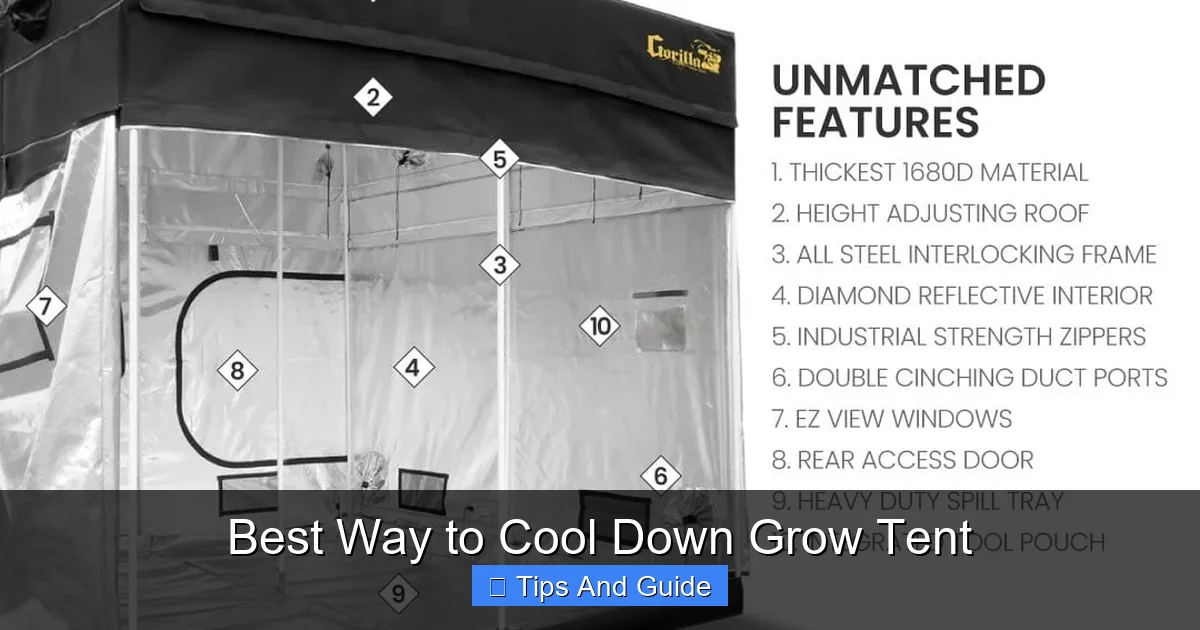
For larger tents or environments with consistently high ambient temperatures, a portable air conditioner (AC) unit might be necessary. These units actively cool the air before it enters your tent. You can set up your tent in a room that’s cooled by an AC, or, for more direct control, run ducting from a portable AC directly into your grow tent.
Visual guide about Best Way to Cool Down Grow Tent
Image source: planetnatural.com
Considerations for AC:
- Condensation: AC units produce condensation, so you’ll need to manage this.
- Cost: AC units can be expensive to purchase and run.
- Humidity: AC units also dehumidify, which might be beneficial or detrimental depending on your plants’ needs.
Chillers for Hydroponic Systems
If you’re running a hydroponic system, the nutrient solution can also heat up, especially with powerful lights overhead. A water chiller is designed specifically to cool the water reservoir. This is crucial for hydroponic setups as elevated water temperatures can lead to root rot and reduce dissolved oxygen levels.
Evaporative Coolers (Swamp Coolers)
Evaporative coolers work by passing air over water-soaked pads. As the water evaporates, it cools the air. These are most effective in dry climates. In humid environments, they can increase humidity to undesirable levels, so they are not suitable for all situations.
Environmental Management: The Unsung Heroes
Controlling your environment extends beyond just air and light. Small details can make a big difference in maintaining a stable, cool temperature inside your grow tent.
Insulation and Reflectivity
The material your grow tent is made from plays a role. Thicker, more reflective tent walls help insulate the interior from external heat sources and reflect light inward, but they also help keep cooler air in and hotter air out. A good quality grow tent, like many of the options in a best budget grow tent setup, will have a reflective Mylar interior that aids in light distribution and temperature management.
Room Temperature
Ultimately, the temperature inside your grow tent is influenced by the ambient temperature of the room it’s in. If your grow tent is in a hot attic or a poorly ventilated room, it will be a constant battle to keep it cool. Ideally, your grow tent should be in a space with moderate, stable temperatures and good overall air circulation.
Location, Location, Location
Avoid placing your grow tent in direct sunlight, near heat-generating appliances (like computers or ovens), or in areas prone to extreme temperature fluctuations. A basement or a cooler, shaded room is often an ideal location.
Monitoring and Adjusting: Stay Vigilant
Temperature control isn’t a “set it and forget it” task. You need to monitor your grow tent’s environment regularly and be prepared to make adjustments.
Thermometers and Hygrometers
Invest in a reliable digital thermometer and hygrometer (which measures humidity). Place the sensor in the canopy level, where your plants are actually experiencing the temperature. Some advanced models can log data, allowing you to see temperature fluctuations over time.
Observe Your Plants
Your plants are the best indicators. Learn to recognize the signs of heat stress:
- Wilting leaves (even if the soil is moist)
- Curling leaf edges (often upwards)
- Yellowing or browning leaf tips and edges
- “Praying” leaves (leaves pointing upwards towards the light)
- Slowed growth
If you see these signs, take immediate action to lower the temperature.
Seasonal Adjustments
Remember that temperatures fluctuate throughout the year. What works in the winter might not be sufficient in the summer. Be prepared to adjust your ventilation and cooling strategies as the seasons change.
By implementing a combination of these strategies, you can effectively manage the temperature within your grow tent. The best way to cool down a grow tent is a holistic approach that prioritizes robust ventilation, efficient lighting, and diligent environmental management. A well-managed environment will lead to healthier, more vigorous plants and ultimately, a more successful harvest.
Frequently Asked Questions
What is the ideal temperature range for a grow tent?
The ideal temperature range for most cannabis plants is between 70-85°F (21-29°C) during the day and slightly cooler, around 60-70°F (15-21°C), at night. Fluctuations are normal, but keeping it within this general range is key for optimal growth.
How can I increase airflow in my grow tent?
You can increase airflow by ensuring your exhaust fan is properly sized for your tent and that it’s running consistently. Adding internal circulation fans to create a gentle breeze throughout the tent is also crucial. Make sure your intake vents are not blocked and consider an active intake fan if needed.
Will changing to LED lights help cool down my grow tent?
Yes, absolutely. LED grow lights produce significantly less heat than older technologies like HPS and MH lights. Switching to LEDs is one of the most effective ways to reduce the heat load in your grow tent, making temperature management much easier.
My grow tent is in a hot room, what can I do?
If the ambient room temperature is high, it will be challenging to cool your tent. Consider improving the ventilation of the room itself. For direct cooling, you might need to use a portable air conditioner to cool the room, or even run ducting from an AC unit directly into your grow tent.
How often should I check the temperature in my grow tent?
You should check the temperature at least once daily, ideally more often if you’re new to managing your environment or if you notice signs of stress in your plants. Using a digital thermometer with a data logging feature can provide a more detailed overview of temperature fluctuations.
Can I use ice to cool down my grow tent?
While a temporary, makeshift solution might involve placing a bowl of ice in front of an intake fan, it’s not a sustainable or effective long-term strategy for cooling a grow tent. The amount of cooling is minimal, and it can rapidly increase humidity, which can cause other problems for your plants.
