
Don’t let a hot tent ruin your camping trip! Discover practical strategies for staying cool, from strategic tent placement and ventilation to using fans and misting techniques. Learn the best way to cool down a tent and ensure a comfortable outdoor experience, even on the warmest days.
Camping is an incredible way to connect with nature, breathe fresh air, and escape the everyday hustle. But when the sun beats down, that cozy tent can quickly transform into an oven. Nobody wants to spend their outdoor adventure sweltering in a hot, stuffy tent. Thankfully, there are plenty of effective ways to keep your temporary home cool and comfortable. Learning the best way to cool down a tent can make all the difference between a memorable trip and a miserable one.
We’ve all been there: you crawl into your tent after a long day of hiking, only to be met with a blast of hot air that feels like stepping into a sauna. The thick fabric, combined with trapped heat and direct sunlight, can create a surprisingly oppressive environment. But fear not, fellow campers! With a few smart strategies and some readily available gear, you can transform your tent into a cool oasis, no matter how high the mercury climbs. Let’s dive into the best ways to cool down your tent and ensure your next camping trip is a refreshing one.
- Site Selection is Crucial: Choose a shady spot, ideally with a breeze, to minimize direct sun exposure.
- Maximize Ventilation: Open all vents, doors, and windows to create cross-breezes and allow hot air to escape.
- Utilize Reflective Surfaces: Use tarps or shade cloths to block direct sunlight from hitting your tent.
- Employ Fans and Water: Battery-powered fans and evaporative cooling (misting) can significantly lower the temperature.
- Choose the Right Tent Material: Lighter colors and breathable fabrics reflect heat better than darker, less breathable ones.
- Timing is Everything: Set up camp in the late afternoon to avoid the peak heat of the day.
- Minimize Internal Heat Sources: Avoid using heat-generating electronics or cooking inside the tent during the hottest parts of the day.
📑 Table of Contents
Strategic Site Selection: Your First Line of Defense
Before you even pitch your tent, where you choose to set up camp is perhaps the single most important factor in keeping it cool. Think of it as setting the foundation for your comfort.
Embrace the Shade
This might seem obvious, but it’s worth repeating: find shade! Look for natural shade provided by trees. Not all tree shade is created equal, though. Densely foliated trees offer the best protection. If you can find a spot that will be shaded for the majority of the day, you’re already winning. Remember that the sun moves throughout the day, so consider where the sun will be at different times. A spot shaded in the morning might be baking in the afternoon.
Consider the Breeze
Even in the shade, a lack of airflow can make a tent feel stuffy. Look for locations that might catch a natural breeze. This could be near a body of water (though be mindful of insects and humidity) or in a clearing that allows air to flow through. If you’re setting up near trees, try to position your tent in a way that allows wind to funnel through the branches.
Avoid Reflective Surfaces
Be mindful of your surroundings. Setting up your tent near large, light-colored rocks or sandy areas can cause heat to reflect onto your tent, making it hotter inside. Opt for a spot on grass or dirt if possible, as these surfaces absorb less radiant heat.
Timing Your Setup
If possible, aim to set up your tent in the late afternoon or early evening. This allows you to avoid the peak heat of the day. You’ll be pitching your tent when the ambient temperature is already starting to drop, giving you a head start on staying cool.
Ventilation is Key: Letting the Hot Air Escape
Visual guide about Best Way to Cool Down a Tent
Image source: battlbox.com
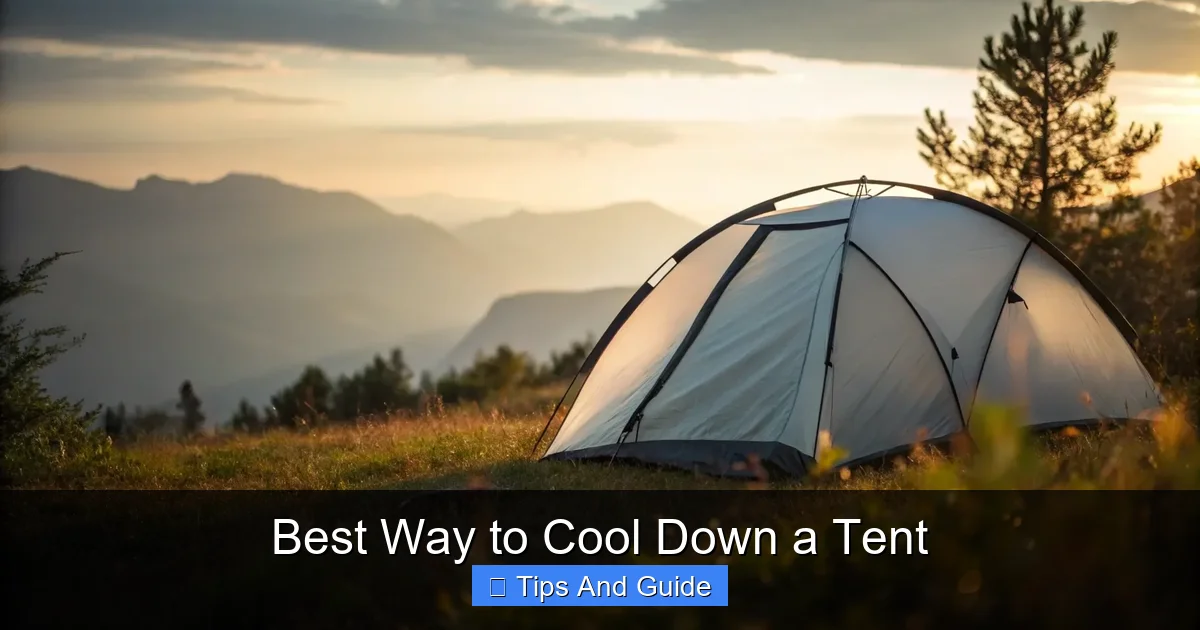
Once your tent is pitched, maximizing airflow is your next crucial step. A well-ventilated tent allows hot air to rise and escape, while cooler air can potentially enter.
Open Everything Up!
This is the simplest and often most effective strategy. Open all vents, windows, and doors, especially during cooler parts of the day or at night. Most tents have multiple mesh panels and vents for this very purpose. Unzip them fully to allow for maximum air exchange.
Create Cross-Ventilation
Position your tent so that you can open windows or doors on opposite sides. This creates a “tunnel” effect, allowing the breeze to pass through the entire tent, effectively pushing out hot air and bringing in cooler air. This is a fundamental principle for cooling any enclosed space.
The Rainfly Factor
Your rainfly, while essential for keeping you dry, can also trap heat. If there’s no chance of rain, consider pitching your tent without the rainfly, or at least ensure there’s significant space between the inner tent and the rainfly to allow air to circulate. Many tents are designed with this in mind, allowing for good airflow even with the rainfly on if it’s staked out properly.
Consider Your Tent’s Design
Some tents are inherently better ventilated than others. Tents with large mesh panels, multiple doors, and ample vents will naturally perform better in warm weather. If you frequently camp in hot climates, investing in a tent specifically designed for warm weather can be a worthwhile decision. Look for terms like “mesh tent” or “3-season tent” known for good ventilation.
Harnessing the Power of Shade and Reflection
Visual guide about Best Way to Cool Down a Tent
Image source: hot-tent.com
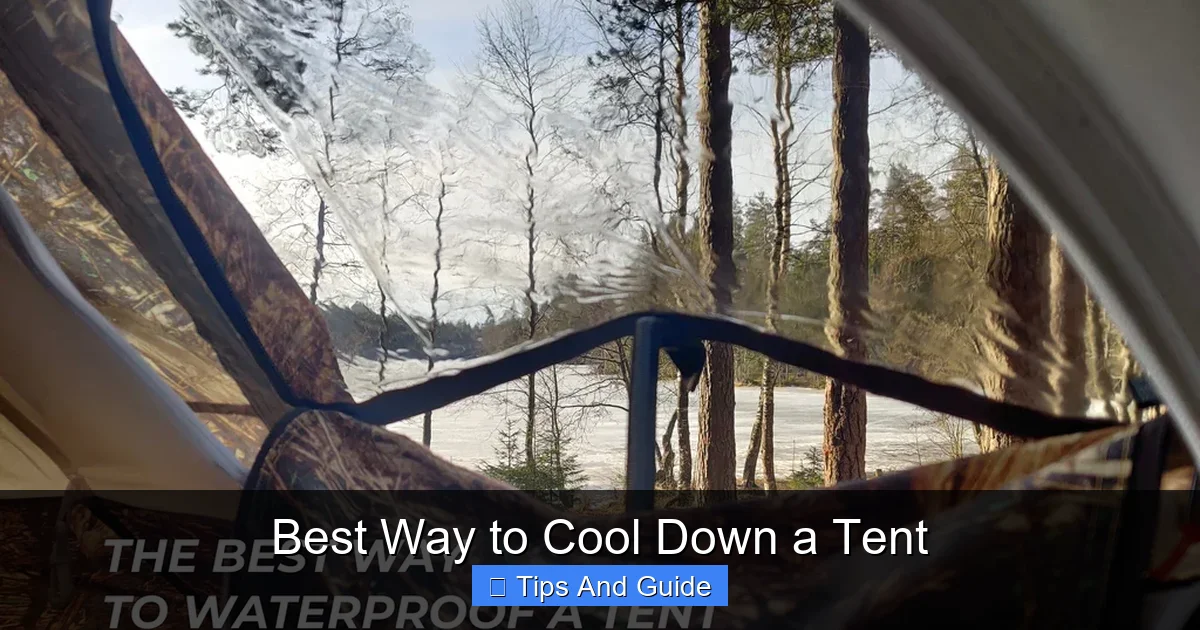
Direct sunlight is your tent’s biggest enemy when it comes to heat. Employing strategies to block or reflect this sunlight can dramatically lower the internal temperature.
The Mighty Tarp or Shade Cloth
This is a game-changer. Pitching a tarp or a shade cloth above your tent creates an additional layer of shade, preventing direct sunlight from hitting your tent fabric. This can be as simple as stretching a tarp between trees or using poles to create a freestanding canopy over your tent. The air gap between the tarp and your tent is crucial, as it allows heat to dissipate.
Reflective Tarps
For even greater heat reduction, consider using a reflective tarp. These tarps are designed to bounce sunlight away, further minimizing heat absorption. Position the reflective side facing the sun.
Strategic Placement of Items
While less about blocking the sun from the tent itself, be mindful of where you store items. Don’t leave dark-colored gear or other heat-absorbing items directly against the tent walls, especially on the sunny side.
Embracing the Water and Airflow Combo
When passive methods aren’t quite enough, you can actively introduce cooling elements using water and air.
The Misting Fan Technique
This is a popular and effective method. Get a battery-powered fan and a spray bottle filled with cold water. Periodically mist the air in front of the fan. As the water evaporates, it draws heat from the air, creating a cooling effect. You can even freeze water bottles and place them in front of the fan for a sustained cool breeze. For a more advanced setup, some campers use portable mister systems. Remember to use water sparingly to avoid making your tent damp, which can lead to mildew and discomfort.
Battery-Powered Fans
A good quality battery-powered fan is a camping essential for warm weather. Place it strategically to circulate air within the tent. Pointing it towards an open window or door can help push hot air out. Some fans are designed for hanging, which can be very convenient. For longer trips, consider rechargeable fans or having extra batteries on hand. If you’re looking for options, checking out the best camping fan for a tent can lead you to some great choices. For larger spaces, a camping fan for a large tent might be necessary.
Cooling Towels and Bandanas
Soaking a towel or bandana in cold water and wearing it around your neck or draping it over your head can provide personal relief. You can also place these damp cloths inside your tent to help lower the ambient temperature through evaporation.
Smart Tent Choices and Interior Comfort
The type of tent you own and how you set up the interior can also impact its coolness.
Tent Color and Material
Lighter-colored tents absorb less heat than darker ones. If you’re in the market for a new tent and often camp in warm weather, opt for a lighter color. Breathable fabrics are also key. Many modern tents use a combination of mesh and ripstop nylon, which offers a good balance of durability and breathability.
Elevate Your Sleeping Surface
Sleeping directly on the ground can be warmer as the ground retains heat. Using a camping cot or an inflatable mattress with some air space underneath can allow for better air circulation around you. If you’re considering a comfortable place to sleep, exploring options for the best camping mattress for a tent or the best camping mat for a tent might be helpful. A camping cot can also provide this elevation.
Minimize Internal Heat Sources
Avoid using heat-generating electronics inside your tent during the day if possible. This includes laptops, powerful LED lights (opt for cooler-spectrum LEDs or use them sparingly), and especially cooking inside your tent. If you need to cook, do it outside or in a separate cooking area, like a camping kitchen tent, far away from your sleeping quarters.
Nighttime Strategies for a Cooler Sleep
As the sun sets, you still need to ensure your tent stays comfortable for sleeping.
Ventilate Throughout the Night
Keep those vents and windows open! Even if it gets a little chilly, you can always partially close them. The goal is to maintain airflow to prevent heat from building up overnight.
Pre-Cool Your Tent
If you have access to ice or a cooler, you can place frozen water bottles or ice packs inside your tent for a few hours before you plan to sleep. This will absorb some of the ambient heat.
Use Sleeping Bags Appropriately
Ensure your sleeping bag is appropriate for the temperature. If it’s warm, a lightweight sleeping bag or just a liner might be all you need. You can even sleep with the sleeping bag unzipped and use it as a blanket.
By implementing these strategies, you can significantly improve the comfort of your tent on hot days. It’s not about making your tent as cold as an air-conditioned room, but about creating a cooler, more pleasant environment where you can relax and get a good night’s sleep. Experiment with different techniques to find what works best for you and your camping setup. Happy (and cool) camping!
Frequently Asked Questions
How can I cool down my tent without electricity?
You can cool down your tent without electricity by maximizing natural ventilation, utilizing shade from trees or tarps, and employing evaporative cooling methods like damp cloths or misting with a spray bottle. Strategic site selection to catch breezes is also key.
Is it better to have my tent door open or closed in hot weather?
In hot weather, it’s generally better to have your tent doors and windows open as much as possible to create cross-ventilation. This allows hot air to escape and cooler air to enter, keeping the interior temperature lower.
What is the best color tent for hot weather?
Lighter-colored tents are best for hot weather because they reflect more sunlight and absorb less heat compared to darker colors. White, light gray, or tan tents are excellent choices for staying cool.
How can I keep my tent cool at night?
To keep your tent cool at night, continue to ventilate it by leaving windows and doors open. You can also pre-cool the tent with frozen water bottles or ice packs and ensure you’re using a lightweight sleeping bag or just a liner.
Can I use ice to cool my tent?
Yes, you can use ice to cool your tent. Placing frozen water bottles or a cooler with ice inside can help absorb heat and lower the ambient temperature. For a more sustained effect, consider freezing water bottles and placing them in front of a fan.
What is the most effective way to cool down a tent?
The most effective way to cool down a tent usually involves a combination of strategies. Strategic site selection for shade and breeze, maximizing ventilation by opening all vents and windows, and using a tarp or shade cloth to block direct sunlight are paramount. Adding battery-powered fans and misting can further enhance cooling.
