
Don’t let hot weather ruin your camping trip! Learn the best way to cool a tent with simple, effective strategies. From strategic tent placement to using fans and ventilation, these tips will keep you comfortable outdoors.
Camping is an incredible way to connect with nature. Waking up to birdsong, breathing in fresh air, and gazing at starry skies are unparalleled experiences. However, when the temperatures climb, that idyllic scene can quickly turn into a sweltering ordeal inside your tent. A hot tent can be uncomfortable, leading to restless nights and less enjoyable days. But don’t sweat it! There are many effective ways to keep your tent cool and make your summer camping trips a breeze.
This guide is all about the best way to cool a tent while camping, focusing on practical, easy-to-implement strategies. We’ll cover everything from where you pitch your tent to clever tricks you can use inside to beat the heat. Get ready to transform your camping experience from a sweaty struggle to a comfortable adventure, no matter how high the mercury rises.
- Site Selection is Crucial: Choosing a shady spot away from direct sun is the first and most effective step to keep your tent cooler.
- Maximize Ventilation: Open all vents, windows, and doors to allow for maximum airflow, creating a cross-breeze.
- Utilize Shade Structures: A tarp or canopy set up over your tent can dramatically reduce direct sun exposure and heat absorption.
- Strategic Cooling Methods: Consider using battery-powered fans, damp cloths, or even ice packs to actively lower the tent’s temperature.
- Timing is Everything: Pitch your tent in the late afternoon and pack up early in the morning to avoid the hottest parts of the day.
- Reflect Heat: Lighter colored tent fabrics absorb less heat, and reflective tarps can bounce sunlight away.
📑 Table of Contents
Strategic Tent Placement: Your First Line of Defense
The absolute best way to cool a tent while camping starts before you even set up. Where you choose to pitch your tent makes a monumental difference in how hot it gets inside. Think of it as climate control, dictated by nature itself.
The Power of Shade
This is non-negotiable for warm-weather camping. Always seek out natural shade.
- Mornings are Key: Observe the sun’s path. Aim for a spot that will be shaded for the longest part of the day, especially during the peak afternoon heat. Trees are your best friends here. Look for mature trees that offer dense canopy cover.
- Avoid Sun Traps: Be wary of open fields or clearings that will be baked in direct sunlight from sunrise to sunset. Even a slight breeze won’t overcome the radiant heat.
- Consider Ground Cover: Areas with dense foliage or grass tend to be cooler than exposed rock or sand, which absorb and retain heat.
Direction Matters
The orientation of your tent can also play a role.
- Face Away from the Sun: If possible, position your tent so that its longest side faces north (in the Northern Hemisphere) or south (in the Southern Hemisphere) to minimize direct sun exposure on the largest fabric surfaces.
- Leverage Morning Sun (Carefully): Sometimes, positioning your tent to catch the cooler morning sun can be beneficial if you plan to be out of the tent during the hottest part of the day. Just ensure it will be in shade later.
Proximity to Water
Being near a lake, river, or ocean can offer a slight cooling effect due to evaporation. This is a bonus rather than a primary strategy, but it can contribute to a more comfortable environment.
Maximize Ventilation and Airflow
Visual guide about Best Way to Cool a Tent While Camping
Image source: diyjoy.com
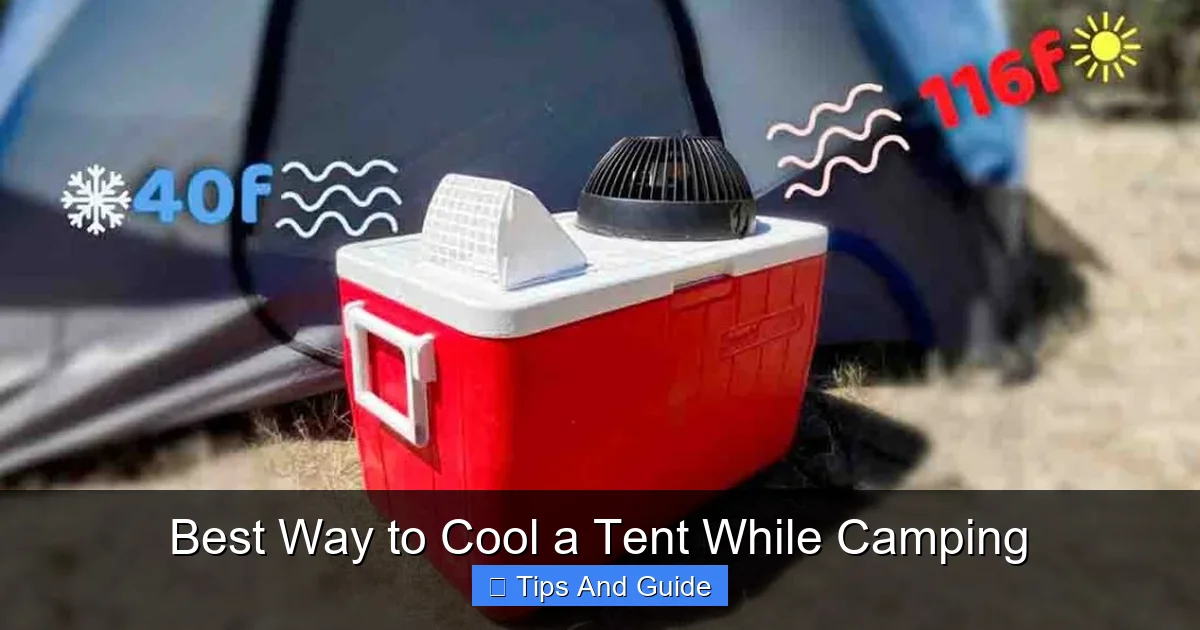
Once your tent is pitched, the next crucial step in the best way to cool a tent while camping is to maximize its natural ventilation. Modern tents are often designed with mesh panels and multiple vents for this very reason.
Open Everything Up
Don’t be afraid to open up your tent as much as possible.
- Zip Down All Windows and Doors: If you’re in a safe area and the weather is calm, fully unzip and roll back your tent doors and windows. This allows air to flow freely through the entire tent.
- Utilize Mesh Panels: Most tents have large mesh panels. Keep these uncovered and ensure there are no obstructions blocking them.
- Ventilation Ports: Many tents have dedicated vent ports, often located at the top of the tent or near the rainfly. Make sure these are open and clear.
Creating a Cross-Breeze
The most effective airflow happens when you create a cross-breeze.
- Opposite Openings: If your tent has doors or windows on opposite sides, open them up. This allows air to enter one side and exit the other, pushing the hot air out.
- Chimney Effect: Hot air rises. If you can open vents higher up on your tent, this will help draw cooler air in from lower openings and push the heated air out the top.
Rainfly Management
The rainfly is essential for protection, but it can also trap heat.
- Ventilation Under the Rainfly: Many rainflies have adjustable tabs or zippers that allow you to create a gap between the rainfly and the tent body. This gap is vital for airflow. Ensure this gap is maintained.
- Remove if Possible: On dry, clear nights, consider pitching your tent without the rainfly if it’s purely mesh. This offers the ultimate ventilation, but only do this when rain is not expected.
Harnessing the Power of Shade Structures
Visual guide about Best Way to Cool a Tent While Camping
Image source: mytrailfork.com
While natural shade is ideal, sometimes you can’t find a perfectly shaded spot, or the sun might creep around the trees. This is where additional shade structures come into play as part of the best way to cool a tent while camping.
Tarps as Your Ally
A simple tarp can be a game-changer.
- Overhead Shelter: Rig a tarp high above your tent, creating an air gap between the tarp and your tent. This blocks direct sunlight from hitting your tent fabric, significantly reducing heat absorption. Use poles or tie-downs to create a high canopy.
- Angle for Maximum Effect: Angle the tarp to block the sun during its hottest hours.
- Reflective Tarps: Consider using a reflective tarp. These are designed to bounce sunlight away, keeping the area underneath cooler.
Canopies and Gazebos
For a more permanent and spacious solution, a camping canopy or gazebo can provide substantial shade over your tent or create a cool outdoor living space.
- Dedicated Shade Area: Set up a canopy next to your tent to create a shaded zone where you can relax outside your tent.
- Tent Placement Under Canopy: If your tent fits comfortably and safely underneath a larger canopy, this can offer excellent protection from the sun. Ensure good ventilation around and within the tent.
Active Cooling Techniques
Beyond passive strategies like shade and ventilation, you can employ active methods to lower the temperature inside your tent. These are especially useful when the ambient temperature is high.
Battery-Powered Fans
A small, battery-powered fan is one of the most effective tools for circulating air and creating a cooling effect.
- Types of Fans: Look for lightweight, portable fans designed for camping. Some even have LED lights, which can be a nice bonus. You can find personal fans or larger ones designed for a whole tent. Check out the best camping fans for tents to find one that suits your needs.
- Placement is Key: Position the fan to blow air towards you or to help circulate air out of the tent.
- Combine with Damp Cloths: For an extra boost, place a damp cloth or a shallow tray of ice water in front of the fan. As the air blows over it, it will create a cooling mist.
The Damp Cloth Trick
This is a classic, low-tech solution.
- Generously Dampen Towels: Keep a few small towels or bandanas damp. You can hang them inside your tent (away from sleeping bags!) or place them strategically.
- Cooling Surfaces: Damp fabric will evaporate, drawing heat from the air around it. This is most effective when there’s some airflow, so combine it with your fan or open vents.
- Apply to Yourself: A cool, damp cloth on your neck or forehead can provide immediate relief.
Ice Packs and Coolers
While you won’t have an air conditioner, you can use ice creatively.
- Frozen Water Bottles: Freeze water bottles overnight. In the morning, place them inside your tent. They’ll slowly melt, keeping the immediate area cooler.
- Cooler Placement: If you have a cooler with ice packs, placing it inside your tent (closed, of course) can help reduce the overall temperature slightly.
Timing and Tent Material
When you set up and take down your tent, and the type of tent you own, also play a role in managing heat.
Strategic Setup and Teardown
The hours you spend in your tent can be controlled.
- Late Afternoon Setup: Pitch your tent in the late afternoon or early evening. The ground and air will have cooled slightly by then.
- Early Morning Pack-Up: Aim to be out of your tent and packed up early in the morning before the sun really starts to heat things up. Spend your days hiking, swimming, or exploring, returning to your tent only when necessary or in the cooler evening.
Tent Fabric and Color
The materials your tent is made from, and its color, significantly impact how much heat it absorbs.
- Light Colors Reflect Heat: Tents in lighter colors, especially white, silver, or light grey, reflect more sunlight than darker colors. Dark tents absorb sunlight and turn it into heat. If you’re buying a new tent for warm climates, opt for lighter hues.
- Breathable Materials: Tents made with more breathable fabrics, often with larger mesh panels, will naturally be cooler.
- Double-Wall vs. Single-Wall: Double-wall tents (with an inner tent and a rainfly) often offer better ventilation and can be cooler than single-wall tents if set up correctly with good airflow between the layers.
Sleeping Comfort in a Hot Tent
Even with the best cooling strategies, your sleeping setup can make a big difference. If your sleeping surface is also radiating heat, you’ll be uncomfortable.
Lightweight Sleeping Gear
Your bedding should adapt to the weather.
- Synthetic vs. Down: For hot weather, synthetic sleeping bags or quilts are generally preferable to down. Down can be too insulating, trapping heat. Look for bags with lower temperature ratings or ones specifically designed for summer camping.
- Sleeping Bag Liners: A lightweight, moisture-wicking sleeping bag liner can be all you need on warm nights, providing just a touch of comfort without excess warmth.
- Camping Blankets: A light cotton or fleece blanket can be a good alternative to a full sleeping bag.
The Best Camping Mattress for Tent Comfort
The surface you sleep on can either add to your discomfort or help regulate temperature. A thick, insulative sleeping pad might keep you warm in cold weather, but in the heat, it can make you feel like you’re sleeping on a hot plate.
- Breathable Mats: Opt for sleeping mats with good breathability. Self-inflating mats often have a layer of foam that can trap heat. Air pads with open-cell foam or simple inflatable mats can be better. Explore options for the best camping mat for tent setups that prioritize airflow.
- Camping Cots: If heat is a major concern, consider sleeping on a camping cot. This elevates you off the ground, allowing air to circulate underneath you, which can be surprisingly effective. Some people find the best camping cot tent configurations to be a game-changer for staying cool.
- Minimalist Approach: Sometimes, the best approach is to minimize your bedding. Use just a sheet or a very thin blanket.
Conclusion: Stay Cool, Camp Happy
Staying cool while camping doesn’t require a portable air conditioner. By implementing these strategies, you can significantly improve your comfort even on the hottest days. It’s all about smart planning, utilizing natural resources, and employing a few clever tricks.
Remember, the best way to cool a tent while camping is a multi-faceted approach. Start with the most impactful step: strategic site selection in the shade. Then, maximize your tent’s ventilation by opening all vents and creating airflow. Supplement this with shade structures like tarps or canopies. Don’t underestimate the power of battery-powered fans and simple damp cloths for active cooling. And finally, consider your sleeping gear and setup to ensure you’re not adding unnecessary heat.
With these tips in your arsenal, you can look forward to comfortable nights and enjoyable days, making your summer camping adventures a refreshing success. Happy camping, and stay cool!
Frequently Asked Questions
How can I cool down my tent without electricity?
You can cool your tent without electricity by focusing on ventilation, using natural shade, and employing passive cooling methods. Open all vents, windows, and doors to create a cross-breeze. Hang damp cloths inside or place them in front of open windows. Pitching your tent in a shaded area is paramount. Reflective tarps can also be used to block direct sun.
Is it better to have a tent door open or closed in hot weather?
In hot weather, it is almost always better to have your tent doors open, especially if you are creating a cross-breeze. Open doors and windows allow hot air to escape and cooler air to enter. However, if insects or security are a concern, ensure you have mesh screens fully zipped up.
How can I make my tent cooler at night?
To make your tent cooler at night, ensure good ventilation by opening all vents and mesh panels. Use a battery-powered fan to circulate air. Placing frozen water bottles inside can also provide a gentle cooling effect as they slowly melt. Avoid using too much insulating bedding.
What color tent is the coolest?
Lighter colored tents are generally cooler than darker ones. Colors like white, silver, or light grey reflect more sunlight and absorb less heat. Darker colors, like black or deep blue, absorb sunlight and convert it into heat, making the tent much hotter inside.
Can I use ice to cool my tent?
Yes, you can use ice to help cool your tent, though it’s not a sustained solution. Freeze water bottles and place them inside the tent; they will slowly melt and cool the surrounding air. You can also place a shallow container of ice or ice packs in front of a battery-powered fan to create a makeshift evaporative cooler.
How does a tarp over a tent help with cooling?
A tarp strategically placed above your tent creates a barrier against direct sunlight. This prevents the sun’s rays from heating up your tent fabric directly, significantly reducing the amount of heat absorbed by your shelter. Crucially, ensure there’s an air gap between the tarp and your tent for maximum effectiveness, allowing heat to dissipate.
