
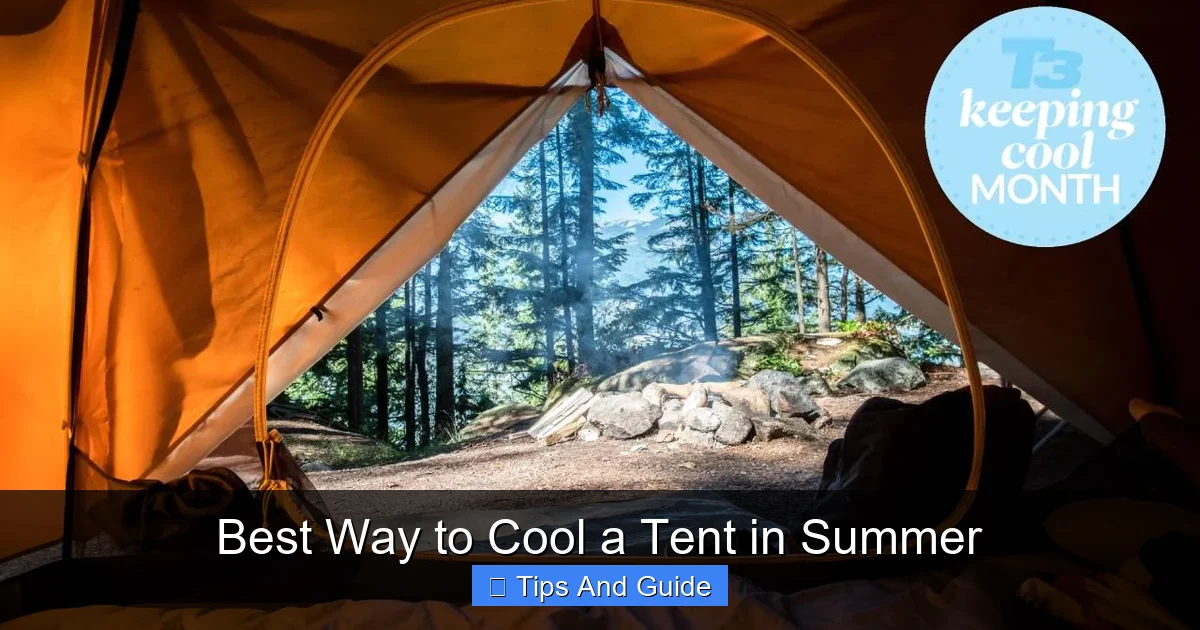
Struggling with a sweltering tent in summer? Don’t let the heat ruin your camping adventure. This guide reveals the best way to cool a tent in summer, focusing on smart setup, ventilation, and simple cooling techniques. Learn how to beat the heat and enjoy comfortable nights under the stars.
Ah, summer camping! The long days, starry nights, and the call of the great outdoors. But let’s be honest, there’s one major downside that can turn a dream trip into a sweaty nightmare: a tent that feels like a sauna. When the sun beats down, the inside of your tent can quickly become an unbearable hotbox, making it difficult to sleep, relax, or even breathe. But fear not, fellow campers! Keeping your tent cool in the summer heat is not an impossible feat. It’s all about smart strategies and a little bit of know-how.
We’ve all been there – crawling into a tent in the afternoon only to be met with stifling heat. The fabric seems to radiate warmth, and the air inside feels thick and stagnant. This can lead to restless nights, dehydration, and a general feeling of discomfort that detracts from the joy of camping. But with the right approach, you can transform your tent into a cool, refreshing sanctuary, even on the hottest days. The key lies in understanding how heat builds up and implementing simple, effective methods to combat it.
This guide is your ultimate resource for learning the best way to cool a tent in summer. We’ll cover everything from choosing the perfect campsite to utilizing clever cooling gadgets and techniques. Get ready to say goodbye to sticky sleeping bags and hello to comfortable, enjoyable summer camping!
Key Takeaways
- Choose the Right Tent Location: Select a shady spot, ideally with a breeze, to minimize direct sun exposure.
- Maximize Ventilation: Keep all vents and windows open, and use mesh panels to allow for airflow.
- Utilize Shade Structures: Set up a tarp or canopy over your tent to block direct sunlight.
- Cooling Inside the Tent: Use battery-powered fans, damp cloths, and personal cooling devices.
- Manage Heat Sources: Avoid cooking or excessive activity inside the tent during the hottest parts of the day.
- Smart Sleeping Strategies: Opt for breathable sleeping bags and moisture-wicking sleepwear.
- Timing is Everything: Set up your tent in the cooler morning or evening hours.
📑 Table of Contents
Strategic Campsite Selection: Your First Line of Defense
One of the most crucial steps in keeping your tent cool is where you decide to pitch it. This isn’t just about finding a flat spot; it’s about finding a spot that works *with* the sun, not against it. Think of your campsite selection as your first and most effective cooling strategy.
Harness the Power of Shade
The most obvious way to prevent your tent from overheating is to keep it out of direct sunlight. Look for natural shade from trees. A dense canopy of leaves can make a significant difference in the temperature inside your tent. However, be mindful of falling branches, especially during windy conditions. Also, consider the sun’s path throughout the day. A spot shaded in the morning might be blasted by the afternoon sun. Try to find a location that offers shade during the hottest parts of the day, typically from late morning to late afternoon. If natural shade is limited, don’t despair; we’ll cover artificial shade solutions later.
Embrace the Breeze
If you can’t find complete shade, look for a spot where a breeze can flow through. Open areas, the edge of a clearing, or near a body of water can often catch more wind. Proper airflow is critical for dissipating heat. Position your tent so that prevailing winds can pass through it. This means orienting your tent with the vents facing into the wind. Even a slight breeze can create a significant cooling effect. Consider the terrain as well; a spot slightly elevated might catch more wind than one in a low-lying hollow.
Avoid Heat Traps
Certain areas can act like heat traps. For example, camping on dark asphalt or gravel surfaces will absorb and radiate heat long after the sun has set. These surfaces can make your tent significantly hotter. Also, avoid pitching your tent right next to rocks that have been baking in the sun all day. These will radiate heat into your tent throughout the evening. Aim for grassy areas, which tend to stay cooler.
Mastering Tent Ventilation: Let the Air Flow!
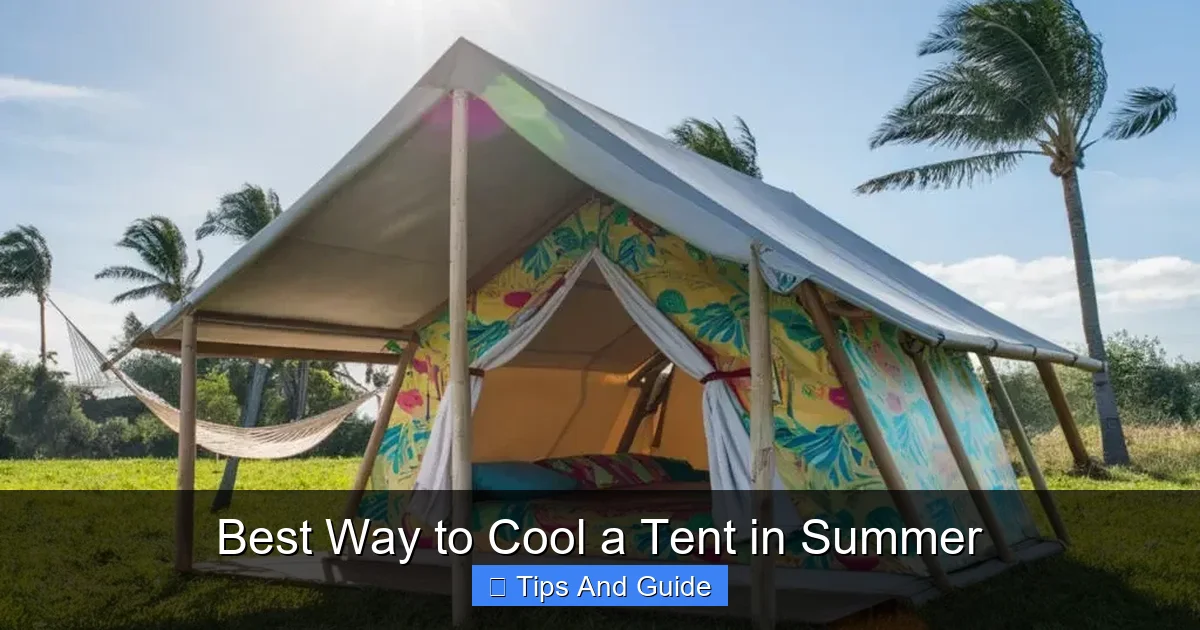
Visual guide about Best Way to Cool a Tent in Summer
Image source: howguide.net
Once your tent is pitched, the next most important thing is ensuring maximum airflow. A stuffy tent traps heat, while a well-ventilated one allows cooler air in and hot air out. Think of your tent’s vents and windows as its lungs.
Open Every Vent and Window
This might seem obvious, but it’s surprising how many people zip up their tents completely, trapping the heat inside. Always open all available vents and windows, especially the mesh ones. Most tents are designed with multiple ventilation points to promote cross-breeze. Make sure that any rainfly is positioned to allow air to circulate beneath it. If your tent has a double-wall design (inner tent and outer rainfly), ensure there’s space between the two for air to move.
Utilize Mesh Panels
Many modern tents feature large mesh panels on the doors and windows. These are invaluable for ventilation. Keep them unzipped (and protected by the rainfly if needed) to allow air to enter and exit freely. This is especially effective during the cooler evening and morning hours. If you’re concerned about insects, you can still keep the mesh zipped up, allowing for airflow while keeping bugs out.
Create a Cross-Breeze
The most effective way to ventilate is to create a cross-breeze. This means having openings on opposite sides of the tent. If your tent has doors on both ends, open them both (with mesh zipped) if conditions permit. If you only have one door, try to open a window or vent on the opposite side. This allows air to flow *through* the tent, rather than just in and out of one opening. Position your tent to take advantage of natural breezes for maximum effect.
Building Your Own Shade: Artificial Protection
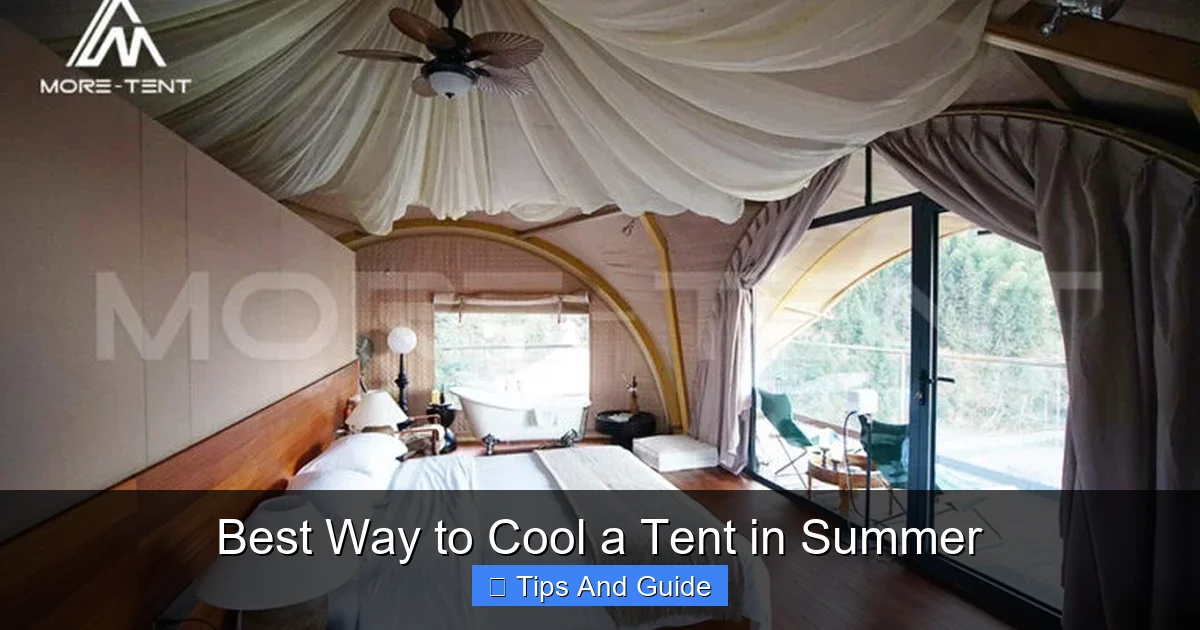
Visual guide about Best Way to Cool a Tent in Summer
Image source: glamping-hotel.com
Sometimes, natural shade just isn’t enough, or it’s not available where you want to camp. This is where artificial shade structures become your best friend. Think of these as extra layers of protection against the sun’s relentless rays.
The Mighty Tarp or Canopy
A simple tarp or a pop-up canopy can be a game-changer. Set up a tarp a few feet above your tent, angled to block the sun. You can use trekking poles, extra guy lines, or trees to support it. A pop-up canopy provides a larger shaded area and can be set up quickly. Position the canopy so that it casts a shadow over your tent during the peak sun hours. Make sure there’s still enough space between the tarp/canopy and your tent for air to circulate. You don’t want the shaded structure to simply trap heat directly above your tent.
Reflective Materials
Consider using reflective materials, like emergency blankets or specialized solar blankets, as part of your shade setup. These materials reflect sunlight away, preventing it from being absorbed by your tent fabric. You can lay them over a tarp or canopy, or even directly over the tent if you’re careful not to trap too much heat underneath.
Strategic Placement of Your Tent
If you’re using a canopy, the best way to cool a tent in summer is to set it up *before* you pitch your tent. Then, pitch your tent directly underneath the shaded area. This ensures your tent is shielded from the direct sun from the moment it’s set up.
Cooling Down the Inside: Personal Comfort Hacks
Even with the best ventilation and shade, a tent can still get warm. Here are some tried-and-true methods for actively cooling the inside of your tent and yourself.
Battery-Powered Fans are Your Friends
A small, battery-powered fan can make a world of difference. Even a gentle breeze circulating inside can help you feel significantly cooler. Place it strategically to blow air towards you. Some fans have misting capabilities, which can provide an extra cooling boost. Look for fans designed for camping that are lightweight and have long battery life. Don’t underestimate the power of a good camping fan for your tent; it’s a simple yet incredibly effective tool. For larger tents, consider a camping fan for large tent options.
The Power of Damp Cloths
Dampen towels or bandanas with cool water and place them around your tent. You can hang them from the tent ceiling or place them near vents. As the water evaporates, it creates a cooling effect. You can also dampen a cloth and place it on your neck or forehead for instant personal relief. Keep a spray bottle filled with cool water handy for a quick refresh.
Cooling Towels and Garments
Specialized cooling towels are designed to stay cool for hours when wet. These are fantastic for personal use, draped around your neck or head. You can also use cooling neck wraps or vests.
Ice, Ice Baby!
Bring a cooler filled with ice. You can place frozen water bottles or ice packs strategically inside your tent. As they melt, they’ll help lower the ambient temperature. You can even place a bowl of ice in front of a battery-powered fan to create a makeshift air cooler. Just be sure to manage any condensation that forms.
Managing Heat Sources and Smart Sleeping
The heat isn’t just coming from the sun; it can also be generated within the tent itself. Being mindful of what you do inside and how you sleep is also key to staying cool.
Avoid Cooking Inside
Never cook inside your tent, especially on a hot day. Stoves and cooking generate a significant amount of heat and can be a fire hazard. If you need to cook, do so in a designated cooking area well away from your tent. Consider using a camping kitchen tent to keep cooking smells and heat away from your sleeping area.
Limit Physical Activity Inside
Try to avoid strenuous activities inside your tent during the hottest parts of the day. The heat generated by your body will only contribute to the tent’s warmth. Save your energy for cooler parts of the day, like early mornings or evenings.
Choose Breathable Bedding
Your sleeping bag and sleeping pad can trap a lot of heat. Opt for a lightweight, breathable sleeping bag or even just a liner for warmer nights. Avoid synthetic materials that don’t breathe well. Cotton can be comfortable, but it holds moisture. Look for moisture-wicking materials for your sleepwear and sheets. A good camping mattress for tent that allows for airflow underneath can also help. Consider a camping mat for tent that is also breathable.
Hydration is Key
Staying hydrated is crucial in the heat, not just for comfort but for safety. Drink plenty of water throughout the day and keep it cool in your cooler. Dehydration can make you feel much hotter.
Timing Your Tent Setup and Activities
When you set up your tent and when you engage in activities around it can have a significant impact on its internal temperature.
Set Up in Cooler Hours
The best time to set up your tent is either early in the morning or in the late afternoon/early evening when the sun is less intense. This prevents the tent fabric from absorbing a lot of heat before you even get inside. Pitching your tent in the cooler hours means it will start at a more manageable temperature.
Ventilate Before Bed
Before you settle down for the night, make sure your tent is well-ventilated. Open up all the windows and vents to allow the cooler night air to circulate. This will help dissipate any heat that has built up during the day.
Use LED Lighting
If you need light inside your tent at night, opt for LED lights. Traditional incandescent bulbs generate a surprising amount of heat, which you definitely don’t want in a warm tent. Most modern camping lights for tent are LED-based and are efficient and cool-running.
Consider Tent Material and Color
While you might not be buying a new tent specifically for summer, it’s worth noting that lighter-colored tents reflect more sunlight than darker ones. Breathable fabrics like cotton canvas can also be cooler than synthetic materials, though they are heavier and less waterproof. If you’re in the market for a new tent and primarily camp in warm weather, consider these factors. Many of the best pop up tent reviews will mention ventilation and fabric breathability.
In conclusion, learning the best way to cool a tent in summer is all about a multi-pronged approach. It’s not just one single trick; it’s a combination of smart planning, effective ventilation, and creative cooling solutions. By choosing your campsite wisely, maximizing airflow, using shade structures, employing personal cooling hacks, managing heat sources, and being mindful of timing, you can ensure your summer camping trips are comfortable and enjoyable, no matter how high the mercury rises. So get out there, embrace the outdoors, and stay cool!
Frequently Asked Questions
How can I cool my tent without electricity?
You can cool your tent without electricity by maximizing natural ventilation, using shade structures like tarps, and employing evaporative cooling methods such as damp cloths or spray bottles filled with water. Battery-powered fans are also a great option if you have portable power.
Should I leave my tent vents open in the rain?
Generally, yes, but with caution. Most tents have rainflys designed to keep the main tent body dry while allowing ventilation through the mesh panels and vents. Ensure your rainfly is properly pitched and that no rain is directly entering the tent.
What is the best time to set up a tent in summer?
The best time to set up your tent in summer is during the cooler parts of the day: early morning or late afternoon/early evening. This prevents the tent fabric from absorbing excessive heat before you occupy it.
How can I make my tent cooler at night?
To cool your tent at night, ensure maximum ventilation by opening all vents and windows. You can also use battery-powered fans and place frozen water bottles inside to slowly release cool air as they melt.
Are lighter-colored tents cooler?
Yes, lighter-colored tents tend to be cooler because they reflect more sunlight and absorb less heat compared to darker-colored tents.
Can I use a tarp to shade my tent?
Absolutely! A tarp is an excellent way to create shade over your tent. Set it up a few feet above your tent, angled to block direct sunlight, and ensure there’s still airflow between the tarp and the tent.
