
Don’t let the heat ruin your camping trip! This guide reveals the best ways to cool a tent, from strategic site selection to clever ventilation tricks. Learn how to create a comfortable sanctuary and beat the heat for a more enjoyable outdoor experience.
Best Way to Cool a Tent
Summer camping is fantastic, but let’s be honest, a sweltering tent can turn paradise into a sweat lodge. When the sun is beating down, and you’re trying to enjoy the great outdoors, a hot tent can be a real buzzkill. But don’t despair! Keeping your tent cool is entirely achievable with a few smart strategies and a bit of foresight. This guide is packed with practical tips to help you find the best way to cool a tent, ensuring a comfortable and refreshing camping experience, no matter how high the mercury climbs.
We’ve all been there: climbing into your tent after a day of hiking or exploring, only to be met with a blast of hot, stale air. It feels like stepping into an oven. This can make sleeping difficult, enjoying downtime challenging, and even lead to dehydration if you’re not careful. The good news is that by understanding how tents heat up and employing some simple, effective techniques, you can transform your tent into a cool haven. Let’s dive into the best way to cool a tent and make your next summer adventure a breeze.
Key Takeaways
- Strategic Site Selection: Choosing a shady spot is your first and most effective defense against a hot tent.
- Ventilation is Key: Proper airflow is crucial. Open vents, windows, and doors strategically to create a cross-breeze.
- Reflect the Sun: Use tarps or reflective blankets on the outside of your tent to bounce away sunlight.
- Embrace Water: Damp towels and strategic misting can significantly lower the internal temperature.
- Minimize Heat Sources: Avoid using heat-generating electronics or cooking inside your tent.
- Consider Tent Material and Color: Lighter colors and breathable fabrics are naturally cooler.
📑 Table of Contents
1. Choose Your Campsite Wisely
This is perhaps the most critical step in keeping your tent cool. Even before you pitch your tent, your location plays a massive role. Think of it as setting yourself up for success from the very beginning.
Seek Out Shade
The most direct way to combat the sun’s heat is to avoid it altogether. Look for campsites that offer natural shade from trees. Morning sun is often less intense, so a spot that gets sun in the morning but shade in the afternoon can be ideal. Observe the sun’s path throughout the day if possible. A spot that is shaded during the hottest parts of the day (late morning to late afternoon) will make a significant difference.
Consider Wind Direction
While shade is crucial, so is airflow. Try to position your tent so that any prevailing breezes can flow through it. If you know the typical wind direction for the area, orient your tent entrance and vents to take advantage of it. This will help dissipate the heat that builds up inside.
Avoid Heat Traps
Some areas naturally retain more heat. For instance, pitching your tent on dark asphalt or large, dark rocks can absorb and radiate heat long after the sun goes down. Opt for grassy areas or natural ground cover. Also, be mindful of large bodies of water; while they can offer a cooling effect, sometimes they can contribute to humidity which makes heat feel worse.
2. Master the Art of Ventilation
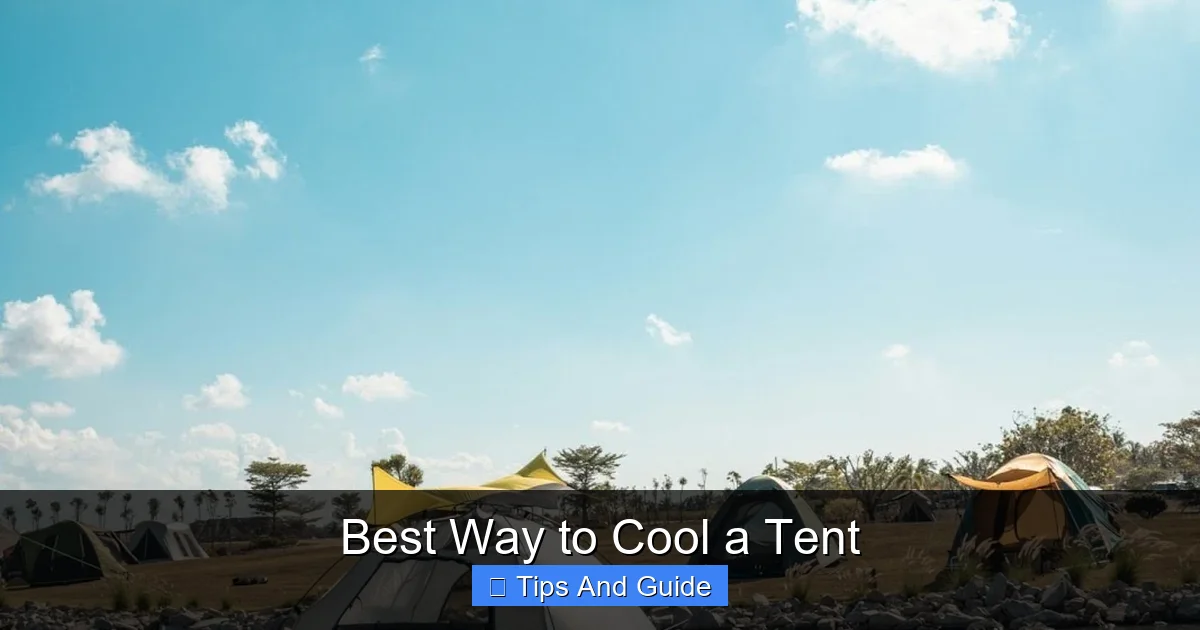
Visual guide about Best Way to Cool a Tent
Image source: campingtentexpert.com
Once your tent is pitched, proper ventilation is your next best friend. The goal is to create airflow, allowing hot air to escape and cooler air to enter.
Open Everything You Can
Most tents come with multiple vents, windows, and doors. Open them all up! Even if it’s just a small crack, allowing air to circulate is vital. Think of it like opening windows in your house to create a cross-breeze.
Strategic Venting
Not all openings are created equal. You want to create a flow. Generally, opening lower vents or windows on the windward side and higher vents or windows on the leeward side will encourage air to move through the tent. This creates a chimney effect, pulling cooler air in from below and pushing hot air out from above.
Mesh Screens are Your Friends
Many tents have mesh panels on doors and windows. Keep these zipped up to keep bugs out, but ensure the outer flaps are open or rolled back to allow air to pass through. If bug pressure is low, you might even consider taking off the rain fly entirely if the weather permits and the tent fabric offers sufficient privacy and protection. This allows for maximum airflow. For pop-up tents, check out options designed for maximum ventilation; some have incredible mesh coverage.
3. Reflect and Block the Sun
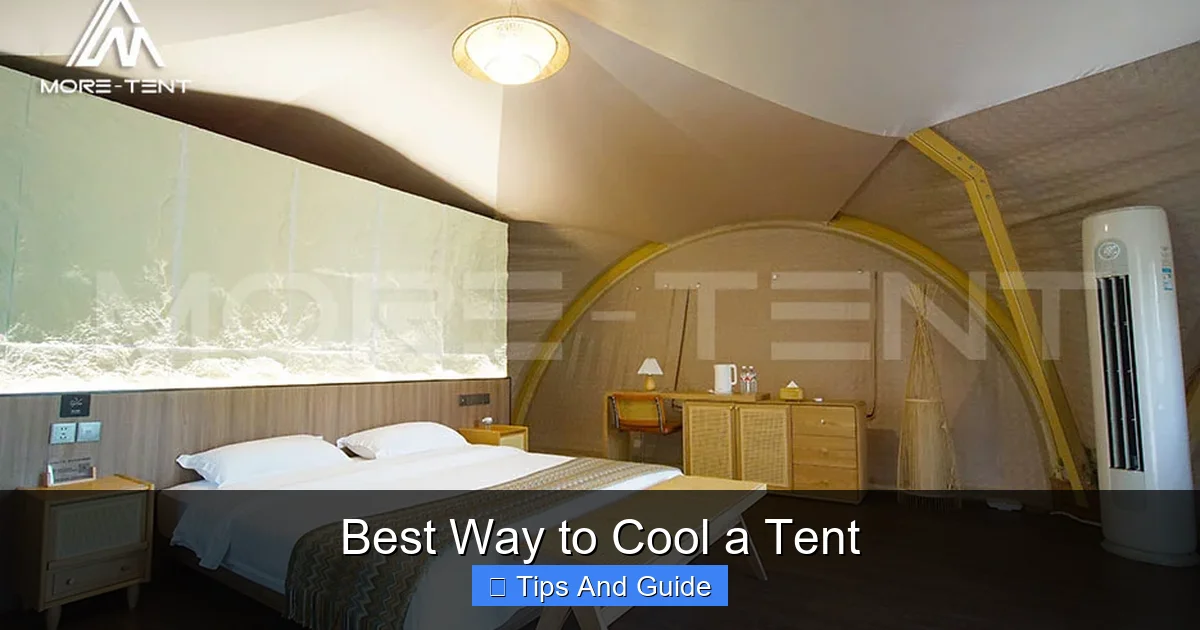
Visual guide about Best Way to Cool a Tent
Image source: glamping-hotel.com
Your tent fabric absorbs sunlight, which then heats up the interior. You can reduce this heat absorption by reflecting and blocking the sun’s rays.
The Tarp Strategy
Drape a tarp over your tent, leaving a gap between the tarp and the tent fabric. This gap is crucial for airflow. The tarp acts as a primary barrier, absorbing the brunt of the sun’s energy and reflecting it away. You can use poles or tie-down points to create this space. Ensure the tarp is taut to prevent water pooling if it rains.
Mylar Blankets and Reflective Covers
These lightweight, inexpensive materials are incredibly effective. You can string them up inside or outside your tent. Outside is usually more effective as it stops the heat before it even reaches the tent fabric. Be cautious with Mylar blankets inside, as they can reflect heat back into the tent if not used carefully. Some manufacturers also sell specialized reflective tent covers.
Shade Sails and Awnings
If you have a larger tent, consider setting up a shade sail or awning over or in front of your tent entrance. This creates a shaded area outside your tent, reducing the amount of direct sunlight hitting the fabric.
4. Use Water to Your Advantage
Water has a remarkable cooling capacity. Incorporating it into your tent cooling strategy can be surprisingly effective.
The Damp Towel Trick
Soak towels or bandanas in cool water, wring them out so they aren’t dripping, and hang them near vents or where the breeze enters your tent. As the water evaporates, it will cool the air passing over it. You can also place a damp towel on your forehead or neck for quick personal cooling.
The Misting Fan
A battery-operated misting fan is a game-changer for hot weather camping. These fans not only circulate air but also release a fine mist of water that evaporates and cools the surrounding air. Place it strategically to blow on your sleeping area or the main living space within the tent. This is especially effective in dry climates where evaporation is rapid. If you’re looking for comfort, consider a good camping fan for your tent.
Cooling Your Sleeping Area
Before you go to bed, you can cool down your sleeping bag or sleeping mat. You can even place a sealed water bottle filled with ice water inside your sleeping bag for a while. Just be sure to remove it before you settle in for the night to avoid condensation.
5. Minimize Internal Heat Sources
Your tent can quickly become an oven if you’re introducing heat into it. Be mindful of what you’re doing inside.
Cooking and Electronics
Avoid cooking inside your tent. The heat generated by stoves is substantial and can significantly raise the tent’s temperature. Likewise, minimize the use of electronics that generate heat, such as laptops or powerful portable chargers, especially during the hottest parts of the day. If you’re bringing battery-powered lights, opt for LEDs as they produce much less heat than older bulb types. Check out our guide on best camping lights for tent to find cooler options.
Daytime Occupancy
Try to limit the time you spend inside your tent during the peak heat of the day. Use this time for activities that take you out of the direct sun, like swimming, hiking in shaded areas, or visiting a visitor center. When you do need to retreat to your tent, ensure it’s set up for maximum cooling.
Tent Color and Material
While you might not be buying a new tent just for the heat, keep in mind that lighter-colored tents reflect more sunlight and absorb less heat than darker colors. Breathable fabrics like ripstop nylon or polyester with good ventilation systems are also better at staying cooler. If you’re in the market for a new tent, consider its material and color for hot weather suitability. Many modern tents are designed with ventilation in mind, making them a great choice for warmer climates.
6. Pre-Cooling and Nighttime Strategies
Don’t forget the power of preparing your tent before you need it and utilizing the cooler night air.
Pre-Cooling
If you arrive at your campsite before it gets too hot, pitch your tent and open it up to let it air out. If you can, set up your cooling systems (like fans or damp towels) early. This prevents the tent from building up heat from the start.
Utilize the Evening Cool-Down
As the sun begins to set and the ambient temperature drops, take advantage of it. Open all your vents wide and encourage any breeze to flow through. If you have a battery-powered fan, now is the time to use it to circulate the cooler night air. For sleeping, consider a lighter sleeping bag or just a liner. You might also find a comfortable camping mattress for your tent that allows for better airflow underneath.
Morning Prep
Before the sun gets strong in the morning, close up your tent vents and doors to trap the cooler night air inside. This gives you a head start on keeping the interior cool for the early part of the day.
Keeping your tent cool is an achievable goal that significantly enhances your camping experience. By combining smart site selection, effective ventilation, solar reflection, strategic water use, and mindful habits, you can create a comfortable and enjoyable space even on the hottest days. Remember, a little planning goes a long way in transforming a potentially sweltering tent into your cool personal retreat in nature. So, get out there and enjoy your camping adventures, knowing you’re prepared to beat the heat!
Frequently Asked Questions
How can I cool down my tent without electricity?
You can cool down your tent without electricity by strategically selecting a shady campsite, maximizing natural ventilation through open vents and doors, using damp towels hung near openings to catch breezes, and draping tarps or reflective blankets over the tent to block direct sunlight.
What is the best time of day to ventilate my tent?
The best times to ventilate your tent are early in the morning before the sun heats it up, and in the evening after the ambient temperature drops. During the day, you want to keep it closed up as much as possible to trap cooler air, but always ensure some minimal airflow if possible.
Can I use ice to cool my tent?
Yes, you can use ice to cool your tent. Placing a cooler filled with ice and a fan blowing over it can create a makeshift air conditioner effect. You can also place sealed water bottles filled with ice inside your tent or sleeping bag before bed.
How do I choose a tent that stays cooler?
When choosing a tent, opt for lighter colors that reflect sunlight, and look for tents made of breathable materials like polyester or nylon with ample mesh panels for ventilation. Tents with multiple doors and windows in strategic locations will also allow for better airflow.
Is it better to have a tarp above or below my tent for cooling?
It is generally more effective to place a tarp above your tent, creating a gap for airflow between the tarp and the tent fabric. This setup blocks direct sunlight from reaching your tent, preventing it from heating up.
How can I keep my sleeping area cool inside the tent?
To keep your sleeping area cool, consider using a lighter sleeping bag or just a sleeping bag liner. You can also place a damp cloth on your forehead, use a small battery-operated fan directed at your sleeping spot, or pre-cool your sleeping mat with a sealed bottle of ice water.
