
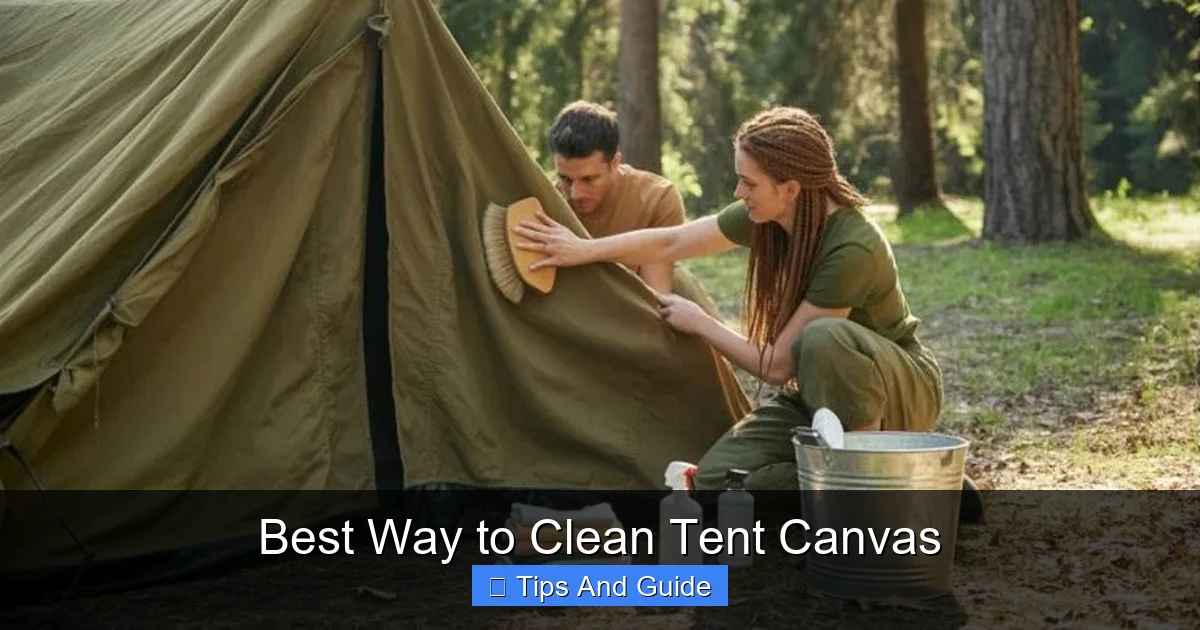
Properly cleaning your tent canvas is crucial for its longevity and performance. This guide outlines the best way to clean tent canvas, focusing on gentle techniques to remove dirt, mildew, and other contaminants without damaging the fabric or its waterproofing. By following these steps, you can ensure your tent remains a reliable shelter for many adventures to come.
Camping is an incredible way to connect with nature, explore new places, and create lasting memories. Your tent is your sanctuary in the wilderness, your shield against the elements, and your cozy home away from home. To ensure it remains that reliable companion for years to come, proper care and maintenance are essential. One of the most important aspects of tent care is cleaning the canvas. Over time, your tent will inevitably encounter dirt, dust, bird droppings, tree sap, and maybe even some mildew. Ignoring these can not only make your tent look unappealing but can also compromise its integrity and waterproofing.
Many campers wonder about the best way to clean tent canvas. It might seem straightforward, but canvas is a natural material that requires a delicate touch. Using the wrong cleaning agents or methods can actually do more harm than good, stripping away protective coatings and weakening the fabric. This guide will walk you through the most effective and gentle methods for cleaning your tent canvas, ensuring it stays in top condition for all your future adventures. We’ll cover everything from basic cleaning to tackling stubborn stains and mildew, so you can keep your tent performing at its best.
## Why Cleaning Your Tent Canvas Matters
You might be asking, “Does it really matter that much how I clean my tent canvas?” The answer is a resounding yes! Think of your tent canvas as your skin; it needs to be cared for to stay healthy and functional. Regularly cleaning your tent canvas offers several significant benefits that directly impact its lifespan and your camping experience.
### Protecting Your Investment
A good quality canvas tent is an investment. Whether you’re using a small backpacking tent or a large family camping tent, it’s designed to withstand the elements and provide shelter. Dirt and grime aren’t just unsightly; they can actually abrade the canvas fibers over time, leading to premature wear and tear. Removing these contaminants helps preserve the fabric’s strength and flexibility.
### Maintaining Waterproofing and Breathability
Canvas tents are often treated with waterproofing agents. When dirt, oils, and other residues build up on the surface, they can interfere with the fabric’s ability to repel water. In some cases, these contaminants can even break down the waterproofing over time. A clean tent canvas is better able to do its job of keeping you dry and also allows the fabric to breathe, which helps prevent condensation build-up inside.
### Preventing Mold and Mildew Growth
This is perhaps one of the most critical reasons for cleaning. If a tent is packed away damp, or if it’s stored in a humid environment, mold and mildew can quickly take hold. Mold and mildew don’t just look and smell bad; they actively degrade canvas fibers, causing permanent damage and weakening the fabric. Early detection and removal are key to preventing widespread growth.
### Enhancing Your Camping Experience
Let’s be honest, camping in a dirty, musty-smelling tent is not ideal. A clean tent creates a more pleasant and comfortable living space in the outdoors. It contributes to a better overall camping experience, allowing you to relax and enjoy your surroundings without worrying about a dingy shelter.
## The Best Way to Clean Tent Canvas: Step-by-Step
The best approach to cleaning tent canvas is always gentle. Harsh chemicals, abrasive scrubbers, or high-pressure washing can cause irreparable damage. Here’s a breakdown of the recommended method.
### Step 1: Inspect and Prepare Your Tent
Before you start any cleaning, give your tent a thorough inspection.
#### Check for Damage
Look for any rips, tears, loose seams, or areas where the waterproofing might be compromised. Small issues can often be repaired before they become bigger problems.
#### Clear Out Debris
Open up your tent and remove all loose dirt, leaves, pine needles, and other debris from the inside and outside. A soft brush or a vacuum cleaner with a brush attachment works well for this. If you’re cleaning it outdoors, a good shake is often a great start.
### Step 2: Choose Your Cleaning Solution
The golden rule here is mildness.
#### Mild Soap and Water
For most general cleaning, a mild, non-detergent soap is best. Think of a gentle dish soap (used sparingly) or a specialized canvas cleaner. Avoid strong detergents, bleach, or any cleaners containing solvents, as these can strip the canvas’s natural oils and protective coatings.
#### Lukewarm Water
Always use lukewarm or cool water. Hot water can potentially shrink or damage the canvas fibers and affect the waterproofing treatments.
### Step 3: The Cleaning Process
This is where the actual washing happens.
#### Surface Cleaning
The best way to clean tent canvas for general dirt is with a soft cloth, sponge, or a very soft-bristled brush. Dip your cleaning tool into your mild soap and water solution, wring it out so it’s not dripping wet, and gently wipe down the surfaces of the tent. Work in sections.
#### Tackling Stubborn Stains
For tougher spots like bird droppings or tree sap, you might need a slightly more concentrated solution, but still, keep it mild. You can make a paste of baking soda and water. Apply it to the stain, let it sit for a short period (15-30 minutes), and then gently scrub with a soft brush. Rinse thoroughly. For very persistent stains, a specialized canvas cleaner designed for outdoor gear might be necessary, but always test it in an inconspicuous area first.
#### Mildew Spots
If you find mildew, act quickly. Mildew can be treated with a solution of one part white vinegar to three parts water. Apply it with a sponge or cloth, let it sit for about 10-15 minutes, and then scrub gently. Vinegar is acidic but generally safe for canvas and helps kill mildew spores. Again, rinse thoroughly afterward.
### Step 4: Thorough Rinsing
This step is absolutely crucial.
#### Wash Away All Residue
After cleaning, you need to rinse the tent thoroughly to remove all traces of soap or cleaning solution. Soap residue can attract dirt and moisture, leading to new problems. Use a hose with a gentle spray setting or a bucket of clean water. Make sure to rinse every area you cleaned.
### Step 5: Drying the Tent
Proper drying is as important as the cleaning itself.
#### Air Dry is Essential
Never, ever put a canvas tent in a clothes dryer. The heat can cause significant shrinkage and damage the fabric. The best way to dry tent canvas is to let it air dry completely.
#### Find the Right Spot
Hang your tent or spread it out in a well-ventilated area. A gentle breeze is ideal. Avoid direct, harsh sunlight for extended periods, as prolonged exposure to UV rays can fade and weaken the canvas over time. If you have to dry it in the sun, do so for shorter periods and consider draping a light sheet over it for some shade.
#### Ensure It’s Bone Dry
This can take some time, especially for larger tents or in humid conditions. Make sure every part of the canvas is completely dry before you consider packing it away. Check seams, corners, and any folds. Packing away a damp tent is a sure way to invite mold and mildew.
## Dealing with Specific Issues
While general cleaning covers most scenarios, some specific issues require tailored approaches.
### Removing Tree Sap
Tree sap can be particularly sticky and stubborn.
#### Freezing Method
Try freezing the sap by applying an ice pack or a bag of ice to it. Once frozen, it should become brittle and easier to scrape off with a dull knife or spatula.
#### Solvent (Use with Caution)
For really tough sap, you might consider a mild solvent like rubbing alcohol or a specialized goo-remover. Apply a small amount to a cloth and gently dab the sap. Test in an inconspicuous area first, as solvents can sometimes affect waterproofing. Always rinse thoroughly afterward.
### Revitalizing Waterproofing
Over time, the water-repellent properties of your canvas tent can diminish, especially after cleaning or with age.
#### Reapplication is Key
Once your tent is clean and completely dry, you can reapply a waterproofing treatment. Look for products specifically designed for canvas or outdoor fabrics. These often come in spray or wash-in formulas. Follow the product instructions carefully for best results. This step is especially important if you notice water is no longer beading up and rolling off the fabric. A well-maintained waterproof tent makes camping in the rain much more comfortable.
## Storing Your Clean Tent
Proper storage is critical for maintaining your clean tent canvas.
### The Right Conditions
Store your tent in a cool, dry place. Avoid attics, basements, or garages that are prone to extreme temperature fluctuations or humidity. A climate-controlled closet or storage area is ideal.
### Protective Storage Bag
Always store your tent in its original stuff sack or a breathable storage bag. This protects it from dust, pests, and accidental damage.
## Things to Absolutely Avoid
To ensure the best way to clean tent canvas involves avoiding these common pitfalls:
### Harsh Chemicals
As mentioned, bleach, ammonia, strong detergents, and solvents can degrade canvas fibers and strip waterproofing.
### Abrasive Tools
Steel wool, stiff brushes, or scouring pads will scratch and damage the canvas surface. Stick to soft cloths and brushes.
### Machine Washing or Drying
Unless your tent manufacturer specifically states it’s machine washable (which is extremely rare for canvas tents), do not put it in a washing machine or dryer.
### High-Pressure Washing
Pressure washers can force water into the fabric weave and damage the fibers and coatings.
### Storing a Damp Tent
This is a recipe for mold and mildew. Always ensure your tent is bone dry.
## Investing in Quality Gear
While cleaning your tent canvas is vital, so is starting with a quality tent. If you’re in the market for a new shelter, consider tents made from durable canvas. For those looking at lighter options or different styles, exploring the [best camping mattress for tent](https://tentrm.com/best-camping-mattress-for-tent/) or the [best camping mat for tent](https://tentrm.com/best-camping-mat-for-tent/) can significantly enhance comfort regardless of the tent material. Knowing the best way to clean tent canvas is one part of the equation; having a well-constructed tent to begin with is another. Whether you’re looking for a [best pop up tent waterproof](https://tentrm.com/best-pop-up-tent-waterproof/) solution or a robust family camping tent, quality matters.
## Conclusion
Caring for your canvas tent doesn’t have to be a daunting task. By understanding the best way to clean tent canvas – focusing on gentle methods, proper rinsing, and complete air drying – you can significantly extend its life and maintain its performance. Regular cleaning prevents damage, preserves waterproofing, and ensures your tent remains a comfortable and reliable shelter for countless adventures. So, next time your tent needs a spruce-up, remember these tips, treat your canvas with care, and get ready for your next trip under the stars!
Key Takeaways
- Gentle is Key: Always use mild soap and cool water. Harsh chemicals can strip waterproofing and damage canvas fibers.
- Spot Treat Stains: Tackle stubborn spots with a soft brush and a slightly stronger (but still mild) cleaning solution.
- Rinse Thoroughly: Ensure all soap residue is washed away to prevent attracting dirt and mold.
- Air Dry Completely: Never pack a damp tent. Always allow canvas to air dry thoroughly in a well-ventilated area, out of direct sunlight.
- Re-waterproof When Needed: Over time, canvas may lose its water repellency. Reapply a canvas-specific waterproofing treatment after cleaning and drying.
- Inspect Regularly: Check for damage like rips, tears, or mildew growth before and after cleaning to address issues promptly.
Frequently Asked Questions
How often should I clean my canvas tent?
You should clean your canvas tent at least once a year, or more frequently if it gets particularly dirty. It’s also a good idea to give it a quick clean after a trip, especially if you encountered heavy dirt, bird droppings, or mildew.
Can I use a regular household detergent to clean my canvas tent?
It’s best to avoid regular household detergents. Many contain harsh chemicals that can strip the canvas of its natural oils and waterproofing treatments. Opt for a mild, non-detergent soap or a specialized canvas cleaner designed for outdoor gear.
What should I do if my canvas tent has a strong musty smell?
A musty smell usually indicates mildew. Clean the affected areas with a solution of one part white vinegar to three parts water. Ensure the tent is thoroughly dried afterward in a well-ventilated area to eliminate any remaining moisture and prevent further mildew growth.
Is it okay to use a hose to rinse my tent?
Yes, using a hose with a gentle spray setting is perfectly fine for rinsing your canvas tent. Avoid using a high-pressure washer, as this can damage the fabric fibers and compromise the tent’s waterproofing.
How do I store my canvas tent when it’s not in use?
Always store your canvas tent clean and completely dry. Keep it in a cool, dry, and well-ventilated place, ideally in its original breathable storage bag or stuff sack to protect it from dust and pests.
Will cleaning my tent affect its warranty?
Generally, routine cleaning with mild methods will not void your tent’s warranty. However, using harsh chemicals, abrasive tools, or machine washing/drying could potentially void it. Always check your tent manufacturer’s specific care instructions.
