
Keeping your tent clean is essential for its longevity and your comfort. This guide offers the best way to clean your tent, covering everything from general washing to tackling specific stains and odors. Follow these simple steps to ensure your shelter remains in top condition for many adventures to come.
Best Way to Clean Tent
You’ve just returned from an epic camping trip. The memories are fantastic, the campfire stories are still buzzing, but then you look at your tent. It’s covered in mud, maybe has a mysterious stain from that roadside picnic, and there’s that faint, lingering smell of campfire smoke and damp earth. Don’t let the post-adventure cleanup bum you out! Knowing the best way to clean your tent is just as important as knowing how to set it up. A clean tent not only looks and smells better but also lasts much longer.
Think of your tent as your home away from home in the wilderness. Just like you wouldn’t let your house get grimy and neglected, your tent deserves proper care. Regular cleaning prevents the buildup of dirt, mildew, and odors that can degrade the fabric and compromise its waterproofing. Plus, who wants to crawl into a smelly, dirty tent for their next adventure? A little effort now will pay off big time on your future excursions, ensuring your shelter is ready and welcoming every time.
Let’s dive into the best way to clean your tent, ensuring it stays a reliable companion for all your outdoor escapades.
- Regular cleaning prevents mildew and extends tent life. Storing a dirty or damp tent is the fastest way to ruin it.
- Gentle cleaning solutions are key. Avoid harsh detergents, bleach, and fabric softeners, which can damage waterproof coatings and fabrics.
- Hand washing is usually best. Machine washing can be too aggressive and damage seams or poles.
- Proper drying is crucial. Always air dry your tent completely before storing it to prevent mold and mildew.
- Specialized cleaners are available. For stubborn stains or to revive waterproofing, consider dedicated tent cleaning products.
- Addressing odors is part of cleaning. Baking soda and fresh air are your best friends for combating unpleasant smells.
[FEATURED_IMAGE_PLACEHOLDER]
📑 Table of Contents
Why Cleaning Your Tent Matters
It might seem like an extra chore after a great trip, but cleaning your tent is fundamental to its upkeep. Here’s why it’s so important:
Preventing Mildew and Mold
This is arguably the biggest reason to clean your tent. If you pack up your tent while it’s still damp, even slightly, mildew and mold can start to grow. These fungi not only create unsightly black spots and a musty odor, but they can also break down the fabric over time. In severe cases, mildew can make your tent irreparable. Ensuring your tent is completely dry before storing it is the first step, but a good clean also helps remove any spores that might have settled.
Maintaining Waterproofing
The coatings that make your tent waterproof and breathable can be affected by dirt, grime, and harsh cleaning chemicals. When dirt builds up, it can clog the pores of the fabric, potentially affecting breathability. More importantly, if you use aggressive cleaning agents, you can strip away these protective coatings, leaving your tent vulnerable to leaks. Gentle cleaning preserves these vital layers.
Extending Tent Lifespan
Regular maintenance, including cleaning, is like giving your tent a spa treatment. By removing abrasive dirt particles that can wear down the fabric, preventing mildew damage, and preserving the coatings, you are actively extending the life of your tent. A well-cared-for tent can provide shelter for many years of adventures.
Ensuring a Pleasant Camping Experience
There’s nothing quite like stepping into a fresh, clean tent. No lingering odors, no sticky residue, just a comfortable space to relax. A clean tent contributes significantly to your overall enjoyment of a camping trip, making it feel more like a retreat and less like a struggle.
The Best Way to Clean Your Tent: Step-by-Step Guide

Visual guide about Best Way to Clean Tent
Image source: outdoordoer.com
Ready to give your tent some TLC? Here’s a comprehensive guide on the best way to clean your tent from top to bottom.
Step 1: Prepare Your Tent and Workspace
Before you start, find a suitable space. A large, flat area outdoors is ideal, like a driveway or a clean patch of lawn. If you don’t have outdoor space, a large bathroom or laundry room can work, but be prepared for some water.
* Gather your supplies: You’ll need a soft brush or sponge, mild soap (like dish soap or a specialized tent cleaner), plenty of water, old towels, and a hose with a gentle spray nozzle.
* Inspect for damage: While you’re preparing, take a moment to check for any rips, tears, or seam issues. You can address these later, but it’s good to be aware.
* Shake it out: Turn the tent inside out and give it a good shake to remove any loose dirt, leaves, twigs, or other debris. Pay attention to the corners and seams.
Step 2: The Gentle Wash
This is where the actual cleaning happens. The key is to be gentle.
* Use cool or lukewarm water: Hot water can damage some tent fabrics and coatings.
* Mild soap is your friend: A small amount of mild dish soap (like Dawn) or a specialized gear wash is perfect. Avoid laundry detergents, bleach, and fabric softeners. These are too harsh and can strip away DWR (Durable Water Repellent) finishes and damage the fabric’s integrity.
* Hand wash whenever possible: This is the gold standard for the best way to clean your tent. Set up your tent on a clean surface or use a large tub or bathtub. Using a soft brush or sponge, gently scrub the tent’s exterior and interior with soapy water. Work in sections, paying attention to any visibly dirty areas.
* Rinse thoroughly: This is crucial. Any soap residue left behind can attract dirt and affect the fabric’s performance. Rinse multiple times with clean water until all soap is gone. If you’re washing outdoors, a gentle hose spray is effective.
Step 3: Tackling Stubborn Stains
Sometimes, regular washing isn’t enough for those tough spots.
* Spot cleaning: For specific stains like mud, tree sap, or food splatters, try a concentrated solution of your mild soap. Apply it directly to the stain with a sponge or cloth and gently scrub.
* For sap: Isopropyl alcohol can sometimes help dissolve sticky tree sap. Apply a small amount to a cloth and gently rub the sap. Be sure to rinse thoroughly afterward.
* For greasy stains: A bit of baking soda mixed with water can form a paste that helps lift grease. Apply, let it sit for a few minutes, then gently scrub and rinse.
* Always test first: If you’re using anything other than mild soap and water, test it on an inconspicuous area of the tent first to ensure it doesn’t cause discoloration or damage.
Step 4: Cleaning the Tent Poles and Stakes
Don’t forget the supporting cast!
* Poles: Wipe down tent poles with a damp cloth. If they are particularly dirty or sandy, you can use a little mild soap. Ensure they are completely dry before storing them to prevent rust.
* Stakes: Scrub off any caked-on mud or dirt from your tent stakes. A stiff brush works well. Rinse and dry them thoroughly.
Step 5: Drying Your Tent Completely
This is the most critical step for preventing mildew and prolonging your tent’s life.
* **Air dry is essential:** Never, ever put your tent in a clothes dryer. The heat can melt coatings and damage fabric.
* Hang it up: The best way to air dry is to hang your tent over a clothesline, a railing, or even draped over chairs. Make sure there’s good airflow around it.
* Open it up: Keep the doors and windows unzipped so air can circulate inside and out.
* Be patient: Drying can take a significant amount of time, especially for larger tents or in humid conditions. Make sure every part of the tent, including seams and corners, is bone dry before you even think about packing it away. You might need to flip it over and dry the other side.
Step 6: Dealing with Odors
Even after cleaning, a faint smell might linger.
* Fresh air is the best deodorizer: Once clean and dry, leave your tent set up outdoors for a day or two in a well-ventilated area. Sunlight and fresh air are natural disinfectants and odor-fighters.
* Baking soda for stubborn smells: For persistent odors, you can sprinkle a generous amount of baking soda inside the tent. Let it sit for several hours or overnight, then vacuum it out thoroughly.
* Vinegar solution (use with caution): A very diluted solution of white vinegar and water (1 part vinegar to 10 parts water) can be used to wipe down the interior. However, ensure you rinse extremely well afterward, as vinegar can degrade some materials over time. Always test in a small area first.
Specialized Care for Different Tent Types
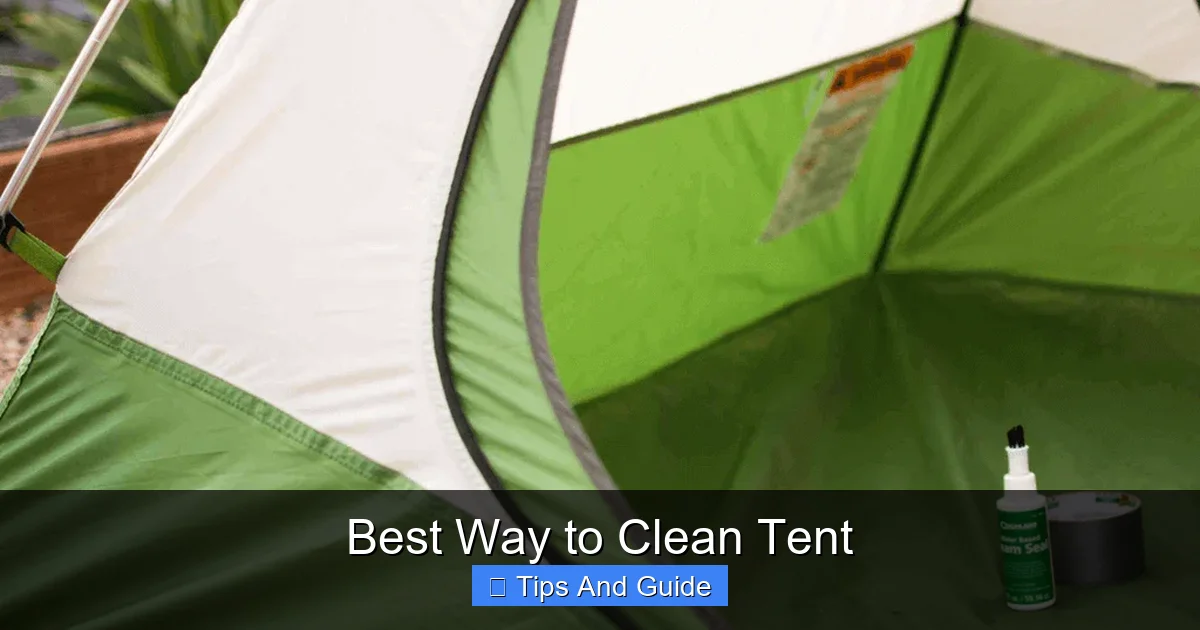
Visual guide about Best Way to Clean Tent
Image source: cdn.shopify.com
While the general principles apply to most tents, some types might require specific considerations.
Waterproof Coatings and DWR
Many modern tents have a Durable Water Repellent (DWR) coating on the outside and a waterproof coating (like polyurethane or silicone) on the inside.
* Re-applying DWR: Over time, these coatings can wear off, especially after many washes or heavy use. You can purchase sprays or washes designed to re-apply DWR. Follow the product instructions carefully. This is a great way to maintain your tent’s performance.
* Avoid fabric softeners and harsh soaps at all costs, as they are the biggest culprits in stripping these coatings.
Mesh Tents
For tents with a lot of mesh, be extra careful not to snag or tear the delicate material.
* Gentle brushing: Use a very soft brush or a microfiber cloth to clean the mesh.
* Avoid abrasive scrubbing: Aggressive cleaning can break the fibers.
Canvas Tents
Canvas tents require a slightly different approach.
* Natural cleaning: Often, just brushing off dirt and letting canvas air dry is sufficient.
* Mild soap and water: If needed, use a very mild soap and a soft brush.
* Avoid machine washing: This can shrink or damage the canvas fibers.
* Allow to dry completely: Canvas takes longer to dry than synthetic materials.
Common Mistakes to Avoid When Cleaning Your Tent
Learning from others’ mistakes can save you a lot of hassle. Here are some common pitfalls to steer clear of:
* Using a washing machine: Unless your tent’s manufacturer explicitly states it’s machine washable (which is rare), avoid it. The agitation and spin cycles can be too harsh.
* Using harsh chemicals: Bleach, strong detergents, and abrasive cleaners will damage your tent’s fabric and coatings.
* Drying in direct sunlight for too long: While sunlight helps kill odors, prolonged exposure can fade colors and degrade UV-sensitive materials.
* **Not drying completely before storage:** This is the number one cause of mildew and a ruined tent. Patience is key!
* **Storing in a stuff sack: Once clean and dry, store your tent loosely in a large cotton bag or its original large storage bag. This allows for air circulation and prevents creases from setting in.
When to Consider Professional Cleaning or Repair
Sometimes, your tent might be beyond a simple DIY clean.
* **Severe mildew or stains:** If you have widespread, deep-seated mildew or stains that won’t budge, a professional gear cleaner might be able to help.
* **Damage to coatings:** If you suspect your waterproof coatings have failed and you’re not comfortable reapplying them yourself, a repair specialist might offer this service.
* **Major repairs:** For significant rips, broken zippers, or damaged poles, seek out a reputable outdoor gear repair service. They have the specialized tools and knowledge to fix your tent properly.
Conclusion
The best way to clean your tent involves patience, gentle techniques, and a commitment to thorough drying. By following these steps, you’re not just cleaning your gear; you’re investing in its future performance and ensuring countless more comfortable nights under the stars. A clean tent is a happy tent, ready for whatever adventures you throw at it. So, next time you return from your camping trip, give your tent the care it deserves, and it will repay you with reliable shelter for years to come. Happy camping and happy cleaning!
Frequently Asked Questions
What is the best way to clean a tent?
The best way to clean a tent is to hand wash it with cool water and mild soap, rinse thoroughly, and air dry it completely. Avoid harsh detergents, bleach, and machine washing, which can damage the fabric and waterproof coatings.
Can I use dish soap to clean my tent?
Yes, mild dish soap (like Dawn) is generally safe and effective for cleaning tents. Use it sparingly and ensure you rinse all residue away thoroughly to avoid attracting dirt or damaging the fabric.
How do I remove mildew from my tent?
For mild mildew, try a solution of mild soap and water. For tougher spots, a solution of 1 part white vinegar to 10 parts water can be used cautiously, but always test on an inconspicuous area first and rinse thoroughly. Ensure the tent dries completely to prevent recurrence.
Should I machine wash my tent?
Generally, no. Most tents are not designed for machine washing. The agitation and spin cycles can damage seams, poles, and waterproof coatings. Hand washing is the safest and most effective method.
How long does it take for a tent to dry?
The drying time for a tent can vary greatly depending on its size, material, and the environmental conditions (humidity, wind). It can take anywhere from a few hours to a couple of days. Ensure it is completely dry to the touch, especially in the seams and corners, before storing it.
What if my tent has a strong odor?
For lingering odors, set the clean, dry tent up outdoors in fresh air and sunlight for a day or two. You can also sprinkle baking soda inside the tent, let it sit, and then vacuum it out. This helps absorb and neutralize smells.
