
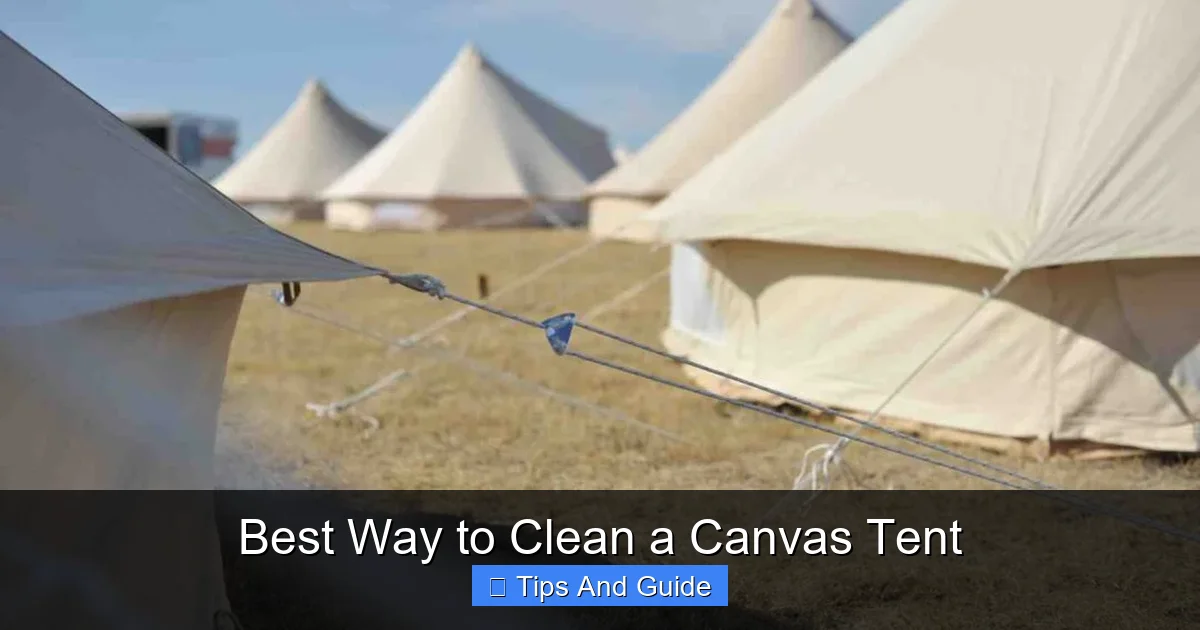
Keeping your canvas tent clean is vital for its longevity and your comfort. This guide details the best way to clean a canvas tent, covering everything from spot cleaning to deep washes and essential drying and waterproofing techniques. Follow these steps to ensure your canvas tent remains in top condition for many camping trips to come.
Best Way to Clean a Canvas Tent
There’s something truly special about camping in a canvas tent. The natural breathability, the cozy atmosphere, and the distinct smell of cotton – it all adds up to a unique outdoor experience. But like any gear that accompanies you on adventures, your trusty canvas tent needs a little TLC to keep performing its best. Over time, dirt, dust, mold, mildew, and grime can accumulate, affecting not only its appearance but also its integrity and water-repellency. Knowing the best way to clean a canvas tent is essential for its longevity, ensuring it’s ready for your next escape into the wild.
Don’t let the thought of cleaning a large canvas item intimidate you. It’s a straightforward process if you approach it with the right knowledge and a bit of patience. Think of it less as a chore and more as an investment in your future camping trips. A well-maintained canvas tent will provide comfortable shelter for years, becoming a reliable companion on countless memories. Let’s dive into how to get your canvas tent looking and performing like new.
- Gentle is Key: Always use mild soap and water, avoiding harsh chemicals that can damage canvas fibers and waterproofing.
- Pre-Cleaning is Crucial: Brush off loose dirt and debris before wet cleaning to prevent scrubbing mud into the fabric.
- Spot Treat Stains: Tackle mildew, sap, and other tough stains with specific, gentle methods before a full wash.
- Air Dry Completely: Never store a damp tent; always ensure it’s thoroughly dry to prevent mold and mildew growth.
- Re-Waterproof Regularly: Apply a canvas-specific waterproofing treatment after cleaning to maintain its protective qualities.
- Proper Storage Matters: Store your clean, dry tent in a cool, dry place away from pests and direct sunlight.
[FEATURED_IMAGE_PLACEHOLDER]
📑 Table of Contents
Preparing Your Tent for Cleaning
Before you even think about water and soap, the first and most critical step in cleaning a canvas tent is preparation. This involves a thorough dry run to remove as much loose debris as possible. This step is crucial because if you skip it and start scrubbing with water, you risk grinding dirt and grit deeper into the canvas fibers, making stains harder to remove and potentially creating abrasive points that can weaken the fabric over time.
Shake it Out and Brush it Off
Set up your tent outdoors, preferably on a clear, dry day. Open all doors and windows to allow for good ventilation. Then, it’s time for some vigorous shaking. Grab sections of the tent fabric and give them a good shake to dislodge any leaves, twigs, cobwebs, or loose dirt. For more stubborn bits, a soft-bristled brush is your best friend. Use a broom or a dedicated tent brush and gently scrub away any dried mud, grass, or other particles. Pay close attention to seams, corners, and any areas where dirt might accumulate.
Inspect for Damage
While you’re giving your tent a good once-over, take this opportunity to inspect it for any rips, tears, loose seams, or damaged zippers. It’s much easier to make repairs when the tent is clean and dry, and you have full access to the affected areas. Addressing small issues now can prevent them from becoming bigger problems later.
Spot Cleaning Stains and Mildew

Visual guide about Best Way to Clean a Canvas Tent
Image source: images.bannerbear.com
Canvas tents are prone to a variety of stains, from tree sap and bird droppings to the dreaded mildew. Spot cleaning is your first line of defense and often all that’s needed for minor blemishes. Tackling these issues before a full wash can save you time and effort.
Tackling Mildew
Mildew is perhaps the most common and frustrating issue for canvas tent owners. It thrives in damp, dark conditions and can appear as dark spots or a fuzzy growth on the fabric. The key to dealing with mildew is to act quickly and gently.
* Mild Soap and Water: For light mildew, a solution of mild soap (like dish soap or a gentle laundry detergent) and water is usually effective. Mix a few drops of soap into a bucket of water. Dampen a soft cloth or sponge with the soapy water and gently rub the affected area. Rinse thoroughly with clean water.
* Vinegar Solution: For more stubborn mildew, a solution of equal parts white vinegar and water can be a powerful, yet safe, cleaner. Vinegar is a natural disinfectant and helps to kill mildew spores. Apply the solution with a cloth or spray bottle, let it sit for about 15-30 minutes, then gently scrub and rinse thoroughly with clean water. Ensure good ventilation when using vinegar.
* Specialized Mildew Removers: If the mildew is extensive or particularly stubborn, you can opt for a canvas-specific mildew remover. Always test these products on an inconspicuous area first to ensure they don’t discolor or damage the fabric. Follow the product instructions carefully and rinse thoroughly.
Removing Sap and Other Stubborn Stains
Tree sap can be sticky and difficult to remove. For fresh sap, try gently scraping it off with a dull knife or plastic scraper. If it’s dried, rubbing alcohol or mineral spirits can be effective, but use them sparingly and test in an inconspicuous area first, as they can sometimes affect waterproofing. Rinse the area thoroughly with water afterward. For other stains like mud or grease, a mild soap and water solution, followed by a good rinse, is typically your best bet.
Washing Your Canvas Tent

Visual guide about Best Way to Clean a Canvas Tent
Image source: tentexplorer.com
When your tent needs more than just spot cleaning, it’s time for a wash. This is where you’ll want to be particularly mindful of the materials you use, as harsh chemicals can strip the canvas of its natural oils and waterproofing, leading to a stiff fabric and reduced performance.
The Gentle Wash Method
The absolute best way to clean a canvas tent is by hand washing it. Avoid using a washing machine, as the agitation can be too harsh for the canvas and the waterproofing treatments.
1. Set Up Your Space: Find a large, clean, flat area where you can spread out the tent. A clean driveway, a large patio, or even a clean tarp laid on grass works well.
2. **Choose Your Cleaner:** Opt for a mild, biodegradable soap or a specialized canvas cleaner. Avoid detergents with bleach, fabric softeners, or strong degreasers.
3. **Suds Up:** Mix your chosen cleaner with cool or lukewarm water in a bucket.
4. **Gentle Scrubbing:** Using a soft-bristled brush or a sponge, gently scrub the tent fabric. Work in sections, applying even pressure. Focus on areas that are visibly dirty or stained.
5. **Rinse Thoroughly:** This is a critical step. Use a hose with a gentle spray setting to rinse all soap residue from the tent. It’s essential to get every last bit of soap out, as leftover soap can attract dirt and reduce water repellency. Rinse until the water runs clear and there are no more suds.
Can You Use a Hose or Pressure Washer?
A regular garden hose with a gentle spray nozzle is perfectly fine for rinsing. However, you should **never** use a high-pressure washer on a canvas tent. The intense pressure can damage the fibers, force water into the weave, and strip away any protective treatments, compromising the tent’s integrity and waterproofing.
Drying Your Canvas Tent Properly
This is arguably the most important step in the entire cleaning process. A canvas tent that is not dried completely before being stored is a breeding ground for mold and mildew, which can cause irreparable damage. Patience is key here.
Air Dry is the Only Way
Always air dry your canvas tent. Set it up outdoors in a well-ventilated area, away from direct, intense sunlight which can degrade the fabric over time. Ideally, choose a breezy day with moderate temperatures.
* **Spread it Out:** Ensure the tent is spread out as much as possible to allow air to circulate around all surfaces. Open zippers and vents. You might need to reposition it throughout the day to ensure all sides get adequate drying time.
* **Check for Dampness:** Feel the fabric thoroughly, especially in seams, corners, and hems. Even a slightly damp spot can lead to problems. If you’re unsure, give it more time. It’s better to be safe than sorry. This can take anywhere from a few hours to a couple of days, depending on the weather.
Avoid Machine Drying
Never, ever put a canvas tent in a clothes dryer. The heat is far too intense and will shrink, warp, and likely ruin the fabric, not to mention the waterproofing.
Waterproofing Your Canvas Tent
After a thorough cleaning and drying, your tent’s natural waterproofing might have been diminished. Reapplying a waterproofing treatment is crucial to keep it performing its best against the elements.
Choosing the Right Treatment
There are various waterproofing treatments available for canvas. Look for products specifically designed for canvas or outdoor fabrics. These are usually wax-based or silicone-based and will restore the water-repellent properties without making the fabric stiff or non-breathable. Some common types include sprays and roll-on treatments.
Application Tips
1. **Ensure it’s Clean and Dry:** Apply the waterproofing treatment only to a completely clean and dry tent. Any dirt or moisture trapped underneath will be sealed in.
2. **Ventilation is Key:** Apply the treatment in a well-ventilated area, as some products have strong fumes.
3. **Even Coverage:** Apply the treatment evenly using a sponge, roller, or spray bottle, depending on the product. Work in sections and ensure you cover the entire tent exterior, paying attention to seams and stress points.
4. **Drying Time:** Allow the tent to dry completely according to the product’s instructions. This usually involves several hours, or even overnight, in a well-ventilated area. This curing time allows the treatment to bond properly with the canvas.
Regular re-waterproofing, typically once a year or after significant cleaning, will extend the life of your tent and ensure you stay dry on your camping trips. It’s a vital step in maintaining your canvas tent, just like choosing the right [best camping mattress for tent] or [best camping mat for tent] for comfort.
Storage and Maintenance Tips
Proper storage is just as important as cleaning when it comes to preserving your canvas tent. Even a perfectly clean tent can deteriorate if stored improperly.
The Cool, Dry Place Rule
Once your tent is thoroughly cleaned and completely dry, and any waterproofing has been applied and cured, it’s time to store it. The ideal storage location is a cool, dry place, away from direct sunlight and extreme temperatures. A basement, attic (if it doesn’t get too hot), or a climate-controlled garage are good options.
Avoid Pests
Mice and other critters are attracted to the natural fibers of canvas tents and can cause significant damage by chewing holes or nesting inside. Store your tent in a sturdy container or bag to offer some protection. Cedar blocks or sachets can also help deter pests naturally.
Roll or Fold Carefully
When packing your tent away, avoid creasing it sharply in the same places repeatedly. Roll it loosely rather than folding it tightly, or fold it in a slightly different way each time. This helps to prevent the canvas from developing permanent creases that can weaken the fibers over time.
By following these cleaning, drying, waterproofing, and storage steps, you’re ensuring that your canvas tent remains a comfortable and reliable shelter for many years of outdoor adventures. Happy camping!
Frequently Asked Questions
How often should I clean my canvas tent?
You should clean your canvas tent at least once a year, typically after a camping season or before storing it for an extended period. Spot clean any immediate spills or stains as they happen to prevent them from setting.
Can I use a regular washing machine to clean my canvas tent?
No, it is highly recommended to avoid using a regular washing machine. The aggressive agitation can damage the canvas fibers and the waterproofing treatment, leading to tears and reduced performance.
What if my tent has stubborn mold or mildew?
For stubborn mold and mildew, a solution of equal parts white vinegar and water can be very effective. Apply it, let it sit, gently scrub, and then rinse thoroughly. If the problem persists, consider a specialized canvas mildew remover, testing it in an inconspicuous spot first.
How can I tell if my tent needs re-waterproofing?
If water is no longer beading up on the surface of your tent and instead is soaking into the fabric, it’s time to re-waterproof. You can test this by gently spraying a small section with water.
Is it okay to store my tent if it’s slightly damp?
Absolutely not. Storing a damp canvas tent is the quickest way to encourage mold and mildew growth, which can cause permanent damage and unpleasant odors. Always ensure your tent is bone dry before storing it.
What are the best cleaning products for a canvas tent?
The best cleaning products are mild, biodegradable soaps like gentle dish soap or specialized canvas cleaners. Avoid harsh detergents, bleach, and fabric softeners, as these can degrade the canvas fibers and waterproofing.
