
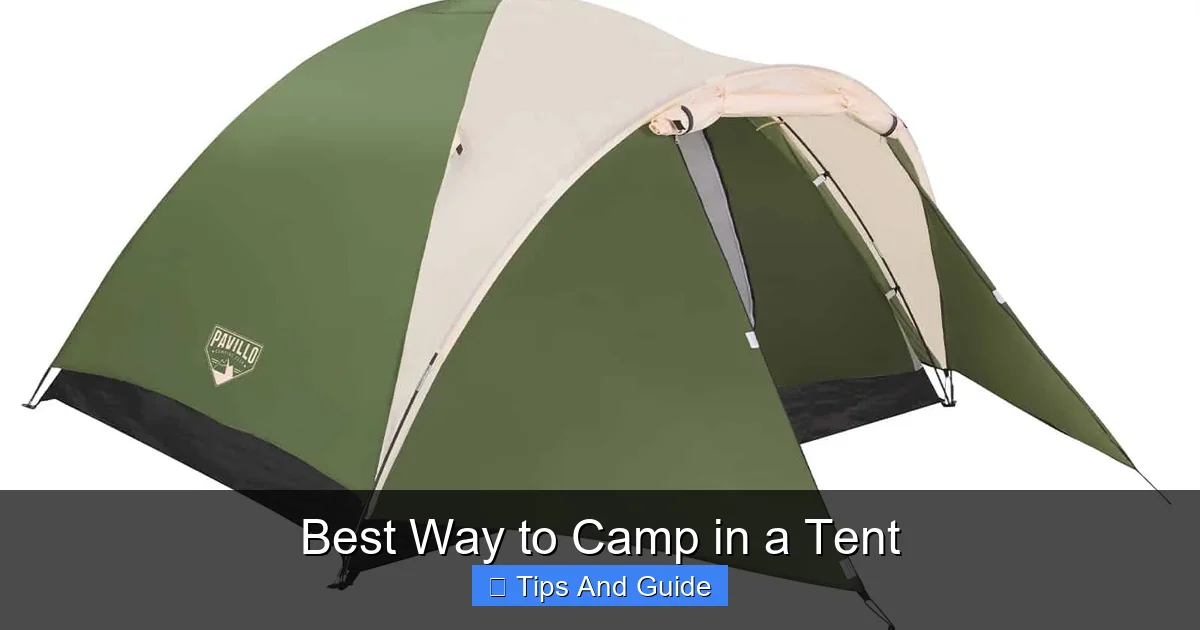
Mastering the best way to camp in a tent means embracing preparation and smart techniques for a comfortable and enjoyable outdoor experience. From selecting the ideal shelter to ensuring a cozy night’s sleep and respecting your surroundings, this guide provides essential tips for every camper.
Camping in a tent is one of the most classic and rewarding ways to connect with nature. It offers a sense of freedom, adventure, and a front-row seat to the wonders of the outdoors. However, to truly enjoy your tent camping experience, knowing the best way to go about it makes all the difference. It’s not just about pitching a tent; it’s about creating a comfortable, safe, and memorable home away from home, under the stars.
Whether you’re a seasoned camper or venturing out for the first time, this guide is here to help you maximize your enjoyment. We’ll walk you through everything from selecting the perfect tent to making sure you sleep soundly and leave your campsite better than you found it. So, let’s dive into how you can have the best possible camping trip in a tent.
- Choosing the Right Tent is Crucial: Consider size, season rating, and ease of setup based on your camping needs.
- Site Selection Matters: Opt for level ground, protection from the elements, and proximity to amenities or trails.
- Proper Setup Ensures Comfort and Safety: Learn to pitch your tent correctly, use all stakes and guy lines, and consider a footprint.
- Creating a Cozy Interior: Invest in comfortable sleeping gear like a good camping mattress and essential accessories.
- Packing Smart for a Tent Camp: Organize your gear logically, ensuring easy access to necessities.
- Respecting the Environment: Practice Leave No Trace principles to minimize your impact.
📑 Table of Contents
Choosing Your Perfect Tent
The tent is your sanctuary in the wilderness, so picking the right one is the absolute first step to a great camping experience. Think about your typical camping adventures. Are you mostly going car camping with family, or are you backpacking into remote areas? The best camp tent for you depends heavily on these factors.
Tent Size and Capacity
This is a common pitfall for new campers. Tent sizes are usually listed by the number of people they can accommodate (e.g., a 2-person tent, a 4-person tent). However, these are often snug fits. If you like a little more room to spread out, or if you’ll be bringing extra gear inside the tent, it’s always a good idea to go up a size. A 4-person tent might be much more comfortable for two people and their gear. Consider if you’ll be spending a lot of time inside the tent or if it’s just for sleeping. For extended stays or in case of bad weather, more space is a definite plus.
Season Rating and Weather Considerations
Tents are often rated for different seasons. A 3-season tent is perfect for spring, summer, and fall camping, offering good ventilation and protection from rain and wind. If you plan on camping in colder, more challenging conditions, you’ll need a 4-season tent. These are built to withstand heavier snow loads and stronger winds, but they can be warmer and less ventilated in mild weather. Always check the weather forecast for your trip and choose a tent that can handle it. If you are looking for something that pops up quickly, you might consider one of the best pop up tent reviews to find a model that fits your needs.
Ease of Setup
For many, especially solo campers or those with limited experience, a tent that is easy to set up is paramount. Many modern tents feature color-coded poles and clips, making assembly straightforward. If you’re eyeing a specific type of tent, research its setup process. Some tents, like certain pop-up models, can be erected in seconds, which is fantastic after a long day of hiking. However, ensure you still practice setting it up at home before your trip. For a quick setup, you might be interested in the best pop up tent on the market.
Selecting the Ideal Campsite
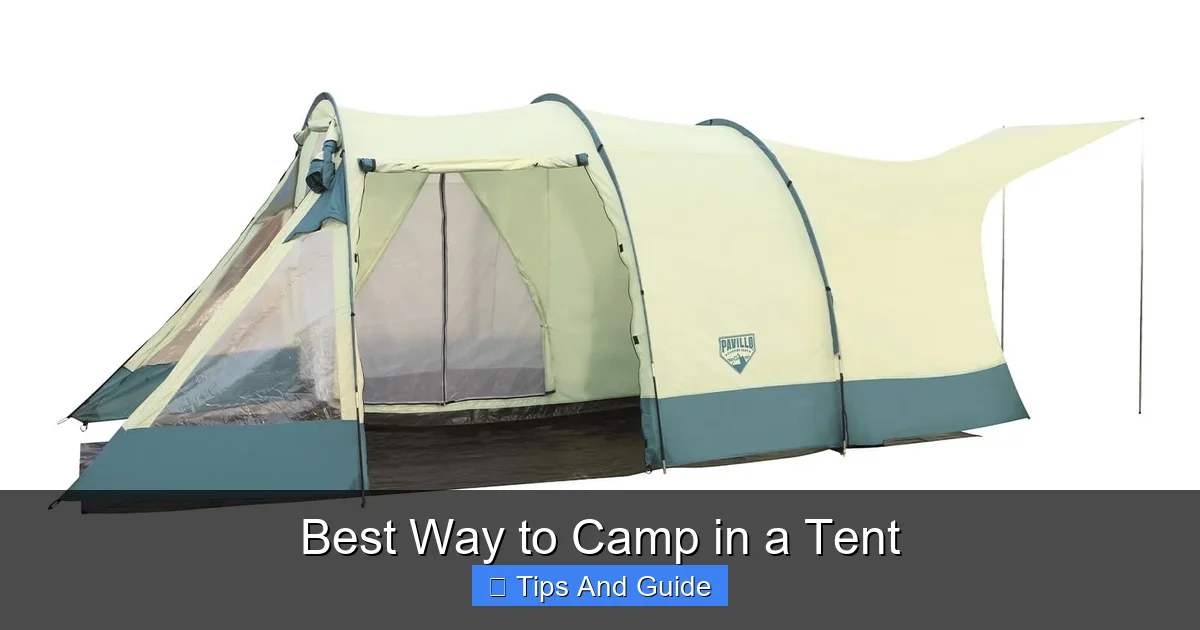
Visual guide about Best Way to Camp in a Tent
Image source: bestwaystore.es
Once you have your tent, the next critical decision is where to pitch it. The location of your campsite can significantly impact your comfort and overall experience.
Finding Level Ground
This is non-negotiable for a good night’s sleep. Pitching your tent on a slope means you’ll either roll to the lower end or find yourself feeling like you’re sliding down the entire night. Search for the flattest spot available. Clear away any rocks, roots, or pinecones that could be uncomfortable or puncture your tent floor.
Shelter from the Elements
Look for natural shelters. A cluster of trees can offer protection from wind and direct sun, which can be intense during the day. However, be mindful of dead branches overhead, especially in windy conditions. Also, avoid camping in low-lying areas that could flood if it rains heavily. Setting up too close to a water source might attract bugs and wildlife, so a balance is key. Some campers prefer to select a campsite within a specific park, like looking for the best campground in Yosemite for tent camping to ensure they are in a desirable location.
Proximity to Amenities and Trails
Consider your needs. If you need access to restrooms, water spigots, or a campfire ring, check your campsite’s proximity to these facilities. If your goal is hiking, being near trailheads is a major convenience. However, avoid setting up right next to busy paths or common areas to ensure privacy and peace.
Mastering Tent Setup: The Key to Comfort
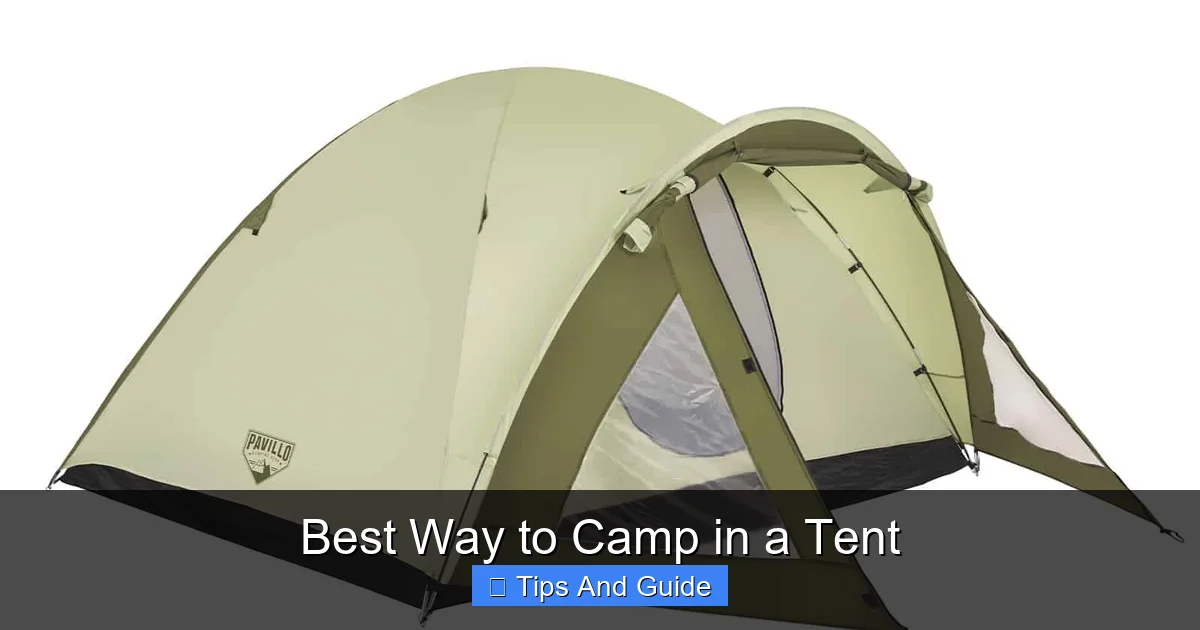
Visual guide about Best Way to Camp in a Tent
Image source: bestwaystore.es
Properly setting up your tent is more than just staking it down; it’s about creating a secure and comfortable living space.
The Footprint: Your Tent’s Best Friend
A tent footprint (or ground tarp) is a piece of fabric that goes under your tent. Its primary purpose is to protect your tent floor from abrasion, sharp objects, and moisture. Many people use a cheap tarp, but purpose-made footprints fit your tent perfectly and often have grommets that align with your tent poles for added stability. If your tent doesn’t come with one, consider it a worthwhile investment.
Pitching Your Tent Correctly
Always start by laying out your footprint, then your tent body. Assemble your poles and insert them into the tent sleeves or attach them to the clips. Once the tent body is standing, attach the rainfly. This is crucial for waterproofing and keeping out insects. Make sure the rainfly is taut and properly aligned.
Stakes and Guy Lines: Your Anchors
Don’t skimp on stakes and guy lines! Use all the stakes provided to secure the tent floor. Then, use the guy lines to pull the tent walls taut. This improves stability, helps shed rain and wind more effectively, and creates more interior space. Learn how to tie a taut-line hitch or other adjustable knots to keep your guy lines snug. If you’re concerned about strong winds, some specialized tents are designed with wind resistance in mind, like a best pop up tent for wind.
Creating a Cozy Interior for a Great Night’s Sleep
A comfortable sleeping setup is vital for enjoying your tent camping trip. After a day of exploring, you’ll want to relax and recharge.
Invest in Good Sleeping Gear
This is where you shouldn’t cut corners. A quality sleeping bag rated for the expected temperatures is essential. Pair it with a comfortable sleeping pad or air mattress. A good camping mattress for tent can elevate your comfort significantly, providing insulation from the cold ground and cushioning. Consider a portable camp bed too; a camp bed for tent can keep you off the ground entirely and offer a familiar sleeping surface. Don’t forget a pillow! A compressible camping pillow or even a stuff sack filled with clothes works wonders.
Organize Your Space
A disorganized tent can feel cramped and frustrating. Use organizers like hanging shelves, mesh pockets, or small bins to keep your belongings tidy. Designate areas for clothes, toiletries, and food (if you’re keeping it in the tent, ensure it’s sealed to avoid attracting animals). A headlamp or lantern is also a must-have for navigating inside the tent at night. Check out some camping lights for tent to illuminate your space.
Ventilation and Temperature Control
Proper ventilation is key to preventing condensation inside your tent. Most tents have vents; open them up, especially at night, to allow moist air to escape. If it’s cool, you can partially close them. If you get too warm, consider a small battery-operated fan. A camping fan for tent can make a huge difference on muggy nights. In colder weather, a good camp tent heater can provide essential warmth.
Packing Smart for Your Tent Adventure
The way you pack your gear can make or break your camping trip. Organization is key to quick setup and easy access to what you need, when you need it.
Categorize Your Gear
Group similar items together. Pack your sleeping gear in one bag, cooking equipment in another, clothing in your backpack, and toiletries in a separate pouch. This makes finding things much easier, especially in the dark or during bad weather.
Utilize Stuff Sacks and Compression Bags
These are invaluable for organizing and saving space. Use stuff sacks for clothing, sleeping bags, and other soft items. Compression bags can dramatically reduce the volume of bulky items like sleeping bags.
Keep Essentials Accessible
Items you’ll need immediately upon arrival or during the night should be packed last or in an easily accessible outer pocket. This includes things like your tent stakes, rainfly, headlamp, first-aid kit, and maybe a snack. If you arrive late, you don’t want to dig through everything to find your tent poles.
Leave No Trace: Respecting the Outdoors
The best way to camp in a tent also involves being a responsible steward of the natural environment. Following Leave No Trace principles ensures that these beautiful places remain pristine for future generations.
Plan Ahead and Prepare
Know the regulations for the area you are visiting. Pack appropriate gear, and know how to use it. Familiarize yourself with the weather forecast.
Travel and Camp on Durable Surfaces
Stick to established trails and campsites. Avoid trampling vegetation. When choosing a campsite, select a place that is already impacted or a durable surface like rock or gravel.
Dispose of Waste Properly
Pack out everything you pack in, including all trash, food scraps, and even toilet paper. Bury human waste at least 200 feet from water sources, trails, and campsites. Use designated toilets whenever available.
Leave What You Find
Do not take or disturb natural objects. Admire them where they are. Avoid carving into trees or structures.
Minimize Campfire Impacts
Use established fire rings if they are present. Keep fires small and manageable. Ensure fires are completely extinguished before leaving.
Respect Wildlife
Observe wildlife from a distance. Never feed wild animals. Store your food and scented items securely to prevent attracting them to your campsite.
Be Considerate of Other Visitors
Keep noise levels down. Respect the experience of others who are also enjoying the outdoors.
Conclusion
Camping in a tent offers an unparalleled opportunity to immerse yourself in nature. By following these guidelines for the best way to camp in a tent, you’re setting yourself up for a comfortable, safe, and truly memorable adventure. From carefully selecting your gear and campsite to mastering the setup and packing smart, every step contributes to a positive experience. Remember that respecting the environment through Leave No Trace principles is not just good practice, but essential for preserving the beauty of the outdoors for everyone. So, pack your bags, pitch your tent, and embrace the magic of sleeping under the stars!
Frequently Asked Questions
What is the most important piece of gear for tent camping?
While many items are essential, a reliable and appropriately sized tent is arguably the most important. It provides shelter, protection from the elements, and a private space, forming the core of your camping experience.
How can I ensure I stay warm in my tent during cold weather?
Layering your clothing, using a sleeping bag rated for the expected temperatures, and bringing an insulated sleeping pad are crucial. Ensure your tent is well-ventilated to prevent condensation, which can make you feel colder.
What should I do if I encounter wildlife near my tent?
It’s important to observe wildlife from a safe distance and never feed them. Securely store all food and scented items in your vehicle or bear-resistant containers to prevent attracting animals to your campsite.
Is it okay to cook inside my tent?
No, it is strongly advised against cooking inside your tent. Open flames or portable stoves can be a serious fire hazard and can also lead to dangerous carbon monoxide buildup.
How do I prepare my tent for rain?
Ensure your tent is pitched correctly with the rainfly attached and taut. Using a footprint under your tent adds an extra layer of protection against ground moisture. Always check your tent’s seams and waterproofing before a trip.
What are the basic Leave No Trace principles?
The seven Leave No Trace principles include planning ahead and preparing, traveling and camping on durable surfaces, disposing of waste properly, leaving what you find, minimizing campfire impacts, respecting wildlife, and being considerate of other visitors.
