
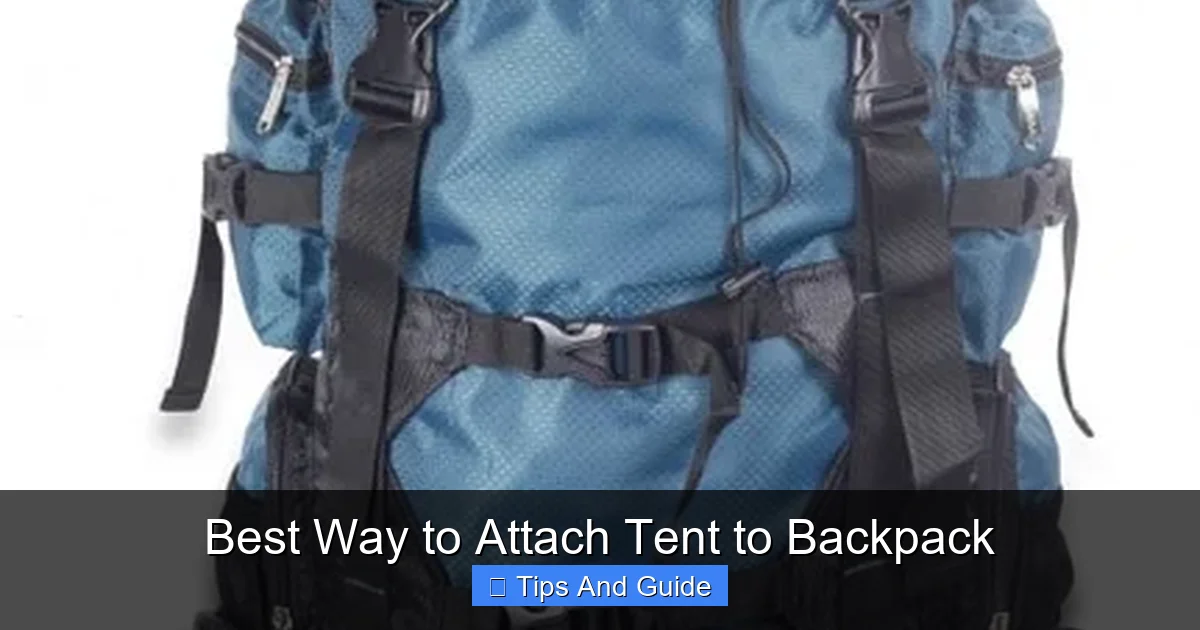
Properly attaching your tent to your backpack is crucial for a comfortable and balanced hike. This guide explores the best methods, focusing on weight distribution, accessibility, and protection. Discover how to secure your tent effectively for any outdoor adventure.
### The Importance of How You Pack Your Tent
Hey there, fellow adventurers! So, you’ve got your trusty tent, ready to provide shelter under the stars. But before you can enjoy that cozy campsite, there’s a crucial step: getting your tent from your home to the trail. And how you attach that tent to your backpack can make a world of difference in your hiking experience. It’s not just about jamming it in there; it’s about smart packing that keeps you comfortable, balanced, and your gear protected. A poorly packed tent can lead to an uncomfortable hike, throwing off your balance and even causing chafing or pressure points.
Think about it: your tent is often one of the bulkiest and heaviest pieces of gear. Getting its placement right on your pack is key to distributing that weight effectively. This means avoiding a pack that feels like it’s constantly pulling you backward or sideways. Plus, you want your tent to be accessible when you need it, but not so loose that it’s flopping around. We’ll dive into the best ways to achieve this sweet spot, ensuring your tent becomes a stable companion on your journeys, not a cumbersome burden.
## Why External Attachment Often Wins
When it comes to attaching your tent to your backpack, the great debate often boils down to internal versus external. While some prefer everything tucked away inside, there are compelling reasons why external attachment is often the preferred method for many backpackers. Let’s explore why.
### Quick Access and Organization
One of the biggest advantages of attaching your tent externally is the ease of access. Imagine this: you arrive at your campsite after a long day of hiking, and the sky looks like it might open up. With your tent strapped to the outside, you can grab it in seconds and start setting up your shelter without digging through your entire pack. This is a lifesaver when weather is threatening or when you simply want to get your camp established quickly.
Furthermore, keeping your tent on the outside frees up valuable space inside your backpack. Tents, especially larger ones, can take up a significant amount of room. By storing it externally, you can pack other essentials, like your sleeping bag and clothing, more efficiently within your pack’s main compartment. This often leads to a more organized pack overall, making it easier to find other items as needed. For those who prioritize quick camp setup or need to keep their interior space clear for other gear, external attachment is a clear winner.
### Protection from the Elements
While you might think stuffing a tent inside your pack offers more protection, it can actually be the opposite. If your tent is damp from a previous trip or if you encounter rain on the trail, packing it inside your main compartment can lead to other gear getting wet. This can be a serious problem, especially for items like sleeping bags or insulating clothing that lose their effectiveness when damp.
By storing your tent externally, especially within a waterproof stuff sack, you create a barrier. If the tent is wet, you can easily air it out once you’re home or at your campsite without affecting the rest of your gear. This separation is crucial for maintaining the integrity of your other equipment and ensuring your comfort throughout your trip.
## Mastering the Art of Compression Straps
Compression straps are arguably the most valuable tool you have for securely attaching gear to your backpack. These adjustable straps are usually found on the sides and bottom of your pack, and when used correctly, they can cinch down bulky items like tents with incredible stability.
### The Power of a Tight Fit
The goal of using compression straps is to create a snug, integrated load. When you place your tent (ideally in a stuff sack) against your backpack, the compression straps wrap around it, pulling it tightly against the pack’s frame. This does a couple of things:
*
Reduces Shifting: A loose item on your pack will sway and shift with every step, making your hike uncomfortable and throwing off your balance. Compression straps eliminate this movement.
*
Integrates the Load: By pulling the tent tight, you make it feel like part of your pack, rather than an external appendage. This improves weight distribution and stability.
### Strategic Placement for Stability
When using compression straps, consider where you place the tent. Often, the sides of the backpack are ideal. Many backpacks have dedicated loops or daisy chains where you can thread the compression straps for optimal grip. Some tents might also have a designated sleeve or webbing on their stuff sack specifically for this purpose.
If your tent is quite long, you might even use both side compression straps. For shorter tents or those that might bulge, you can also utilize the straps at the bottom of your pack to provide additional support and prevent it from sliding downwards. Experiment with different configurations to find what feels most stable for your specific pack and tent combination. Remember, a well-compressed tent feels like it’s one with your pack, making your hike significantly more enjoyable.
## The Crucial Role of a Waterproof Stuff Sack
We’ve touched on this, but it bears repeating: a good waterproof stuff sack is your tent’s best friend when it comes to external carrying. Tents are made of fabrics that, while water-resistant, aren’t inherently waterproof for extended exposure. And as we all know, the weather in the outdoors can be unpredictable.
### Protection Against Rain and Dew
Even if your tent is dry when you pack it, dew can form overnight, or you might encounter a sudden downpour. If you’re using a waterproof stuff sack, this moisture stays contained within the sack, preventing it from soaking your tent’s fabric. This is especially important for synthetic materials, which can absorb water and become heavier.
### Keeping Other Gear Dry
As mentioned earlier, a damp tent packed inside your backpack can wreak havoc on everything else. By using a waterproof stuff sack, you create a vital barrier. If your tent is wet, the sack keeps that moisture isolated. This means your sleeping bag, your clothes, and any other sensitive gear inside your pack remain dry and functional.
### Durability and Ease of Handling
Beyond protection, a good stuff sack also makes handling your tent much easier. It compresses the tent into a more manageable shape, making it simpler to strap to your pack. Many high-quality stuff sacks are also made from durable materials, which can protect your tent from abrasion and tears during transport. Look for roll-top closures and fully sealed seams for the best waterproof protection. Investing in a quality stuff sack is a small price to pay for the peace of mind and protection it offers your tent.
## Balancing the Load: Weight Distribution is Key
Attaching your tent to your backpack isn’t just about securing it; it’s about integrating it into your overall load in a way that feels balanced. Improper weight distribution can lead to discomfort, strain, and an increased risk of injury.
### Where to Position Your Tent
Generally, the best place for your tent on the outside of your backpack is in the middle, either on the front or the sides. Attaching it too high can make your pack feel top-heavy and unstable. Conversely, placing it too low can pull you backward.
*
Front Placement: Many backpacks have a bungee system or external straps on the front. This can be a good spot, especially for lighter tents, as it keeps the weight closer to your center of gravity. However, ensure it doesn’t impede your movement or vision.
*
Side Placement: This is often the most popular and effective method. Using compression straps on the sides allows you to cinch the tent tightly against the pack’s frame. This is ideal for distributing the weight evenly between both sides of your body.
### Consider the Tent’s Weight
The weight of your tent plays a significant role in where you should attach it. Lighter backpacking tents might be placed more flexibly. Heavier car camping tents might benefit from being secured lower on the pack to keep the center of gravity down. Always consider the overall weight of your backpack. If your tent is a substantial portion of that weight, meticulous attention to its placement is even more critical.
### Test Pack and Hike
Before you embark on a long trek, it’s essential to do a test pack. Load your backpack with all your gear, including the tent attached externally. Go for a short walk around the block or a quick hike on a local trail. Pay attention to how the weight feels. Does it pull you in any direction? Does anything rub or chafe? Adjust the placement of your tent and the tightness of your straps until the pack feels comfortable and balanced. This simple step can save you a lot of discomfort on the trail. If you’re looking for other comfort enhancers, consider the [best camping mattress for tent](https://tentrm.com/best-camping-mattress-for-tent/) or the [best camping mat for tent](https://tentrm.com/best-camping-mat-for-tent/).
## Innovative Attachment Methods and Considerations
While compression straps are the workhorse, there are other clever ways and considerations when attaching your tent. Thinking outside the box can sometimes lead to a more secure and comfortable carry.
### Using External Pockets and Loops
Many modern backpacks come equipped with a variety of external pockets, daisy chains, and gear loops. These can be utilized in conjunction with straps or even on their own.
*
Side Pockets: Some tents, when compressed into their stuff sacks, might fit snugly into a large side water bottle pocket. You can then secure them with the pocket’s drawstring or additional straps.
*
Daisy Chains: These vertical loops of webbing are incredibly versatile. You can thread compression straps through them or use separate bungee cords and carabiners to attach your tent.
### Bungee Cords and Straps
While compression straps are ideal, sometimes additional bungee cords or dedicated gear straps can provide extra security, especially for irregularly shaped tents or for added peace of mind. Just be careful not to overtighten bungees, as they can sometimes cause undue pressure points. Always ensure any extra straps are neatly tucked away so they don’t snag on branches.
### Tent Pole Storage
Don’t forget about your tent poles! Often, they can be slipped into the side pockets of your backpack, sometimes alongside or even instead of the tent body. If they’re too long or don’t fit well in pockets, they can be strapped vertically to the side of your pack, usually along with the tent body, ensuring they are also secured tightly. This keeps them easily accessible for setup and takedown.
### Practice Makes Perfect
The “best way” is often personal and depends on your specific gear. What works for one person’s tent and backpack might not be ideal for another’s. Don’t be afraid to experiment. Try different positions, use various straps, and see what feels most comfortable and stable for you. A little time spent refining your tent-carrying technique will pay dividends on the trail. For more specialized needs, you might even consider a [best camping backpacking tent](https://tentrm.com/best-camping-backpacking-tent/), which are often designed with lighter weight and packability in mind.
## Packing Your Tent for Different Scenarios
The best way to attach your tent might also depend on the type of trip you’re embarking on. What works for a weekend car camping trip might differ from a multi-day backcountry expedition.
### Car Camping vs. Backpacking
For car camping, where weight and pack size are less of a concern, you have more flexibility. Your tent might be larger and heavier, and you might have more space in your vehicle. You can often fit it into a larger duffel bag or even carry it loose. However, if you’re transporting it on a roof rack, ensuring it’s securely strapped down with waterproof covers is paramount to protect it from the elements.
For backpacking, every ounce and every inch of space counts. This is where the techniques we’ve discussed for external attachment become critical. A well-secured tent on your backpack is essential for comfort and balance over long distances. Pop-up tents, for example, come in various sizes, and while convenient, their unique shapes can sometimes present a packing challenge. You might need to experiment with how to best compress and attach a large pop-up tent to ensure it doesn’t become cumbersome. Some [best pop up tent reviews](https://tentrm.com/best-pop-up-tent-reviews/) might offer specific packing tips for different models.
### Weather Considerations
As we’ve emphasized, protecting your tent from the elements is vital. If you’re heading into a wet climate, a fully waterproof stuff sack and careful placement to allow for drying are non-negotiable. If you’re in a dry, dusty environment, keeping it protected from excessive dust can also prolong its life.
### Tent Type Specifics
Different tent designs present unique packing challenges. A lightweight, minimalist solo tent will pack down much smaller than a four-person family dome tent. A geodesic dome tent might have a more complex pole structure that requires careful organization. Always consult your tent’s manufacturer instructions if you’re unsure about the best way to pack it down. For specific needs, exploring options like a [best camping canopy tent](https://tentrm.com/best-camping-canopy-tent/) or even a [best camping hammock tent](https://tentrm.com/best-camping-hammock-tent/) might involve entirely different packing strategies.
### Conclusion: Your Tent, Your Comfort
Attaching your tent to your backpack might seem like a minor detail, but it has a significant impact on your overall hiking experience. By understanding the principles of weight distribution, utilizing compression straps effectively, and protecting your gear with waterproof solutions, you can transform your tent from a cumbersome load into a secure and stable part of your adventure. Remember to always pack smart, test your setup, and adapt your methods to your specific gear and the demands of your trip. Happy trails!
- External attachment offers quick access and keeps your pack’s interior organized.
- Compression straps are your best friend for cinching the tent securely.
- Use a waterproof stuff sack to protect your tent from the elements.
- Balance the weight of your tent with other gear to avoid strain.
- Consider the type of tent and your backpack when choosing an attachment method.
- Test your setup before heading out to ensure comfort and stability.
Frequently Asked Questions
What is the best way to attach a tent if it’s wet?
If your tent is wet, the best way to attach it is in a waterproof stuff sack on the outside of your backpack. This prevents moisture from reaching your other gear and allows you to air it out later without making your entire pack damp.
Should I put my tent inside or outside my backpack?
For most backpacking scenarios, attaching your tent to the outside of your backpack is recommended. This saves valuable interior space and provides quick access, especially if you need to set up camp in a hurry or in bad weather.
How do I prevent my tent from shifting on my backpack?
To prevent shifting, use your backpack’s compression straps to cinch the tent tightly against the pack’s frame. Ensure the tent is in a stuff sack that allows for a snug fit, and distribute the weight evenly on the sides or front of your pack.
What are the risks of attaching a tent incorrectly?
Attaching a tent incorrectly can lead to an unbalanced load, causing discomfort, strain, and potential injury. It can also lead to chafing, make your pack unstable, and potentially damage your tent if it’s constantly rubbing or snagging on the environment.
Are there specific straps for attaching a tent to a backpack?
While many backpacks come with built-in compression straps, you can also use additional bungee cords or specialized gear straps if needed. However, the integrated compression straps are typically the most effective and secure option when used correctly.
How does the type of tent affect how I attach it?
Heavier or larger tents, like family camping tents, may need to be secured lower on the pack for better balance. Lighter, more compact backpacking tents offer more flexibility. Pop-up tents, due to their shape, might require creative strapping techniques to ensure they are secure and don’t impede movement.
