
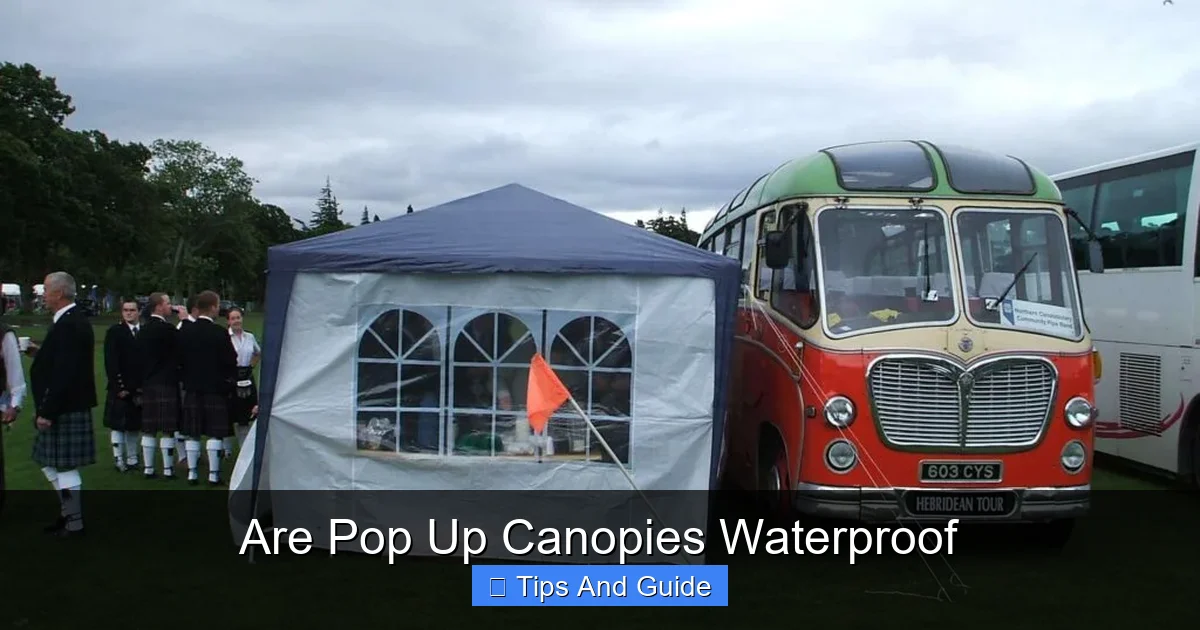
Pop up canopies are typically water-resistant, not truly waterproof. While they can handle light to moderate rain, heavy downpours may still lead to some leakage. Choosing a canopy with a high denier fabric and a quality coating is key to maximizing its water protection. Always check manufacturer specifications for the most accurate information.
Have you ever been to an outdoor event, a craft fair, a sporting game, or even just a backyard barbecue and seen those handy, collapsible shelter structures? We’re talking about pop up canopies. They’re incredibly convenient for providing shade and a bit of protection from the elements. But as the clouds gather and a drizzle starts, a very important question often comes to mind: Are pop up canopies waterproof? It’s a common query, and the answer isn’t as straightforward as a simple “yes” or “no.”
Understanding the difference between water-resistant and waterproof is the first step. Most pop up canopies fall into the water-resistant category. This means they can handle a light shower or a bit of mist for a while. However, if you’re expecting a torrential downpour or prolonged heavy rain, you might find yourself getting a little damp underneath. True waterproofing is a much higher standard, usually found in specialized tents or structures designed for extreme weather.
So, let’s dive deeper into what makes a pop up canopy capable of handling a bit of rain and what its limitations are. We’ll explore the materials, construction, and care that go into keeping you as dry as possible under these versatile shelters.
Key Takeaways
- Water-resistant vs. Waterproof: Most pop up canopies are designed to be water-resistant, meaning they can repel light rain but not withstand prolonged or heavy downpours. True waterproofing is rare in standard pop up models.
- Fabric Denier and Coating: The thickness of the fabric (denier) and any special coatings (like polyurethane or PVC) significantly impact water resistance. Higher denier and robust coatings offer better protection.
- Seam Sealing: Even the best fabric can let water through if the seams are not properly sealed. Look for canopies with taped or sealed seams for improved water repellency.
- Frame and Design: The frame structure and how the canopy material is attached can also influence water management. Angled roofs and good tension can help water run off more effectively.
- Maintenance is Key: Regular cleaning and proper storage, ensuring the canopy is completely dry before packing, will help maintain its water-resistant properties over time.
- Manufacturer Specifications: Always rely on the manufacturer’s stated water-resistance ratings or waterproof claims. What one brand calls “waterproof,” another might label “highly water-resistant.”
- Consider Your Needs: If complete waterproofing is essential, a pop up canopy might not be the best solution. Consider a dedicated waterproof tent for guaranteed protection.
📑 Table of Contents
Understanding Water Resistance in Pop Up Canopies
When we talk about a pop up canopy being “water-resistant,” it means the fabric has been treated or constructed in a way to repel water. It won’t absorb water easily, and for a certain period, it will prevent water from passing through. Think of it like a good quality raincoat; it keeps you dry in light rain but might not hold up if you’re caught in a monsoon.
The Role of Fabric Denier
The denier is a unit of measurement that describes the linear mass density of fibers. In simpler terms, it tells you how thick and strong the fabric threads are. A higher denier count generally means a stronger, denser fabric. For pop up canopies, fabrics with higher denier counts (like 300D, 400D, or even 600D) tend to be more water-resistant than those with lower denier counts. Denser fabric has fewer microscopic holes for water to seep through. When looking for a canopy that offers better rain protection, always check the fabric denier.
Coatings and Treatments: The Secret to Repellency
Most pop up canopy fabrics aren’t naturally waterproof. They rely on special coatings or treatments applied to the material to achieve water resistance. Common coatings include:
* Polyurethane (PU) Coating: This is a very common treatment. A layer of PU is applied to the underside of the fabric. It acts as a barrier, preventing water from penetrating. The thickness and quality of the PU coating significantly affect how water-resistant the canopy is.
* Polyvinyl Chloride (PVC) Coating: PVC is a heavier and more durable coating than PU. Canopies with PVC coatings are often more water-resistant and can also offer better UV protection and durability. However, they can also make the canopy heavier.
* Silicone Coating: While more common in high-end camping tents, some premium pop up canopies might use silicone treatments for excellent water repellency and a smooth finish.
The effectiveness of these coatings can degrade over time, especially with exposure to sunlight and improper cleaning. That’s why maintaining your canopy is crucial for its water-resistant performance.
Are Pop Up Canopies Truly Waterproof?
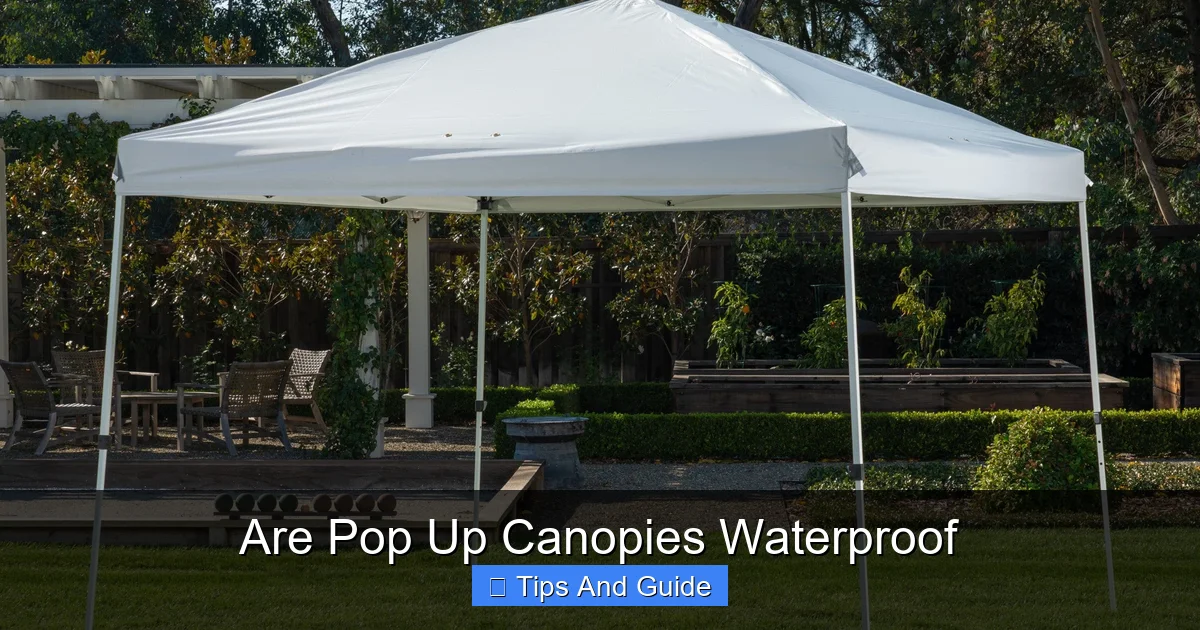
Visual guide about Are Pop Up Canopies Waterproof
Image source: sunvilla.com
This is the million-dollar question! And the honest answer is: most standard pop up canopies are *not* truly waterproof. Here’s why:
The Difference is Crucial: Water-Resistant vs. Waterproof
* Water-Resistant: This means the material can repel water to a certain degree. It will shed light rain and keep you relatively dry. However, under sustained or heavy rain, water can eventually seep through, especially at the seams.
* Waterproof: This implies a complete barrier against water penetration. Materials labeled as waterproof are engineered to withstand submersion or prolonged exposure to heavy water pressure without allowing any water to pass through. This is typically achieved through very high denier fabrics, specialized membranes (like Gore-Tex in some outdoor gear), and completely sealed construction.
Standard pop up canopies, designed for shade, casual events, and light weather protection, typically aim for water resistance to keep costs down and maintain a lighter weight. If you need guaranteed protection from heavy rain, a dedicated waterproof tent might be a better choice. For those looking for reliable rain protection within the pop up canopy category, exploring options in our guide to the best pop up tent waterproof models could be beneficial.
Seams: The Weakest Link
Even the best water-resistant fabric can be compromised at the seams. During the manufacturing process, stitching creates tiny holes in the fabric. If these seams are not properly treated, water can easily penetrate through them, especially when the fabric is under tension from wind or rain.
* Taped Seams: Higher quality canopies often feature taped seams. This involves applying a waterproof tape over the stitching on the inside of the canopy. This tape acts as an extra barrier, significantly improving the water resistance.
* Sealed Seams: Some manufacturers might use a liquid sealant or a special adhesive to close the seams. This is another effective method to prevent water ingress.
When evaluating a pop up canopy for its water resistance, always look for mentions of taped or sealed seams. This is a strong indicator of a more robust, water-repelling product.
Factors Affecting Water Resistance
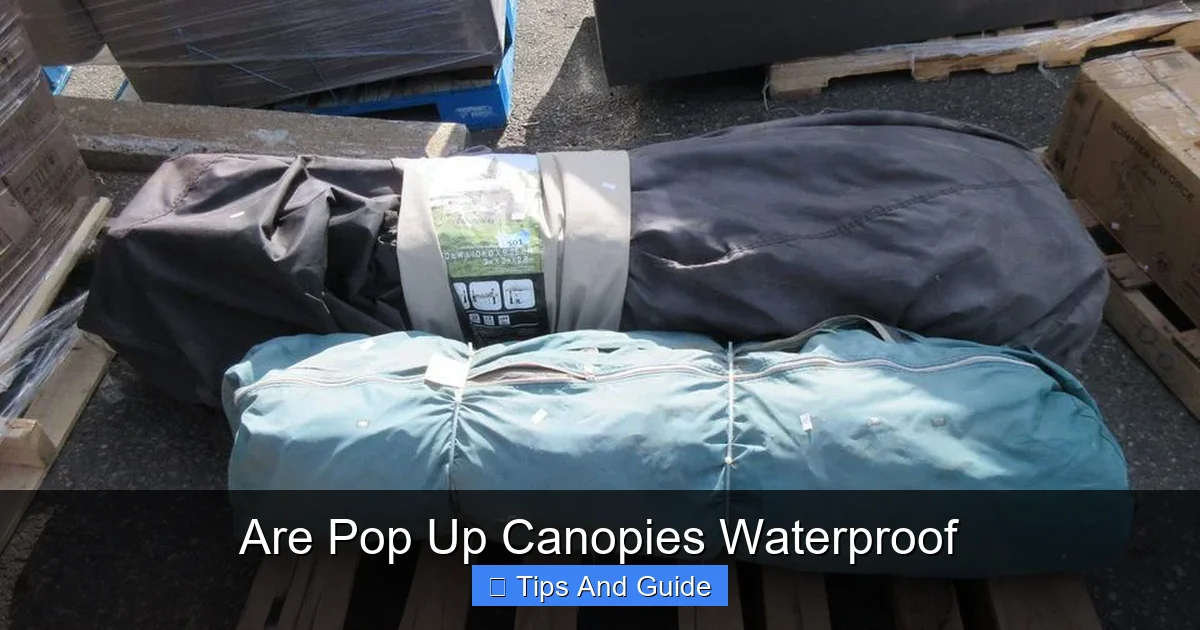
Visual guide about Are Pop Up Canopies Waterproof
Image source: dygtyjqp7pi0m.cloudfront.net
Beyond the fabric and coatings, several other elements influence how well your pop up canopy will perform in the rain.
The Roof Design and Water Runoff
The shape and tension of the canopy’s roof play a vital role.
* Angled Roofs: Canopies with a slightly angled or pitched roof are designed to help water run off more effectively. Standing water can increase the pressure on the fabric and seams, making it more likely to leak. A good slope encourages water to flow away quickly.
* Tension: A well-tensioned canopy also helps with water runoff. If the fabric is sagging in places, it creates a pool where water can collect, increasing the risk of leaks and potential collapse under the weight of heavy rain. Ensure your canopy is set up taut and secure.
The Frame and Structure
While the frame doesn’t directly touch the water, its stability and design can indirectly affect water resistance. A sturdy frame will prevent the canopy from collapsing or distorting in windy or wet conditions, maintaining the proper tension and angle of the roof for optimal water shedding. If you’re using your canopy in challenging weather, you might want to research the best pop up tent for wind, as structural integrity is key.
Ventilation Features
Some pop up canopies come with vents, often at the peak of the roof. While excellent for airflow and reducing heat buildup on sunny days, these vents can sometimes be entry points for water if they are not designed with flaps or covers that can be secured during rain. Always check how the vents are constructed and whether they offer any protection from the elements.
Maximizing Your Pop Up Canopy’s Water Resistance
You’ve invested in a pop up canopy, and you want it to last and perform well. Here are some tips to help you get the most out of its water-resistant capabilities.
Proper Setup and Anchoring
A secure and correctly pitched setup is your first line of defense against rain.
* Use All Stakes and Ropes: Don’t skip the guy ropes and stakes, even if it’s just a little breezy. They ensure the canopy is taut and can withstand wind that might otherwise cause water to pool or blow underneath.
* Choose Your Location Wisely: If possible, set up on slightly higher ground to avoid any potential runoff from surrounding areas pooling at your canopy.
* Check Pole Connections: Ensure all frame poles are securely locked into place. Loose connections can lead to instability.
Regular Cleaning and Maintenance
Dirt, debris, and mildew can break down the water-resistant coatings on your canopy fabric over time.
* Gentle Cleaning: Use mild soap and water to clean the canopy fabric. Avoid harsh detergents or abrasive cleaners that can strip away protective coatings. A soft brush or sponge is usually sufficient.
* Rinse Thoroughly: Make sure to rinse off all soap residue to prevent it from attracting dirt or causing fabric degradation.
* Allow to Dry Completely: This is perhaps the most critical step for long-term water resistance. Always ensure your canopy is thoroughly dry before you pack it away. Storing a damp canopy can lead to mildew growth, which damages the fabric and its water-repellent properties. If you have to pack it up wet, spread it out to dry completely as soon as you get home.
Re-Applying Water-Repellent Treatments
Over time, the original water-resistant coatings can wear off. You can extend the life of your canopy’s water resistance by periodically reapplying a fabric protectant spray. Look for products specifically designed for outdoor fabrics and tents. Follow the manufacturer’s instructions for application and drying. This can be a game-changer for maintaining performance, especially if you frequently use your canopy for events like farmers markets or best pop up tent for farmers market.
When a Pop Up Canopy Isn’t Enough
While pop up canopies are fantastic for many outdoor needs, they have their limits. If your primary concern is staying completely dry in significant rain, you might need to consider alternatives.
Dedicated Waterproof Tents
For serious campers, backpackers, or anyone needing guaranteed protection from heavy rain, specialized tents are the way to go. These are designed from the ground up with waterproof materials, fully taped seams, and robust construction to withstand the harshest weather. If you’re looking for something more robust for outdoor adventures, explore our guides on the best pop up tents for camping or best pop up tents camping, which often highlight models with better weatherproofing.
Pop Up Tents vs. Canopies
It’s worth noting the distinction between pop up canopies and pop up tents. While both offer quick setup, tents are enclosed structures with walls and typically have a higher degree of water resistance and protection from the elements compared to open-sided canopies. Canopies are primarily for shade and minimal weather deflection.
Consider Your Event or Activity
* **Casual Gatherings:** For a backyard party or a short market stall on a day with a chance of light showers, a water-resistant pop up canopy is usually sufficient.
* **Extended Outdoor Events:** If you’re planning a multi-day camping trip or attending an event where rain is highly probable, you’ll want to invest in a more robust, waterproof solution. This is especially true if you’re looking for the best pop up canopies for camping.
* **Sports Events:** For watching a game where rain is a possibility, a water-resistant canopy can offer welcome respite from light rain, but remember its limitations.
Ultimately, understanding your needs and the capabilities of your pop up canopy will help you make the best choices for staying comfortable outdoors.
Choosing the Right Pop Up Canopy for Water Resistance
When shopping for a pop up canopy with the best chance of keeping you dry, consider these features:
* Fabric Denier: Aim for 400D or higher.
* Water-Resistant Coating: Look for PU or PVC coatings. Check the specific rating if provided (e.g., hydrostatic head rating, though this is less common for canopies than tents).
* Sealed or Taped Seams: This is a crucial indicator of quality water resistance.
* Manufacturer Reputation: Brands known for durable outdoor gear often produce better quality canopies. Reading reviews for models like the best pop up tent reviews can be very helpful.
* Warranty: A good warranty can be an indicator of a manufacturer’s confidence in their product’s durability and performance.
By paying attention to these details, you can select a pop up canopy that offers the best possible protection against the elements for its intended use.
Conclusion
So, to circle back to our initial question: Are pop up canopies waterproof? Generally, no, not in the strict sense of the word. They are designed to be water-resistant, offering protection from light to moderate rain for a period. True waterproofing is a premium feature that most standard pop up models do not achieve.
However, with the right materials, construction, and proper care, many pop up canopies can provide a surprisingly effective shield against the elements. Understanding the difference between water resistance and waterproofing, paying attention to fabric denier, coatings, and seam sealing, and performing regular maintenance are all key to maximizing your canopy’s performance.
Whether you’re using it for a market stall, a backyard gathering, or a day at the beach, knowing what your pop up canopy can and cannot do will help you stay prepared and comfortable. If complete waterproof protection is your priority, always look for specialized waterproof tents and shelters. But for general outdoor use, a well-chosen and well-maintained pop up canopy can be a reliable companion.
Frequently Asked Questions
What is the difference between water-resistant and waterproof?
Water-resistant means a material can repel water to a certain degree, handling light rain but potentially failing in heavy or prolonged downpours. Waterproof implies a complete barrier against water, designed to withstand significant water exposure without any seepage.
How can I tell if a pop up canopy is water-resistant?
Look for specifications like fabric denier (higher is better, e.g., 400D+), mentions of PU or PVC coatings, and especially descriptions of taped or sealed seams, which are crucial for preventing leaks.
Can I use my pop up canopy in heavy rain?
It’s not recommended. While a good water-resistant canopy can handle a brief, light shower, heavy rain will likely seep through the fabric and seams, and prolonged exposure can lead to leaks and damage. Consider a dedicated waterproof tent for heavy rain.
How do I maintain my pop up canopy’s water resistance?
Regularly clean it with mild soap and water, rinse thoroughly, and always ensure it is completely dry before storing. Periodically reapplying a fabric water-repellent treatment can also help.
Are all pop up canopies made of the same material?
No, pop up canopy materials vary widely. Common fabrics include polyester and nylon, with different denier ratings and coatings like polyurethane (PU) or PVC, which significantly impact their water resistance and durability.
When should I consider a different type of shelter instead of a pop up canopy?
If your primary need is robust protection from heavy rain, snow, or strong winds for extended periods, a pop up canopy might not be sufficient. In such cases, a more specialized camping tent or a heavy-duty shelter designed for harsh weather would be a better choice.
