
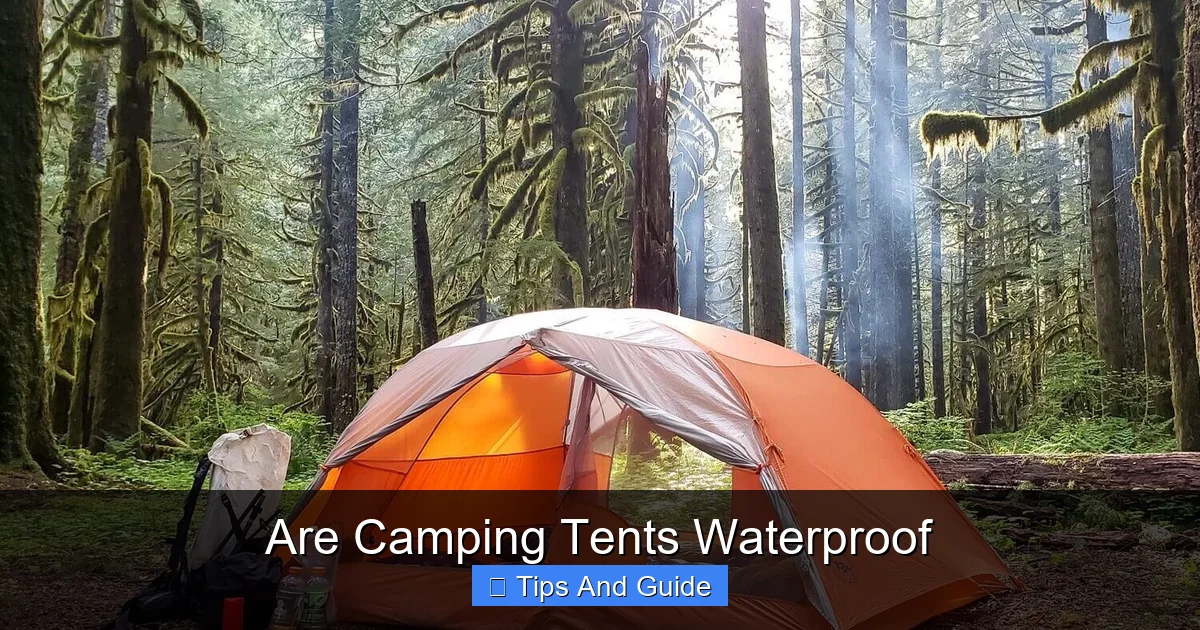
Not all camping tents are inherently waterproof, but many are designed to be highly water-resistant. True waterproofness depends on materials, coatings, and construction. Understanding these factors helps you choose the right tent and care for it to ensure a dry and comfortable camping experience.
So, you’re planning your next outdoor adventure, picturing starry nights, crackling campfires, and the fresh scent of pine. The last thing you want to worry about is waking up to a soggy sleeping bag. This brings us to a fundamental question for any camper: Are camping tents waterproof? It’s a question that can mean the difference between a cozy night’s sleep and a miserable, damp experience.
The short answer is: it’s complicated. While many camping tents are designed with water resistance in mind, calling them “waterproof” outright can be misleading. True waterproofness is a high bar, and understanding the nuances will help you choose the right gear and ensure your camping trips are as dry as they are fun. Let’s dive into what makes a tent a good shelter against the elements.
## Understanding “Waterproof” vs. “Water-Resistant”
Before we go further, it’s important to clarify the terms. Think of it like this: a water-resistant item can repel water to a certain extent, but it will eventually soak through. A waterproof item, on the other hand, is designed to prevent water from penetrating, no matter how long or how hard it rains.
### Water-Resistant Tents
Most camping tents you’ll find fall into the “water-resistant” category. This means they have been treated with coatings or built with materials that can shed light rain and dew for a reasonable amount of time. If you’re camping in an area with occasional light showers, a water-resistant tent might be perfectly fine. They often use fabrics like polyester or nylon with a Durable Water Repellent (DWR) finish. This finish causes water to bead up and roll off the surface.
### Truly Waterproof Tents
For situations where you expect heavy rain, thunderstorms, or prolonged wet weather, you’ll want a tent that’s genuinely waterproof. These tents use more advanced materials, coatings, and construction techniques to create a robust barrier against water. They are built to withstand higher water pressure and prevent any water from seeping through the fabric or seams. When looking for the best waterproof camping tents, you’ll notice these features are more pronounced.
## Key Features of Waterproof Tents
So, what exactly makes a tent excel at keeping water out? Several factors come into play, and paying attention to these details will guide your purchase.
### Waterproof Materials and Coatings
The fabric of your tent is the first line of defense. Most modern tents are made from nylon or polyester. While these synthetic fabrics are inherently somewhat water-repellent, their waterproof capabilities are enhanced by coatings and treatments.
* Polyurethane (PU) Coating: This is the most common waterproofing treatment. It’s a plastic-like coating applied to the inside of the tent fabric. The thickness and quality of the PU coating significantly impact its waterproofness. Look for tents with a higher PU coating weight (e.g., 1500mm or more) for better protection.
* Silicone Coating (Silnylon/Silpoly): Silicone coatings are often found on higher-end tents. They are lighter, stronger, and more durable than PU coatings. Silnylon (silicone-impregnated nylon) and silpoly (silicone-impregnated polyester) offer excellent water repellency and UV resistance. However, they can be more expensive.
* Durable Water Repellent (DWR) Finish: This is a topical treatment applied to the outside of the fabric. It helps water bead up and roll off. DWR is excellent for light rain and preventing the fabric from “wetting out” (absorbing water and becoming heavy and less breathable), but it’s not enough on its own for true waterproofing. It works in conjunction with PU or silicone coatings.
### The Importance of Seam Sealing
Even the best waterproof fabric can be compromised if the seams aren’t sealed. During the manufacturing process, stitching creates tiny holes in the fabric.
* Taped Seams: Waterproof tents will have their seams covered with a special waterproof tape. This tape is applied to the inside of the tent, creating a watertight barrier over each stitch line. When you’re looking at tent specifications, check for “taped seams” or “fully taped seams.” This is a crucial indicator of good waterproofing.
* Factory vs. Field Sealing: Most reputable manufacturers tape their seams at the factory. However, in some cases, particularly with DIY or older tents, you might need to apply seam sealer yourself.
### Bathtub Floor Design
The floor of your tent is constantly in contact with the ground, which can be damp or even wet. A poorly designed floor can let water seep in from below.
* Higher Denier Fabric: The floor material often has a higher denier (a measure of fabric density) and a thicker PU coating than the tent walls. This makes it more durable and waterproof.
* Bathtub Style: A “bathtub floor” is a design where the floor material extends upwards several inches along the sides of the tent. This creates a raised edge that prevents ground water from flowing into the tent during heavy rain. It’s like an inverted bathtub, hence the name.
### Hydrostatic Head (HH) Ratings
This is a technical specification that measures how waterproof a fabric is. It’s expressed in millimeters (mm) and indicates the pressure of water a fabric can withstand before it starts to leak.
* Understanding the Scale:
* 0-1000mm: Generally considered water-resistant but not waterproof. Good for light showers.
* 1000mm – 2000mm: Water-resistant, can handle moderate rain. Many tents fall into this range.
* 2000mm – 5000mm: Very waterproof, suitable for heavy rain and prolonged exposure.
* 5000mm+: Extremely waterproof, often found in expedition or extreme weather tents.
* Where to Find HH Ratings: Manufacturers may list the HH rating for the flysheet and the floor separately. Always check both. A tent with a 1500mm flysheet and a 3000mm floor is a good indication of solid waterproofing.
### The Role of the Rainfly
The rainfly is the outer shell of your tent, and it’s the primary barrier against rain. Its design and material are paramount for keeping you dry.
* Full Coverage vs. Partial Coverage: Full-coverage rainflies offer the best protection, extending all the way down to the tent poles or the ground. Partial coverage rainflies might only cover the top half, leaving the lower walls exposed, which is less ideal in wet conditions.
* Ventilation: While waterproofing is key, good ventilation is also crucial. It helps prevent condensation from forming inside the tent, which can make you feel damp even if the tent isn’t leaking. Look for rainflies with vents that can be opened or closed.
## Factors Affecting a Tent’s Waterproofness Over Time
Even the most waterproof tent won’t stay that way forever if not cared for properly. Several factors can degrade its water-repellent properties.
### Wear and Tear
Repeated use, packing and unpacking, and general wear and tear can damage the fabric and coatings of your tent. Folds and creases can weaken the material, and abrasion can wear away coatings.
### UV Exposure
Prolonged exposure to direct sunlight can degrade the DWR finish and, over time, can even break down the fabric itself, reducing its ability to repel water. Always try to pitch your tent in shaded areas when possible and avoid leaving it out for extended periods when not in use.
### Dirt and Grime
Dirt, mud, and oils can clog the pores of the fabric and interfere with the DWR finish. This can cause water to soak into the fabric rather than bead up and roll off.
### Improper Storage
Storing a tent while it’s still damp is a surefire way to encourage mildew and mold growth. This not only creates an unpleasant odor but can also damage the fabric and waterproof coatings.
## Maintaining Your Tent for Maximum Waterproofness
Taking good care of your tent will significantly extend its waterproof life. It’s not complicated, but consistency is key.
### Cleaning Your Tent
After a trip, it’s essential to clean your tent.
* Gentle Cleaning: Use a soft brush or sponge with cool water and a mild, non-detergent soap (like pure soap flakes or specialized tent cleaner). Avoid harsh detergents, bleach, or fabric softeners, as they can strip the DWR finish and damage coatings.
* Rinse Thoroughly: Make sure to rinse all soap residue off.
* Spot Cleaning: For small stains, spot cleaning is often sufficient.
### Drying Your Tent
This is arguably the most critical step.
* Air Dry Completely: Before storing your tent, ensure it is completely dry. The best way to do this is to set it up outdoors on a dry, sunny day. Open up all the doors and windows for maximum airflow.
* Shake it Out: Shake out any dirt, leaves, or debris from the inside.
* Don’t Use a Machine Dryer: Never put your tent in a clothes dryer, as the heat can melt coatings and warp the fabric.
### Waterproofing Treatments and Reapplication
Over time, the DWR finish on your tent will wear off. You’ll notice water stops beading and starts soaking into the fabric.
* Reapply DWR: You can purchase spray-on or wash-in DWR treatments to restore this water-repellent property. Follow the product instructions carefully. This is especially important for the rainfly and the floor.
* Seam Sealer: If you notice leaks at the seams, you may need to reapply seam sealer. This is a more involved process but can revive an older tent.
### Proper Storage
When it’s time to put your tent away for the season, do so correctly.
* Loose Storage: Store your tent loosely in a breathable bag (like the stuff sack it came with or a large cotton bag) in a cool, dry place. Avoid storing it in a tightly compressed state for long periods, as this can damage the fabric and coatings.
* Avoid Extreme Temperatures: Don’t store it in a hot attic or a damp basement.
## Choosing the Right Tent for Your Needs
When you’re in the market for a new tent, consider your typical camping environment and the weather you’re likely to encounter.
### For Casual Campers and Fair Weather
If you primarily camp during the summer in areas with mild weather, a good quality water-resistant tent will likely suffice. Look for tents with decent HH ratings (around 1500mm for the fly) and taped seams. Many of the best pop-up tents for camping offer a good balance of convenience and water resistance for these situations.
### For Backpackers and Adventurers
For those venturing into the backcountry or expecting more challenging conditions, investing in a truly waterproof tent is wise. Prioritize tents with higher HH ratings (2000mm+), silicone coatings, and robust, sealed seams. Lightweight materials are also a consideration here, and you might find excellent options among the best camping tents waterproof selections designed for rigorous use.
### For Family Camping
Families often need larger tents, and the principles remain the same. Look for spacious tents with full-coverage rainflies, bathtub floors, and clearly stated waterproof ratings. Many best cabin tents for family camping are designed with these features in mind, offering comfort and protection.
## Conclusion: Invest in Dry Comfort
So, are camping tents waterproof? While not all are designed for extreme downpours, many offer excellent water resistance, and truly waterproof options are readily available. The key is to understand the specifications, materials, and construction methods. By paying attention to hydrostatic head ratings, seam sealing, floor design, and the quality of coatings, you can find a tent that will keep you dry and comfortable on all your camping excursions.
Remember that maintenance is crucial. Regular cleaning, proper drying, and timely reapplication of waterproofing treatments will ensure your tent remains a reliable shelter for years to come. Don’t let the fear of rain stop you from enjoying the great outdoors – with the right tent and a little care, you can confidently face whatever the weather throws your way. Happy camping, and stay dry!
- Waterproof vs. Water-Resistant: Most tents are water-resistant, meaning they can shed light rain for a short period, while truly waterproof tents can withstand significant downpours and prolonged exposure to water.
- Key Waterproofing Features: Look for sealed seams, bathtub-style floors, waterproof coatings (like PU or DWR), and high hydrostatic head ratings (HH).
- Material Matters: Different fabrics have varying levels of water repellency. Nylon and polyester are common, but their treatment is crucial.
- Construction is Crucial: Even the best materials can fail if seams aren’t taped or the floor isn’t designed to keep ground moisture out.
- Maintenance for Longevity: Proper cleaning, drying, and storage are essential to maintain a tent’s waterproof capabilities over time.
- Understanding Ratings: Hydrostatic Head (HH) ratings indicate how much water pressure a fabric can withstand before leaking. Higher numbers mean better waterproofing.
- Rainfly Importance: The rainfly is the primary defense against rain, and its design and material are critical for keeping the inner tent dry.
Frequently Asked Questions
Are all tent materials equally waterproof?
No, different tent materials have varying degrees of natural water repellency. Fabrics like nylon and polyester are common, but their waterproofness is largely determined by the coatings (like PU or silicone) and treatments applied during manufacturing.
How can I test if my tent is still waterproof?
You can perform a simple spray test. Lightly spray the fabric with water from a spray bottle. If the water beads up and rolls off, the DWR coating is still effective. If it soaks in, you may need to reapply a DWR treatment.
What is the difference between a tent fly and a rainfly?
These terms are often used interchangeably. The rainfly is typically the separate, waterproof outer layer of a tent designed to protect the inner tent from rain and dew. Some tents have integrated flysheets, while others have a distinct rainfly.
Can condensation make my tent feel wet even if it’s waterproof?
Yes, absolutely. Condensation forms when warm, moist air inside the tent meets cooler air, especially overnight. Good ventilation in your tent, achieved through vents in the rainfly and inner tent, helps to minimize condensation build-up.
Is a higher hydrostatic head rating always better?
A higher hydrostatic head (HH) rating generally indicates better waterproofness, as the fabric can withstand more water pressure. For most camping conditions, a rating of 1500mm to 3000mm is sufficient, but for extreme weather, higher ratings are beneficial.
Do I need to waterproof a new tent before using it?
Most new tents come with factory-applied waterproofing treatments and sealed seams. However, it’s always a good idea to check the manufacturer’s recommendations. Some campers like to apply an additional layer of DWR treatment to new tents for an extra layer of protection and to prolong the life of the original coating.
